
lovethailand home >North Travel Attractions >Phitsanulok Travel Attractions >Chat Trakan >Bo Phak > Botanical Garden National Park
TL;DR: Botanical Garden National Park is located at Moo 8, Bo Phak Subdistrict, Chat Trakan District, Phitsanulok Province, open Monday – Saturday, hours 08.30 – 16.30.
Botanical Garden National Park
Open Days: Monday – Saturday
Opening Hours: 08.30 – 16.30
Rom Klao Botanical Garden Phitsanulok under the Royal Initiative is one of the most distinctive highland nature and botanical learning destinations in Phitsanulok Province. Located in Bo Phak Subdistrict, Chat Trakan District, this mountain garden sits at an elevation of about 750 – 1,280 meters above sea level, giving it a cooler climate than the lowlands for much of the year. It is an ideal destination for travelers who want to escape the city, breathe fresh mountain air, see rare plants, learn about forest conservation, and experience a quieter side of Phitsanulok beyond its famous temples and historic city center.
This place is not just a flower garden or a scenic mountain viewpoint. It is a botanical conservation area with important roles in plant collection, research, forest restoration, environmental education, and community-based conservation. Rom Klao Botanical Garden gathers and studies plant species from the lower northern region of Thailand, especially highland plants, rare plants, endemic species, and threatened species. These plants are preserved, propagated, studied, and used as educational resources for students, local communities, researchers, and nature-loving travelers.
The garden’s landscape is especially valuable because it contains several types of forest communities within one highland area, including hill evergreen forest, dry evergreen forest, and mixed deciduous forest. These ecosystems represent the natural diversity of the Thai-Lao border region and the mountain zones of lower northern Thailand. Visitors can see how plants vary according to altitude, humidity, sunlight, and soil conditions. The experience is very different from visiting a typical lowland park because the plants here are part of a living highland ecosystem.
One of the most important plants associated with Rom Klao Botanical Garden is Soi Siam, an endemic plant and the symbolic flower of Phitsanulok Province. Its presence gives the garden a strong local identity. Soi Siam is not merely a beautiful flower; it represents the uniqueness of Phitsanulok’s natural heritage. For foreign travelers, this is a good example of how a single plant species can connect botany, geography, conservation, and provincial identity in Thailand.
The garden is also known for rare orchids and Thai orchid species such as montha phu, lady’s slipper orchids, pink orchids, and other highland varieties. Orchids are important indicators of forest quality because many of them require specific humidity, light, altitude, and host conditions. Seeing orchids in a botanical conservation area helps visitors understand why forest protection matters. Without the right habitat, these delicate plants cannot survive in the wild.
Rom Klao Botanical Garden includes display areas and plant houses that make botanical learning more accessible to visitors. The orchid collections and highland plant displays are suitable for families, students, photographers, and anyone interested in tropical plant diversity. A visit here can turn a simple nature trip into an educational journey about plant propagation, endangered species, forest ecosystems, and the relationship between people and natural resources.
The origin of the garden is connected with the royal initiative of Her Majesty Queen Sirikit, the Queen Mother. After visiting the development project area around Phu Khat, Phu Miang, and Phu Soi Dao on 5 March 1999, the area was developed as a botanical garden, plant conservation center, and nature tourism destination for Phitsanulok Province. This history gives Rom Klao Botanical Garden special meaning because it links nature conservation with highland community development and the improvement of local livelihoods.
In the past, the Ban Rom Klao area and its surrounding mountains were also connected with border security and development history. Over time, the area has been transformed into a place of learning, conservation, and peaceful tourism. This transformation is one of the most meaningful aspects of the destination. It shows how a landscape once shaped by hardship and remoteness can become a living classroom for plants, forests, communities, and sustainable tourism.
Forest restoration is one of the garden’s major missions. Some areas needed ecological recovery, so reforestation, plant care, and sustainable resource management became important parts of the work. This approach treats the forest not as a tourist backdrop, but as a living system connected with water, soil, air, wildlife, plants, and nearby communities. When the forest recovers, it becomes a source of biodiversity, education, recreation, and long-term environmental value.
The garden is closely connected with Ban Rom Klao and nearby communities. Local people play an important role in the area’s identity, hospitality, and cultural life. The development of the garden supports not only plant conservation but also community awareness, environmental responsibility, and supplementary income from tourism. This makes the destination more meaningful because visitors can see how conservation and local livelihoods can support each other.
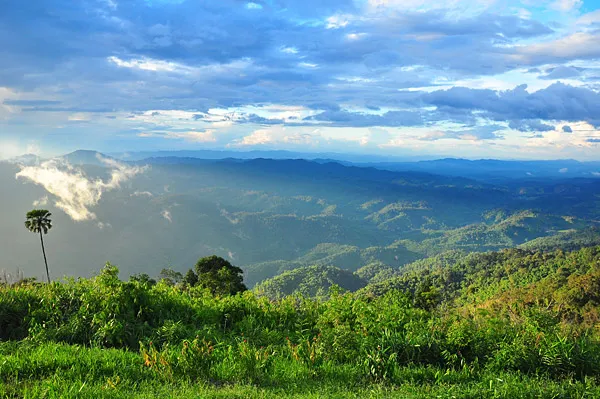
The scenery is another major highlight. From different areas of the garden, visitors can enjoy mountain views toward Phu Khat, Phu Miang, and Phu Soi Dao. The atmosphere is particularly beautiful in the morning during the rainy and cool seasons, when mist covers the valleys and ridges. In the late afternoon, the golden light over the mountains creates a peaceful mood suitable for photography, quiet walks, and slow travel.
Kho Diao Dai Viewpoint is one of the most memorable spots in the garden. It is known for misty morning views and a serene mountain atmosphere. Travelers who want to see the sea of mist should stay overnight or arrive very early, because the most beautiful light often appears around sunrise. This viewpoint gives the garden a strong sense of place and is one of the reasons many visitors remember Rom Klao as a destination for mist, cool air, and mountain silence.
For travelers who enjoy camping, Rom Klao Botanical Garden offers camping areas in a highland environment. Spending the night here allows visitors to experience cool mountain breezes, evening calm, starry skies, and early morning mist. This type of experience is very different from a short daytime visit. It is suitable for families, groups of friends, photographers, and travelers who want a slower and closer connection with nature.
The garden also has cultural value through nearby highland communities, especially Hmong communities in the surrounding area. During some activities or special occasions, visitors may experience local welcoming performances, cultural presentations, traditional stories, and community-based activities. These cultural elements help travelers understand that this mountain landscape is not only a natural environment, but also a lived-in cultural landscape shaped by people, traditions, and local knowledge.
Each season offers a different experience. The cool season is ideal for cold weather, camping, flowers, and mist. The rainy season is best for lush forest scenery, fresh greenery, and dramatic clouds. The warm season may bring different flowering plants and orchids. Travelers who want mist and cool air should consider visiting from the late rainy season into winter, while those who love deep green forest scenery may enjoy the rainy season.
For photographers, Rom Klao Botanical Garden offers many subjects: orchids, rare plants, ferns, moss, highland forest, mist, camping grounds, mountain views, sunsets, and local community scenes. The best photographs here are often not rushed. Visitors should walk slowly, observe small details, and allow time for changing light and weather. The beauty of this place is subtle, natural, and deeply connected with its highland environment.
As an educational destination, the garden is suitable for field trips, environmental camps, botanical workshops, and nature-based learning. Students can learn about plant identification, orchid propagation, endemic plants, forest restoration, and sustainable resource use. Learning in a real landscape helps people understand environmental issues more clearly than reading from textbooks alone.
Travelers should plan carefully because the garden is far from Phitsanulok city and located in a mountainous area. A private car or rental car is the most convenient option. Visitors should check vehicle condition, fuel, weather, and road conditions before traveling, especially during the rainy season. Although the main road is paved, the route is long and includes mountain sections, so daytime travel is recommended.
Getting There is most convenient by private car. From Chat Trakan District, the route to the botanical garden is about 95 kilometers and takes approximately 1.5 hours. The road is paved throughout the route. Travelers can also reach Chat Trakan from Phitsanulok city through routes passing Wat Bot District or through Wang Thong and Nakhon Thai Districts before continuing toward Bo Phak Subdistrict. Because of the distance and mountain setting, visitors should allow enough travel time and avoid arriving after dark.
Before visiting, travelers should prepare warm clothing, comfortable walking shoes, drinking water, rain protection, a flashlight, and personal medicine. Those planning to camp should contact the garden in advance to check camping conditions, available space, equipment rental, and current rules. Visitors should not collect plants, flowers, seeds, or natural materials from the garden, and all waste should be taken out or disposed of properly.
The greatest value of Rom Klao Botanical Garden is that it connects tourism with conservation. Visitors come for mountain scenery, mist, flowers, and cool weather, but they also encounter the ongoing work of plant conservation, forest restoration, and environmental education. This makes the trip more meaningful than ordinary sightseeing. Travelers become more aware of the fragility and importance of highland ecosystems.
Within the broader tourism landscape of Phitsanulok, Rom Klao Botanical Garden expands the image of the province beyond temples and historic sites. Phitsanulok is widely known for Phra Phuttha Chinnarat and its old city, but this garden shows another important side of the province: highland forests, rare plants, border landscapes, misty viewpoints, and community-based conservation. It is a strong destination for travelers who want to understand the natural richness of lower northern Thailand.
Visitors should spend at least half a day to a full day here if they want to explore the main plant displays, viewpoints, and natural areas. Those who want a deeper experience should stay overnight at the camping area or nearby accommodations to enjoy sunset, stars, and morning mist. Overnight stays reveal the rhythm of the mountain in a way that short daytime visits cannot fully capture.
In summary, Rom Klao Botanical Garden Phitsanulok under the Royal Initiative is a comprehensive highland nature destination and botanical learning center. It offers rare plants, Thai orchids, Soi Siam, mountain viewpoints, camping, community culture, forest restoration, and environmental education in one place. For foreign travelers looking for meaningful nature travel in Thailand, this garden provides a quiet, cool, and authentic experience in the mountains of Phitsanulok Province.
| Name | Rom Klao Botanical Garden Phitsanulok under the Royal Initiative |
| Location | Moo 8, Bo Phak Subdistrict, Chat Trakan District, Phitsanulok Province |
| Address | P.O. Box 7, Bo Phak Subdistrict, Chat Trakan District, Phitsanulok 65170, Thailand |
| Highlights | Highland botanical garden, lower northern plant conservation area, rare orchids, Soi Siam, Kho Diao Dai Viewpoint, sea of mist, and mountain camping area |
| History | Established under the royal initiative of Her Majesty Queen Sirikit, the Queen Mother, on 5 March 1999 as a botanical conservation, learning, and nature tourism area |
| Landscape | Highland area at about 750 – 1,280 meters above sea level, with hill evergreen forest, dry evergreen forest, and mixed deciduous forest |
| Important Plants | Soi Siam, montha phu, lady’s slipper orchids, pink orchids, sam poi luang, and many Thai orchid species |
| Travel Information | About 95 km from Chat Trakan District, taking approximately 1.5 hours by paved road; private car or rental car is recommended |
| Current Status | Open as a botanical learning center, highland plant conservation area, and nature tourism destination in Phitsanulok Province |
| Open Days | Monday – Saturday |
| Opening Hours | 08.30 – 16.30 |
| Fees | No admission fee |
| Facilities | Camping area, viewpoints, plant houses, nature learning areas, rest areas, and staff contact point |
| Main Areas / Zones | Kho Diao Dai Viewpoint, orchid house, plant collection area, camping area, nature learning trails, and viewpoints toward Phu Khat, Phu Miang, and Phu Soi Dao |
| Caretaker / Related Authorities | Botanical Garden Organization and Rom Klao Botanical Garden Phitsanulok under the Royal Initiative |
| Main Contact Number | 081-2874994, 0-5531-6713 |
| Official Website / Official Page | Rom Klao Botanical Garden Phitsanulok under the Royal Initiative |
| Nearby Tourist Attractions | 1. Kho Diao Dai Viewpoint, about 1 km 2. Ban Rom Klao and nearby Hmong community, about 3 km 3. Ban Bo Phak, Chat Trakan District, about 25 km 4. Chat Trakan Waterfall, about 95 km 5. Phu Soi Dao National Park, about 110 km |
| Nearby Restaurants | 1. Nong Miao Ahan Tam Sang, about 12 km 2. Soi Dao Cafe, about 13 km 3. Mac Loei, about 13 km 4. Kafae Sang Pa, about 20 km 5. Local restaurants in Ban Rom Klao and Bo Phak area, about 3 – 25 km |
| Nearby Accommodations | 1. Rom Klao Botanical Garden Camping Area, inside the garden, Tel. 081-2874994 2. Sirikit Dam Guesthouse, about 39 km 3. Sirikit Dam Reception House, about 40 km 4. Phu Na Come Resort, Dan Sai District, about 46 km 5. Sabai Dee 2 Resort Dan Sai, about 46 km |
Frequently Asked Questions (FAQ)
Q: Where is Rom Klao Botanical Garden Phitsanulok located?
A: It is located in Moo 8, Bo Phak Subdistrict, Chat Trakan District, Phitsanulok Province, in a highland area connected with Phu Khat, Phu Miang, and Phu Soi Dao.
Q: What are the main highlights of Rom Klao Botanical Garden?
A: Highlights include rare highland plants, Thai orchids, Soi Siam, Kho Diao Dai Viewpoint, sea of mist, mountain camping, and a peaceful forest atmosphere.
Q: What are the opening days and opening hours?
A: The garden is open Monday to Saturday from 08.30 to 16.30. Travelers planning to camp should contact the staff in advance.
Q: Is there an admission fee?
A: There is no admission fee, but camping services or equipment rental may have separate charges according to current conditions.
Q: When is the best time to visit?
A: The late rainy season to cool season is best for mist, cool weather, and flowers. The rainy season is also attractive for lush green forest scenery.
Q: Can visitors camp overnight?
A: Yes. Camping is available in designated areas. Visitors should contact the garden in advance at 081-2874994 or 0-5531-6713 to check availability and current rules.
Q: How can travelers get there?
A: Private car or rental car is recommended. From Chat Trakan District, the route is about 95 km and takes approximately 1.5 hours on a paved road.
Q: What should visitors prepare before traveling?
A: Visitors should bring warm clothing, comfortable walking shoes, drinking water, rain protection, a flashlight for camping, and check weather conditions before departure.
 Category: ●Research and Development
 Group: ●Royal Project
Last Update : 4 MonthAgo
 Last Update : 4 MonthAgo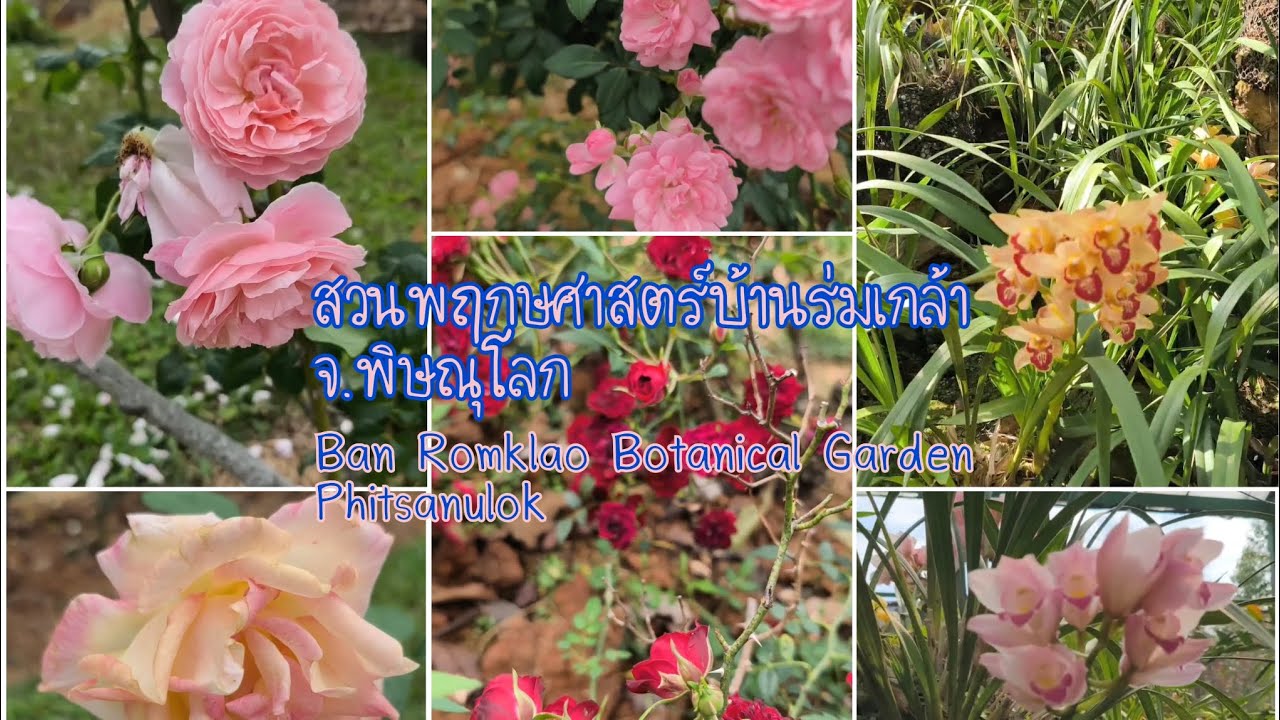
 Click to Access the Navigation Map GPS
Botanical Garden National Park Map
Recommend

 Art, Culture and Heritage
 Historical Sites and Monuments(1)
 Landmarks and Memorials(2)
 Art, Craft Centres, Tradition(3)
 Museums(3)
 Educational Places
 Educational Gardens, Farm(1)
 Places of Worship
 Temple(29)
 Mosque(1)
 Other Sacred Sites(3)
Royal Project(1)
Other Sacred Sites(3)
Royal Project(1)
 Suburban Living
 Village, Community(1)
 Nature and Wildlife
 National Parks and Marine Reserves(7)
 Mountain (Doi)(4)
 Dam, Reservoir, Lake(5)
 Waterfalls(19)
 Caves(3)
 River, Canal(9)
 Other natural attractions(1)
 Entertainment and Agricultural
 Farms, Parks and Ecotourism(2)
 Outdoor and Adventure Activities(1)


