
lovethailand home >North Travel Attractions >Phitsanulok Travel Attractions >Chat Trakan >Bo Phak > Ban Nam Juang-Thap Si
TL;DR: Ban Nam Juang-Thap Si is located at Ban Nam Juang, Bo Phak Subdistrict, Chat Trakan District, Phitsanulok Province, open Daily, hours Daytime Travel Recommended.
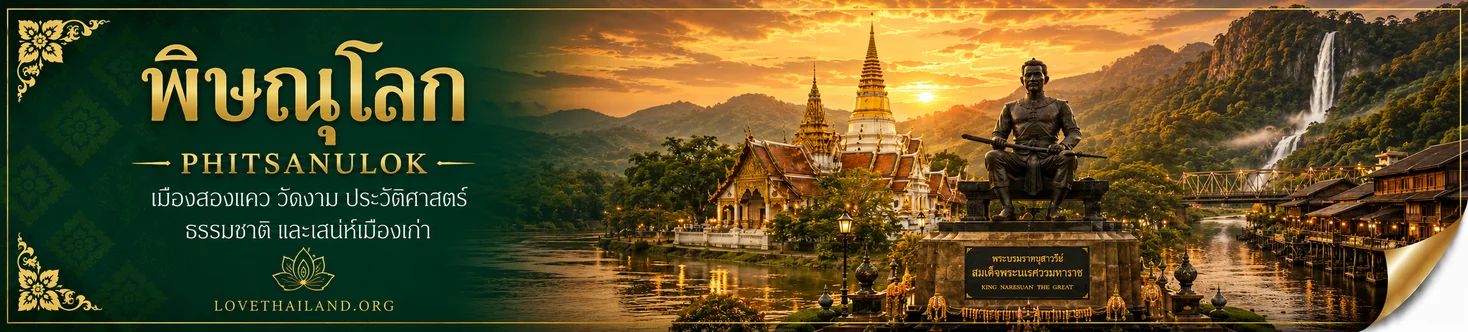
Ban Nam Juang-Thap Si
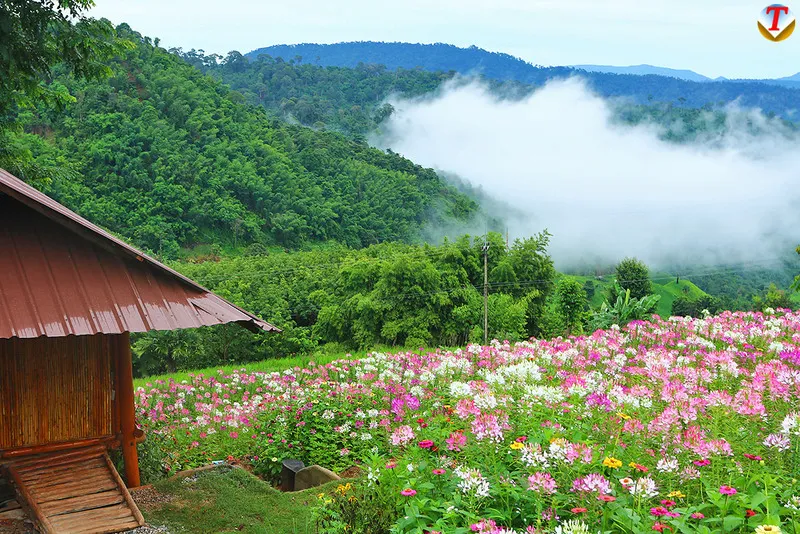
Open Days: Daily
Opening Hours: Daytime Travel Recommended
Ban Nam Juang-Thap Si is a mountain community and nature-based travel destination in Bo Phak Subdistrict, Chat Trakan District, Phitsanulok Province. Hidden among high mountains near the border area between Phitsanulok, Uttaradit, and Laos, the village offers a rare combination of Hmong culture, cool mountain weather, terraced rice fields, waterfalls, homestays, camping areas, local food, and forest trails. It is an ideal destination for travelers who want to experience rural northern Thailand beyond the usual city temples and mainstream attractions.
The village is part of a highland landscape connected with the same mountain range as Phu Soi Dao, an area known for its natural richness, misty scenery, and forest ecosystems. Traveling to Ban Nam Juang feels like gradually leaving the city behind and entering a quieter mountain world. The air becomes cooler, the road becomes more scenic, and the rhythm of life slows down. For foreign travelers, this is one of the most meaningful ways to understand Phitsanulok as more than a historic city; it is also a province of mountains, ethnic communities, forests, waterfalls, and local wisdom.
Ban Nam Juang is home to Hmong people who continue to preserve many aspects of their identity, including language, food, agricultural practices, clothing, community traditions, and highland ways of living. The village is not a staged attraction. It is a real living community where tourism grows from local landscapes, farming, seasonal festivals, and the hospitality of local residents. Visitors who come with respect will experience not only beautiful views, but also the relationship between people, land, food, and mountains.
One of the most attractive natural sites in the area is Tat Pla Khao Waterfall. This small but charming waterfall flows through rocks in a peaceful forest setting. It is suitable for photography, short nature walks, relaxation, and enjoying the sound of running water. The waterfall is not overwhelming in scale, but its value lies in its natural atmosphere and accessibility. Visitors can spend time here without needing a difficult trek, making it suitable for families, small groups, and travelers who enjoy gentle nature experiences.
Another waterfall in the community is Tat Pla Kang Waterfall, which is especially beautiful during the rainy season when the forest becomes lush and the water flow is stronger. Together, Tat Pla Khao and Tat Pla Kang give Ban Nam Juang a refreshing natural character. They are good examples of why this village should not be visited only for mountain views. The area also has streams, rocks, forest edges, and small ecosystems that reveal the richness of the highland environment.
Thap Si Learning Center and local community accommodations are important bases for visitors who want to stay overnight. The accommodation style is simple, close to nature, and connected with the village atmosphere. Visitors may find homestays, bamboo-style houses, camping areas, dining spaces, and basic facilities such as bedding, bathrooms, and warm blankets depending on the selected accommodation. The main appeal is not luxury, but the experience of waking up in a mountain village, breathing cool air, and seeing mist floating across the valleys.
Food is one of the most memorable parts of a visit to Ban Nam Juang. Local meals often use fresh vegetables from highland farms, herbs, and simple Hmong-style cooking. Dishes such as boiled vegetables with chili paste and herbal chicken soup reflect the way local people eat in a cool mountain environment. The flavors are fresh, direct, and connected to the land. For travelers, eating local food here is not just a meal; it is an introduction to the community’s agricultural life and traditional knowledge.
The village landscape includes terraced fields, vegetable plots, flower gardens, and mountain-view camping spaces. During the rainy season, the rice terraces turn bright green. Later in the season, some fields change to golden tones. These seasonal changes create different travel experiences throughout the year. Photographers will find many natural subjects here: mist, rice fields, village paths, wooden houses, waterfalls, vegetables, mountain ridges, and morning light.
Forest trekking is another highlight of Ban Nam Juang-Thap Si. The route toward Khao Sam Laem is suitable for adventurous visitors who want a deeper connection with the landscape. Local guides or forest experts can lead the way and explain plants, rocks, herbs, wildlife signs, and stories connected with the area. This type of trekking is not only physical activity. It is also a way to learn from local knowledge and understand how the Hmong community has lived with the mountains for generations.
Travelers who plan to hike should prepare carefully. Comfortable walking shoes, drinking water, rain protection, insect repellent, and a local guide are strongly recommended. During the rainy season, some trails may become slippery or difficult. Visitors should not enter forest routes alone or ignore local advice. Respecting local guidance helps protect both traveler safety and the natural environment.
The best time to visit depends on the kind of experience travelers want. The cool season from late October to March is ideal for mist, cool air, camping, and relaxed mountain views. The rainy season is excellent for lush green scenery, strong waterfalls, and terraced rice fields. Around the transition from the rainy season to the cool season, the rice fields may become golden, creating one of the most photogenic periods of the year. Each season offers a different side of the village.
Ban Nam Juang is also connected with Hmong cultural events and seasonal traditions. In some periods, visitors may experience community activities such as Hmong New Year or harvest-related celebrations. These events may include traditional clothing, local games, food, music, and cultural performances. Such activities help visitors understand that the village is not only a scenic destination, but also a cultural landscape shaped by memory, agriculture, belief, and community ties.
For travelers interested in community-based tourism, Ban Nam Juang is a good example of how tourism can support local people when managed carefully. Staying in local accommodation, eating community food, hiring local transport, using local guides, and buying community products all help distribute income directly to residents. At the same time, visitors should help protect the area by not littering, not damaging fields, not entering private property without permission, and not disturbing the quiet village atmosphere.
Getting There is most convenient by private car or rental car. From Phitsanulok city, travelers head toward Chat Trakan District and Bo Phak Subdistrict before continuing to Ban Nam Juang. The real driving distance from Phitsanulok city is about 150 kilometers and usually takes around 2-3 hours depending on road and weather conditions. From Bangkok, the total distance is about 489 kilometers and can take around 7 hours. Travelers should drive during the daytime, check fuel, brakes, tires, and weather before departure.
The main route to the village can be reached by following the road toward the Phu Soi Dao area, then turning toward Ban Nam Khap and Ban Nam Juang. Some sections include paved roads, concrete roads, and mountain roads. During the rainy season, certain routes around the village may be more suitable for pickup trucks or local vehicles. Hiring a local village vehicle for sightseeing can be both safer and beneficial for the community.
Ban Nam Juang-Thap Si is better experienced as an overnight trip rather than a quick day visit. The most beautiful moments often happen in the evening, at night, and early in the morning. Travelers can enjoy sunset over the mountains, local dinner, cool night air, stars, and morning mist. Staying overnight allows visitors to feel the rhythm of the village and understand why this place has become known for slow travel and meaningful nature experiences.
Accommodation options include Thap Si Learning Center, community homestays, camping areas, and private local stays such as Rai Kiang Dao. Booking in advance is recommended, especially during the cool season, long holidays, and the rice-terrace season. Direct contact with the accommodation or local tourism group helps visitors receive current information about road conditions, food arrangements, local tours, and what to prepare.
Visitors should bring warm clothing, rain gear, comfortable shoes, personal medicine, a flashlight, a power bank, cash, and reusable bags. Mobile signal and online payment may not be reliable in every part of the mountain area. Travelers should also carry out their own waste, respect village rules, and ask permission before photographing people, homes, or private farming areas.
For photographers, Ban Nam Juang offers a wide range of visual stories. Morning mist, terraced fields, waterfalls, village paths, mountain homes, vegetable farms, Hmong culture, and golden light over the hills all make the destination memorable. The best approach is to travel slowly, observe carefully, and let the landscape reveal itself naturally. This is not a place to rush through; it is a place to experience with patience and respect.
In summary, Ban Nam Juang-Thap Si is one of Phitsanulok’s most rewarding community-based nature destinations. It combines waterfalls, rice terraces, Hmong culture, mountain homestays, local food, forest trekking, and cool highland scenery in one journey. For foreign travelers seeking an authentic rural Thai mountain experience, this village offers far more than a viewpoint. It offers a living connection between people, nature, culture, and the quiet beauty of the northern highlands.
| Name | Ban Nam Juang-Thap Si |
| Location | Ban Nam Juang, Bo Phak Subdistrict, Chat Trakan District, Phitsanulok Province |
| Address | Ban Nam Juang, Bo Phak Subdistrict, Chat Trakan District, Phitsanulok 65170, Thailand |
| Coordinates | Approximate longitude 100.67489710728789, Bo Phak Subdistrict, Chat Trakan District, Phitsanulok Province |
| Highlights | Hmong mountain village, Tat Pla Khao Waterfall, Tat Pla Kang Waterfall, terraced rice fields, Thap Si Learning Center, camping, local food, and Khao Sam Laem forest trek |
| History | A Hmong highland community in Bo Phak Subdistrict that has developed nature-based and community-based tourism through local landscapes, farming culture, and ethnic identity |
| Distinctive Features | A village in a mountain valley with cool air, mist, terraced fields, vegetable farms, waterfalls, and preserved Hmong cultural identity |
| Recommended Activities | Morning mist viewing, waterfall visits, rice terrace photography, homestay, camping, Khao Sam Laem trekking, local food tasting, and Hmong cultural learning |
| Travel Information | About 150 km from Phitsanulok city by real driving route, taking around 2-3 hours; private car or rental car is recommended, with daytime travel preferred |
| Current Status | Active community-based nature destination in Bo Phak Subdistrict, welcoming travelers interested in Hmong culture, homestays, waterfalls, rice terraces, and mountain scenery |
| Open Days | Daily |
| Opening Hours | Daytime travel recommended; overnight stays should be arranged with the community or accommodation in advance |
| Facilities | Community accommodation, homestays, camping areas, bathrooms, local food, viewpoints, local transport, and local guides for selected activities |
| Main Areas / Zones | Thap Si Learning Center, Tat Pla Khao Waterfall, Tat Pla Kang Waterfall, Ban Nam Juang rice terraces, royal initiative reservoir, Khao Sam Laem trekking route, and Hmong community area |
| Caretaker / Related Authorities | Ban Nam Juang community-based tourism group, Bo Phak Subdistrict Administrative Organization, and local community tourism operators |
| Main Contact Number | Bo Phak SAO Tel. 055-009855, 093-1367771 Ban Nam Juang Community Tourism Group Tel. 063-0676100 Phu Thap Si Ban Nam Juang Tel. 088-5422237, 093-4488489 |
| Nearby Tourist Attractions | 1. Thap Si Learning Center, Ban Nam Juang, about 0 km 2. Tat Pla Khao Waterfall, about 1 km 3. Tat Pla Kang Waterfall, about 2 km 4. Ban Nam Juang Royal Initiative Reservoir, about 3 km 5. Ban Nam Juang Rice Terraces, about 3 km 6. Ban Nam Khap, about 6 km 7. Phu Soi Dao National Park, about 55 km |
| Nearby Restaurants | 1. Thap Si Learning Center Community Kitchen, about 0 km, Tel. 088-5422237 2. Phu Thap Si Accommodation Kitchen, about 0 km, Tel. 093-4488489 3. Ban Nam Juang Local Community Restaurants, about 1 km 4. Ban Nam Khap Local Restaurants, about 6 km 5. Local Restaurants in Bo Phak Subdistrict, about 20 km |
| Nearby Accommodations | 1. Thap Si Learning Center Ban Nam Juang, about 0 km, Tel. 088-5422237 2. Phu Thap Si Homestay Ban Nam Juang, about 0 km, Tel. 093-2693939 3. Rai Kiang Dao Ban Nam Juang, about 2 km, Tel. 065-0593465 4. Ban Nam Juang Community Camping Area, about 1 km, Tel. 063-0676100 5. Ban Nam Juang Community Homestays, about 1-3 km, contact Bo Phak SAO Tel. 055-009855, 093-1367771 |
Frequently Asked Questions (FAQ)
Q: Where is Ban Nam Juang-Thap Si located?
A: Ban Nam Juang-Thap Si is located in Bo Phak Subdistrict, Chat Trakan District, Phitsanulok Province, in a highland Hmong community near the Phu Soi Dao mountain range and the Thai-Lao border area.
Q: What are the main highlights of Ban Nam Juang-Thap Si?
A: Highlights include Thap Si Learning Center, Tat Pla Khao Waterfall, Tat Pla Kang Waterfall, terraced rice fields, morning mist, Hmong culture, community accommodation, camping, and local mountain food.
Q: When is the best time to visit Ban Nam Juang?
A: The late rainy season to cool season is ideal for mist and cool weather. The rainy season is excellent for green rice terraces and waterfalls, while around October some rice fields may turn golden.
Q: Can visitors stay overnight in Ban Nam Juang?
A: Yes. Visitors can stay at community accommodation, homestays, camping areas, and local stays such as Thap Si Learning Center and Rai Kiang Dao. Advance booking is recommended.
Q: What kind of vehicle is suitable for traveling to Ban Nam Juang?
A: The main route can be reached by private car or rental car, but some local sightseeing routes may require a pickup truck or a local village vehicle, especially during the rainy season.
Q: Who should visit Ban Nam Juang-Thap Si?
A: It is suitable for nature lovers, photographers, trekkers, families, couples, slow travelers, and visitors interested in Hmong culture, local food, and community-based tourism.
Q: Is trekking available in Ban Nam Juang?
A: Yes. Routes such as Khao Sam Laem are available for visitors who want a deeper forest experience. A local guide is recommended for safety and local interpretation.
Q: What should travelers prepare before visiting?
A: Travelers should bring warm clothing, rain protection, comfortable shoes, personal medicine, a flashlight, a power bank, cash, and should contact accommodation or the local community before departure for current road and service information.
 Category: ●Suburban Living
 Group: ●Village, Community
Last Update : 4 MonthAgo
 Last Update : 4 MonthAgo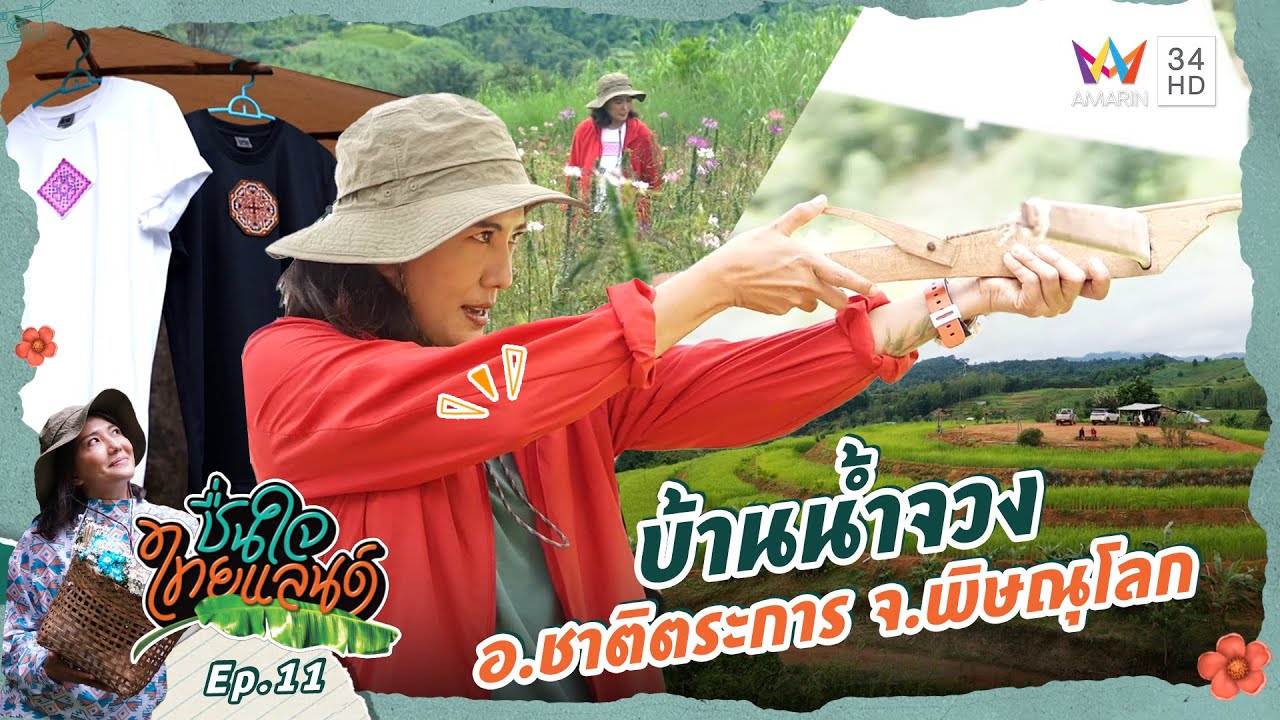
 Click to Access the Navigation Map GPS
Ban Nam Juang-Thap Si Map
Recommend

 Art, Culture and Heritage
 Historical Sites and Monuments(1)
 Landmarks and Memorials(2)
 Art, Craft Centres, Tradition(3)
 Museums(3)
 Educational Places
 Educational Gardens, Farm(1)
 Places of Worship
 Temple(29)
 Mosque(1)
 Other Sacred Sites(3)
 Research and Development
 Royal Project(1)
Village, Community(1)
Royal Project(1)
Village, Community(1)
 Nature and Wildlife
 National Parks and Marine Reserves(7)
 Mountain (Doi)(4)
 Dam, Reservoir, Lake(5)
 Waterfalls(19)
 Caves(3)
 River, Canal(9)
 Other natural attractions(1)
 Entertainment and Agricultural
 Farms, Parks and Ecotourism(2)
 Outdoor and Adventure Activities(1)


