
lovethailand home >North Travel Attractions >Phitsanulok Travel Attractions >Bang Rakam >Chum Saeng Songkhram > Wat Nong Phayom
TL;DR: Wat Nong Phayom is located at Village No. 4, Chum Saeng Songkhram Subdistrict, Bang Rakam District, Phitsanulok Province, open Daily, hours 08.00 – 17.00.
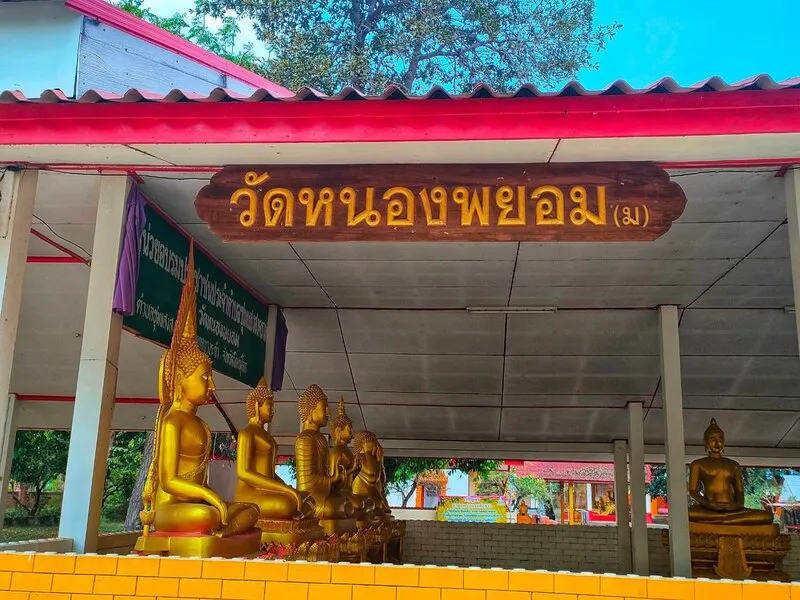
Wat Nong Phayom
Open Days: Daily
Opening Hours: 08.00 – 17.00
Wat Nong Phayom in Phitsanulok Province is a public Buddhist temple under the Mahanikaya order, located in Village No. 4, Chum Saeng Songkhram Subdistrict, Bang Rakam District. It is one of the most meaningful temples for the local community because it enshrines Luang Pho Khao, a sacred Buddha image deeply respected by villagers and devotees. People come to pay homage, make wishes, seek blessings, and find peace of mind. The temple is not only a place for Buddhist practice, but also a spiritual center that reflects the close relationship between faith, local traditions, and community life in rural Phitsanulok.
Wat Nong Phayom is located in Bang Rakam District, an old area of Phitsanulok known for its agricultural communities, waterways, and rural way of life. Chum Saeng Songkhram Subdistrict has long been connected with local settlement, farming, and community traditions. Within this setting, Wat Nong Phayom developed as a village temple that grew together with the people around it. Its atmosphere remains peaceful, simple, and welcoming, allowing visitors to experience both Buddhist devotion and the everyday rhythm of a local Thai community.
Historically, Wat Nong Phayom was established in B.E. 2460 and received its royal ordination boundary on 23 March B.E. 2533. This marks the temple’s gradual development from a local merit-making place into a more established Buddhist institution capable of supporting formal monastic activities and religious ceremonies. The temple’s status as a long-standing community temple confirms its importance in the spiritual and cultural life of Chum Saeng Songkhram.
The main sacred image of Wat Nong Phayom is Luang Pho Khao. This revered Buddha image is regarded as the spiritual heart of the temple. Devotees come to pray for good fortune, family protection, safety, inner peace, and success in life. The faith surrounding Luang Pho Khao has been passed down through generations, turning the image into a shared symbol of confidence, comfort, and protection for local residents. For visitors, paying respect to Luang Pho Khao offers a meaningful glimpse into how sacred images continue to play an important role in Thai Buddhist life.
Paying homage to Luang Pho Khao is a simple yet deeply personal experience. Visitors may offer flowers, light incense, make merit, or sit quietly in prayer. The act of worship is not only about asking for blessings; it is also a moment for reflection, self-composure, and spiritual grounding. In this way, the temple helps people reconnect with Buddhist values such as mindfulness, kindness, patience, and gratitude. The faith of the community continues to keep Wat Nong Phayom active and meaningful.
In addition to Luang Pho Khao, the temple also houses several Buddha images in different postures. Each image reflects Buddhist artistic values and religious meaning. These Buddha images are not merely objects of worship, but also reminders of Dhamma, moral conduct, and the importance of doing good. Walking through the temple and observing these images allows visitors to appreciate both the spiritual and cultural dimensions of Thai Buddhist art.
The different Buddha postures within Wat Nong Phayom also help visitors understand the symbolic richness of Buddhist imagery. Some postures refer to important events in the life of the Buddha, while others represent compassion, peace, or victory over inner defilements. The details of each image, including the facial expression, hand gesture, base, and placement, invite quiet observation. The temple is best experienced slowly, with enough time to absorb the calm atmosphere and spiritual meaning of the place.
Another important devotional point inside the temple is the image of Lord Ganesha, widely respected as a deity associated with wisdom, success, and the removal of obstacles. Visitors often pray to Ganesha for help with study, work, business, and new beginnings. The presence of Ganesha at Wat Nong Phayom reflects the way Thai religious culture can harmoniously combine Buddhist practice with auspicious devotional beliefs. Many visitors first pay respect to Luang Pho Khao and then continue to offer prayers to Ganesha for encouragement and success.
The devotion to Ganesha at Wat Nong Phayom has a clear emotional meaning for many worshippers. People often come during times of change, uncertainty, or important life decisions. The peaceful setting of the temple gives them space to gather their thoughts and strengthen their determination. While success ultimately depends on one’s effort and responsibility, a sacred place such as Wat Nong Phayom can provide encouragement, confidence, and inner support.
Wat Nong Phayom is also connected with community religious events and annual merit-making traditions. One important event is the annual gilding ceremony for Luang Pho Khao, when villagers and devotees gather to make merit, apply gold leaf, pay homage, and participate in a local temple fair atmosphere. Such events are important because they allow people to support the temple, maintain shared traditions, and strengthen relationships within the community.
The act of applying gold leaf to a sacred Buddha image has deep meaning in Thai Buddhist culture. It is a way of expressing reverence, offering devotion, and participating in the preservation of Buddhism. When many people gather to gild Luang Pho Khao, individual faith becomes a collective act of community support. This is one reason Wat Nong Phayom remains alive as a religious and cultural center rather than simply an old temple building.
The atmosphere of Wat Nong Phayom is calm, shaded, and modest. It is not a crowded tourist site, but a temple where visitors can slow down, make merit, meditate, and experience a sense of peace. The simplicity of the surroundings helps people focus on the spiritual purpose of visiting a temple: to calm the mind, cultivate mindfulness, and reconnect with what is meaningful. For travelers who appreciate quiet cultural places, Wat Nong Phayom offers an authentic and peaceful experience.
For cultural travelers, Wat Nong Phayom clearly reflects the role of temples in Thai community life. A temple like this serves not only as a religious place, but also as a gathering space, a site of tradition, a place for teaching values, and a bridge between generations. Visiting Wat Nong Phayom helps foreign travelers understand why temples remain central to rural Thai society. They are places where people make merit, celebrate traditions, mourn, learn, and support one another.
Chum Saeng Songkhram and Bang Rakam District also offer a wider cultural and natural context. The area includes old communities, agricultural scenery, local temples, waterways, and leisure spots such as Bueng Takhreng, a large freshwater lake in Bang Rakam. Travelers can plan a short local route beginning with worship at Wat Nong Phayom, followed by nearby temples, local food, and a relaxing visit to natural attractions in the district.
Getting There is most convenient by private car or rental car. From Phitsanulok city, travel toward Bang Rakam District and continue to Chum Saeng Songkhram Subdistrict, Village No. 4, Ban Nong Phayom. The temple is located in a local community area, so drivers should proceed carefully on village roads. Travelers using public transport should first reach Bang Rakam town and then arrange local transport to the temple. If planning to continue to Bueng Takhreng or other nearby attractions, it is best to allow enough travel time within the district.
Visitors should dress modestly, speak quietly, and respect sacred areas within Wat Nong Phayom. If a ceremony or local event is taking place, visitors should keep a respectful distance and avoid disturbing the proceedings. Photography should be done thoughtfully, especially near worship areas and during religious activities. Respectful behavior helps preserve the peaceful atmosphere of the temple and shows consideration for the local community.
Wat Nong Phayom is therefore a worthwhile temple to visit in Phitsanulok, especially for those who wish to pay homage to Luang Pho Khao, worship Ganesha, view Buddhist images, and experience a calm local temple atmosphere. Its beauty does not come from grandeur, but from sincere faith, living traditions, and the warmth of a temple that continues to serve as the spiritual heart of the community. For travelers seeking a quiet and meaningful cultural stop in Bang Rakam District, Wat Nong Phayom offers a deeply authentic experience.
| Name | Wat Nong Phayom |
| Location | Village No. 4, Chum Saeng Songkhram Subdistrict, Bang Rakam District, Phitsanulok Province |
| Address | Ban Nong Phayom, Village No. 4, Chum Saeng Songkhram Subdistrict, Bang Rakam District, Phitsanulok 65240, Thailand |
| Type | Public Buddhist temple under the Mahanikaya order |
| Highlights | Luang Pho Khao, a sacred Buddha image revered by the local community, several Buddha images in different postures, and a devotional image of Lord Ganesha |
| History | Established in B.E. 2460 and granted its royal ordination boundary on 23 March B.E. 2533 |
| Distinctive Features | A long-standing community temple of Chum Saeng Songkhram, known as a spiritual center for local residents |
| Main Sacred Images | Luang Pho Khao and the devotional image of Lord Ganesha |
| Related Traditions | Annual gilding ceremony for Luang Pho Khao, Buddhist holy day merit-making, and community meditation activities |
| Travel Information | From Phitsanulok city, travel toward Bang Rakam District and continue to Chum Saeng Songkhram Subdistrict, Ban Nong Phayom. Private car, rental car, or local transport from Bang Rakam town is recommended |
| Current Status | An active Buddhist temple, a place for paying respect to Luang Pho Khao, and a spiritual center for Chum Saeng Songkhram community |
| Open Days | Daily |
| Opening Hours | 08.00 – 17.00 |
| Fees | No admission fee |
| Facilities | Temple grounds, worship area for Luang Pho Khao, religious activity areas, and community ceremony space |
| Main Areas / Zones | Luang Pho Khao worship area, Buddha images in different postures, Lord Ganesha devotional area, and Buddhist ceremony spaces |
| Abbot / Caretaker | Phra Khru Wibun Sitthitham (Boonchai Chanthammo) |
| Nearby Tourist Attractions | 1. Wat Sunthorn Pradit, about 14 km 2. Wat Plak Raet, about 15 km 3. Wat Pho Thong Bang Rakam, about 16 km 4. Bueng Takhreng, about 18 km 5. Splash Fun Park Phitsanulok, about 33 km 6. Wat Phra Si Rattana Mahathat Woramahawihan, about 42 km |
| Nearby Restaurants | 1. Kai Yang Tamo, about 12 km 2. Ba Rakam Sahachai Crab Wonton Noodles, about 14 km 3. S. Mahachai Gold Chicken Rice, about 14 km 4. Kuay Jub Bang Rakam, about 15 km 5. Baan Suan Cafe Bang Rakam, about 18 km, Tel. 099-785-6597 |
| Nearby Accommodations | 1. Rabiang Sai Resort Bang Rakam, about 15 km, Tel. 098-851-5159 2. Sukhwimon Place, about 43 km 3. B2 Phitsanulok Boutique & Budget Hotel, about 45 km 4. Blue River Resort, about 45 km 5. Pattara Resort & Spa, about 47 km |
Frequently Asked Questions (FAQ)
Q: Where is Wat Nong Phayom located?
A: Wat Nong Phayom is located in Village No. 4, Chum Saeng Songkhram Subdistrict, Bang Rakam District, Phitsanulok Province. It is a public Buddhist temple under the Mahanikaya order.
Q: What are the main sacred objects at Wat Nong Phayom?
A: The main sacred object is Luang Pho Khao, a revered Buddha image. The temple also has a devotional image of Lord Ganesha and several Buddha images in different postures.
Q: Why do people pay respect to Luang Pho Khao?
A: People pay respect to Luang Pho Khao for blessings, peace of mind, family protection, and spiritual encouragement. The image is the heart of local faith in Chum Saeng Songkhram.
Q: Does Wat Nong Phayom have an annual ceremony?
A: Yes. The temple holds an annual gilding ceremony for Luang Pho Khao, allowing villagers and devotees to make merit, apply gold leaf, and preserve local Buddhist traditions.
Q: Who is the abbot of Wat Nong Phayom?
A: The abbot is Phra Khru Wibun Sitthitham (Boonchai Chanthammo), an important ecclesiastical monk in Bang Rakam District.
Q: What are the opening hours of Wat Nong Phayom?
A: Wat Nong Phayom is open daily from 08.00 to 17.00. Visitors should dress modestly and behave respectfully inside the temple grounds.
Q: What nearby attractions can travelers visit after Wat Nong Phayom?
A: Nearby places include Wat Sunthorn Pradit, Wat Plak Raet, Wat Pho Thong Bang Rakam, Bueng Takhreng, Splash Fun Park Phitsanulok, and Wat Phra Si Rattana Mahathat Woramahawihan.
 Category: ●Places of Worship
 Group: ●Temple
Last Update : 3 MonthAgo
 Last Update : 3 MonthAgo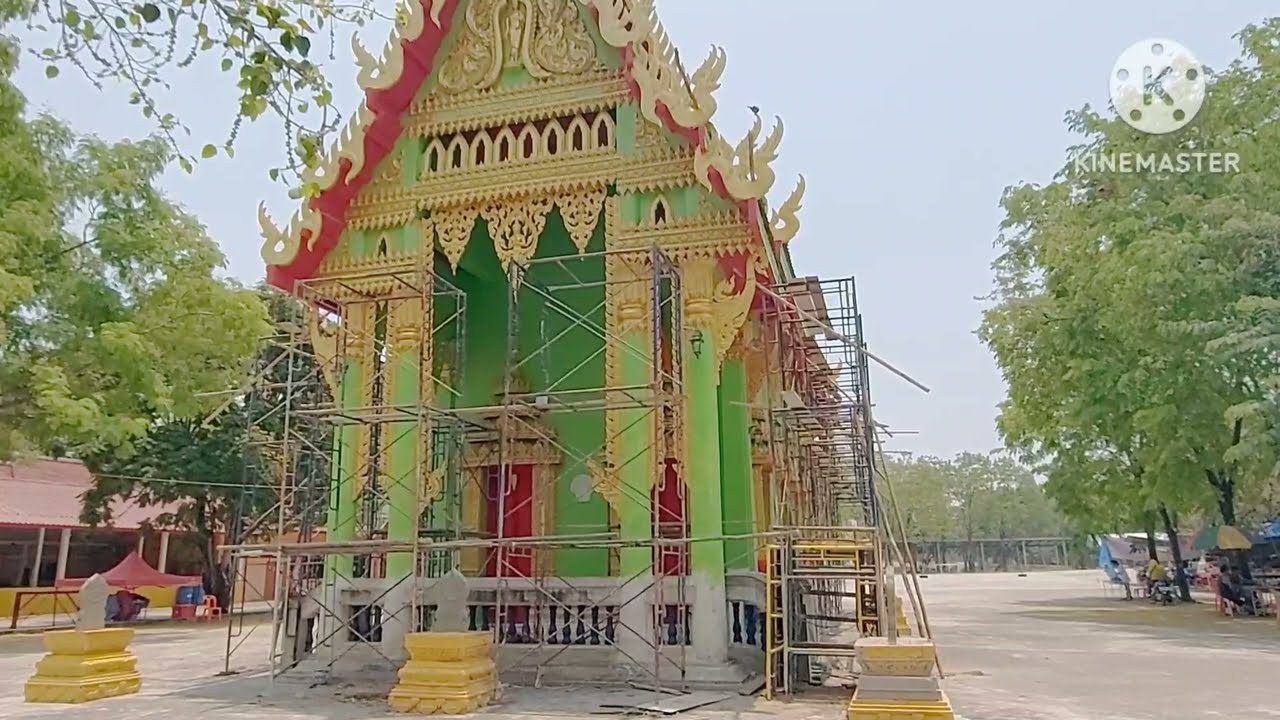
 Click to Access the Navigation Map GPS
Wat Nong Phayom Map
Recommend

 Art, Culture and Heritage
 Historical Sites and Monuments(1)
 Landmarks and Memorials(2)
 Art, Craft Centres, Tradition(3)
 Museums(3)
 Educational Places
 Educational Gardens, Farm(1)
Temple(29)
Educational Gardens, Farm(1)
Temple(29)
 Mosque(1)
 Other Sacred Sites(3)
 Research and Development
 Royal Project(1)
 Suburban Living
 Village, Community(1)
 Nature and Wildlife
 National Parks and Marine Reserves(7)
 Mountain (Doi)(4)
 Dam, Reservoir, Lake(5)
 Waterfalls(19)
 Caves(3)
 River, Canal(9)
 Other natural attractions(1)
 Entertainment and Agricultural
 Farms, Parks and Ecotourism(2)
 Outdoor and Adventure Activities(1)


