
lovethailand home >North Travel Attractions >Phitsanulok Travel Attractions >Nakhon Thai >Ban Phrao > Wat Ban Phrao
TL;DR: Wat Ban Phrao is located at Village No. 5, Ban Phrao Subdistrict, Nakhon Thai District, Phitsanulok Province, open Daily, hours 08.00 – 17.00.
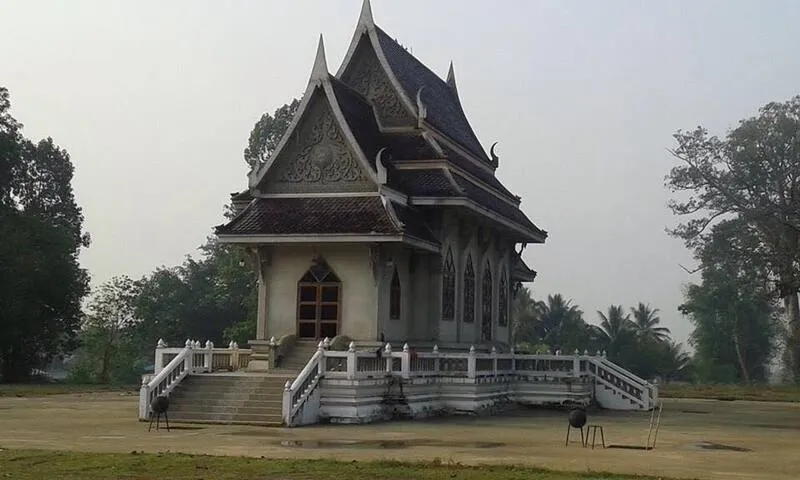
Wat Ban Phrao
Open Days: Daily
Opening Hours: 08.00 – 17.00
Wat Ban Phrao is a local Buddhist temple located in Village No. 5, Ban Phrao Subdistrict, Nakhon Thai District, Phitsanulok Province. It is a public temple under the Mahanikaya order and serves as an important spiritual and social center for the Ban Phrao community. Set on elevated ground and surrounded by rice fields, local homes, and the rural landscape of Nakhon Thai, the temple offers a calm and shaded atmosphere suitable for merit-making, chanting, meditation, and quiet cultural visits. Its value lies not in grand decoration, but in its role as a living village temple where Buddhism, community life, and nature remain closely connected.
The temple occupies an area of about 28 rai. Because it is located on a raised site, Wat Ban Phrao has an open and peaceful setting. The surrounding landscape connects the temple with private land, farmland, and the everyday life of local residents. This environment gives the temple a distinctly rural character. Visitors can sense that Wat Ban Phrao is not separated from the village; rather, it is part of the daily rhythm of the community. It is a place where people come to make merit, join ceremonies, listen to Dhamma teachings, and maintain Buddhist traditions together.
Wat Ban Phrao takes its name from the village itself, showing its close relationship with the local community. The temple was established through the cooperation and faith of local villagers who wanted a place for religious practice, merit-making, and community ceremonies. For generations, the temple has helped strengthen unity among residents by serving as a shared space for Buddhist rituals, social gatherings, and the transmission of Thai cultural values. In this sense, Wat Ban Phrao is not only a religious site, but also a cultural anchor for the village.
The temple buildings were constructed and improved to support religious activities properly. The main assembly hall measures 12 meters wide and 28 meters long. It was built in B.E. 2524 and is used for merit-making, religious gatherings, community meetings, and Dhamma learning. This hall plays an important role in connecting the monks with the villagers, especially during Buddhist holy days and local ceremonies. It is one of the most important spaces in the temple compound because it supports both religious and community functions.
The chanting hall was built in B.E. 2522. It measures 5 meters wide and 10 meters long and provides a quiet place for monks and laypeople to chant, meditate, and practice Dhamma. The building reflects the temple’s role as a place of spiritual training, not merely as a place for occasional ceremonies. Visitors who come to Wat Ban Phrao can experience a simple, sincere form of village Buddhism that remains part of everyday life in rural Phitsanulok.
Wat Ban Phrao also has 4 monks’ residences, built in wood and reflecting the simplicity of traditional Thai village architecture. These wooden structures add warmth and authenticity to the temple environment. Their modest design harmonizes with the surrounding fields and village setting. The arrangement of the temple buildings supports the daily life of resident monks, religious practice, and the participation of villagers who come to make merit or join temple activities.
The temple continues to have monks in residence who carry out Buddhist duties, guide local people in Dhamma practice, and help maintain the religious life of the village. The current abbot of Wat Ban Phrao is Phra Khru Phibun Thammawong (Sano Thammawangso), who also holds the ecclesiastical position of District Ecclesiastical Chief of Nakhon Thai. The abbot’s role is important for temple administration, monastic discipline, community coordination, and the continuation of religious activities within the temple.
Older records of the temple mention Phra Athikan Charoen Thanacharo, who served as abbot from B.E. 2513 onward and played an important role in caring for the temple, supporting religious activities, and helping develop its buildings. This historical detail shows the continuity of leadership and community support at Wat Ban Phrao. Over time, the temple developed from a village merit-making place into a more established religious center with buildings and facilities for both monks and laypeople.
The importance of Wat Ban Phrao comes from its everyday role in the community. It is used for merit-making on Buddhist holy days, annual traditions, Dhamma listening, funeral and memorial rites, and other ceremonies connected with village life. The temple gives local people a place to gather, support one another, and preserve shared traditions. For foreign travelers, visiting Wat Ban Phrao provides an opportunity to understand how a rural Thai temple functions as both a spiritual center and a social institution.
The natural atmosphere around Wat Ban Phrao is one of its most appealing qualities. The elevated location, open surroundings, rice fields, and village scenery create a peaceful environment for reflection. The temple does not rely on elaborate decoration to impress visitors. Instead, its charm comes from simplicity, quietness, and its close connection with the land and people around it. This makes Wat Ban Phrao suitable for travelers who appreciate authentic local temples rather than highly commercial tourist sites.
For cultural travelers, Wat Ban Phrao can be part of a broader journey through Nakhon Thai District. Nearby places such as Nakhon Thai Town Museum, the Pho Khun Si Inthrathit or Pho Khun Bang Klang Thao Monument, Wat Klang, Wat Na Phra That, Kaeng Sopha Waterfall, and Phu Hin Rong Kla National Park help visitors understand the district through history, Buddhist heritage, village life, and mountain nature. This route is suitable for travelers who want a slower and deeper experience of Phitsanulok beyond the main city area.
Visitors to Wat Ban Phrao can make merit, chant, observe the temple buildings, and experience the peaceful lifestyle of a working rural temple. Proper conduct is important. Travelers should dress modestly, speak quietly, and respect monastic areas, especially around the monks’ residences, chanting hall, and spaces used for religious activities. Visiting during Buddhist holy days or local merit-making events may allow travelers to see how villagers participate in temple life, but visitors should remain respectful and avoid disturbing ceremonies.
Getting There is most convenient by private car or rental car. From Phitsanulok city, travel toward Nakhon Thai District and continue to Ban Phrao Subdistrict. The temple is located in a local village area, so drivers should proceed carefully on community roads. Travelers without private transport can first reach Nakhon Thai town and then arrange local transport to the temple. Those planning to continue to natural attractions such as Kaeng Sopha Waterfall or Phu Hin Rong Kla National Park should allow enough travel time, as some routes are longer and pass through hilly areas.
Wat Ban Phrao represents the quiet strength of a Thai community temple. It is a place for merit-making, Dhamma practice, community participation, and cultural continuity. Although it is not as widely known as major tourist temples, it has deep local value. Visitors who come here can experience a peaceful temple on elevated ground, the rural scenery of Nakhon Thai, and the continuing faith of the Ban Phrao community. For travelers seeking an authentic cultural stop in Phitsanulok, Wat Ban Phrao offers a meaningful and calm experience.
| Name | Wat Ban Phrao |
| Location | Village No. 5, Ban Phrao Subdistrict, Nakhon Thai District, Phitsanulok Province |
| Coordinates | 4QFG+R8F, Ban Phrao Subdistrict, Nakhon Thai District, Phitsanulok 65120, Thailand |
| Type | Public Buddhist temple under the Mahanikaya order |
| Highlights | A peaceful village temple on elevated ground, surrounded by rice fields and the Ban Phrao community, suitable for merit-making and meditation |
| History / Importance | A community temple named after Ban Phrao village, established as a place for merit-making, Buddhist ceremonies, Dhamma learning, and community unity |
| Temple Area | About 28 rai |
| Distinctive Features | Located on a raised site with a main assembly hall, chanting hall, and wooden monks’ residences, reflecting the simplicity of a rural temple in Nakhon Thai |
| Main Buildings | Assembly hall measuring 12 x 28 meters, built in B.E. 2524; chanting hall measuring 5 x 10 meters, built in B.E. 2522; 4 wooden monks’ residences |
| Travel Information | From Phitsanulok city, travel toward Nakhon Thai District and continue to Ban Phrao Subdistrict. Private car, rental car, or local transport from Nakhon Thai town is recommended |
| Current Status | An active Buddhist temple and spiritual center for the Ban Phrao community |
| Open Days | Daily |
| Opening Hours | 08.00 – 17.00 |
| Fees | No admission fee |
| Facilities | Assembly hall, chanting hall, monks’ residences, religious activity areas, and community merit-making spaces |
| Main Areas / Zones | Assembly hall, chanting hall, monks’ residences, merit-making area, and elevated temple grounds |
| Abbot / Caretaker | Phra Khru Phibun Thammawong (Sano Thammawangso) |
| Nearby Tourist Attractions | 1. Nakhon Thai Town Museum, about 13 km 2. Pho Khun Si Inthrathit / Pho Khun Bang Klang Thao Monument, about 13 km 3. Wat Klang Nakhon Thai, about 14 km 4. Wat Na Phra That, about 15 km 5. Kaeng Sopha Waterfall, about 36 km 6. Phu Hin Rong Kla National Park, about 54 km |
| Nearby Restaurants | 1. Homu Cafe Nakhon Thai, about 13 km, Tel. 086-935-9135 2. Krua Khun Rin, about 14 km, Tel. 081-045-6589 3. Krua Ban Phrao Yum 20, about 2 km, Tel. 065-993-9424 4. Duang Jai Restaurant, about 13 km 5. Check in Coffee Nakhon Thai, about 14 km 6. Wanda Cafe, about 14 km |
| Nearby Accommodations | 1. Country Room, about 10 km, Tel. 087-016-2377, 097-284-6136 2. Panya Garden Resort, about 10 km 3. Prem’s Place Nakhon Thai, about 13 km, Tel. 099-154-5144 4. Phet Resort Nakhon Thai, about 15 km, Tel. 081-474-3541 5. Jom Resort Nakhon Thai, about 18 km, Tel. 086-032-4872 |
Frequently Asked Questions (FAQ)
Q: Where is Wat Ban Phrao located?
A: Wat Ban Phrao is located in Village No. 5, Ban Phrao Subdistrict, Nakhon Thai District, Phitsanulok Province. It is a local Buddhist temple under the Mahanikaya order.
Q: What is Wat Ban Phrao known for?
A: The temple is known for its peaceful elevated setting, rural atmosphere, rice-field surroundings, and role as a spiritual center for the Ban Phrao community.
Q: What important buildings are found at Wat Ban Phrao?
A: The temple has an assembly hall, chanting hall, and wooden monks’ residences that support religious activities and community merit-making.
Q: Who is the abbot of Wat Ban Phrao?
A: The current abbot is Phra Khru Phibun Thammawong (Sano Thammawangso), who also serves as the District Ecclesiastical Chief of Nakhon Thai.
Q: What are the opening hours of Wat Ban Phrao?
A: Wat Ban Phrao is open daily from 08.00 to 17.00. Visitors should dress modestly and behave respectfully inside the temple grounds.
Q: How can travelers get to Wat Ban Phrao?
A: The most convenient way is by private car or rental car from Phitsanulok city toward Nakhon Thai District, then continuing to Ban Phrao Subdistrict. Local transport can also be arranged from Nakhon Thai town.
Q: What nearby attractions can be visited after Wat Ban Phrao?
A: Nearby attractions include Nakhon Thai Town Museum, Pho Khun Si Inthrathit Monument, Wat Klang, Wat Na Phra That, Kaeng Sopha Waterfall, and Phu Hin Rong Kla National Park.
 Category: ●Places of Worship
 Group: ●Temple
Last Update : 3 MonthAgo
 Last Update : 3 MonthAgo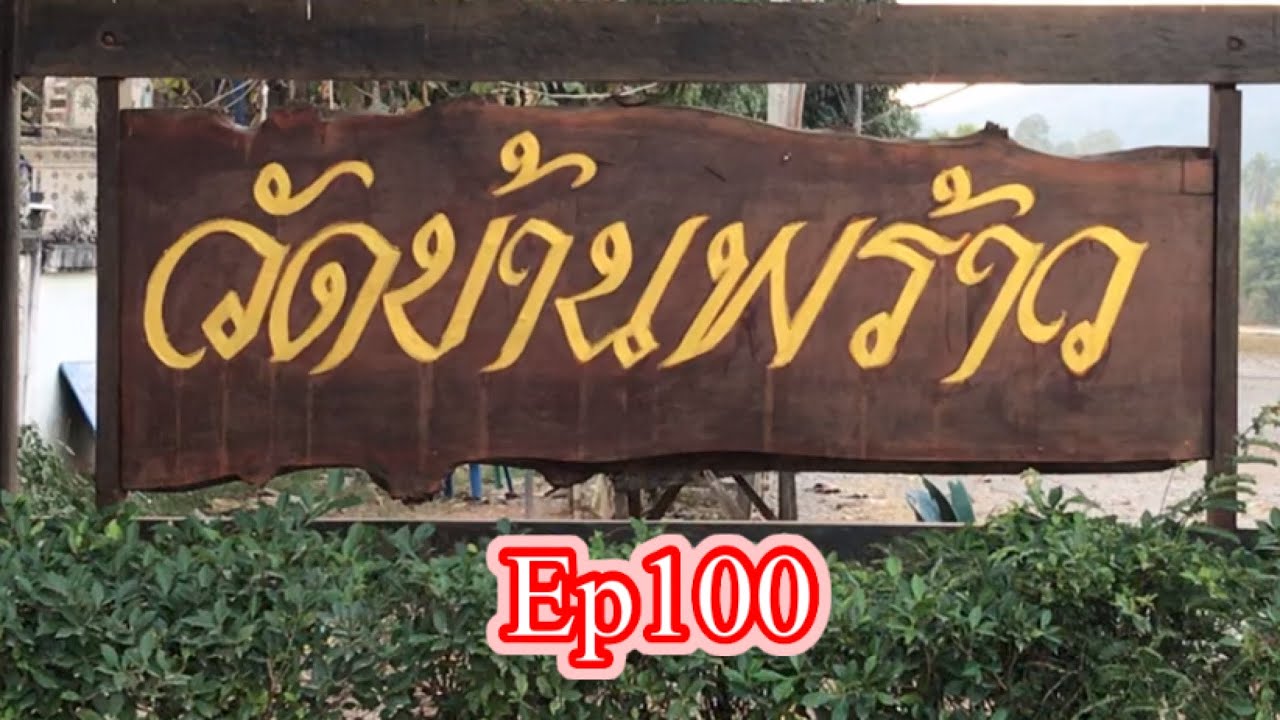
 Click to Access the Navigation Map GPS
Wat Ban Phrao Map
Recommend

 Art, Culture and Heritage
 Historical Sites and Monuments(1)
 Landmarks and Memorials(2)
 Art, Craft Centres, Tradition(3)
 Museums(3)
 Educational Places
 Educational Gardens, Farm(1)
Temple(29)
Educational Gardens, Farm(1)
Temple(29)
 Mosque(1)
 Other Sacred Sites(3)
 Research and Development
 Royal Project(1)
 Suburban Living
 Village, Community(1)
 Nature and Wildlife
 National Parks and Marine Reserves(7)
 Mountain (Doi)(4)
 Dam, Reservoir, Lake(5)
 Waterfalls(19)
 Caves(3)
 River, Canal(9)
 Other natural attractions(1)
 Entertainment and Agricultural
 Farms, Parks and Ecotourism(2)
 Outdoor and Adventure Activities(1)


