
lovethailand home >North Travel Attractions >Phichit Travel Attractions >Muang Phichit >Pak Thang > Wat Ratcha Chang Khwan
TL;DR: Wat Ratcha Chang Khwan is located at Ban Ratcha Chang Khwan, Village No. 1, Pak Thang Subdistrict, Mueang Phichit District, Phichit Province, open Daily, hours 08.00 – 17.00.
Wat Ratcha Chang Khwan
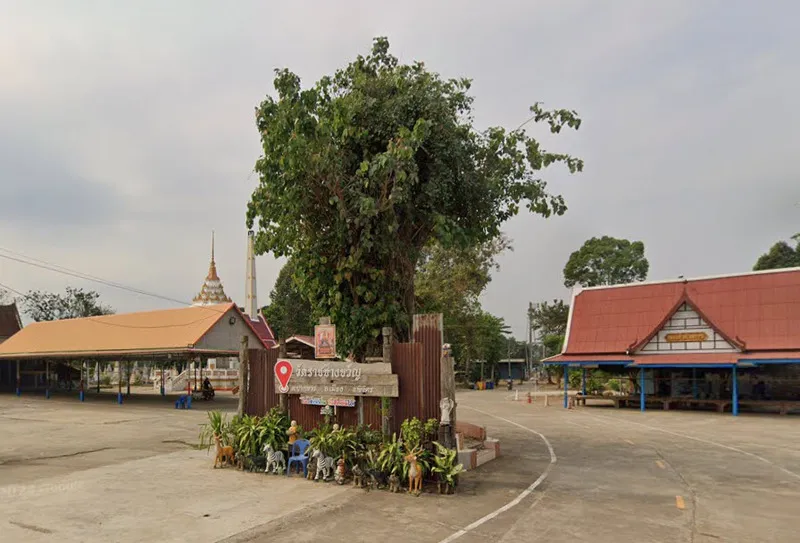
Open Days: Daily
Opening Hours: 08.00 – 17.00
Wat Ratcha Chang Khwan in Phichit Province is an old community temple in Ban Ratcha Chang Khwan, Pak Thang Subdistrict, Mueang Phichit District. The temple has deep historical and cultural importance because its story is connected with war elephants, river routes, community ceremonies, Buddhist ordination, and traditional boat culture. Established in 1767, the temple was originally known as Wat Lat Chom Khwan before becoming Wat Ratcha Chang Khwan, a name that preserves the memory of royal elephants and the ritual of restoring the spirit of war elephants. For travelers interested in local history and living traditions, this temple offers a distinctive view of Phichit beyond ordinary sightseeing.
The location of Wat Ratcha Chang Khwan is important because the area was historically connected with the Nan River and old movement routes. Local accounts describe the site as a place where elephants belonging to the ruler of Phichit were kept and where war elephants were ritually blessed. In old Thai society, elephants were not ordinary animals. They were symbols of strength, royal authority, military power, and state protection. A temple associated with elephants therefore carries meanings that go beyond local worship. It connects the community with older systems of warfare, kingship, and ritual protection.
The original name, Wat Lat Chom Khwan, later changed as the area became remembered for its elephant-related history. The name Ratcha Chang Khwan suggests a connection with royal elephants and the ceremonial calling or restoring of the elephant’s spirit. This kind of name is culturally significant because Thai place names often preserve local memory. In this case, the name of the temple keeps alive the story of elephants, military movement, river access, and ritual life in old Phichit.
The ritual of blessing or restoring the spirit of elephants was meaningful in traditional Thai culture. War elephants were valuable and powerful, but they were also living beings that required care, protection, and ritual attention. Before and after military campaigns, elephants and their mahouts could be involved in ceremonies to bring back strength, courage, protection, and auspiciousness. Wat Ratcha Chang Khwan therefore helps visitors understand that Thai temples in the past were not only centers of Buddhist worship, but also places where community belief, military culture, and local ritual life intersected.
Wat Ratcha Chang Khwan received its consecrated boundary on 1 July 1974 and remains an active local temple under the Mahanikaya order. Located at No. 92, Village No. 1, Ban Ratcha Chang Khwan, Pak Thang Subdistrict, the temple continues to serve as a center for merit-making, Buddhist ceremonies, community activities, Kathin, Pha Pa, and important religious occasions. Its long history gives it strong cultural value, while its continuing use keeps it connected to the daily life of local people.
One of the important activities at Wat Ratcha Chang Khwan is the summer ordination program for monks and novices, usually held between March and April. This tradition is valuable for the community because it allows children, young people, and interested participants to learn Buddhist principles, discipline, chanting, meditation, and simple temple life for a period of time. The program is not only a religious ceremony. It is also a form of moral education that helps families and the community transmit Buddhist values to younger generations.
During the summer ordination period, the temple becomes a place where families, monks, novices, elders, and community members work together. Participants learn to live simply, follow monastic discipline, attend chanting sessions, listen to sermons, and help with temple activities. Families make merit, offer food, prepare ceremonial items, and support the ordination. This makes the program a shared community process rather than a private religious act.
Another distinctive feature of Wat Ratcha Chang Khwan is the shrine of Chao Mae Mongkhon Thong, also known locally as Khwan Mongkhon. This shrine is closely connected with the community’s boat tradition. It functions like a shrine to Mae Ya Nang, the guardian spirit of a boat, and is respected as a protective presence for the village racing boat and its paddlers. In Thai river culture, boats are more than vehicles. They represent community pride, collective identity, courage, and cooperation.
The village boat, Khwan Mongkhon Thong, is a large racing boat associated with the temple and the community. It can carry around 55 paddlers and is treated with deep respect by local residents. People regard the boat almost as a mother of the village because it carries the spirit, pride, and unity of the community into competition. Preparing a racing boat involves many people: paddlers, trainers, boat caretakers, ritual specialists, supporters, and villagers who come to cheer. When Khwan Mongkhon Thong enters a race, it represents more than athletic performance; it carries the identity of the village.
The ceremony to honor Khwan Mongkhon Thong is held every year on 12 August, Thailand’s Mother’s Day, and also on the day before village boat races. The ritual is performed to ask for protection, safety, smooth competition, unity among paddlers, and good results for the community. This tradition reflects the close relationship between people and boats in riverside culture. It also shows how a temple can become the center of both Buddhist activities and local river-based rituals.
The belief in Mae Ya Nang, the guardian spirit of a boat, is found in many Thai communities connected with rivers, fishing, transport, or boat racing. A boat with a name, history, and community role is often treated as a living cultural object. It may have a shrine, offerings, rituals, and rules of respectful conduct. This belief helps people treat the boat with care and reminds them that a community boat is not only a piece of wood, but a symbol of shared effort and inherited tradition.
Wat Ratcha Chang Khwan is therefore closely linked with Phichit’s wider long-boat culture. Phichit is well known for traditional boat racing, but the tradition is not limited to large provincial events. It lives in temples and villages where boats are maintained, paddlers are trained, ceremonies are performed, and local pride is renewed every year. Wat Ratcha Chang Khwan shows the deeper cultural layer behind boat racing: faith, discipline, teamwork, ritual, and community memory.
The role of the abbot is important in maintaining both religious and cultural activities at the temple. Earlier local records mention Phra Khru Wichit Phatthanaphithan, known locally as Phra Khru Praneet, as a former abbot who played an important role in temple and community affairs. More recent records from the 2024 Kathin information list Phra Khru Phiset Atthasit as the current abbot. This continuity reflects the temple’s ongoing function as a center of Buddhist practice and community leadership in Pak Thang Subdistrict.
The temple is also connected with local education through Wat Ratcha Chang Khwan School, which serves children in the community. This relationship follows a long Thai tradition in which temples, schools, and villages are closely linked. A temple is not only a place for monks and ceremonies. It is also a place where children learn manners, morality, culture, and community identity. Wat Ratcha Chang Khwan therefore functions as a social and educational landmark as well as a religious site.
For visitors, Wat Ratcha Chang Khwan is especially interesting because it offers several cultural layers in one place. It has an old temple history dating to 1767, a name connected with war elephants, a summer ordination tradition, a boat guardian shrine, and a village racing boat respected by the community. These elements make the temple different from more architecture-focused attractions. Its value lies in living memory, ritual practice, and the relationship between Buddhism and local culture.
The atmosphere of the temple is calm and local. Visitors can make merit, walk around the temple grounds, learn about Chao Mae Mongkhon Thong, and understand the importance of Khwan Mongkhon Thong boat to the village. During ordination periods or boat ceremonies, the temple becomes more lively as villagers gather for rituals and community activities. On ordinary days, the temple offers a quiet environment for reflection and cultural observation.
Getting There is convenient from Phichit town. Travelers can drive or hire local transport to Pak Thang Subdistrict and Ban Ratcha Chang Khwan. Those arriving by train can get off at Phichit Railway Station and continue by local vehicle. The temple is within reach of other cultural attractions such as Wat Yang Khoi Kluea, Wat Nakhon Chum, Phichit Old City Park, Bueng Si Fai, and Wat Tha Luang Royal Monastery, making it suitable for a half-day or full-day cultural route.
Visitors should dress modestly and behave respectfully. Around the Chao Mae Mongkhon Thong shrine, the boat area, and ceremony spaces, visitors should avoid touching ritual objects or entering restricted areas without permission. Even for visitors who do not share the same belief, respectful conduct is important because these places hold deep meaning for the local community. Photography should be done with care, especially during ceremonies.
The best times to visit are in the morning or late afternoon. Travelers who want to see community activities should consider the summer ordination period between March and April, the boat worship ceremony on 12 August, or the period before village boat races. These occasions reveal the living role of the temple more clearly, though visitors should allow extra time because the temple may be busier than usual.
Overall, Wat Ratcha Chang Khwan is a meaningful temple that combines history, Buddhism, elephant-related memory, education, and river culture. From its origin as Wat Lat Chom Khwan to its present identity as a community temple, it continues to preserve stories of war elephants, ordination, boat rituals, and village unity. For foreign travelers who want to understand Phichit beyond famous landmarks, this temple offers a rich and authentic insight into local Thai culture.
| Name | Wat Ratcha Chang Khwan |
| Location | Ban Ratcha Chang Khwan, Village No. 1, Pak Thang Subdistrict, Mueang Phichit District, Phichit Province |
| Address | No. 92, Village No. 1, Ban Ratcha Chang Khwan, Pak Thang Subdistrict, Mueang Phichit District, Phichit 66000 |
| Highlights | Old temple connected with war elephants, Chao Mae Mongkhon Thong shrine, Khwan Mongkhon Thong community racing boat, and summer ordination tradition |
| History | Established in 1767 and formerly known as Wat Lat Chom Khwan; historically associated with elephant keeping, war-elephant blessing rituals, and military resting routes by the Nan River |
| Name Origin | The name Ratcha Chang Khwan refers to royal elephants and the traditional ritual of restoring or blessing the spirit of war elephants |
| Distinctive Features | Community temple combining elephant-related history, Buddhist ordination, boat rituals, and local river culture |
| Key Sacred Objects / Places | Chao Mae Mongkhon Thong or Khwan Mongkhon shrine, Khwan Mongkhon Thong boat, ordination hall, merit-making areas, and community ceremony spaces |
| Important Traditions / Activities | Summer ordination for monks and novices from March to April, Khwan Mongkhon Thong boat worship ceremony on 12 August, and ritual before village boat races |
| Community Boat | Khwan Mongkhon Thong, a village racing boat carrying about 55 paddlers and regarded as a symbol of community unity and pride |
| Travel Information | Accessible from Phichit town by private car or local transport to Pak Thang Subdistrict and Ban Ratcha Chang Khwan; train travelers can continue from Phichit Railway Station by local vehicle |
| Current Status | Open as an active community temple and cultural-historical attraction in Pak Thang Subdistrict |
| Open Days | Daily |
| Opening Hours | 08.00 – 17.00 |
| Fees | No admission fee |
| Facilities | Temple grounds, parking area, merit-making area, ordination hall, Chao Mae Mongkhon Thong shrine, and community activity space |
| Abbot / Caretaker | Phra Khru Phiset Atthasit, Abbot of Wat Ratcha Chang Khwan |
| Main Contact Number | 089-269-8569 |
| Official Website / Official Page | Facebook: Wat Ratcha Chang Khwan |
| Nearby Tourist Attractions | 1. Wat Yang Khoi Kluea, about 3 km 2. Wat Nakhon Chum, about 5 km 3. Phichit Old City Park, about 6 km 4. Phichit City Pillar Shrine, about 6 km 5. Bueng Si Fai, about 7 km 6. Phichit Railway Station, about 7 km 7. Wat Tha Luang Royal Monastery, about 8 km |
| Nearby Restaurants | 1. Priao Pak Yum Zaap Wat Ratcha Chang Khwan, about 1 km, Tel. 096-582-3287 2. Natural Sweetness, about 2 km, Tel. 066-027-0689 3. Pa Sane Tam Sang Khong Ta Mong, about 3 km, Tel. 082-471-1527 4. Luem Im by Khot Seafood, about 6 km, Tel. 063-974-3755 5. Yang Khoi Kluea Phochana, about 6 km, Tel. 062-296-6230 6. Chamcha Cafe, about 7 km 7. Black Ground Cafe & Dining, about 7 km |
| Nearby Accommodations | 1. Modern Resort, about 3 km 2. Jamfa Resort, about 4 km 3. Bedhub Hotel Phichit, about 5 km 4. Minimal Hotel, about 5 km 5. The Nest Hotel Phichit, about 7 km, Tel. 056-033662 6. Fahluang Residence, about 7 km, Tel. 056-611780 7. Kason Place Hotel, about 8 km |
Frequently Asked Questions (FAQ)
Q: Where is Wat Ratcha Chang Khwan located?
A: Wat Ratcha Chang Khwan is located at No. 92, Village No. 1, Ban Ratcha Chang Khwan, Pak Thang Subdistrict, Mueang Phichit District, Phichit Province.
Q: What is the history of Wat Ratcha Chang Khwan?
A: The temple was established in 1767 and was originally known as Wat Lat Chom Khwan. It is historically associated with elephant keeping, war-elephant blessing rituals, and military resting routes beside the Nan River.
Q: What are the important traditions at Wat Ratcha Chang Khwan?
A: Important traditions include summer ordination from March to April, the Khwan Mongkhon Thong boat worship ceremony on 12 August, and rituals before village boat races.
Q: What is Khwan Mongkhon Thong?
A: Khwan Mongkhon Thong is the community racing boat of the temple and village. It can carry about 55 paddlers and is respected as a symbol of unity and local pride.
Q: What is Chao Mae Mongkhon Thong shrine connected with?
A: The shrine is connected with the belief in Mae Ya Nang, the guardian spirit of a boat, and is used for rituals asking for protection and safety before boat racing.
Q: What are the opening hours of Wat Ratcha Chang Khwan?
A: Wat Ratcha Chang Khwan is open daily from 08.00 to 17.00.
Q: What nearby attractions can be visited with Wat Ratcha Chang Khwan?
A: Nearby attractions include Wat Yang Khoi Kluea, Wat Nakhon Chum, Phichit Old City Park, Phichit City Pillar Shrine, Bueng Si Fai, Phichit Railway Station, and Wat Tha Luang Royal Monastery.
 Category: ●Places of Worship
 Group: ●Temple
Last Update : 4 MonthAgo
 Last Update : 4 MonthAgo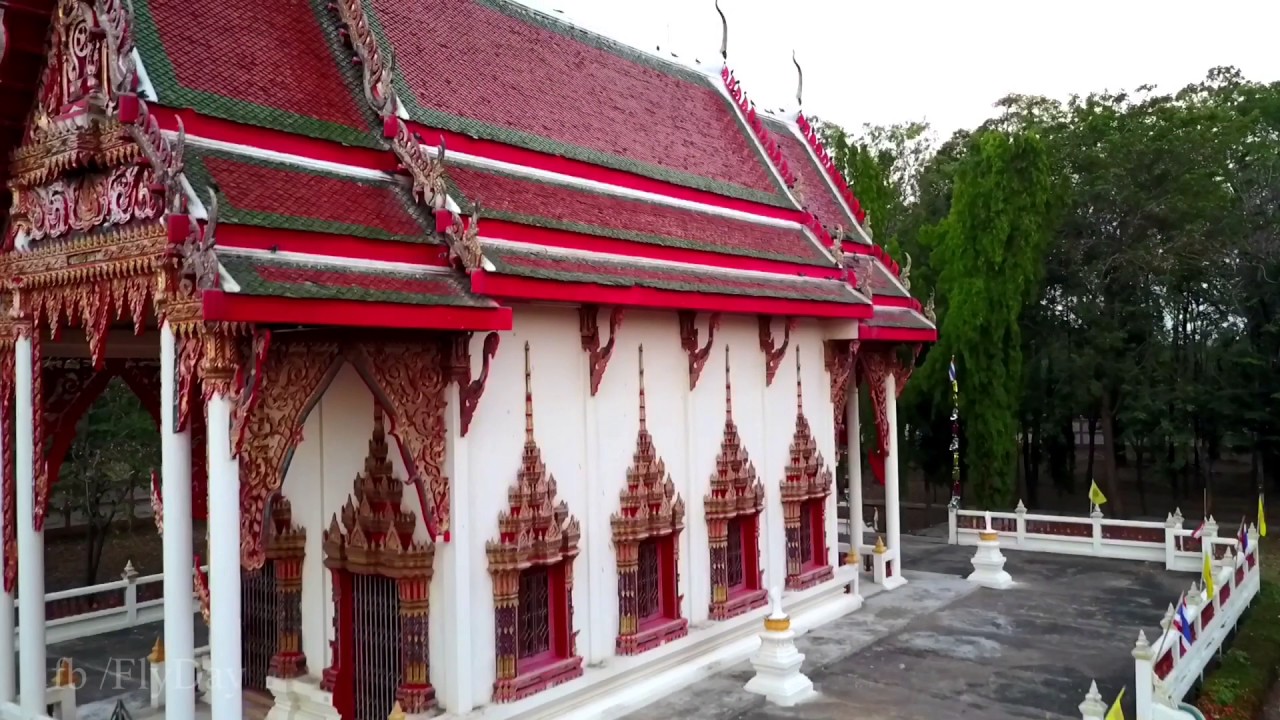
 Click to Access the Navigation Map GPS
Wat Ratcha Chang Khwan Map
Recommend

 Art, Culture and Heritage
 Historical Sites and Monuments(1)
 Art, Craft Centres, Tradition(1)
 Museums(1)
Temple(32)
Museums(1)
Temple(32)
 Other Sacred Sites(4)
 Research and Development
 Royal Project(1)
 Suburban Living
 Floating Market(1)
 Nature and Wildlife
 National Parks and Marine Reserves(1)
 Dam, Reservoir, Lake(3)
 River, Canal(2)
 Other natural attractions(1)
 Entertainment and Agricultural
 Animal camps and shows(1)
 Farms, Parks and Ecotourism(4)


