
lovethailand home >North Travel Attractions >Phichit Travel Attractions >Muang Phichit >Kha Mang > Wat Khamang
TL;DR: Wat Khamang is located at Khamang Subdistrict, Mueang Phichit District, Phichit Province, open Daily, hours 08.00 – 17.00.
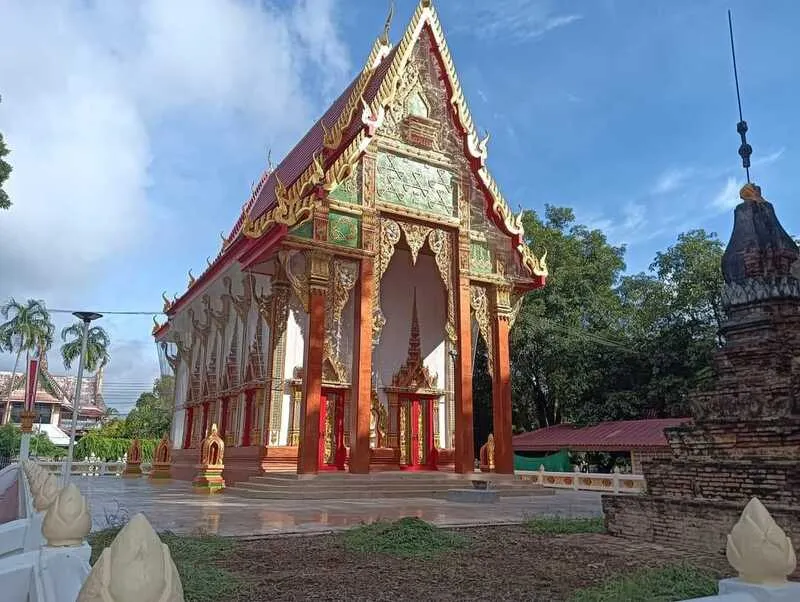
Wat Khamang
Open Days: Daily
Opening Hours: 08.00 – 17.00
Wat Khamang in Phichit Province is an important community temple in Khamang Subdistrict, Mueang Phichit District. It is widely respected as the temple of Luang Pho Phit, a revered monk master closely associated with local faith in Phichit. For local residents, Wat Khamang is not only a place for Buddhist ceremonies, but also a spiritual center, a cultural gathering place, and a living memory of the community. Visitors who come here can pay respect to Luang Pho Phit, learn about a deeply rooted local tradition, and experience a quieter side of Phichit beyond the main tourist routes.
The temple has long served the people of Khamang and nearby communities. Local residents come to the temple for merit-making, Buddhist holy days, annual ceremonies, Songkran activities, and community gatherings. In Thai society, a village temple is more than a religious building. It is a place where generations meet, where children learn religious manners, where elders pass on stories, and where local identity is preserved through repeated rituals. Wat Khamang clearly reflects this role.
The main reason Wat Khamang is so widely known is Luang Pho Phit. Historical accounts identify him by his original name, Phit Khaminthakun. He was born at Ban Bang Phian, Village No. 4, Khamang Subdistrict, Mueang Phichit District, on 14 March 1875. He later became one of the respected monk masters of Phichit and is remembered by devotees for his discipline, compassion, spiritual practice, and connection with the faith lineage of Luang Pho Ngoen of Wat Bang Khlan, one of the most revered monk masters in the province.
For the people of Khamang, Luang Pho Phit is more than a historical monk. He is a figure of protection, blessing, and moral memory. Devotees come to the temple to pay respect, ask for blessings, and gain peace of mind. His presence is preserved through sacred images, a wax figure, local stories, annual ceremonies, and the continuing devotion of the community. This makes Wat Khamang a living spiritual site rather than a place that belongs only to the past.
One of the best-known stories connected with Luang Pho Phit concerns the event after his passing. Local belief holds that after his cremation ceremony, his eyes did not burn in the fire. This story has been passed down among local residents and devotees as a sign of spiritual power and sacred merit. For many believers, this event strengthened their faith and turned Wat Khamang into an important destination for people seeking blessings and auspiciousness.
Inside the temple, the mondop dedicated to Luang Pho Phit is the main worship point for visitors. It houses sacred representations associated with him, including his image and wax figure. Visitors usually begin by paying respect, offering flowers or prayers, and spending a quiet moment in front of Luang Pho Phit. The atmosphere is sincere and devotional, especially for those who come with personal faith or family connections to the temple.
The most important annual tradition at Wat Khamang is the bathing ceremony for Luang Pho Phit, held every year on 19 April during the Songkran season. This ceremony is one of the key cultural events of Khamang Subdistrict. Local people gather to make merit, offer food to monks, bathe the sacred image, and participate in community activities. Families return home, elders take part in the ceremony, and younger generations learn the meaning of Songkran through direct participation.
The bathing ceremony is more than a festive event. It expresses gratitude, respect, and devotion toward Luang Pho Phit. In Thai culture, water used during Songkran symbolizes purification, blessing, and goodwill. By bathing the sacred image, devotees begin the Thai New Year with a clean mind, respectful intention, and a wish for happiness, health, safety, and success. The ceremony therefore has both religious and social meaning.
The annual event also demonstrates the unity of the Khamang community. Preparing the temple, organizing the ceremony, welcoming visitors, assisting elders, and maintaining order all require cooperation among monks, villagers, community leaders, and volunteers. In this way, Wat Khamang becomes a place where collective identity is renewed each year. The tradition is preserved not only because people remember it, but because they continue to work together to keep it alive.
Wat Khamang is also active during other important Buddhist occasions, including Makha Bucha, Visakha Bucha, Asalha Bucha, Buddhist Lent, the end of Buddhist Lent, Kathin, and Pha Pa merit-making events. These activities allow the temple to continue its role as a center of Buddhist practice. Local residents make merit, listen to sermons, observe precepts, and gather as a community. For foreign visitors, seeing these activities offers insight into how Buddhism functions in everyday rural Thai life.
For cultural travelers, Wat Khamang is valuable because it shows how local faith is preserved through people, ritual, and memory. The temple is not a large commercial attraction. Its strength lies in authenticity. Visitors can see how devotion to Luang Pho Phit remains part of daily life and how a local monk master continues to shape the identity of a community long after his lifetime.
From a local history perspective, Wat Khamang helps explain the cultural identity of Khamang Subdistrict. Luang Pho Phit was born in the area and became one of its most respected religious figures. His story gives the community a clear spiritual landmark. The temple preserves this memory through worship spaces, annual traditions, and community participation. A visit here therefore allows travelers to understand both the monk and the place that continues to honor him.
Wat Khamang can be included in a wider Phichit travel route. Nearby places include Phichit Railway Station, Wat Tha Luang Royal Monastery, Bueng Si Fai, Wat Nakhon Chum, Phichit Old City Park, and Wat Hiranyaram or Wat Bang Khlan. Visitors interested in revered monk masters can combine Wat Khamang with Wat Bang Khlan to understand the wider faith network associated with Luang Pho Ngoen and his disciples.
Getting There is convenient from Phichit town. Travelers can drive or hire local transport to Khamang Subdistrict. Those arriving by train can get off at Phichit Railway Station and continue by local vehicle. The temple is close enough to be visited as part of a half-day temple route or combined with other cultural attractions in Mueang Phichit District.
Visitors should allow about 30 minutes to 1 hour for a normal visit. This gives enough time to pay respect to Luang Pho Phit, make merit, walk around the temple grounds, and observe the local atmosphere. During the 19 April bathing ceremony, visitors should allow more time because the temple becomes busier and the atmosphere is more festive. Arriving early helps with parking and allows visitors to take part in the ceremony more comfortably.
Proper temple etiquette should be observed. Visitors should dress modestly, speak respectfully, avoid disturbing monks or worshippers, and refrain from touching sacred objects without permission. Photography should be done with care, especially around the Luang Pho Phit mondop and ceremony areas. A respectful visit helps preserve the sacred atmosphere of the temple and supports the community that continues to care for this living tradition.
Overall, Wat Khamang is a meaningful cultural and spiritual destination in Phichit Province. It brings together the memory of Luang Pho Phit, the story of his sacred eyes, the annual Songkran bathing ceremony on 19 April, and the continuing faith of the local community. A visit here offers more than sightseeing. It offers insight into how Thai communities preserve devotion, identity, and tradition through a temple that remains active in everyday life.
| Name | Wat Khamang |
| Location | Khamang Subdistrict, Mueang Phichit District, Phichit Province |
| Address | Khamang Subdistrict, Mueang Phichit District, Phichit 66000 |
| Highlights | Pay respect to Luang Pho Phit, visit the Luang Pho Phit mondop, and experience the annual bathing ceremony held on 19 April during Songkran |
| History | An important community temple of Khamang Subdistrict, closely associated with Luang Pho Phit, a revered monk master of Phichit and a respected figure in the faith lineage of Luang Pho Ngoen of Wat Bang Khlan |
| Distinctive Features | Local faith temple with a mondop dedicated to Luang Pho Phit, sacred images, a wax figure, and a continuing Songkran tradition of the Khamang community |
| Key Sacred Objects | Luang Pho Phit, Luang Pho Phit image, wax figure, mondop, and worship areas for merit-making |
| Important Tradition | Annual bathing ceremony for Luang Pho Phit on 19 April during the Songkran festival |
| Travel Information | Accessible from Phichit town by private car or local transport; train travelers can get off at Phichit Railway Station and continue by local vehicle |
| Current Status | Open as an active community temple and cultural-faith attraction in Khamang Subdistrict |
| Open Days | Daily |
| Opening Hours | 08.00 – 17.00 |
| Fees | No admission fee |
| Facilities | Temple grounds, parking area, Luang Pho Phit mondop, merit-making area, and community activity space during important traditions |
| Abbot / Caretaker | Phra Khru Phiphit Thammawet, Abbot of Wat Khamang |
| Main Contact Number | 086-214-7747 |
| Official Website / Official Page | Facebook: Wat Khamang Luang Pho Phit, Mueang Phichit, Phichit |
| Nearby Tourist Attractions | 1. Khamang Subdistrict Administrative Organization, about 1 km 2. Phichit Railway Station, about 9 km 3. Wat Tha Luang Royal Monastery, about 10 km 4. Bueng Si Fai, about 10 km 5. Wat Nakhon Chum, about 12 km 6. Phichit Old City Park, about 14 km 7. Wat Hiranyaram or Wat Bang Khlan, about 18 km |
| Nearby Restaurants | 1. Ta De Na Khamang Coffee & Bakery Homemade, about 1 km, Tel. 081-824-1006 2. Fa Prathan Dried Food Shop, about 1 km, Tel. 089-449-6346 3. Restaurants in Phichit Town Area, about 9 km 4. Baan Suan Rim Nam Restaurant, about 10 km, Tel. 084-621-7870 5. Chamcha Cafe, about 10 km 6. Black Ground Cafe & Dining, about 10 km 7. Lung Waen Pla Mae Nam, about 11 km |
| Nearby Accommodations | 1. Lanna Bali Kamnan Tao, about 9 km 2. Fahluang Residence, about 9 km, Tel. 056-611780 3. The Nest Hotel Phichit, about 9 km, Tel. 056-033662 4. Rabeang Nam Resort, about 10 km, Tel. 081-859-4907 5. Kason Place Hotel, about 10 km 6. Ban Piang Pen, about 10 km 7. Mee Porn Sawan Grand Hotel & Resort, about 11 km, Tel. 056-615151 |
Frequently Asked Questions (FAQ)
Q: Where is Wat Khamang located?
A: Wat Khamang is located in Khamang Subdistrict, Mueang Phichit District, Phichit Province, not far from Phichit town.
Q: What is the main sacred figure at Wat Khamang?
A: The main sacred figure is Luang Pho Phit, a revered monk master of Phichit who remains deeply respected by local people and devotees.
Q: What is the history of Luang Pho Phit?
A: Luang Pho Phit was born as Phit Khaminthakun at Ban Bang Phian, Khamang Subdistrict, on 14 March 1875. He became a respected monk master associated with the faith lineage of Luang Pho Ngoen of Wat Bang Khlan.
Q: When is the Luang Pho Phit bathing ceremony held?
A: The ceremony is held every year on 19 April during the Songkran season in Khamang Subdistrict.
Q: What are the opening hours of Wat Khamang?
A: Wat Khamang is open daily from 08.00 to 17.00.
Q: Is there an admission fee for Wat Khamang?
A: No. Visitors can enter the temple, pay respect to Luang Pho Phit, make merit, and walk around the temple grounds without an admission fee.
Q: What nearby attractions can be visited with Wat Khamang?
A: Nearby attractions include Phichit Railway Station, Wat Tha Luang Royal Monastery, Bueng Si Fai, Wat Nakhon Chum, Phichit Old City Park, and Wat Hiranyaram or Wat Bang Khlan.
 Category: ●Places of Worship
 Group: ●Temple
Last Update : 4 WeekAgo
 Last Update : 4 WeekAgo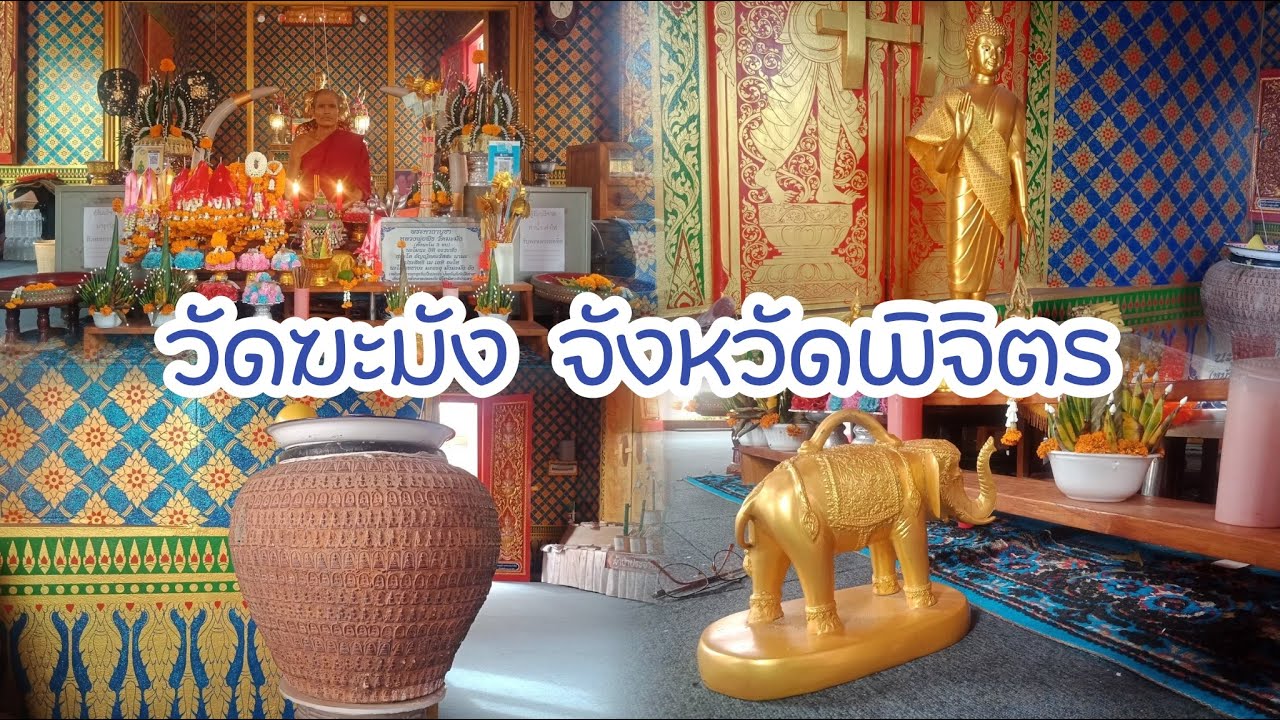
 Click to Access the Navigation Map GPS
Wat Khamang Map
Recommend

 Art, Culture and Heritage
 Historical Sites and Monuments(1)
 Art, Craft Centres, Tradition(1)
 Museums(1)
Temple(32)
Museums(1)
Temple(32)
 Other Sacred Sites(4)
 Research and Development
 Royal Project(1)
 Suburban Living
 Floating Market(1)
 Nature and Wildlife
 National Parks and Marine Reserves(1)
 Dam, Reservoir, Lake(3)
 River, Canal(2)
 Other natural attractions(1)
 Entertainment and Agricultural
 Animal camps and shows(1)
 Farms, Parks and Ecotourism(4)


