
lovethailand home >North Travel Attractions >Phetchabun Travel Attractions >Lom Sak >Bung Nam Tao > Lom Kao City Pillar
TL;DR: Lom Kao City Pillar is located at Lom Kao District, Phetchabun, hours 08.30 - 17.00. Highlights include A cement city pillar with direct historical association to Field Marshal Plaek Phibunsongkhram and the civic identity of Lom Kao.

Lom Kao City Pillar
Opening days: Daily
Opening hours: 08.30 - 17.00
Lom Kao City Pillar is one of the cultural attractions in Phetchabun that carries local historical meaning far beyond its modest size. It is not a large-scale tourist site, but it represents the symbolic heart of Lom Kao as a community. For travelers interested in local history, town identity, and cultural landmarks rather than only nature-based tourism, this is a worthwhile stop in the Lom Kao area.
The main significance of the site comes from the history of the pillar itself. The city pillar was made of cement, and Field Marshal Plaek Phibunsongkhram presided over the pillar-laying ceremony on 23 April 1944. This detail gives the site unusual historical weight, linking it not only to local civic identity but also to a clearly dated moment in Thailand’s modern political history. Because of this, the Lom Kao City Pillar is more than a sacred landmark. It is also a historical marker of state presence and community symbolism during a major period in the country’s past.
In the Thai cultural context, a city pillar represents stability, legitimacy, and the spiritual center of a town. That broader meaning also applies here. The Lom Kao City Pillar acts as a symbol of the community and a point of local pride. Visiting the site offers a useful way to understand Lom Kao not just as a stop on the way to mountain destinations, but as a town with its own historical identity and cultural memory.
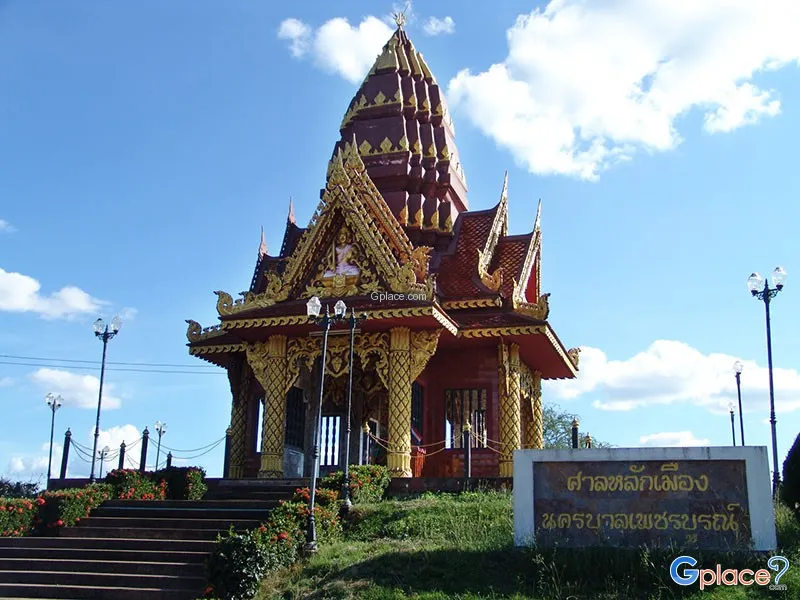
The present shrine structure is visually distinctive as well. The elevated Thai-style pavilion and decorative architectural details give the place a ceremonial and respectful atmosphere. Even for visitors who are not deeply familiar with Thai city pillar traditions, the site clearly communicates that this is an important landmark in the local community. The setting is calm and well suited to a short cultural stop.
One of the strengths of visiting the Lom Kao City Pillar is that it helps shift the perspective of travel in this part of Phetchabun. Many travelers pass through Lom Kao on the way to Phu Thap Boek or other mountain routes. By stopping here, visitors can engage with the town’s own story rather than treating it merely as a transit point. This makes the broader journey in Phetchabun more complete and more meaningful.
The site is especially suitable for travelers interested in local history, community landmarks, and educational tourism. Students, families, and those researching town history in Phetchabun may find the city pillar particularly useful because it connects belief, governance, architecture, and civic symbolism in one place. Even a short visit can provide a deeper understanding of how towns define and represent themselves in Thailand.
For photography, the shrine also has some visual appeal thanks to its Thai architectural form and raised location. The structure stands out clearly and can be photographed well during softer daylight in the morning or late afternoon. Still, its strongest value remains historical and symbolic rather than purely scenic.
Because the site is part of a living cultural landscape, visitors should approach it respectfully. This is both a spiritual landmark and a local historical site. A quiet and considerate visit is the most appropriate way to experience it.
Getting There is convenient by private car. Travel information associated with the site places it along the same route used for visiting Tham Ruesi Sombat, at the right-hand junction near the entrance road to Phetchabun airfield. This makes it easy to include as part of a wider Lom Kao itinerary or as a stop on the route toward nearby attractions.
In summary, the Lom Kao City Pillar is a meaningful cultural stop in Phetchabun for travelers who want more than mountain scenery. It preserves a clearly dated piece of local history, represents the civic identity of Lom Kao, and offers a compact but valuable insight into the town’s heritage. For a more grounded understanding of the Lom Kao area, this site is worth visiting.
| Name | Lom Kao City Pillar |
| Location | Lom Kao District, Phetchabun |
| Highlights | A cement city pillar with direct historical association to Field Marshal Plaek Phibunsongkhram and the civic identity of Lom Kao |
| History | Field Marshal Plaek Phibunsongkhram presided over the pillar-laying ceremony on 23 April 1944 |
| Distinctive Features | An elevated Thai-style shrine used as a sacred and civic symbol of Lom Kao |
| Travel Information | Use the same route as the road to Tham Ruesi Sombat, turning right near the entrance to Phetchabun airfield |
| Current Status | Open as a local cultural landmark and city pillar shrine in Lom Kao |
| Nearby Tourist Attractions | 1) Tham Ruesi Sombat – 4 km 2) Wat Thung Thong Chai – 2 km 3) Lom Kao Market – 3 km 4) Local heritage area in Lom Kao – 3 km 5) Route to Phu Thap Boek – 25 km |
| Nearby Restaurants | 1) Restaurants in Lom Kao Market – 3 km 2) Local noodle and traditional food shops in Lom Kao – 3 km 3) Made-to-order restaurants near central Lom Kao – 2 km 4) Local cafes in Lom Kao – 3 km 5) Roadside restaurants on the Phu Thap Boek route – 10 km |
| Nearby Accommodations | 1) Accommodations in central Lom Kao – 3 km 2) Homestays in the Lom Kao area – 4 km 3) Lodging on the Phu Thap Boek route – 12 km 4) Resorts in the Lom Kao zone – 5 km 5) Accommodations in the Phu Thap Boek area – 25 km |
Frequently Asked Questions (FAQ)
Q: Where is the Lom Kao City Pillar located?
A: It is located in Lom Kao District, Phetchabun, on the route associated with Tham Ruesi Sombat.
Q: Why is the Lom Kao City Pillar important?
A: It is an important civic symbol of Lom Kao and is historically linked to the pillar-laying ceremony presided over by Field Marshal Plaek Phibunsongkhram on 23 April 1944.
Q: What is the city pillar made of?
A: The Lom Kao City Pillar is made of cement.
Q: Who is this attraction suitable for?
A: It is suitable for travelers interested in local history, cultural landmarks, and educational tourism in Phetchabun.
Q: How long should visitors spend here?
A: Around 15 to 30 minutes is usually enough for worship, observation, and a short cultural visit.
Q: What places can be visited nearby?
A: Nearby stops include Tham Ruesi Sombat, local market areas in Lom Kao, temples in town, and the onward route toward Phu Thap Boek.
 Category: ●Art, Culture and Heritage
 Group: ●Landmarks and Memorials
Last Update : 5 MonthAgo
 Last Update : 5 MonthAgo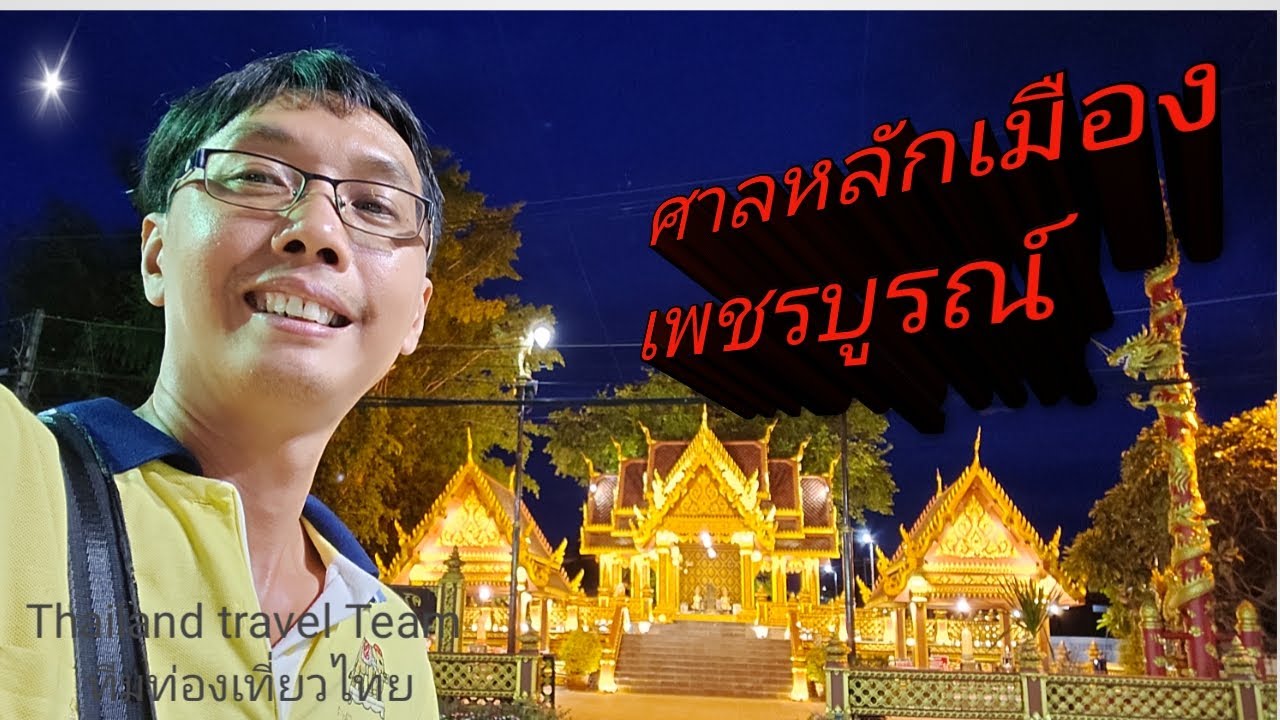
 Click to Access the Navigation Map GPS
Lom Kao City Pillar Map
Recommend

 Historical Sites and Monuments(4)
Landmarks and Memorials(3)
Historical Sites and Monuments(4)
Landmarks and Memorials(3)
 Art, Craft Centres, Tradition(4)
 Art Gallery(1)
 Educational Places
 Library(1)
 Educational Gardens, Farm(3)
 Places of Worship
 Temple(31)
 Other Sacred Sites(8)
 Suburban Living
 Village, Community(4)
 Nature and Wildlife
 National Parks and Marine Reserves(4)
 Mountain (Doi)(11)
 Dam, Reservoir, Lake(14)
 Waterfalls(21)
 Hot Springs(1)
 Caves(11)
 Flower Field(1)
 River, Canal(12)
 Other natural attractions(13)
 Entertainment and Agricultural
 Zoos and Aquariums(1)
 Farms, Parks and Ecotourism(4)
 Outdoor and Adventure Activities(2)
 Travel Articles, Recipes
 Travel Review, Food Review(1)


