
lovethailand home >Central Travel Attractions >Pathum Thani Travel Attractions >Sam Khok >Bang Krabue > Wat Krang
TL;DR: Wat Krang is located at Moo 1, Ban Thai Dong, Bang Krabue Subdistrict, Sam Khok District, Pathum Thani. Highlights include Luang Pho Narasing, Mon-style prayer hall, Thai wooden monk residences, amulets by Luang Pho Hram, annual merit-making festivals.
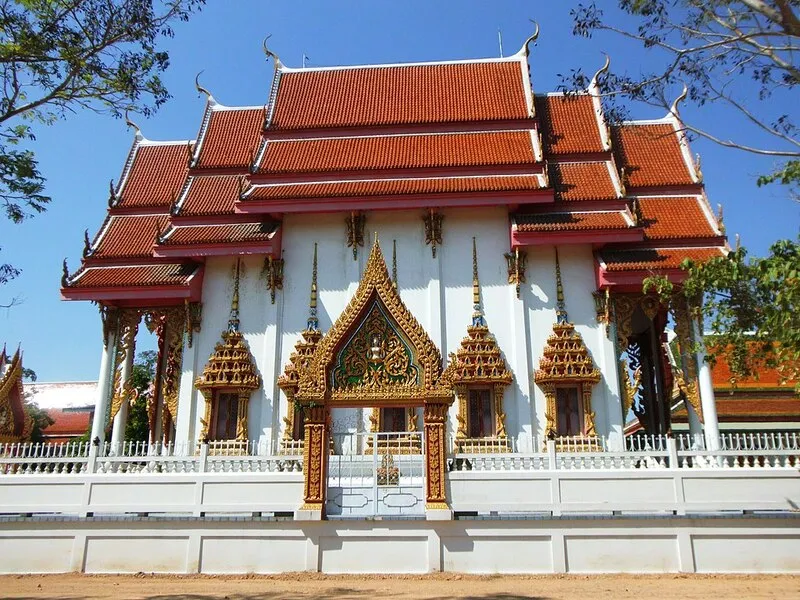
Wat Krang
Operating day: Daily
Operating time: 08.00 - 17.00
Wat Krang is an old temple in Bang Krabue, Sam Khok District, Pathum Thani, with a strong riverside identity and a long connection to local religious life. Its appeal lies not in large-scale modern construction, but in its historic atmosphere, sacred Buddha image, Mon-style prayer hall, and the continuity of community merit-making traditions that still define the temple today.
For travelers looking for a temple with local depth near Bangkok, Wat Krang offers more than a short stop for merit-making. It is a place where old religious art, riverside community culture, and annual temple traditions come together in a setting that still feels rooted in everyday life rather than built for spectacle.
Wat Krang is a Mahanikaya temple located in Moo 1, Ban Thai Dong, Bang Krabue Subdistrict, Sam Khok District, Pathum Thani Province. The temple stands within the old riverside cultural zone of Sam Khok, an area known for its historic communities, old temples, and strong Mon influence along the Chao Phraya River.
According to temple history, Wat Krang was founded around 1757. Its original name was “Wat Dong Dara.” Local residents contributed land and necessary support in order to establish the temple formally, although the identity of the leading founder is not clearly recorded. This origin story is important because it reflects how the temple grew directly from local faith and shared community effort.
The temple received royal boundary consecration on 13 April 1777, with a sacred boundary measuring 12 meters by 24 meters, and the binding of the boundary was later carried out around 1880. These dates show how the temple gradually developed into a stable and formally recognized institution within the Thai monastic system.
The most important sacred image of Wat Krang is Luang Pho Narasing, a revered stone Buddha image described in temple tradition as bearing old Ayutthaya-period artistic features with Chiang Saen influence. This image is the heart of devotion at the temple, and many visitors come specifically to pay respect and make vows before Luang Pho Narasing.
Wat Krang also preserves images and memories associated with important local monks, including cast statues of Luang Pu Hram Kesaro and Luang Pho Huan Paphassaro. These figures remain part of the religious identity of the temple and continue to shape how local people remember the spiritual lineage of the site.
Architecturally, one of the temple’s most notable features is its Mon-style prayer hall, which helps confirm the cultural identity of the Sam Khok area. The temple also has Thai wooden monk residences that add to the feeling of an old community temple. These structures create an atmosphere that is simple, traditional, and deeply connected to local riverside heritage.
Wat Krang is also known for sacred amulets created by Luang Pho Hram. Their reputation has added another dimension to the temple’s importance among devotees, making the temple known not only as a historic place of worship but also as a source of respected religious objects connected to a local monastic tradition.
One of the strongest cultural aspects of Wat Krang is its annual merit-making cycle. The temple holds Tak Bat Thewo on the first waxing day of the eleventh lunar month, Tak Bat Phra Roi on the eighth waxing day of the twelfth lunar month, and its annual temple fair on the fourteenth and fifteenth waxing days of the fifth lunar month. These events are important because they show that the temple is still actively woven into community life rather than existing only as a historic monument.
For visitors interested in cultural travel, these annual events give Wat Krang a special layer of meaning. A visit during a major merit-making period offers a chance to see the temple not only as an architectural and sacred place, but also as a living social center where people gather, make merit, and reaffirm shared traditions.
The present atmosphere of Wat Krang remains calm and local. It is the kind of temple best appreciated slowly: paying respect to Luang Pho Narasing, observing the Mon-style hall, noticing the old wooden structures, and sensing how the temple continues to function as part of community life. This makes it especially appealing to travelers who prefer authentic old temples over heavily modernized or commercialized sites.
Wat Krang also fits well into a broader Sam Khok temple route. It can be visited together with nearby sites such as Wat Bot, Wat Choeng Tha, Wat Sing, and Wat Chedi Thong. This makes it a practical and rewarding stop for travelers interested in old temples, Mon cultural traces, and riverside heritage in Pathum Thani.
Visitors should respect the temple’s quiet community atmosphere and traditional merit-making practices. Modest dress, calm behavior, and respect for worshippers are especially appropriate here, particularly during annual religious events when the temple becomes an active center of shared local devotion.
Getting There Wat Krang is most conveniently reached by private car via Bang Krabue Subdistrict in Sam Khok District, Pathum Thani. The temple lies within a route that connects several historic temples in the district, making it easy to include in a half-day or full-day cultural trip. Travelers using public transport should first reach Sam Khok District and continue by local transport.
| Name | Wat Krang |
| Location | Moo 1, Ban Thai Dong, Bang Krabue Subdistrict, Sam Khok District, Pathum Thani |
| Address | Bang Krabue Subdistrict, Sam Khok District, Pathum Thani 12160 |
| Coordinates | 14.11493, 100.53579 |
| Highlights | Luang Pho Narasing, Mon-style prayer hall, Thai wooden monk residences, amulets by Luang Pho Hram, annual merit-making festivals |
| History | Founded around 1757, originally called Wat Dong Dara, and granted royal boundary consecration on 13 April 1777 |
| Name Origin | Originally known as Wat Dong Dara before becoming Wat Krang |
| Distinctive Features | Historic community temple with a revered Buddha image, Mon-style architecture, and annual religious traditions that remain active |
| Travel Information | Accessible by car through Bang Krabue and Sam Khok, or by local transport after arriving in Sam Khok District |
| Current Status | Active temple with contemporary religious activities |
| Abbot / Caretaker | Phra Khru Pathum Watthanakit |
| Main Contact Number | 02-593-1769 |
| Important Traditions / Festivals | Tak Bat Thewo on the 1st waxing day of the 11th lunar month, Tak Bat Phra Roi on the 8th waxing day of the 12th lunar month, annual fair on the 14th–15th waxing days of the 5th lunar month |
| Nearby Tourist Attractions | 1. Wat Bot, Sam Khok – 3 km 2. Wat Choeng Tha – 4 km 3. Wat Sing – 6 km 4. Wat Chedi Thong – 8 km 5. Sam Khok Museum – 7 km |
| Nearby Restaurants | 1. Baan Kiang Nam Restaurant – 9 km. Tel. 083-806-3860, 02-147-4719 2. Ros Pathum Restaurant – 11 km. Tel. 065-291-2673, 064-741-9166 3. Sam Khok Boat Noodles – 6 km 4. Riverside eateries near Sam Khok market area – 7 km 5. Local restaurants in Bang Krabue area – 4 km |
| Nearby Accommodations | 1. River View Pathum Hotel & Residence – 11 km. Tel. 065-291-2671, 065-291-2672 2. PAN Ville Resort – 15 km. Tel. 02-101-1993 3. The Pine Resort – 17 km. Tel. 02-978-8851-4, 092-451-6546 4. Tinidee Hotel Bangkok Golf Club – 25 km 5. Bangkok Golf Spa Resort – 26 km |
Frequently Asked Questions (FAQ)
Q: Where is Wat Krang located?
A: Wat Krang is in Moo 1, Ban Thai Dong, Bang Krabue Subdistrict, Sam Khok District, Pathum Thani.
Q: What was the temple’s original name?
A: The temple was originally known as Wat Dong Dara before becoming Wat Krang.
Q: What is the most important sacred image at Wat Krang?
A: The most important sacred image is Luang Pho Narasing, a revered old stone Buddha image closely associated with the temple’s identity.
Q: Does Wat Krang have notable local traditions?
A: Yes. Important annual merit-making events include Tak Bat Thewo, Tak Bat Phra Roi, and the temple’s yearly fair in the fifth lunar month.
Q: What architectural features make Wat Krang distinctive?
A: Notable features include the Mon-style prayer hall, Thai wooden monk residences, and several important sacred and historic objects.
Q: Who is the current abbot of Wat Krang?
A: Recent verified records identify the abbot as Phra Khru Pathum Watthanakit.
 Category: ●Places of Worship
 Group: ●Temple
Last Update : 6 MonthAgo
 Last Update : 6 MonthAgo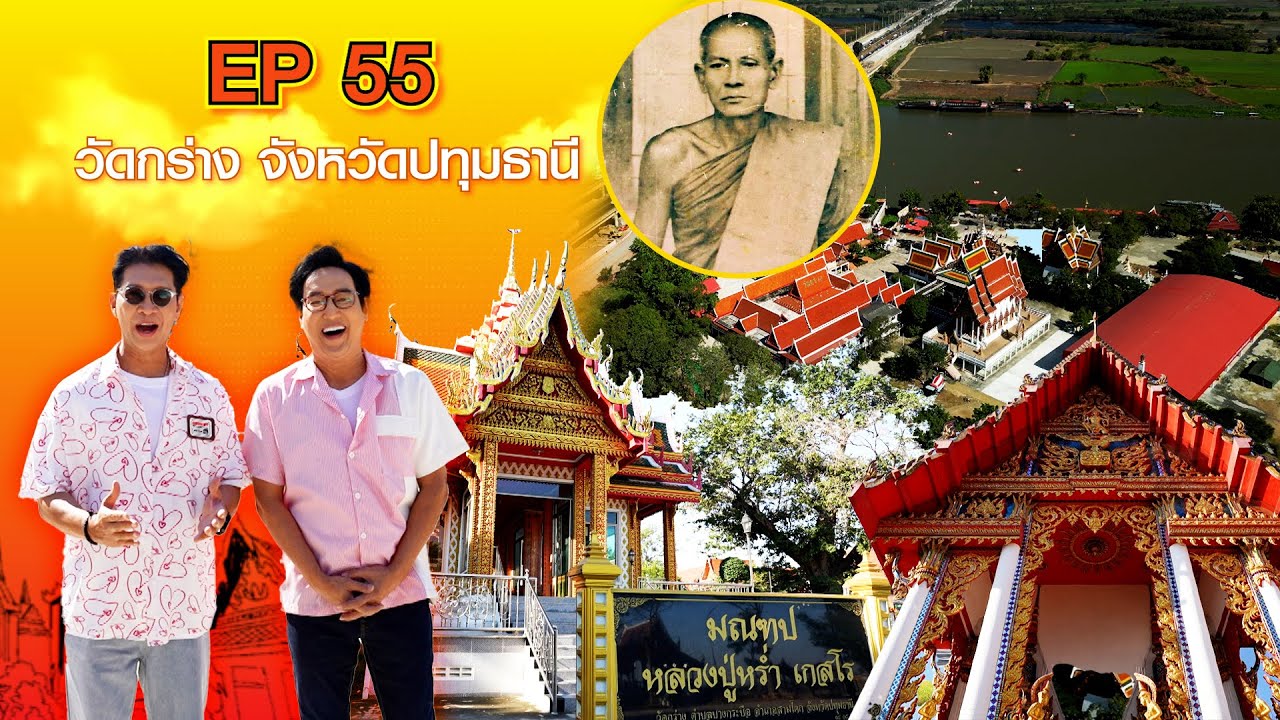
 Click to Access the Navigation Map GPS
 Art, Culture and Heritage
 Historical Sites and Monuments(2)
 Landmarks and Memorials(1)
 Art, Craft Centres, Tradition(2)
 Museums(11)
 Art Gallery(1)
 Educational Places
 Museum for Study(1)
 Library(1)
 Training Center(1)
Temple(44)
Training Center(1)
Temple(44)
 Mosque(1)
 Other Sacred Sites(1)
 Research and Development
 Royal Project(1)
 Suburban Living
 Local Market(2)
 Floating Market(3)
 Nature and Wildlife
 River, Canal(1)
 Entertainment and Agricultural
 Animal camps and shows(1)
 Stadium(2)
 Amusement Park(1)
 Waterpark(1)


