
lovethailand home >Central Travel Attractions >Pathum Thani Travel Attractions >Klong Luang >Khlong Hok > Lotus Museum
TL;DR: Lotus Museum is located at Inside Rajamangala University of Technology Thanyaburi, Khlong Hok, Thanyaburi District, Pathum Thani, open Monday – Friday, hours 08:30 – 16:30.

Lotus Museum
Open Days: Monday – Friday
Opening Hours: 08:30 – 16:30
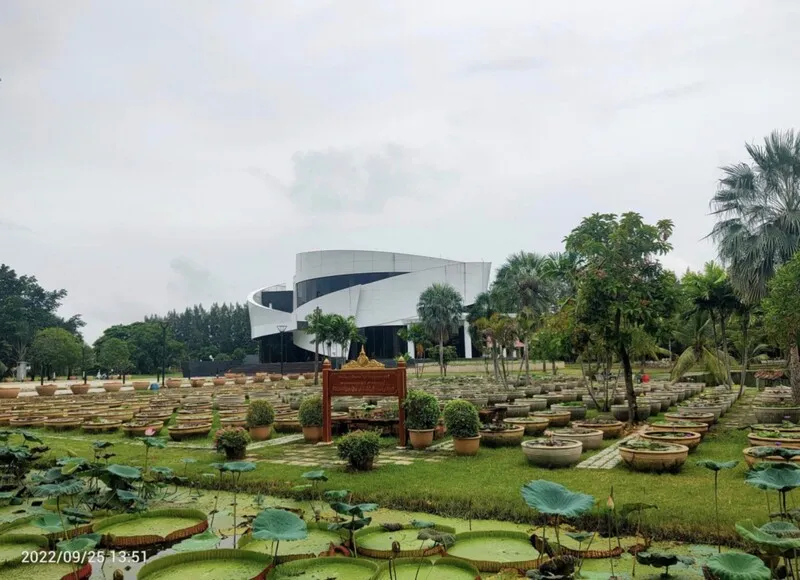
The Lotus Museum in Pathum Thani is located inside Rajamangala University of Technology Thanyaburi in Khlong Hok, Thanyaburi District. It is one of Thailand’s most distinctive plant-based learning attractions, combining botanical conservation, academic research, and eco-cultural tourism in one place. Established in 2000, the museum began as part of a university initiative linked to the Plant Genetic Conservation Project under the royal initiative of Princess Maha Chakri Sirindhorn. Its core mission is to collect, conserve, study, and expand lotus varieties from Thailand and abroad, while also serving as a public learning space for visitors of all ages.
What makes the Lotus Museum especially interesting is that it is not a conventional indoor museum filled with display cases. Instead, it is a living collection. Visitors see lotus species growing in basins and ponds across the site, allowing them to observe the plants in real conditions rather than only through labels or photographs. This creates a much more immersive experience, especially for people interested in flowers, water plants, botany, and conservation-based tourism near Bangkok.
The museum started with around 40 lotus varieties and gradually expanded into a much richer collection. Today, it holds more than 100 varieties, including Thai lotus species, foreign varieties, hybrids, Victoria waterlilies, and rare native types. This makes the museum valuable not only for casual visitors, but also for students, researchers, plant breeders, and anyone interested in the diversity of aquatic plants.
One of the strongest features of the Lotus Museum is its connection to award-winning Thai lotus breeding. The site preserves and presents important varieties such as “Mangkol Ubon,” a Thai-bred hardy waterlily that won Best New Hardy Waterlily 2004 at the 19th International Waterlily and Water Gardening Society competition in the United States. It also highlights “Bua Thaen Khwan,” which won Best New Hardy Waterlily 2006, and “Bua Thanya Kan,” a striking night-blooming lotus with deep red and dark purple tones that received an international-level award in Thailand. These examples show that the museum is not simply a passive collection space. It is part of a wider story of Thai horticultural excellence.
Another remarkable lotus associated with the museum is “Bang Chongkolnee,” a genuine Thai lotus with a long cultural history tracing back to the Sukhothai period. Its layered petals create a flower that remains open rather than closing in the way many lotus blooms do. Details like this show why the museum matters beyond aesthetics. It helps visitors understand lotus flowers as part of Thai heritage, plant science, and cultural identity.
The museum serves several purposes at once. It is a conservation site, a research resource, a university learning space, and a tourist attraction. Researchers can study lotus propagation, genetics, and practical uses of different plant parts. Students can use the museum as a field-learning environment. General visitors can enjoy a peaceful open-air attraction that feels calm, natural, and highly photogenic.
For travelers searching for places such as “Lotus Museum Pathum Thani,” “things to do in Khlong Hok,” “eco attractions near Bangkok,” or “flower attractions in Pathum Thani,” this museum is a strong choice. It offers a quieter and more specialized experience than many mainstream tourist stops, while still being easy to enjoy without technical knowledge.
Publicly available information indicates that the museum is open on weekdays from 08:30 to 16:30 and that admission is free. Group visits and special guided visits outside the standard schedule are best arranged in advance. This makes the museum especially suitable for educational programs, university visits, school activities, and cultural day trips.
Getting There is easiest by private car via the Rangsit–Nakhon Nayok Road into Rajamangala University of Technology Thanyaburi. Once inside the campus, visitors can continue locally, including by motorcycle taxi within the university area. Because the museum is in the Khlong Hok zone, it can also be combined with other attractions in nearby Khlong Ha and Khlong Luang, including science museums and agriculture-oriented learning centers.
Ultimately, the Lotus Museum stands out because it transforms a beautiful flower into a complete learning journey. It connects Thai biodiversity, plant conservation, academic research, and quiet outdoor tourism in a way that feels both meaningful and accessible. For visitors who want a more thoughtful destination in Pathum Thani, it is one of the most distinctive places to explore.
| Name | Lotus Museum, Rajamangala University of Technology Thanyaburi |
| Location | Inside Rajamangala University of Technology Thanyaburi, Khlong Hok, Thanyaburi District, Pathum Thani |
| Address | 39 Moo 1, Rangsit-Nakhon Nayok Road, Khlong Hok, Thanyaburi, Pathum Thani 12110 |
| Highlights | A living lotus collection with over 100 varieties, including award-winning Thai-bred lotus and rare native species |
| History | Established in 2000 and expanded under the royal initiative plant conservation framework in 2003 |
| Name Origin | Named for its role as a museum and conservation center dedicated to lotus species and lotus knowledge |
| Distinctive Features | An open-air educational attraction that combines lotus conservation, university research, and eco-tourism |
| Travel Information | Best reached via Rangsit-Nakhon Nayok Road into RMUTT; local motorcycle taxis are available inside the university |
| Current Status | Open on university working days and available for pre-arranged group visits |
| Open Days | Monday – Friday |
| Opening Hours | 08:30 – 16:30 |
| Fees | Free admission |
| Facilities | Outdoor viewing areas, lotus basins and ponds, guided educational access by arrangement, university support facilities nearby |
| Main Areas / Zones | Thai lotus zone, international lotus zone, hybrid lotus zone, aquatic display ponds, lotus use-study area |
| Main Contact Number | 02-549-3043, 02-549-3042 |
| Official Website / Official Page | lotus.rmutt.ac.th / Facebook: lotus.rmutt |
| Nearby Tourist Attractions | 1. Rama IX Museum – 11 km. Tel. 02-577-9999 2. Science Museum – 11 km. Tel. 02-577-9999 3. Natural History Museum – 11 km. Tel. 02-577-9999 4. Information Technology Museum – 11 km. Tel. 02-577-9999 5. The Golden Jubilee Museum of Agriculture – 15 km. Tel. 02-529-2212, 02-529-2213 |
| Nearby Restaurants | 1. Krua Morakot Khlong 6 – 4 km. Tel. 02-904-7955, 089-774-3160, 086-325-2560 2. Krua Yupa – 5 km. Tel. 082-032-3149 3. Kha Moo Sathon Rajamangala Khlong 6 – 2 km. Tel. 085-808-2355 4. Suan Pak Waen Cafe & Bistro – 3 km. Tel. 090-561-4488 5. Rosniyom Nomsod Khlong 6 – 4 km. Tel. 097-018-2425 |
| Nearby Accommodations | 1. PINO Khlong 6 – 3 km. Tel. 063-749-4427 2. Prasong Kaona – 3 km. Tel. 081-617-1674, 02-904-4155 3. Full House – 3 km. Tel. 086-131-7685, 02-191-3252 4. THE BOOK – 3 km. Tel. 061-523-2442 5. 39 Resort Khlong 6 – 4 km. Tel. 061-459-8989 |
Frequently Asked Questions (FAQ)
Q: Where is the Lotus Museum located?
A: It is located inside Rajamangala University of Technology Thanyaburi in Khlong Hok, Thanyaburi District, Pathum Thani.
Q: When is the Lotus Museum open?
A: It is open Monday to Friday from 08:30 to 16:30.
Q: Is there an admission fee?
A: No. Admission is free.
Q: How many lotus varieties are on display?
A: The museum preserves and displays more than 100 lotus varieties.
Q: What makes this museum special?
A: It combines lotus conservation, academic research, award-winning Thai lotus breeding, and peaceful eco-tourism in one place.
Q: Is it suitable for families and students?
A: Yes. It is especially suitable for students, families, researchers, and visitors interested in plants and conservation.
Tel : 025493043
 Tel : 025493043
Mobile : 0896929808
 Mobile : 0896929808
 Category: ●Art, Culture and Heritage
 Group: ●Museums
Last Update : 7 MonthAgo
 Last Update : 7 MonthAgo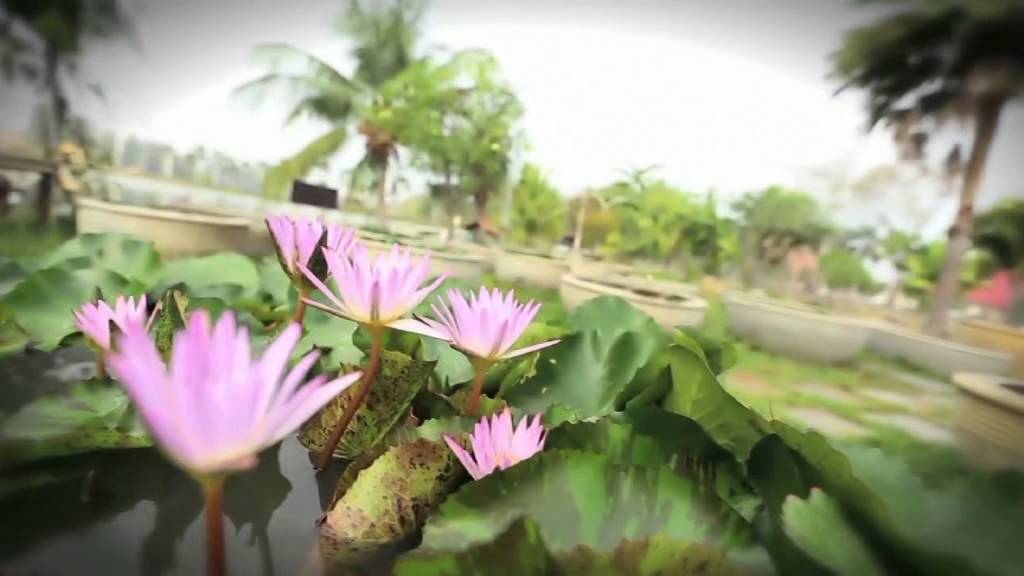
 Click to Access the Navigation Map GPS
Lotus Museum Map
Recommend

 Historical Sites and Monuments(2)
 Landmarks and Memorials(1)
 Art, Craft Centres, Tradition(2)
Museums(11)
Art, Craft Centres, Tradition(2)
Museums(11)
 Art Gallery(1)
 Educational Places
 Museum for Study(1)
 Library(1)
 Training Center(1)
 Places of Worship
 Temple(44)
 Mosque(1)
 Other Sacred Sites(1)
 Research and Development
 Royal Project(1)
 Suburban Living
 Local Market(2)
 Floating Market(3)
 Nature and Wildlife
 River, Canal(1)
 Entertainment and Agricultural
 Animal camps and shows(1)
 Stadium(2)
 Amusement Park(1)
 Waterpark(1)
 Travel Articles, Recipes
 Travel Review, Food Review(1)


