
lovethailand home >North Travel Attractions >Chiang Rai Travel Attractions >Mae Fa Luang >Mae Salong Nok > Doi Mae Salong
TL;DR: Doi Mae Salong is located at Mae Salong Nok Subdistrict, Mae Fa Luang District, Chiang Rai Province, open Open Daily, hours Visit Anytime / Some museums in the area generally open around 08:00–17:00.
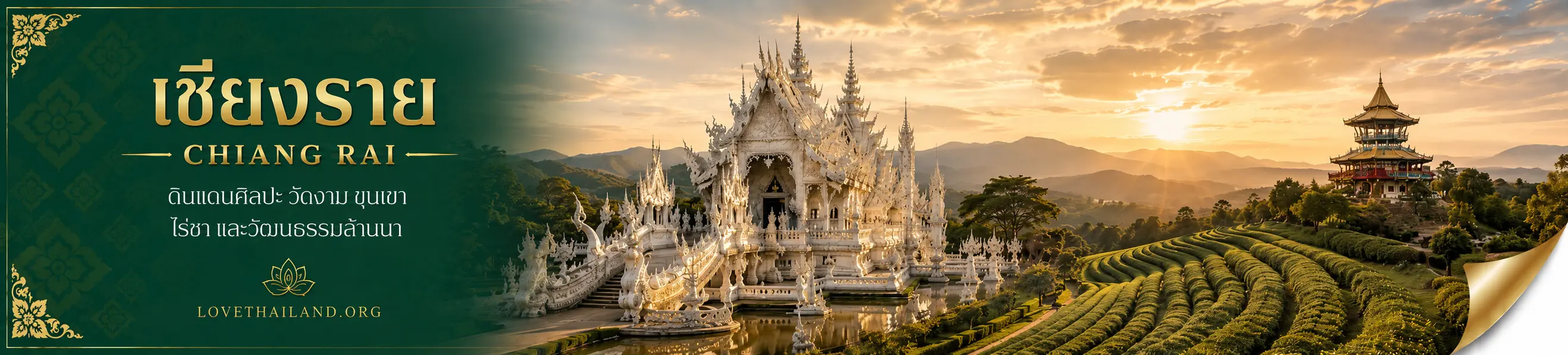
Doi Mae Salong
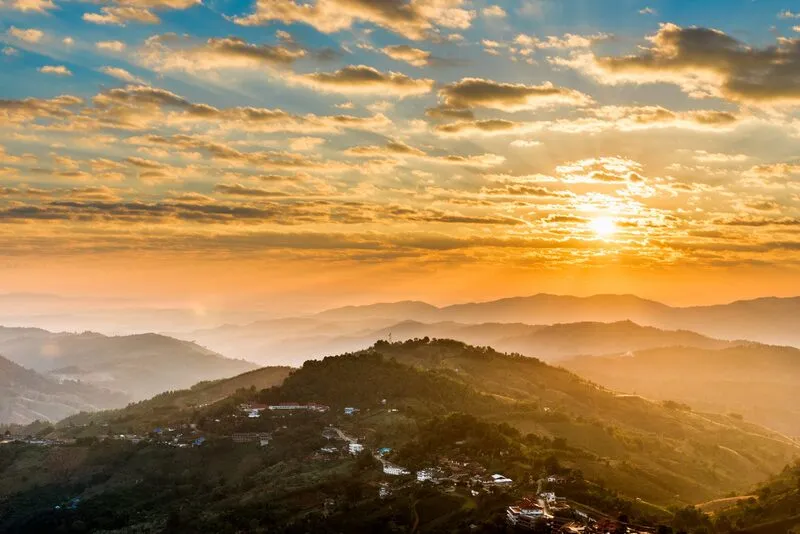
Open Days: Open Daily
Opening Hours: Visit Anytime / Some museums in the area generally open around 08:00–17:00
Doi Mae Salong, also known as Santikhiri Village, is one of Chiang Rai’s most distinctive mountain destinations. Its appeal goes far beyond cool weather and scenic hills. This is a place where tea culture, mountain landscapes, Chinese Yunnan heritage, and modern northern Thai travel all come together in a way that feels unique and memorable. For travelers looking for more than just a quick photo stop, Doi Mae Salong offers a rich combination of scenery, history, food, and local identity.
The area was formerly known as Ban Mae Salong Nok and later developed into what is now Santikhiri. It is widely recognized as a settlement connected to former Kuomintang soldiers who moved into Thailand after periods of political conflict and displacement in China and Burma. Over time, this community established deep roots in the mountains of Chiang Rai and gradually shaped a village with its own strong identity. Today, Santikhiri is known not only as a scenic destination, but also as a place where history is still visible in architecture, food, language, and everyday village atmosphere.
One of the first things visitors notice about Doi Mae Salong is its mountain climate. The weather is cool for much of the year, and during the late rainy season and winter months the air becomes especially refreshing. Morning and evening temperatures often feel distinctly colder than in the lowlands, which is one reason the area remains so attractive to both Thai and international travelers. Many people choose to stay overnight specifically to enjoy the early-morning mountain atmosphere and the soft mist that sometimes hangs over the surrounding hills.
In practical travel terms, Doi Mae Salong offers an excellent balance between accessibility and depth. The road up the mountain is paved all the way, so getting there is much easier than reaching many remote highland destinations in northern Thailand. Yet once visitors arrive, the area reveals far more than just a viewpoint. There are tea plantations, Yunnanese restaurants, historical museums, morning markets, village lanes, winter blossoms, and a clear cultural atmosphere that makes the place feel very different from ordinary mountain towns.
One of the most beloved seasonal highlights is the blooming of Thai cherry blossoms, locally known as nang phaya suea khrong. From around December to February, these pale pink blossoms appear along sections of the road leading up Doi Mae Salong. Their soft color contrasts beautifully with the green mountain slopes and cool winter light. This is one of the reasons the destination becomes especially popular during the cold season, when visitors can enjoy both mountain scenery and winter flowers in the same trip.
Doi Mae Salong is perhaps most famous for its tea plantations, which are far more than a pretty visual element. Tea growing is one of the defining cultural and economic features of the area. Thanks to the cool climate and suitable elevation, the mountain has become one of Thailand’s best-known sources of quality oolong tea. Travelers often visit tea plantations not only to take photographs, but also to sample tea, learn about production methods, and buy locally grown tea as one of the area’s signature souvenirs.
The tea landscapes themselves are among the most memorable images of Doi Mae Salong. Plantation rows curve down the hillsides in layered green patterns, creating a soft but highly structured mountain view. Early morning and late afternoon are especially beautiful times to visit because the light highlights the shape of the terraces and gives the scene more depth. It is easy to understand why these tea fields have become one of the visual symbols of travel in Chiang Rai.
Another reason travelers enjoy Doi Mae Salong is that it is ideal for slow travel. The village area includes tea shops, local restaurants, historical attractions, and scenic roads, so there is no need to rush. Visitors can spend the morning at a tea plantation, continue to a museum or memorial site, stop for Yunnanese food at lunch, and then finish the day with tea tasting or a relaxed walk through Santikhiri village. This rhythm makes the area especially appealing to travelers who enjoy absorbing the character of a place rather than simply checking in and moving on.
The historical dimension of Doi Mae Salong gives it unusual depth. Travelers interested in the past can visit the Martyrs’ Memorial Museum of the Former Chinese Nationalist Army in Northern Thailand, where they can learn more about the origins of the settlement, the movement of former soldiers into northern Thailand, and the transformation of Ban Mae Salong Nok into present-day Santikhiri. This museum adds an important educational element to the trip and helps explain why the village has such a distinctive cultural character today.
This historical layer also changes the way many visitors perceive the landscape. Doi Mae Salong is beautiful because of its mountains and tea fields, but it is also meaningful because it represents a community built through migration, adaptation, and long-term settlement. Once travelers begin to understand the story behind the village, the destination becomes richer and more memorable than a mountain stop known only for scenery.
The atmosphere of Doi Mae Salong shifts gently throughout the day. Morning is ideal for visiting tea fields and enjoying cool air with mountain mist. Late morning and midday work well for museums, markets, and restaurants. In the afternoon, tea houses and scenic accommodation areas become perfect places to rest while looking out over the surrounding slopes. This daily rhythm makes it easy to enjoy the destination from early morning until evening without feeling that the experience becomes repetitive.
Travelers who prefer scenic destinations without difficult trekking often appreciate Doi Mae Salong very much. Many points of interest can be reached by car and short walks, making the area suitable for a wide range of visitors. Families, couples, older travelers, and photography enthusiasts can all enjoy the mountain atmosphere here without needing to undertake physically demanding hikes.
Some visitors also enjoy horse riding around parts of the village landscape, particularly in areas associated with local community routes. While not the central highlight for everyone, it reflects the way tourism at Doi Mae Salong remains connected to the local setting rather than being reduced to a single scenic stop. This gives the destination a more lived-in and community-based feeling.
Getting to Doi Mae Salong is relatively straightforward. From Chiang Rai city, travelers can head toward Mae Chan for about 28 km, then turn left and continue another 23 km uphill, passing through villages such as Pha Duea and the Akha three-way junction area before continuing about 10 km to Doi Mae Salong. In total, the journey from Chiang Rai is roughly 64 km, and the road is paved all the way, which makes the destination much easier to reach than many mountain attractions in the region.
Getting There Visitors driving from Chiang Rai can follow the Chiang Rai–Mae Chan route and then continue uphill toward Mae Salong. The route gradually changes from lowland roads into a mountain drive lined with village communities, craft stops, and scenic slopes. For travelers without a private car, public transport from Chiang Rai to the base route and then local songthaew service remains a viable option. This makes Doi Mae Salong accessible even to independent travelers on a modest budget.
Once on the mountain, good trip planning helps a lot. Morning is best for tea plantations and viewpoints because of the softer light and cooler air. Late morning and lunch are ideal for Yunnanese dishes such as braised pork leg with mantou, Yunnan noodles, or traditional local-style meals. The afternoon is a pleasant time to browse tea products, enjoy village cafés, or rest at a scenic accommodation with mountain views.
Souvenirs from Doi Mae Salong are another strong part of the travel experience. Oolong tea, green tea, tea products, dried fruits, and local Yunnanese goods are among the most popular purchases. Buying tea directly in the area where it is grown and processed gives the experience added meaning. Visitors do not simply buy a product; they take home part of the local culture that defines the mountain itself.
Accommodation in Doi Mae Salong is more varied than many first-time visitors expect. Options range from simple guesthouses and homestays to scenic mountain resorts looking out over tea fields and valleys. Staying overnight is highly recommended for anyone who wants to appreciate the destination properly, because some of the best moments on the mountain happen in the early morning and late evening, when the weather is coolest and the atmosphere is at its most beautiful.
The beauty of Doi Mae Salong comes not from one single attraction, but from the way many elements come together: winding mountain roads, Chinese Yunnan village life, tea terraces, winter blossoms, rich local food, and a deeply layered history. This combination makes the destination memorable in a way that goes beyond ordinary sightseeing.
For travelers who enjoy destinations with a strong sense of identity, Doi Mae Salong is exceptionally rewarding. Although it belongs to Chiang Rai like many other famous places, the atmosphere here feels clearly different from the city, Doi Tung, or Mae Sai. Santikhiri has its own character, visible in its food, village layout, architecture, and pace of life.
Overall, Doi Mae Salong is one of Chiang Rai’s most complete travel destinations. It offers natural beauty, cool weather, tea culture, winter flowers, Chinese Yunnan heritage, strong community history, and practical accessibility in one place. Whether travelers visit on a day trip or stay overnight, Doi Mae Salong provides a rewarding highland experience with a character all its own.
| Name | Doi Mae Salong / Santikhiri Village |
| Summary | A highland village in Chiang Rai known for tea plantations, cool weather, Chinese Yunnan heritage, winter blossoms, and the history of former Kuomintang settlers |
| Location | Mae Salong Nok Subdistrict, Mae Fa Luang District, Chiang Rai Province |
| Highlights | 101 Tea Plantation, mountain scenery, Santikhiri village atmosphere, Thai cherry blossoms, Yunnanese cuisine, and the Martyrs’ Memorial Museum |
| History / Period | Formerly Ban Mae Salong Nok, developed from a settlement connected to former Kuomintang Division 93 communities in Thailand from 1961 onward |
| Distinctive Features | Cool mountain climate, Chinese Yunnan community character, layered tea terraces, and winter cherry blossoms |
| Travel Information | From Chiang Rai, drive about 28 km to Mae Chan, then turn left and continue about 23 km uphill, plus another 10 km via the Mae Salong route; total around 64 km from Chiang Rai |
| Current Status | Open and active as one of Mae Fa Luang District’s main mountain tourism destinations |
| Open Days | Open Daily |
| Opening Hours | Visit Anytime / Some museums in the area generally operate around 08:00–17:00 |
| Fees | Doi Mae Salong village area is free to visit / Martyrs’ Memorial Museum admission: 30 THB |
| Caretaker | Mae Salong Nok Subdistrict Administrative Organization |
| Main Contact Number | Mae Salong Nok SAO: 053-765129 / Community Tourism, Homestay and Camping Coordination Center: 053-607941, 085-0386362 |
| Official Website / Official Page | www.maesalongnok.go.th |
| Nearby Tourist Attractions | 1. 101 Tea Plantation about 2 km 2. Martyrs’ Memorial Museum of the Former Chinese Nationalist Army about 1 km 3. Srinakarintra Stit Mahasantikhiri Pagoda about 2 km 4. Mae Salong Morning Market about 1 km 5. General Tuan Tomb about 2 km |
| Nearby Restaurants | 1. Im Pochana (Original Branch) about 1 km Tel. 089-637-5290, 053-765297, 080-500-0910 2. Baan Hom Muen Lee Restaurant / Yunnan Hot Pot about 2 km Tel. 099-6691966 3. Mae Salong Villa Restaurant about 2 km Tel. 053-765115, 095-0534999 |
| Nearby Accommodations | 1. Baan Hom Muen Lee about 2 km Tel. 053-765271, 084-0458031 2. Mae Salong Mountain Home about 2 km Tel. 053-765142, 084-6119508 3. Shin Sane Guest House about 1 km Tel. 053-765026, 087-1851978 4. 101 Tea Green View about 2 km Tel. 090-7059009 5. Mae Salong Villa about 2 km Tel. 053-765115, 095-0534999 |
Frequently Asked Questions (FAQ)
Q: Where is Doi Mae Salong?
A: It is located in Mae Salong Nok Subdistrict, Mae Fa Luang District, Chiang Rai Province, and is also known as Santikhiri Village.
Q: What is Doi Mae Salong famous for?
A: It is famous for tea plantations, cool mountain weather, Chinese Yunnan heritage, and the history of former Kuomintang settlers.
Q: When is the best time to visit?
A: The cool season, especially from December to February, is one of the best times because of the weather and the chance to see Thai cherry blossoms.
Q: Is there an entrance fee?
A: The village and main mountain area are free to visit, but the Martyrs’ Memorial Museum has an admission fee of 30 THB.
Q: Can I visit without a private car?
A: Yes. You can travel from Chiang Rai and continue by local songthaew from the route junction up to Doi Mae Salong.
Q: Is staying overnight recommended?
A: Yes. Staying overnight helps you enjoy the cool evening atmosphere, the morning mountain mist, and a fuller experience of the tea village.
 Category: ●Nature and Wildlife
 Group: ●Mountain (Doi)
Last Update : 6 MonthAgo
 Last Update : 6 MonthAgo
 Click to Access the Navigation Map GPS
Doi Mae Salong Map
Gellery
Recommend

 Art, Culture and Heritage
 Historical Sites and Monuments(3)
 Landmarks and Memorials(7)
 Art, Craft Centres, Tradition(6)
 Museums(8)
 Historic Homes and Cities(1)
 Educational Places
 Museum for Study(1)
 Library(1)
 Educational Gardens, Farm(3)
 Places of Worship
 Temple(38)
 Other Sacred Sites(5)
 Research and Development
 Royal Project(9)
 Suburban Living
 Village, Community(16)
 Local Market(5)
 National Parks and Marine Reserves(18)
Mountain (Doi)(20)
National Parks and Marine Reserves(18)
Mountain (Doi)(20)
 Dam, Reservoir, Lake(8)
 Waterfalls(16)
 Hot Springs(6)
 Caves(8)
 River, Canal(10)
 Sea, Beach(1)
 Other natural attractions(3)
 Entertainment and Agricultural
 Animal camps and shows(1)
 Farms, Parks and Ecotourism(9)
 Shopping
 Shopping and Night Market(2)
 Call Customer Service in Tourism
 Call Customer Service in Tourism(1)
 Travel Articles, Recipes
 Travel Review, Food Review(1)
 Food Menu, North Recipes(1)


