
lovethailand home >North Travel Attractions >Chiang Rai Travel Attractions >Mae Suai >Wa Wi > Doi Wawee
TL;DR: Doi Wawee is located at Wawee Subdistrict, Mae Suai District, Chiang Rai Province, open Open Daily, hours Accessible All Day.
Doi Wawee
Open Days: Open Daily
Opening Hours: Accessible All Day
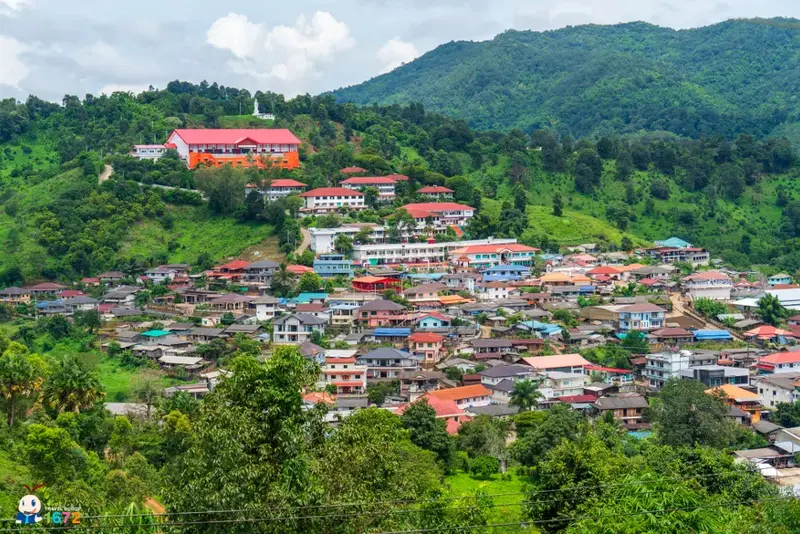
Doi Wawee is one of Chiang Rai’s increasingly talked-about highland destinations, known for combining cool mountain weather, tea culture, ethnic diversity, and broad scenic views in a single trip. Located in Wawee Subdistrict, Mae Suai District, Chiang Rai Province, this mountain area offers much more than a simple viewpoint. It is a living highland community where tea, coffee, village life, and mountain scenery all come together in a way that feels both peaceful and deeply rooted in place.
In the simplest terms, Doi Wawee is a mountain destination for travelers who want more than a quick stop. Visitors can enjoy cool weather throughout the year, walk through highland agricultural areas, see ornamental flower plots at the local highland agricultural station, explore village life among multiple ethnic communities, and relax with tea or coffee while looking out over layered mountain ridges.
Doi Wawee has a particularly strong multicultural character. The area is home to Akha, Yao, Lahu, Hmong, Karen, Shan, and Chinese Haw communities, among others. This makes the destination more than just a scenic upland route. It is also a cultural landscape where different ethnic traditions, religions, livelihoods, and local identities continue to coexist in a visible and meaningful way.
Historically, Doi Wawee is closely associated with the settlement of Chinese Haw communities linked to Division 93, who moved into the area around 1961. Their presence played a major role in the development of tea cultivation on the mountain, especially the introduction of Taiwanese oolong varieties. Over time, Doi Wawee became known as one of Thailand’s earliest important highland tea-growing areas, and tea remains one of the strongest symbols of the destination today.
The mountain setting is a major part of the experience. Doi Wawee is surrounded by layered ridges and deep valleys, creating wide scenic views in many directions. In the early morning or after rain, mist can gather in the lower valleys and soften the landscape, while in the late afternoon the mountain silhouettes become more defined in the changing light. This combination of broad views and cool air gives Doi Wawee a calm and rewarding highland atmosphere.
One of the best-known attractions in the area is the Wawee Highland Agricultural Experiment Station, now referred to as the Wawee Highland Agricultural Research and Development Center. This site plays an important role in local tourism because it combines agricultural learning with scenic travel. Visitors can enjoy ornamental cold-climate flower plots, plantation areas, mountain viewpoints, and a more relaxed environment that suits both sightseeing and slow travel.
The station area is especially enjoyable because it offers different moods across the day. Mornings are crisp and cool, making them ideal for walking around flower plots and scenic viewpoints. The late afternoon is also beautiful, as Doi Wawee is known as one of the pleasant sunset-viewing areas in the Mae Suai highlands. The changing light over the surrounding mountain ranges gives the place a soft and memorable atmosphere.
Another important destination linked with Doi Wawee is Doi Kad Phi, a cliffside viewpoint on the Doi Chang range at around 1,500 meters above sea level. It is known for sea-of-mist views and sweeping mountain panoramas during the cool season. When weather conditions are favorable, visitors can see broad layers of mountains and valleys filled with mist, making it one of the strongest natural highlights in the wider Wawee area.
For flower lovers, Doi Wawee has another seasonal advantage. The area has been planted with a very large number of Thai cherry blossom trees, or nang phaya suea khrong, giving it the character of a large mountain sakura zone during the colder months. Together with cool-climate ornamental flowers at the agricultural station, this makes Doi Wawee especially appealing for travelers who enjoy winter landscapes and soft seasonal color.
Tea is one of the most defining parts of the Doi Wawee experience. The area is known for oolong tea, Qing Xin varieties, and local Assam tea traditions. Travelers can stop at tea shops in Ban Wawee market, sample hot oolong, and learn more about the development of tea production on the mountain. One of the best-known stops is Wawee Tea, a well-known local tea business connected to the story of highland tea in the area.
Coffee also plays an important role in the local experience. Because the mountain climate is well suited to Arabica coffee, visitors often enjoy both tea and coffee during the same trip. This creates a particularly rich travel atmosphere: mornings may begin with fresh coffee in cool air, while afternoons slow down with fragrant oolong and mountain views. Doi Wawee therefore offers not only beautiful scenery, but also distinct flavors that help define the memory of the place.
Doi Wawee is especially well suited to a 2–3 day trip. The area is not just a scenic stop for a few photos. It includes the agricultural station, village communities, tea shops, mountain routes, sunset viewpoints, and connecting trips to places such as Doi Kad Phi. Staying overnight allows travelers to enjoy the full rhythm of the mountain, especially the colder and more atmospheric hours in the early morning and late evening.
For photographers, Doi Wawee is rewarding because it offers many different visual subjects: highland communities, flower plots, tea landscapes, sea of mountains, sea of mist, and winter blossoms. The area also benefits from beautiful light at both ends of the day, which makes it a strong destination for travelers who want to photograph both scenery and atmosphere rather than just landmark shots.
Traveling to Doi Wawee is more manageable than many people expect. From Chiang Rai city, travelers can take Highway 1 and then Highway 118 toward Mae Suai. Before reaching the district center, turn right onto Rural Road CR 3037 and continue up to Doi Wawee. The total distance is about 90 km. The road is suitable for regular vehicles, making the mountain accessible without needing a difficult off-road journey.
Getting There Visitors without a private car can still reach Doi Wawee by taking the yellow songthaew service running between Mae Suai and Wawee. According to tourism information, the service usually operates between about 08:00 and 17:00, with departure times depending on passenger demand. The return vehicle from Doi Wawee departs from the area in front of the Siriphan tea shop in Ban Wawee market.
One of the most attractive things about Doi Wawee is that it still feels like a mountain area with real life in it. This is not a destination built only as a tourist backdrop. The communities, agriculture, tea trade, and day-to-day local life remain active, which gives the place a stronger sense of authenticity than many more commercial viewpoints.
Overall, Doi Wawee is one of Chiang Rai’s most complete highland travel experiences for visitors who enjoy cool weather, mountain scenery, tea culture, winter flowers, multicultural communities, and slower travel. For anyone looking for a mountain destination with more depth than a quick viewpoint stop, Doi Wawee deserves real time on the itinerary.
| Name | Doi Wawee |
| Summary | A highland destination in Wawee, Mae Suai, Chiang Rai, known for oolong tea, multicultural communities, sea-of-mist scenery, Doi Kad Phi, and sunset views from the highland agricultural station |
| Location | Wawee Subdistrict, Mae Suai District, Chiang Rai Province |
| Highlights | Wawee Highland Agricultural Station, Doi Kad Phi, sea of mist, sea of mountains, oolong tea, fresh coffee, Mexican sunflowers, and a large Thai cherry blossom zone |
| History / Landscape Character | A highland community where Chinese Haw settlers linked to Division 93 moved in around 1961 and helped establish modern oolong cultivation on Doi Wawee |
| Distinctive Features | Cool mountain climate, ethnic diversity, tea and coffee culture, ornamental flower plots, sunset views, and village life on the highlands |
| Travel Information | From Chiang Rai, take Highway 1 and Highway 118, then turn onto Rural Road CR 3037 to Doi Wawee; total distance about 90 km, or use the Mae Suai–Wawee yellow songthaew |
| Current Status | Open to visitors and increasingly recognized as one of Mae Suai’s notable highland tourism areas |
| Open Days | Open Daily |
| Opening Hours | Accessible All Day / Mae Suai–Wawee songthaew service operates around 08:00–17:00 |
| Fees | No direct entrance fee information found for Doi Wawee itself |
| Facilities | Accommodation, camping areas, shops, and restaurants are available in the agricultural-station zone and surrounding community area |
| Caretaker | Wawee Subdistrict Administrative Organization / Highland agricultural authorities in the area |
| Main Contact Number | Wawee SAO: 053-602816 |
| Official Website / Official Page | www.wawee.go.th |
| Nearby Tourist Attractions | 1. Doi Kad Phi about 20 km 2. Doi Chang about 12 km 3. Doi Chang Buddhist Park about 14 km 4. Akha FarmVille about 18 km 5. Ban Wawee Market about 1 km |
| Nearby Restaurants | 1. Wawee Tea Shop about 1 km Tel. 095-414-8652 2. Laulee Hill Resort Restaurant about 8 km Tel. 053-760150-152, 081-9927686 3. Akha FarmVille Cafe about 18 km Tel. 095-665-2339 |
| Nearby Accommodations | 1. Laulee Hill Resort about 8 km Tel. 053-760150-152, 081-9927686 2. WAWEE Retreat about 17 km Tel. 063-951-5974 3. Lodging and camping areas in the Wawee Highland Agricultural Station zone about 2 km |
Frequently Asked Questions (FAQ)
Q: Where is Doi Wawee?
A: It is in Wawee Subdistrict, Mae Suai District, Chiang Rai Province, in a highland area known for tea, mountain scenery, and multicultural communities.
Q: What is Doi Wawee best known for?
A: It is best known for oolong tea, cool mountain weather, sea-of-mist scenery, Doi Kad Phi, highland flower plots, and village life on the mountain.
Q: When is the best time to visit?
A: The late rainy season and cool season are especially attractive for mist, cold weather, and Thai cherry blossom scenery.
Q: How many days should I spend there?
A: At least 2–3 days is ideal if you want time for the agricultural station, villages, tea shops, viewpoints, and nearby mountain attractions.
Q: Can I visit without a private car?
A: Yes. You can take the yellow songthaew service between Mae Suai and Wawee.
Q: Is there accommodation in the area?
A: Yes. There are lodging options, camping areas, and private stays in the wider Doi Wawee and nearby Doi Chang area.
 Category: ●Nature and Wildlife
 Group: ●Mountain (Doi)
Last Update : 6 MonthAgo
 Last Update : 6 MonthAgo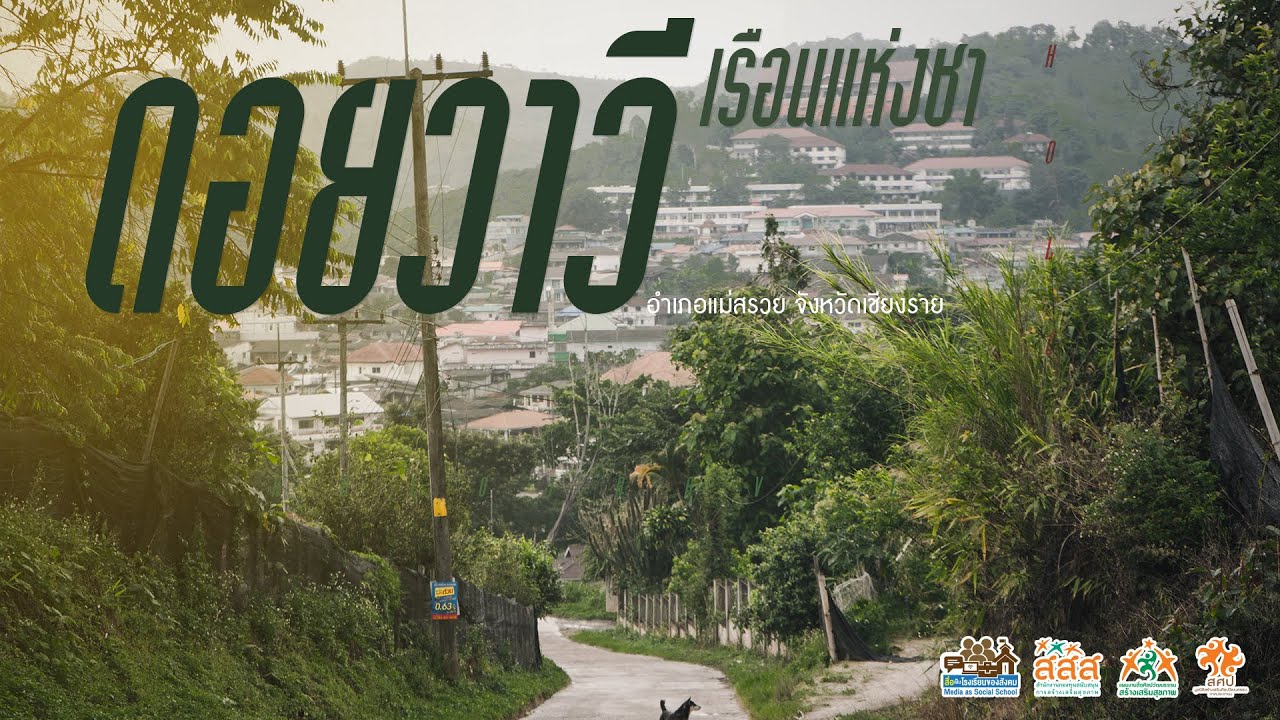
 Click to Access the Navigation Map GPS
 Art, Culture and Heritage
 Historical Sites and Monuments(3)
 Landmarks and Memorials(7)
 Art, Craft Centres, Tradition(6)
 Museums(8)
 Historic Homes and Cities(1)
 Educational Places
 Museum for Study(1)
 Library(1)
 Educational Gardens, Farm(3)
 Places of Worship
 Temple(38)
 Other Sacred Sites(5)
 Research and Development
 Royal Project(9)
 Suburban Living
 Village, Community(16)
 Local Market(5)
 National Parks and Marine Reserves(18)
Mountain (Doi)(20)
National Parks and Marine Reserves(18)
Mountain (Doi)(20)
 Dam, Reservoir, Lake(8)
 Waterfalls(16)
 Hot Springs(6)
 Caves(8)
 River, Canal(10)
 Sea, Beach(1)
 Other natural attractions(3)
 Entertainment and Agricultural
 Animal camps and shows(1)
 Farms, Parks and Ecotourism(9)
 Shopping
 Shopping and Night Market(2)
 Call Customer Service in Tourism
 Call Customer Service in Tourism(1)
 Travel Articles, Recipes
 Travel Review, Food Review(1)
 Food Menu, North Recipes(1)


