
lovethailand home >North Travel Attractions >Chiang Rai Travel Attractions >Mae Suai >Mae Phrik > King Naresuan the Great Shrine
TL;DR: King Naresuan the Great Shrine is located at Moo 13, Mae Phrik Subdistrict, Mae Suai District, Chiang Rai Province, on the Chiang Rai–Chiang Mai Road beside Mae Suai Hospital.
King Naresuan the Great Shrine
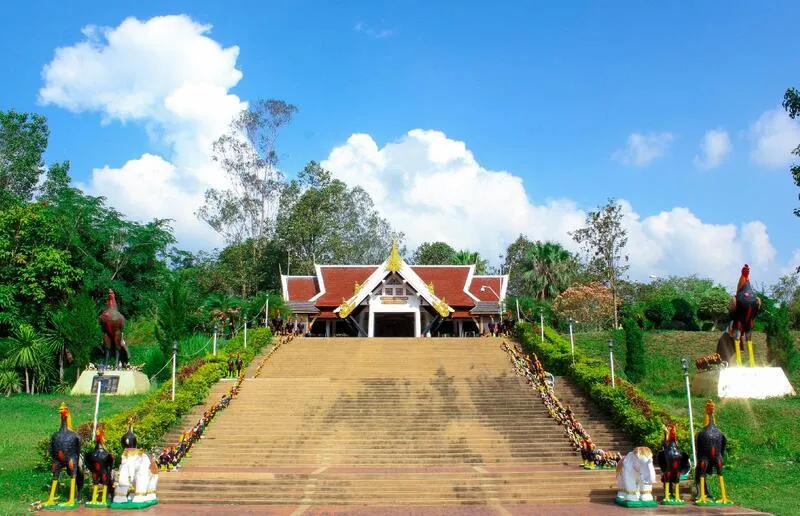
Operating day: Daily
Operating time: 08.00 - 17.00
King Naresuan the Great Shrine in Mae Suai, Chiang Rai, is an important roadside shrine and historical stop located on the Chiang Rai–Chiang Mai route in Mae Phrik Subdistrict. It is a place where many travelers stop to pay respect, ask for blessings, and reflect on the legacy of King Naresuan the Great as a symbol of courage, patriotism, and the restoration of Thai independence. Because of its location on a major interprovincial road, the shrine serves not only as a sacred place, but also as a meaningful and practical stop for people traveling through northern Thailand.
The shrine stands beside Mae Suai Hospital in Moo 13, Mae Phrik Subdistrict, making it easy to reach from the main road. This accessibility is one of the reasons why it has become such a well-known stop for both local people and passing travelers. Visitors do not need to leave the main route by much, and the site works well as a place to rest, pay respect, and continue the journey with a sense of reassurance and good fortune.
The deeper significance of the shrine comes from its connection to Thai historical memory. Local understanding links the site to the route of King Naresuan’s military movement in the north. Whether visitors arrive with strong historical interest or simply know the king as one of Thailand’s most revered warrior-monarchs, the shrine creates a space where national history becomes personal and immediate. Paying respect here is therefore not only a religious or symbolic act, but also an expression of gratitude toward a king remembered for protecting the kingdom and preserving its independence.
One of the strongest features of the site is that it is designed to welcome real travelers rather than functioning only as a formal monument. Within the shrine grounds, visitors will find made-to-order food stalls, drinks, and clean restrooms. These practical facilities make the shrine especially useful for people driving between Chiang Rai and Chiang Mai, families traveling with children, and groups needing a comfortable stop during a longer road trip. This combination of sacred atmosphere and useful amenities gives the place a very distinctive identity.
Another major point of interest is the historical exhibition hall within the shrine compound. This hall presents information related to the military journey and the historical significance associated with King Naresuan. Because of this, the site is not only a place for prayer and respect, but also a place of learning. Visitors can gain a better understanding of why the shrine matters to local people and how memory of the king has been preserved through regional history and public commemoration.
The atmosphere around the shrine is especially pleasant. The grounds are filled with a variety of trees and greenery, creating a shady and refreshing environment that helps visitors relax after time on the road. This green setting makes the site feel more welcoming and less formal than some memorial spaces. Instead of moving quickly through a rigid ceremonial area, visitors can take a slower pace, rest in the shade, and spend time absorbing the place with a calmer frame of mind.
In emotional terms, the shrine holds considerable meaning for many Thai visitors. King Naresuan is remembered not only as a historical ruler, but as a national hero whose name carries strength, bravery, and sacrifice. For some people, stopping here is a way to seek protection for the road ahead. For others, it is a way to honor the king and express gratitude. This range of meanings gives the shrine a living role in people’s journeys, making it more than a static monument.
The shrine is open to visitors throughout the year, which adds to its importance as a regular part of travel in Mae Suai. Unlike places that are mainly visited during a single festival season, this shrine serves travelers continuously. People stop here on ordinary weekdays, during holiday journeys, and while moving between provinces. That continuity keeps the site active and connected to daily life, not only to formal remembrance ceremonies.
The most active annual period is from 23 to 25 January, when the shrine hosts a ceremonial commemoration in honor of King Naresuan the Great. This annual event is organized as an expression of gratitude for the king’s role in protecting Thai independence and preserving the kingdom. It also supports Thai arts, local traditions, and community participation. Visitors during this period can experience a much more festive atmosphere than usual, with local events and cultural activities taking place in and around the shrine grounds.
Because of its location, the shrine works especially well for travelers looking for a stop that combines symbolic meaning with convenience. It is a place to make merit, learn something about history, rest, eat, use the restroom, and continue the journey feeling refreshed. Very few roadside destinations manage to combine all of these functions so naturally. This is why the shrine remains one of the more memorable stops along the Chiang Rai–Chiang Mai road.
For people interested in historical tourism, the shrine is also notable because it shows how local communities create and maintain spaces of national memory. The site does not exist only as a religious structure or a decorative monument. It acts as a living point of connection between local identity and the history of the Thai nation. The presence of the exhibition hall strengthens this role and gives visitors a reason to engage intellectually as well as emotionally with the place.
Travelers planning a route through Mae Suai can easily include the shrine as part of a broader local itinerary. It pairs well with nearby scenic and cultural attractions in the district and serves as a comfortable first stop before continuing toward mountain areas, reservoirs, cafés, or temples in the wider Mae Suai zone. This flexibility makes it suitable for both quick visits and slower road-trip itineraries.
Getting There The shrine is located directly on the Chiang Rai–Chiang Mai road in Mae Phrik Subdistrict, Mae Suai District, Chiang Rai Province, beside Mae Suai Hospital and around kilometer 129 on the route. It is easy to access from either Chiang Rai or Chiang Mai by private car or public transport. Because it lies directly on the main road, it is ideal for travelers who want a convenient stop without making a long detour.
| Name | King Naresuan the Great Shrine |
| Overview | An important shrine on the Chiang Rai–Chiang Mai route in Mae Suai, widely visited for blessings, historical remembrance, and respect toward King Naresuan the Great as a symbol of patriotism and national courage. |
| Location | Moo 13, Mae Phrik Subdistrict, Mae Suai District, Chiang Rai Province, on the Chiang Rai–Chiang Mai Road beside Mae Suai Hospital |
| Highlights | King Naresuan shrine, military history exhibition hall, shaded grounds, food and drinks, clean restrooms, convenient roadside access |
| Historical Importance | A commemorative site linked to the historical memory of King Naresuan’s northern military route and his role in restoring Thai independence |
| Distinctive Features | A sacred roadside shrine with an attached exhibition space, practical traveler facilities, and a peaceful tree-filled atmosphere |
| Current Status | Open as a shrine, historical learning site, and travel stop in Mae Suai District |
| Open Days | Daily |
| Opening Hours | Not Available |
| Entrance Fee | Free |
| Supervisor / Main Contact | Mae Phrik Subdistrict Administration Organization |
| Main Contact Number | 053-786368 |
| Travel Information | Located directly on the Chiang Rai–Chiang Mai road at kilometer 129, beside Mae Suai Hospital, with easy access by private car and public transport |
| Facilities | Made-to-order food, drinks, clean restrooms, shaded rest area, historical exhibition hall |
| Nearby Tourist Attractions | 1. Mae Suai Dam – 13 km 2. Wat Saeng Kaew Photiyan – 18 km 3. Charin Garden Resort & Coffee – 14 km 4. Mae Suai Reservoir – 12 km 5. Doi Chang – 30 km |
| Nearby Restaurants | 1. Khun Loh Café – 6 km 2. Khuen Mae Suai 2 – 13 km 3. Phu Nam Suai, Mae Suai Dam – 13 km 4. Nam Ngiao Mae Suai behind Mae Suai Kindergarten – 3 km 5. Doi Chang Caffé Mae Suai – 5 km |
| Nearby Accommodations | 1. Mae Phrik Valley Resort – 2 km, Tel. 086-190-0736 2. Kalae Hotel Mae Suai – 4 km, Tel. 084-223-7960, 062-594-9447 3. AZALA – 4 km, Tel. 090-319-1874 4. My Story Doichang Chiangrai – 22 km 5. Lovebird Resort – 5 km, Tel. 092-989-8842 |
Frequently Asked Questions (FAQ)
Q: Where is King Naresuan the Great Shrine in Mae Suai?
A: It is located on the Chiang Rai–Chiang Mai road in Mae Phrik Subdistrict, Mae Suai District, Chiang Rai Province, beside Mae Suai Hospital.
Q: Is there an entrance fee?
A: No. The shrine can be visited free of charge.
Q: What can visitors see inside the shrine area?
A: Visitors can pay respect at the shrine, explore the military history exhibition hall, and use the food, drink, and restroom facilities.
Q: When is the annual ceremony held?
A: The annual commemoration and worship ceremony is held every year from 23 to 25 January.
Q: What kind of trip is this place suitable for?
A: It is suitable for worship, short roadside stops, historical learning, family travel, and rest breaks between Chiang Rai and Chiang Mai.
Q: How much time should I spend here?
A: Most visitors spend around 30 minutes to 1 hour, depending on whether they also stop for food or explore the exhibition hall.
Tel : 053786368
 Tel : 053786368
 Category: ●Places of Worship
 Group: ●Other Sacred Sites
Last Update : 5 MonthAgo
 Last Update : 5 MonthAgo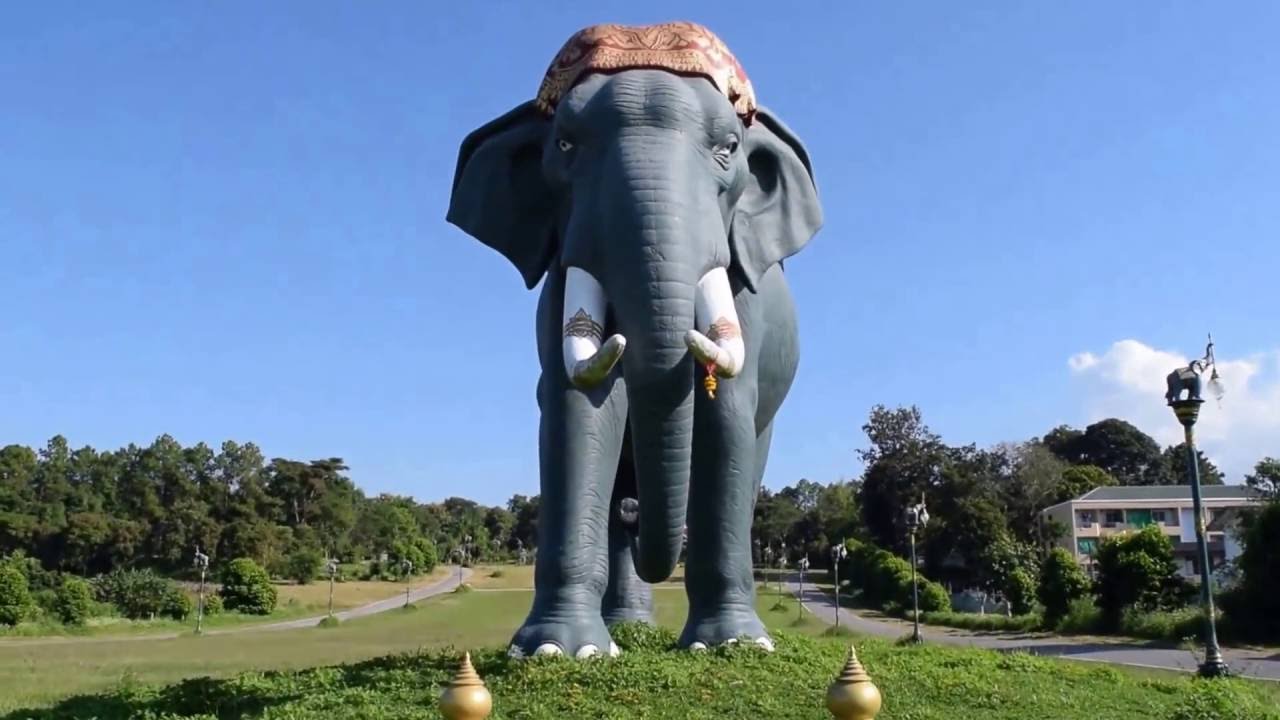
 Click to Access the Navigation Map GPS
King Naresuan the Great Shrine Map
Recommend

 Art, Culture and Heritage
 Historical Sites and Monuments(3)
 Landmarks and Memorials(7)
 Art, Craft Centres, Tradition(6)
 Museums(8)
 Historic Homes and Cities(1)
 Educational Places
 Museum for Study(1)
 Library(1)
 Educational Gardens, Farm(3)
 Temple(38)
Other Sacred Sites(5)
Temple(38)
Other Sacred Sites(5)
 Research and Development
 Royal Project(9)
 Suburban Living
 Village, Community(16)
 Local Market(5)
 Nature and Wildlife
 National Parks and Marine Reserves(18)
 Mountain (Doi)(20)
 Dam, Reservoir, Lake(8)
 Waterfalls(16)
 Hot Springs(6)
 Caves(8)
 River, Canal(10)
 Sea, Beach(1)
 Other natural attractions(3)
 Entertainment and Agricultural
 Animal camps and shows(1)
 Farms, Parks and Ecotourism(9)
 Shopping
 Shopping and Night Market(2)
 Call Customer Service in Tourism
 Call Customer Service in Tourism(1)
 Travel Articles, Recipes
 Travel Review, Food Review(1)
 Food Menu, North Recipes(1)


