
lovethailand home >North Travel Attractions >Chiang Rai Travel Attractions >Wiang Pa Pao >Mae Chedi Mai > Huai Pong Royal Project Development Center
TL;DR: Huai Pong Royal Project Development Center is located at Ban Huai Pong, Moo 13, Mae Chedi Mai Subdistrict, Wiang Pa Pao District, Chiang Rai, open Daily, hours 06:00 – 18:00.
Huai Pong Royal Project Development Center
Open Days: Daily
Opening Hours: 06:00 – 18:00
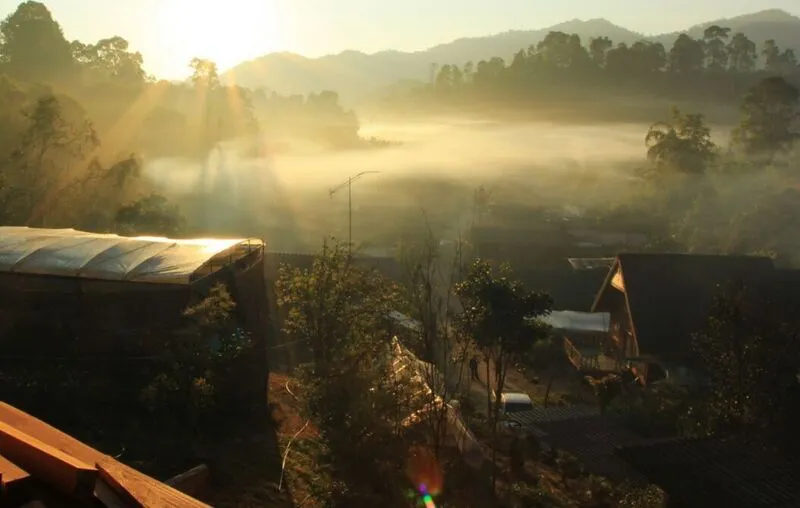
Huai Pong Royal Project Development Center is one of the most rewarding highland travel destinations in Chiang Rai for visitors who want more than just a scenic stop. This is not simply a place to see vegetable plots or spend a quiet night in a mountain valley. It is also a living example of how a highland community moved away from opium cultivation and shifting agriculture toward a more sustainable system of farming, forest recovery, and improved quality of life. For travelers, that means Huai Pong offers not only nature and fresh air, but also a deeper understanding of how highland communities have changed over time.
Huai Pong Royal Project Development Center was established in 1982 on an area of about 75 rai. The original working team included the Hill Tribe Research Institute in Chiang Mai, the Hill Tribe Development and Welfare Center, and the Faculty of Agriculture at Chiang Mai University. In the beginning, the main goal was to conduct research on highland agricultural promotion by testing field crops, vegetables, flowers, and fruit trees to identify which varieties were most suitable for the local landscape and climate before extending that knowledge to farmers in the surrounding communities.
In February 1984, Her Royal Highness Princess Maha Chakri Sirindhorn made her first visit to the center. This was an important milestone for the area, as it reflected the significance of the project and supported the continuation of research and development. The research phase continued until around 1987, after which the center moved more fully into agricultural promotion and livelihood support, a role that it continues to carry out today.
Huai Pong Royal Project Development Center is located in Ban Huai Pong, Moo 13, Mae Chedi Mai Subdistrict, Wiang Pa Pao District, Chiang Rai. It sits at an average elevation of around 780 meters above sea level and has an area of responsibility of about 17.73 square kilometers, or roughly 11,083.06 rai. The landscape is dominated by valleys with only small intermountain plains, and much of the area has steep slopes ranging from around 45 to 90 percent. Although this creates physical constraints, it also gives the area excellent potential for certain cool-climate crops and makes the scenery especially distinctive.
The local climate supports highland agriculture well. The average temperature is around 21.75 degrees Celsius, and the area receives about 1,600 millimeters of rain per year. The communities served by the center include 5 villages with around 370 households and a population of about 1,549 people. These communities include Black Lahu people, local northern Thai residents, and Buddhist communities in nearby villages such as Ban Pa Miang, Ban Sop Pong, Ban Pa Tong, and Ban Pong Nam Ron. This social diversity gives Huai Pong a strong cultural character as well as agricultural significance.
One of the main attractions of Huai Pong is that visitors can observe the real work and real produce of the center rather than simply looking at decorative tourism displays. The center opens its activities to visitors, allowing them to walk through demonstration plots and see the results of agricultural research in practice. These include new vegetable plots featuring muskmelon, green oakleaf lettuce, red coral lettuce, improved Chinese cabbage, broccoli, orange-heart Chinese cabbage, flowering kale, red lettuce, sweet lettuce, green beans, and snow peas. For travelers interested in food, farming, or rural development, these plots show clearly how research has been turned into practical support for local livelihoods.
The flower plots add another visual dimension to the center. Visitors can see leatherleaf fern, calla lilies, and various dried flowers such as bunch stars, pearl grass, white straw grass, Isan star flowers, and setaria. These plots make Huai Pong feel lively and beautiful throughout the year. For photographers and travelers who enjoy flower gardens with a more natural atmosphere, the area is especially appealing because the flowers are part of real agricultural production rather than just ornamental decoration.
The center also has temperate fruit plots featuring plum, persimmon, and sweet passion fruit. These help define the area’s identity as a highland agricultural destination. Walking through the fruit plots gives visitors a better sense of how the Royal Project system works in practice by choosing crops that match the local altitude and climate, then supporting communities until those crops become reliable sources of income.
Beyond the center itself, the surrounding area connects easily with other natural attractions. The closest and most well-known is Mae Khachan Natural Hot Spring, located about 3 kilometers away. It is a famous stop on the Chiang Mai–Chiang Rai highway and offers natural hot spring pools, seating areas, souvenir shops, restaurants, and private mineral bath services. This makes it easy to combine a visit to Huai Pong with a short stop for relaxation on the same day or as part of an overnight trip.
Two other nearby natural sites are Pa Phalom Waterfall and Pa Miang Waterfall. Pa Phalom Waterfall is a small three-tier waterfall, with its second tier featuring a high cliff and the third tier known for its wind tunnel-like formation. Pa Miang Waterfall is seen as an important water source for the local community, almost like a lifeline for the surrounding villages. These spots are ideal for travelers who enjoy quieter forest landscapes and want to add a gentle nature element to their trip.
Culturally, Huai Pong is especially interesting because of its Black Lahu community. Visitors can experience aspects of Black Lahu New Year celebrations, usually around January to February, as well as traditional knife forging and rice pounding using a wooden foot-operated mortar. These activities make a visit to Huai Pong richer than simply walking through agricultural plots. They allow travelers to see how local culture and daily life still remain active in the area.
Souvenirs from Huai Pong are simple but closely connected to the identity of the place. Seasonal highland vegetables are a direct expression of the center’s agricultural work, while traditional Lahu knives represent local craftsmanship and inherited practical skills. Buying souvenirs here is not just about bringing something home, but also about supporting the local economy and carrying away a more personal memory of the destination.
Huai Pong also has an advantage when it comes to accommodation. Inside the center there is one guesthouse that can accommodate around 15 people at a rate of 50 baht per person per night. There are also rental tents for 2–4 people at 100 baht per night, sleeping bags for 20 baht per bag per night, and a camping-area fee of 50 baht per tent if visitors bring their own. In addition, there is a traditional Lahu-style house within the cultural center area, which adds an extra dimension for those who want a more immersive local experience.
Food is also relatively convenient. The center provides made-to-order meals, although advance booking is recommended. For restaurants outside the center, travelers need to drive out for about 2 kilometers or more. This means Huai Pong works well both for half-day visitors and for those who want to stay overnight and enjoy the cooler mountain atmosphere in the early morning or evening.
Getting There Huai Pong Royal Project Development Center is relatively easy to reach. From Chiang Mai, follow Highway 118 toward Chiang Rai. At Kilometer 64, turn left and continue for about 3 kilometers. The total distance from Chiang Mai is around 67 kilometers, and the trip usually takes about 1 to 2 hours. All types of vehicles can access the route, making the destination suitable both for self-drive travelers and for those using hired transport. Local hired vehicle fares are usually around 40 baht per person, while private charter rates are approximately 800 baht per vehicle, depending on negotiation.
From a practical travel-planning perspective, Huai Pong is an excellent destination for travelers who want to enjoy the Chiang Mai–Chiang Rai route without rushing. It can easily be combined with Mae Khachan Hot Spring, nearby waterfalls, and attractions in Wiang Pa Pao District. A short visit is possible, but an overnight stay provides a better chance to enjoy the mountain setting and the slower rhythm of the area, especially in the morning and evening when the valley atmosphere feels most refreshing.
Overall, Huai Pong Royal Project Development Center is ideal for travelers who appreciate nature, agriculture, culture, and places with more substance than a standard check-in stop. It offers insight into highland development, visible community change, real agricultural plots, active Black Lahu traditions, and nearby natural attractions that fit naturally into the same journey. For anyone seeking a meaningful Chiang Rai travel experience, Huai Pong deserves serious consideration.
| Name | Huai Pong Royal Project Development Center |
| Location Summary | A highland agricultural, cultural, and nature destination in Wiang Pa Pao District, Chiang Rai, known for experimental vegetable plots, flower plots, temperate fruits, Black Lahu culture, and easy access to Mae Khachan Hot Spring. |
| Location | Ban Huai Pong, Moo 13, Mae Chedi Mai Subdistrict, Wiang Pa Pao District, Chiang Rai |
| Address | Huai Pong Royal Project Development Center, Ban Huai Pong, Moo 13, Mae Chedi Mai, Wiang Pa Pao, Chiang Rai 57260 |
| Coordinates | Huai Pong area, Mae Chedi Mai Subdistrict, Wiang Pa Pao District, Chiang Rai |
| Highlights | Experimental vegetable plots, flower plots, leatherleaf fern, calla lilies, dried flowers, plum, persimmon, sweet passion fruit, Black Lahu culture, and proximity to Mae Khachan Hot Spring. |
| History / Period | Established in 1982 as a highland agricultural research and promotion center before expanding into long-term livelihood support for local communities. |
| Caretaker | Huai Pong Royal Project Development Center / Royal Project Foundation |
| Distinctive Features | A valley-based highland area with steep slopes of around 45–90%, cool climate throughout the year, and strong suitability for vegetables, flowers, and selected temperate fruits. |
| Travel Information | From Chiang Mai, follow Highway 118 to Kilometer 64, then turn left and continue about 3 kilometers. All vehicle types can access the center, and the journey usually takes around 1–2 hours. |
| Current Status | Open for visitors to observe the center’s activities. |
| Open Days | Daily |
| Opening Hours | 06:00 – 18:00 |
| Entrance Fee | No verified public entrance fee information. |
| Facilities | One guesthouse, rental tents, sleeping bag rental, camping area, made-to-order food service by advance booking, and a traditional Lahu-style house in the cultural center area. |
| On-site Lodging Rates | Guesthouse 50 THB/person/night, tent 100 THB/night, sleeping bag 20 THB/night, own tent area fee 50 THB/tent/night. |
| Main Contact Number | 053-609568, 087-190-1272 |
| Official Website / Official Page | Chiang Rai tourism information (COTS) / Facebook: Huai Pong Royal Project Development Center |
| Nearby Tourist Attractions | 1. Mae Khachan Natural Hot Spring – approx. 3 km 2. Pa Phalom Waterfall – approx. 6 km 3. Pa Miang Waterfall – approx. 8 km 4. Huai Nam Rin Royal Project Development Center – approx. 14 km 5. Wiang Kalong – approx. 18 km |
| Nearby Restaurants | 1. Huai Pong Center Made-to-Order Restaurant – on-site, Tel. 053-609568 2. Restaurant and cafe zone at Mae Khachan Hot Spring – approx. 3 km 3. Nam Ngiao Si Khok Mae Khachan – approx. 4 km 4. Nongkarn Shrimp Pond, Mae Khachan – approx. 5 km, Tel. 086-919-0063 5. Analog House Cafe n’ Craft – approx. 6 km |
| Nearby Accommodations | 1. Huai Pong Center Guesthouse – on-site, Tel. 053-609568 2. Hao Hug Maekhachan Hotel – approx. 6 km, Tel. 062-545-7999, 094-782-9899 3. Montharntham Resort – approx. 7 km, Tel. 086-792-1114, 084-378-4471 4. Owl Homes – approx. 6 km, Tel. 064-312-9769 5. Palm Hug Resort Wiang Pa Pao – approx. 14 km, Tel. 090-332-2866 |
Frequently Asked Questions (FAQ)
Q: Is Huai Pong Royal Project Development Center open every day?
A: Yes. The information used in this article states that the center is open daily from 06:00 to 18:00.
Q: What are the main highlights of Huai Pong Royal Project Development Center?
A: The main highlights are the experimental vegetable plots, flower plots, temperate fruit plots, Black Lahu cultural experiences, and the nearby Mae Khachan Hot Spring.
Q: What is the best time to visit?
A: It can be visited year-round, but the late rainy season through winter is especially pleasant because the weather is cooler and the agricultural plots look particularly fresh and attractive.
Q: Is accommodation available inside the center?
A: Yes. There is a guesthouse, rental tents, a camping area, and additional private accommodation options in the Mae Khachan and Wiang Pa Pao area.
Q: Is there food service inside the center?
A: Yes. The center has a made-to-order food service, but advance booking is recommended. Additional dining options are available outside the center a short drive away.
Q: Can regular cars access the center?
A: Yes. All types of vehicles can access the center, making it easier to reach than many other highland destinations.
Q: What nearby places can be combined with the trip?
A: Visitors can combine Huai Pong with Mae Khachan Hot Spring, Pa Phalom Waterfall, Pa Miang Waterfall, Wiang Kalong, and Huai Nam Rin Royal Project Development Center.
 Category: ●Research and Development
 Group: ●Royal Project
Last Update : 6 MonthAgo
 Last Update : 6 MonthAgo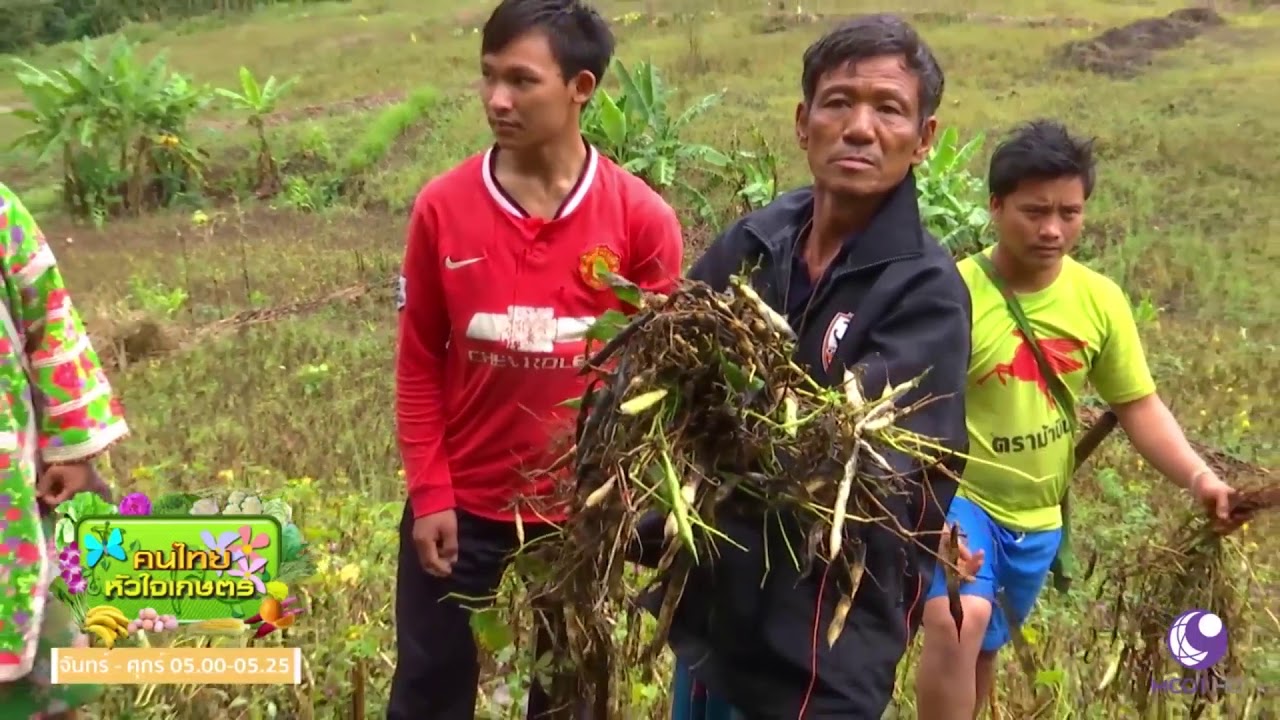
 Click to Access the Navigation Map GPS
Huai Pong Royal Project Development Center Map
Recommend

 Art, Culture and Heritage
 Historical Sites and Monuments(3)
 Landmarks and Memorials(7)
 Art, Craft Centres, Tradition(6)
 Museums(8)
 Historic Homes and Cities(1)
 Educational Places
 Museum for Study(1)
 Library(1)
 Educational Gardens, Farm(3)
 Places of Worship
 Temple(38)
 Other Sacred Sites(5)
Royal Project(9)
Other Sacred Sites(5)
Royal Project(9)
 Suburban Living
 Village, Community(16)
 Local Market(5)
 Nature and Wildlife
 National Parks and Marine Reserves(18)
 Mountain (Doi)(20)
 Dam, Reservoir, Lake(8)
 Waterfalls(16)
 Hot Springs(6)
 Caves(8)
 River, Canal(10)
 Sea, Beach(1)
 Other natural attractions(3)
 Entertainment and Agricultural
 Animal camps and shows(1)
 Farms, Parks and Ecotourism(9)
 Shopping
 Shopping and Night Market(2)
 Call Customer Service in Tourism
 Call Customer Service in Tourism(1)
 Travel Articles, Recipes
 Travel Review, Food Review(1)
 Food Menu, North Recipes(1)


