
lovethailand home >North Travel Attractions >Chiang Rai Travel Attractions >Mae Chan >Mae Kham > Kham River
TL;DR: Kham River is located at Important sections pass through Mae Chan, Doi Luang, and Chiang Saen Districts in Chiang Rai, open Open year-round, hours Scenic visits are possible throughout the day, with morning and late afternoon.
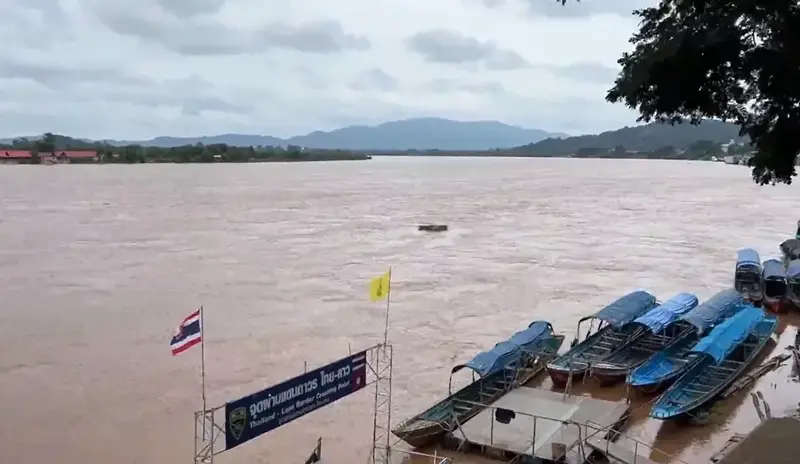
Kham River
Open Days: Open year-round
Opening Hours: Scenic visits are possible throughout the day, with morning and late afternoon being especially pleasant
The Mae Kham River is one of Chiang Rai’s lesser-known but deeply important waterways. It may not be as famous as the Mekong, yet for local communities it has long played a major role in agriculture, settlement, and daily life. For travelers interested in seeing a more grounded and rural side of Chiang Rai, the Mae Kham River offers a meaningful landscape shaped by farming, village life, and the quiet connection between water and livelihood.
The river begins in the mountain range of the Mae Chan area and flows through important agricultural parts of Chiang Rai before joining the Mekong River at Sop Kham in Chiang Saen District. Its total length is about 85 kilometers. Although it is a relatively small river, its importance is substantial because it supports farming communities along much of its route.
One of the river’s defining characteristics is its close relationship with agriculture. Communities in Mae Chan, Doi Luang, and Chiang Saen have long used the river for rice cultivation and for other field crops. This is one of the reasons the Mae Kham stands out. Even as a smaller river, it has been more useful for agriculture than many other streams in the province.
Local farmers have also built two weirs or small dams themselves for irrigation purposes. This detail gives the river added cultural and practical significance. It shows that the Mae Kham is not simply part of the natural scenery, but also part of a lived and managed agricultural landscape shaped by local knowledge and cooperation.
For tourism, the Mae Kham River is best appreciated not as a single major landmark but as a travel landscape. It offers views of rural riverbanks, farmland, local communities, and the final confluence area where it joins the Mekong near Chiang Saen. Travelers who enjoy slower, quieter destinations will likely find this river especially rewarding because its beauty lies in its authenticity rather than spectacle.
The confluence at Sop Kham is particularly interesting because it marks the point where this smaller local river meets one of Asia’s great international rivers. This creates a strong contrast in scale and gives the Mae Kham a wider geographical meaning. It also connects river-based local life with the larger historical and cultural landscape of Chiang Saen and the Mekong corridor.
Getting There is easiest by private car. Travelers who want to experience the river meaningfully should explore the Mae Chan, Doi Luang, and Chiang Saen sections, with Sop Kham near Chiang Saen being one of the best places to connect the river story with nearby heritage attractions and Mekong viewpoints.
Overall, the Mae Kham River is a destination for travelers who want to understand Chiang Rai through water, agriculture, and local life. It is not a flashy attraction, but it is a meaningful one. Its strength lies in showing how a smaller river can sustain communities and shape a region in lasting ways.
| Name | Mae Kham River |
| Summary | An important local river in Chiang Rai flowing from the northern mountain zone through agricultural communities before joining the Mekong at Sop Kham in Chiang Saen. |
| Location | Important sections pass through Mae Chan, Doi Luang, and Chiang Saen Districts in Chiang Rai |
| Highlights | A small but highly useful agricultural river, community-built weirs, rural scenery, and its confluence with the Mekong at Sop Kham |
| History / Significance | A long-standing river resource for rice cultivation and field crops, with two irrigation weirs built by local farmers themselves |
| Distinctive Features | About 85 km long and especially important to agriculture despite being a relatively small river |
| Travel Information | Best explored by private car through Mae Chan, Doi Luang, and Chiang Saen, especially near Sop Kham where the river joins the Mekong |
| Current Status | Still an important agricultural river for communities in northern and northeastern Chiang Rai |
| Open Days | Open year-round |
| Opening Hours | Scenic visits are possible all day; morning and late afternoon are especially pleasant |
| Fees | No general sightseeing fee for public river access points |
| Caretaker | A natural river landscape crossing multiple districts; local reference points near the lower river include Chiang Saen local authorities and the Sop Kham community area |
| Main Contact Number | Wiang Chiang Saen Municipality: 053-777-081 |
| Nearby Tourist Attractions | 1. Sop Kham, Chiang Saen, about 0 km 2. Wat Phra That Pha Ngao, about 2 km 3. Chiang Saen Ancient Town, about 4 km 4. Chiang Saen National Museum, about 5 km 5. Golden Triangle, about 11 km |
| Nearby Restaurants | 1. Ciao Pa Golden Triangle, about 11 km, Tel. 081-883-1957 2. Aom Kitchen Chiang Saen, about 5 km 3. Rim Khong Restaurant Chiang Saen, about 4 km 4. Mekong riverside restaurants in Chiang Saen, about 4 km 5. Restaurants in the Golden Triangle zone, about 11 km |
| Nearby Accommodations | 1. Imperial Golden Triangle Resort, about 11 km, Tel. 053-784-009 2. Siam Triangle Hotel, about 11 km, Tel. 053-784-555 3. Greater Mekong Lodge, about 10 km, Tel. 053-784-040 4. Four Seasons Tented Camp Golden Triangle, about 13 km, Tel. 053-910-200 5. Riverside hotels in Chiang Saen town, about 4–6 km |
Frequently Asked Questions (FAQ)
Q: Where does the Mae Kham River begin?
A: It begins in the mountain range of the Mae Chan area in Chiang Rai.
Q: Where does the Mae Kham River end?
A: It flows into the Mekong River at Sop Kham in Chiang Saen District.
Q: How long is the Mae Kham River?
A: The river is about 85 kilometers long.
Q: Why is the Mae Kham River important?
A: It is highly important for agriculture, especially for rice fields and other field crops in Mae Chan, Doi Luang, and Chiang Saen.
Q: Are there irrigation structures on the river?
A: Yes. Local farmers have built two weirs or small dams to support agricultural water use.
Q: What is the best way to explore the river?
A: A private car is the most convenient option, especially if you want to combine the river route with Chiang Saen heritage sites and Mekong viewpoints.
Q: When is the best time to visit?
A: The late rainy season and early cool season are especially attractive because the riverside agricultural landscape looks lush and green.
 Category: ●Nature and Wildlife
 Group: ●River, Canal
Last Update : 4 MonthAgo
 Last Update : 4 MonthAgo
 Click to Access the Navigation Map GPS
 Art, Culture and Heritage
 Historical Sites and Monuments(3)
 Landmarks and Memorials(7)
 Art, Craft Centres, Tradition(6)
 Museums(8)
 Historic Homes and Cities(1)
 Educational Places
 Museum for Study(1)
 Library(1)
 Educational Gardens, Farm(3)
 Places of Worship
 Temple(38)
 Other Sacred Sites(5)
 Research and Development
 Royal Project(9)
 Suburban Living
 Village, Community(16)
 Local Market(5)
 National Parks and Marine Reserves(18)
 Mountain (Doi)(20)
 Dam, Reservoir, Lake(8)
 Waterfalls(16)
 Hot Springs(6)
 Caves(8)
River, Canal(10)
Caves(8)
River, Canal(10)
 Sea, Beach(1)
 Other natural attractions(3)
 Entertainment and Agricultural
 Animal camps and shows(1)
 Farms, Parks and Ecotourism(9)
 Shopping
 Shopping and Night Market(2)
 Call Customer Service in Tourism
 Call Customer Service in Tourism(1)
 Travel Articles, Recipes
 Travel Review, Food Review(1)
 Food Menu, North Recipes(1)


