
lovethailand home >North Travel Attractions >Chiang Rai Travel Attractions >Chiang Saen >Wiang > Wat Sangkha Kaew Don Han
TL;DR: Wat Sangkha Kaew Don Han is located at Wiang Subdistrict, Chiang Saen District, Chiang Rai, open Every Day, hours 08:00 – 17:00.

Wat Sangkha Kaew Don Han
Open Days: Every Day
Opening Hours: 08:00 – 17:00
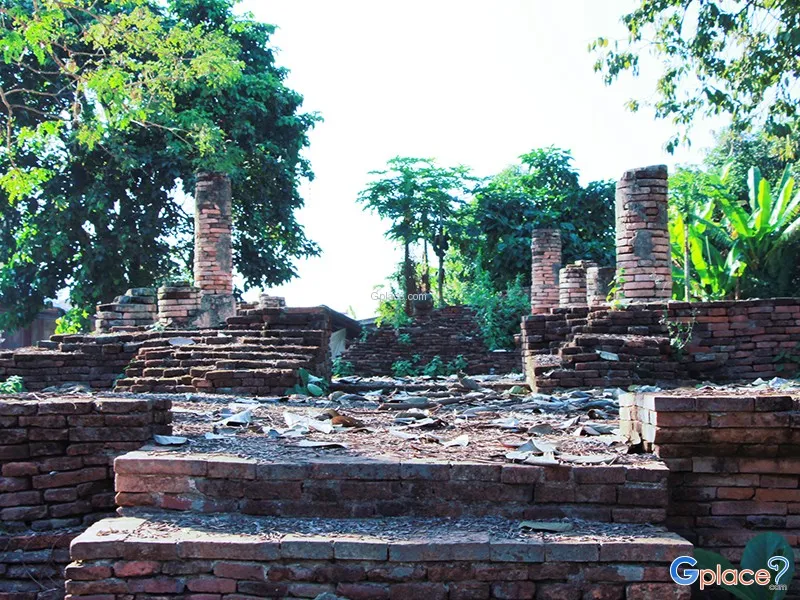
Wat Sangkha Kaew Don Han is one of the most intriguing historical sites in Chiang Saen, Chiang Rai. Set along the Chiang Saen–Chiang Khong riverside road near Wat Phra That Chom Kitti, this ruined temple stands out not because of grand surviving architecture, but because of the archaeological discoveries made there. Its greatest distinction is the discovery of engraved brick panels depicting scenes from the Vessantara Jataka, one of the most important narrative cycles in Buddhist tradition. For travelers interested in old cities, temple ruins, and Lanna heritage, this is a place that rewards careful observation rather than hurried sightseeing.
Wat Sangkha Kaew Don Han lies within the broader cultural landscape of Chiang Saen, an ancient riverside city with deep historical roots along the Mekong. Chiang Saen was once an important religious and political center, and its old urban area still preserves numerous ruined temples both inside and outside the historic walls. In that setting, Wat Sangkha Kaew Don Han becomes more than a single stop on a sightseeing route. It is part of a much larger story about how Buddhism, craft traditions, urban life, and local belief shaped one of northern Thailand’s most important old cities.
Local tradition connects the temple with King Lavachakkaraj and says it was founded in the early 12th Buddhist century. That legendary association gives the site an aura of great antiquity and places it within the long narrative of early Chiang Saen. Archaeological evidence, however, suggests that the visible remains are no later than the 21st Buddhist century. This contrast between legend and material evidence is one of the reasons the site is so fascinating. It allows visitors to see how oral tradition and academic interpretation can coexist in the same place, each adding a different layer of meaning.
The most remarkable finds from the site came through archaeological excavation. Among them were brick panels engraved with scenes from the Vessantara Jataka, including episodes such as Prince Vessantara walking in the forest and Jujaka approaching him. These images are especially important because they were drawn or incised on the bricks before firing. That means the imagery was embedded into the making of the building materials themselves, not added later as decoration. For historians of art and religion, this offers rare insight into the beliefs, intentions, and workshop practices of the people who built the temple.
Equally compelling is the fact that these decorated bricks were later used in walls and then covered with plaster. They were not displayed in a way designed for open viewing. This suggests that the visual content may have functioned as an act of devotion rather than public spectacle. In other words, the makers may have intended the images as an offering within the sacred structure itself. That interpretation gives the site unusual intellectual depth. It points to a form of religious expression in which meaning was literally built into the temple, even when it was hidden from everyday sight.
Excavations also revealed fragments of mural paintings that had fallen from the vihara walls. Although damaged, the surviving pieces still preserve traces of color and image. The use of just two main pigments, red ochre and red, is a detail of considerable scholarly importance because it helps researchers understand local painting techniques, color choices, and artistic conventions in the Chiang Saen area. For visitors, these discoveries help explain why Wat Sangkha Kaew Don Han is valued not only as a ruin, but as an archaeological source that expands knowledge of northern Thai art history.
Walking through the site today, travelers will notice a quiet, open-air atmosphere. What remains are bases, brick alignments, architectural traces, and the subdued presence of an abandoned sacred space. This is not a place for dramatic temple façades or elaborate interiors. Its appeal is more contemplative. The ruined structures encourage visitors to imagine how the site once looked when the Mekong landscape, the old city, and the temple were all part of a living religious world. It is a rewarding stop for anyone who enjoys historical depth, subtle details, and a slower pace of travel.
Another advantage of visiting Wat Sangkha Kaew Don Han is its location. It can be combined easily with other important Chiang Saen attractions such as Wat Phra That Chom Kitti, the Chiang Saen National Museum, Wat Chedi Luang, Wat Pa Sak, and Wat Phra Chao Lan Thong. That makes it ideal for a half-day or full-day heritage itinerary in the old city. Instead of treating Chiang Saen only as a quick stop before the Golden Triangle, travelers can use sites like this one to appreciate the area’s deeper cultural texture.
For visitors interested in Lanna history, the temple also raises larger questions. How were sacred stories incorporated into architecture? How did local builders express faith through materials themselves? How did Chiang Saen participate in the wider religious culture of northern Thailand? Wat Sangkha Kaew Don Han does not answer these questions through large monuments alone. It answers them through fragments, traces, and evidence that invite close attention. That is precisely what makes the site memorable.
In practical terms, the site is best visited in the morning or late afternoon, when the light is softer and walking outdoors is more comfortable. Good footwear is useful, and visitors should explore respectfully without climbing on the remains. Because it is an archaeological site rather than an active ceremonial temple, the experience is simple and direct. The emphasis is on observing the ruins, understanding the history, and appreciating how much cultural meaning can survive even when structures are no longer complete.
Getting There is straightforward from Chiang Saen town. Travelers can follow the riverside Chiang Saen–Chiang Khong road toward Wat Phra That Chom Kitti. Since the temple is located in Wiang Subdistrict within the old Chiang Saen area, it is easy to combine with nearby heritage sites in the same district. Visitors staying along the Mekong or in the old town can reach the site conveniently by private car, local transport, or a short self-drive heritage route around Chiang Saen.
Wat Sangkha Kaew Don Han is therefore one of the most worthwhile historical attractions in Chiang Rai for travelers who want more than a checklist of famous landmarks. It offers a quieter, more reflective encounter with the past through archaeology, religious art, old-city context, and the enduring atmosphere of Chiang Saen. For anyone looking for a meaningful cultural stop near the Mekong, this ruined temple deserves a place on the itinerary.
| Name | Wat Sangkha Kaew Don Han |
| Location | Wiang Subdistrict, Chiang Saen District, Chiang Rai |
| Address | Chiang Saen–Chiang Khong Riverside Road, near Wat Phra That Chom Kitti, Wiang, Chiang Saen, Chiang Rai 57150 |
| Coordinates | 20.2784009797, 100.087964997 |
| Highlights | Ancient temple ruin in old Chiang Saen, engraved brick panels with Vessantara Jataka scenes, mural fragments of high scholarly value |
| History | Traditionally linked to King Lavachakkaraj and said to date to the early 12th Buddhist century, while archaeological evidence places the remains no later than the 21st Buddhist century |
| Distinctive Features | Open-air archaeological ruin with structural bases, old brick remains, and a quiet heritage atmosphere within the historic Chiang Saen landscape |
| Travel Information | Accessible from Chiang Saen town via the Chiang Saen–Chiang Khong riverside road toward Wat Phra That Chom Kitti; easy to combine with other old-city heritage sites |
| Current Status | Ancient ruined temple and archaeological site in the old city of Chiang Saen, open for heritage visits |
| Open Days | Every Day |
| Opening Hours | 08:00 – 17:00 |
| Fees | No Admission Fee |
| Main Contact Number | 053-650803 |
| Nearby Tourist Attractions | 1) Wat Phra That Chom Kitti – about 1 km 2) Chiang Saen National Museum – about 2 km 3) Wat Chedi Luang – about 2 km 4) Wat Pa Sak – about 3 km 5) Wat Phra Chao Lan Thong – about 3 km |
| Nearby Restaurants | 1) Krua Fa Mai Rim Khong – about 2 km, Tel. 088-252-3158 2) Huen Sabaidee Chiang Saen – about 2 km, Tel. 095-513-2559 3) Mekong Pizza – about 3 km, Tel. 083-915-4750 4) Le Quar Cafe Bistro Bed & Breakfast – about 3 km, Tel. 091-499-9291 5) The Terrace Chiang Saen – about 3 km, Tel. 061-686-7773 |
| Nearby Accommodations | 1) Siam Triangle Hotel Chiang Saen – about 3 km, Tel. 053-651115 2) A Hotel Budget Chiang Saen – about 3 km, Tel. 053-651117 3) One Budget Hotel Chiangsaen – about 3 km, Tel. 080-075-4988 4) Athita Hotel Chiang Saen – about 4 km, Tel. 063-426-9464 5) Gin Greenery Resort – about 6 km, Tel. 053-650847 |
Frequently Asked Questions (FAQ)
Q: What makes Wat Sangkha Kaew Don Han special?
A: Its most important feature is the discovery of engraved brick panels showing scenes from the Vessantara Jataka, along with ancient mural fragments of major academic value.
Q: Is Wat Sangkha Kaew Don Han an active temple?
A: No. It is currently an ancient ruined temple and open-air archaeological site.
Q: Is there an entrance fee?
A: No. Visitors can enter without an admission fee.
Q: How much time should I plan for a visit?
A: Around 20 to 40 minutes is enough for the site itself, though many travelers combine it with other Chiang Saen heritage attractions in a half-day or full-day trip.
Q: Is this place suitable for travelers interested in history?
A: Yes. It is especially suitable for travelers who enjoy archaeology, old temple ruins, Lanna history, and the historic landscape of Chiang Saen.
Q: How do I get there?
A: Travel from Chiang Saen town along the Chiang Saen–Chiang Khong riverside road toward Wat Phra That Chom Kitti. The site is easy to reach by private car or local transport.
Q: When is the best time to visit?
A: Morning and late afternoon are the best times because the weather is more comfortable and the light is better for viewing and photographing the ruins.
 Category: ●Places of Worship
 Group: ●Temple
Last Update : 6 MonthAgo
 Last Update : 6 MonthAgo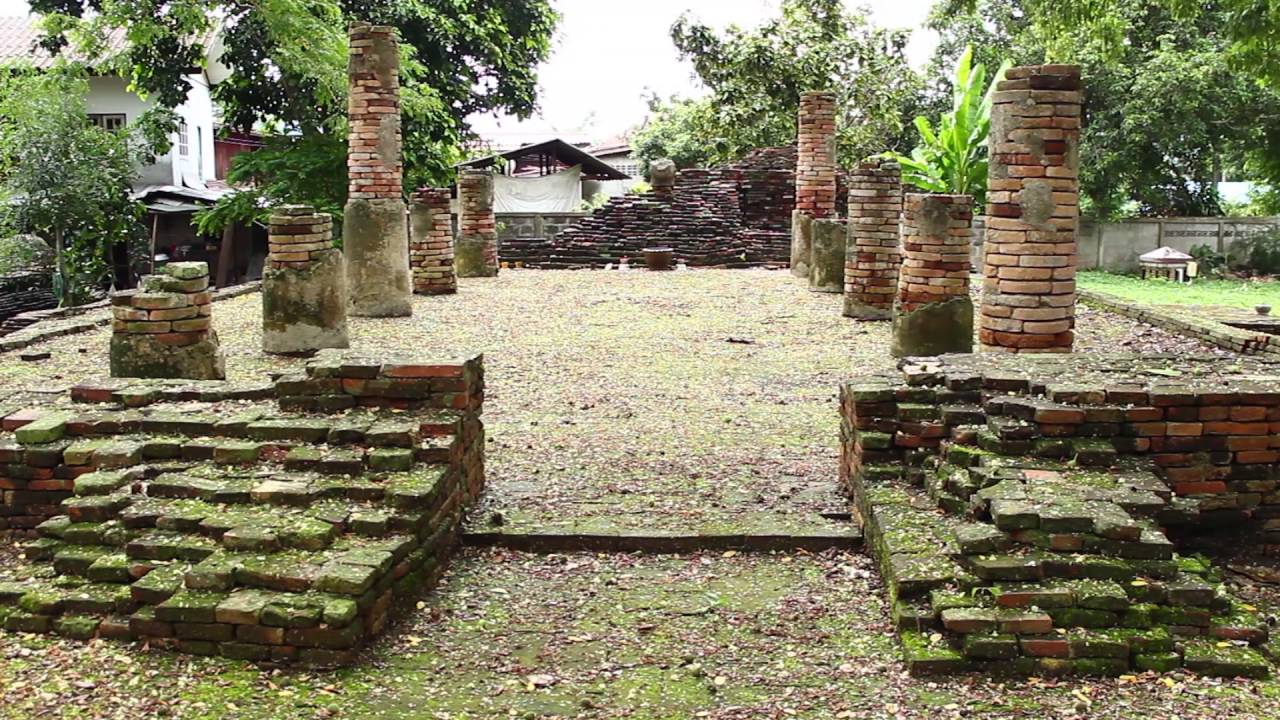
 Click to Access the Navigation Map GPS
Wat Sangkha Kaew Don Han Map
Recommend

 Art, Culture and Heritage
 Historical Sites and Monuments(3)
 Landmarks and Memorials(7)
 Art, Craft Centres, Tradition(6)
 Museums(8)
 Historic Homes and Cities(1)
 Educational Places
 Museum for Study(1)
 Library(1)
 Educational Gardens, Farm(3)
Temple(38)
Educational Gardens, Farm(3)
Temple(38)
 Other Sacred Sites(5)
 Research and Development
 Royal Project(9)
 Suburban Living
 Village, Community(16)
 Local Market(5)
 Nature and Wildlife
 National Parks and Marine Reserves(18)
 Mountain (Doi)(20)
 Dam, Reservoir, Lake(8)
 Waterfalls(16)
 Hot Springs(6)
 Caves(8)
 River, Canal(10)
 Sea, Beach(1)
 Other natural attractions(3)
 Entertainment and Agricultural
 Animal camps and shows(1)
 Farms, Parks and Ecotourism(9)
 Shopping
 Shopping and Night Market(2)
 Call Customer Service in Tourism
 Call Customer Service in Tourism(1)
 Travel Articles, Recipes
 Travel Review, Food Review(1)
 Food Menu, North Recipes(1)


