
lovethailand home >North Travel Attractions >Chiang Rai Travel Attractions >Muang Chiang Rai >Mae Khao Tom > Great Wall Replica
TL;DR: Great Wall Replica is located at 171 Moo 15, Ban Mai Nong Bua Daeng, Mae Khao Tom Subdistrict, Mueang Chiang Rai District, Chiang Rai, open Friday, Saturday, Sunday, and Public Holidays, hours 09.00 – 17.00.
Great Wall Replica
Open Days: Friday, Saturday, Sunday, and Public Holidays
Opening Hours: 09.00 – 17.00
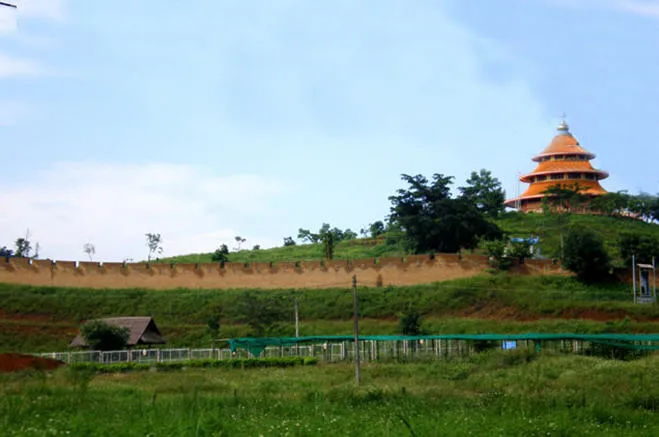
The Great Wall Replica inside the Ubonrungsi Chulamani Foundation is one of Chiang Rai’s more unusual cultural attractions. It is not simply a photo stop or a decorative structure, but a large-scale project that combines architecture, Buddhist devotion, royal commemoration, charitable purpose, and cultural tourism in one place. The foundation occupies more than 119 rai on rolling hills in Ban Mai Nong Bua Daeng, Mae Khao Tom Subdistrict, Mueang Chiang Rai District, giving the site an expansive layout with multiple viewpoints, themed buildings, and long walking routes.
The most memorable feature is the Great Wall Replica itself, which stretches for about 2 kilometers along the hillsides from the western entrance gate to the eastern entrance gate. Because the wall rises and falls with the terrain, walking along it creates a layered experience rather than a flat stroll. Visitors can enjoy elevated views, landscaped gardens, and changing perspectives of the foundation’s buildings as they move through the site. This makes the attraction feel more immersive than a standard monument or park.
The Ubonrungsi Chulamani Foundation developed this place with several stated purposes: to honor the Chakri Dynasty, to support Buddhist meditation practice, to maintain Buddhism and temples, to cooperate with charitable organizations for public benefit and social welfare, and to promote cultural and agricultural tourism. The foundation also explicitly states that it is not involved in politics. These aims are important because they explain why the site feels different from a purely commercial attraction. The architecture and landscape are designed to support merit-making, remembrance, learning, and reflection as much as sightseeing.
The project area is arranged across a series of small hills, which gives each structure its own visual presence while allowing the overall site to remain harmonious with the natural terrain. Instead of placing all buildings on a single flat compound, the foundation uses elevation to create movement and variety. Flower gardens, decorative planting, and economic tree species inspired by royal guidance further soften the landscape, giving the site a calm and cultivated atmosphere.
The entrance itself already reflects the project’s cultural blend. The western entrance is built in a Lanna style, while the eastern entrance takes the form of an ancient earthen city gate known as “Wiset Chai Si Gate.” This dual entry concept immediately signals that the foundation is not limited to one visual identity. Instead, it intentionally brings together Thai, northern, and Chinese-inspired forms within the same environment.
Once inside, visitors encounter a series of structures placed across the hills in different architectural styles. The variety is striking, but it does not feel random. Each building has a defined role, whether for merit-making, commemoration, religious devotion, social support, or cultural display. The result is a site that rewards slow exploration. The more time visitors spend walking and observing, the clearer the project’s overall vision becomes.
One of the most important buildings is the “Anek Kuson Songkhro Chaloem Phrakiat Building,” created in honor of Queen Sirikit on the occasion of her 72nd birthday on 12 August 2004. The building was granted permission to display the royal commemorative emblem on both gables. Its purpose is not merely symbolic. It is used to support meditation activities for Buddhists, assist disadvantaged people, and promote livelihoods for those in need. This practical social role gives the building weight beyond ceremonial meaning.
In front of this building stands a statue of King Naresuan the Great decorated with beautiful Thai motifs, allowing visitors to stop and pay respect. Beside it is a pavilion displaying royal portraits of every monarch of the Chakri Dynasty. This creates a strong atmosphere of remembrance and national reverence, combining devotional practice with historical awareness in a way that is easy for the public to engage with.
Further inside the project, before reaching the three large ponds, visitors can stop at the sacred area within the “Thewalai.” This zone adds another spiritual dimension to the visit and reminds travelers that the foundation is not only a scenic destination, but also a place of worship and contemplation.
Another major landmark is the “Jaturamuk Building” on the right-hand hilltop. This structure serves as a commemorative building honoring every monarch of the Chakri Dynasty as well as Princess Srinagarindra, the Princess Mother. Inside, visitors can pay respect to the jade Buddha image known as “Phra Phuttha Mahamani Rattanamongkhon,” which has a lap width of 49 inches. Its elevated placement makes it feel like a destination within the destination, rewarding the climb with both sacred space and broad views.
Behind the Jaturamuk Building stands a structure containing the “Twelve Zodiac Replica Relics,” built to promote Buddhism for the general public and to offer merit in honor of Somdet Phra Nyanasamvara, the Supreme Patriarch. This section attracts visitors who are interested in zodiac-related devotional practices and adds another layer of personal religious meaning to the site.
On the left-hand hilltop is the “Hortian Than Khunatham Thiam Fa Building,” designed in a Chinese architectural style. It was built by the foundation together with donors to honor King Bhumibol Adulyadej on the occasion of his 80th birthday on 5 December 2007. The foundation stone was laid by Privy Councilor Thanin Kraivichien on 28 August 2004. The building later received sacred Buddha relics on 15 May 2005. These details show that the building is not simply decorative, but deeply connected to royal commemoration and Buddhist faith.
The project was initiated in large part by Ajarn Kriangkrai Chamnigankosol, whose role in driving the vision of the foundation is especially important. The construction received support from the Ubonrungsi Chulamani Foundation, the Poh Teck Tung Foundation, and members of the public who shared faith in the project. This broad base of support explains why the place feels like a mission-driven cultural and charitable landscape rather than a privately themed attraction.
Still, the highlight for many visitors remains the Great Wall Replica itself. Its path follows the contours of the hills and provides one of the most distinctive walking experiences in the Chiang Rai area. Walking here feels part scenic exercise, part cultural exploration, and part architectural sightseeing. The wall also symbolizes Thai–Chinese friendship, which is one of the ideas behind its creation. As a result, the atmosphere carries a blend of Thai devotion, Chinese-inspired imagery, and public-minded cultural design.
The foundation also includes or plans additional structures such as a ceremonial Chinese gate honoring the Crown Prince, a building for Guanyin in 84 manifestations, and a library honoring Princess Maha Chakri Sirindhorn. These future-oriented elements suggest that the foundation is intended to remain a living and developing cultural space rather than a finished static project.
In practical travel terms, the site is suitable for several types of visitors at once: people who enjoy walking, those interested in architecture, travelers looking for a reflective cultural destination, photographers, and visitors who come primarily for merit-making. The combination of symbolic structures, sacred spaces, gardens, and long walking routes makes it ideal for anyone who prefers destinations with more depth than a brief roadside stop.
Getting There The Ubonrungsi Chulamani Foundation and Great Wall Replica are located at 171 Moo 15, Ban Mai Nong Bua Daeng, Mae Khao Tom Subdistrict, Mueang Chiang Rai District, Chiang Rai. Private transport is the most convenient way to visit. The site has two main access points: the western Lanna-style gate and the eastern Wiset Chai Si Gate. Because the grounds spread across multiple hills, comfortable walking shoes are recommended, especially for visitors planning to explore the full wall and climb to the major hilltop buildings.
| Name | Ubonrungsi Chulamani Foundation - Great Wall Replica |
| Overview | A large cultural and spiritual attraction in Mae Khao Tom with a 2-kilometer Great Wall Replica, commemorative buildings, sacred spaces, gardens, and hilltop viewpoints spread across more than 119 rai. |
| Location | 171 Moo 15, Ban Mai Nong Bua Daeng, Mae Khao Tom Subdistrict, Mueang Chiang Rai District, Chiang Rai |
| Highlights | Great Wall Replica, royal commemorative buildings, Jaturamuk Building, Twelve Zodiac Replica Relics, Hortian Than Khunatham Thiam Fa Building, gardens and hill scenery |
| History / Background | Developed by the Ubonrungsi Chulamani Foundation to honor the Chakri Dynasty, support Buddhist practice, promote social welfare, and encourage cultural and agricultural tourism |
| Distinctive Features | Two contrasting entrance gates, multiple hilltop buildings, mixed Thai-Lanna-Chinese architectural influences, and a 2-kilometer wall following the natural slopes |
| Current Status | Open as a cultural, spiritual, and charitable tourism site in Chiang Rai |
| Open Days | Friday, Saturday, Sunday, and Public Holidays |
| Opening Hours | 09.00 – 17.00 |
| Entrance Fee | Free |
| Supervisor / Main Organization | Ubonrungsi Chulamani Foundation |
| Main Contact Number | 053-735388 |
| Travel Information | Best reached by private car from Chiang Rai city; the grounds spread across multiple hills with two main entrance gates and extensive walking areas |
| Facilities | Walking routes, gardens, sacred spaces, commemorative halls, viewing points, and landscaped areas suitable for exercise and sightseeing |
| Nearby Tourist Attractions | 1. PB Valley Chiang Rai – 7 km 2. Khwai Din Dak Art House – 10 km 3. Wat Phrathat Ku Kaeo Doi Ngam – 8 km 4. Wat Kes Kaew – 9 km 5. Baan Dam Museum – 12 km |
| Nearby Restaurants | 1. Kasalong Restaurant, PB Valley – 7 km, Tel. 053-175199, 063-525-5385 2. Khwai Din Dak Art House – 10 km, Tel. 093-248-4554 3. Bechegu Coffee Mae Khao Tom – 9 km, Tel. 086-451-8401 4. Restaurants in the PB Valley zone – 7 km 5. Local cafés and restaurants in Mae Khao Tom – 8 km |
| Nearby Accommodations | 1. 308 Mae Khao Tom Vineyard – 11 km, Tel. 081-833-7181 2. Wanasom Mae Fah Luang University – 17 km, Tel. 053-603600-2 3. PB Valley Chiang Rai – 7 km, Tel. 053-175199 4. Accommodation in Mae Khao Tom area – 8 km 5. Accommodation in Nang Lae–Mae Fah Luang zone – 15 km |
Frequently Asked Questions (FAQ)
Q: Where is the Great Wall Replica in Chiang Rai located?
A: It is located inside the Ubonrungsi Chulamani Foundation at 171 Moo 15, Ban Mai Nong Bua Daeng, Mae Khao Tom Subdistrict, Mueang Chiang Rai District, Chiang Rai.
Q: Which days is it open to visitors?
A: It is open on Friday, Saturday, Sunday, and public holidays.
Q: Is there an entrance fee?
A: No. Visitors can enter free of charge.
Q: What is the main highlight of the site?
A: The main highlight is the 2-kilometer Great Wall Replica, along with the commemorative buildings, sacred spaces, and hillside views.
Q: How much time should I allow for the visit?
A: If you want to explore the main buildings and walk part of the wall, it is best to allow around 1.5 to 3 hours.
Q: What kind of travelers is this place suitable for?
A: It is suitable for cultural travelers, walkers, photographers, visitors interested in architecture, and people who want a more reflective sightseeing experience.
 Category: ●Places of Worship
 Group: ●Other Sacred Sites
Last Update : 5 MonthAgo
 Last Update : 5 MonthAgo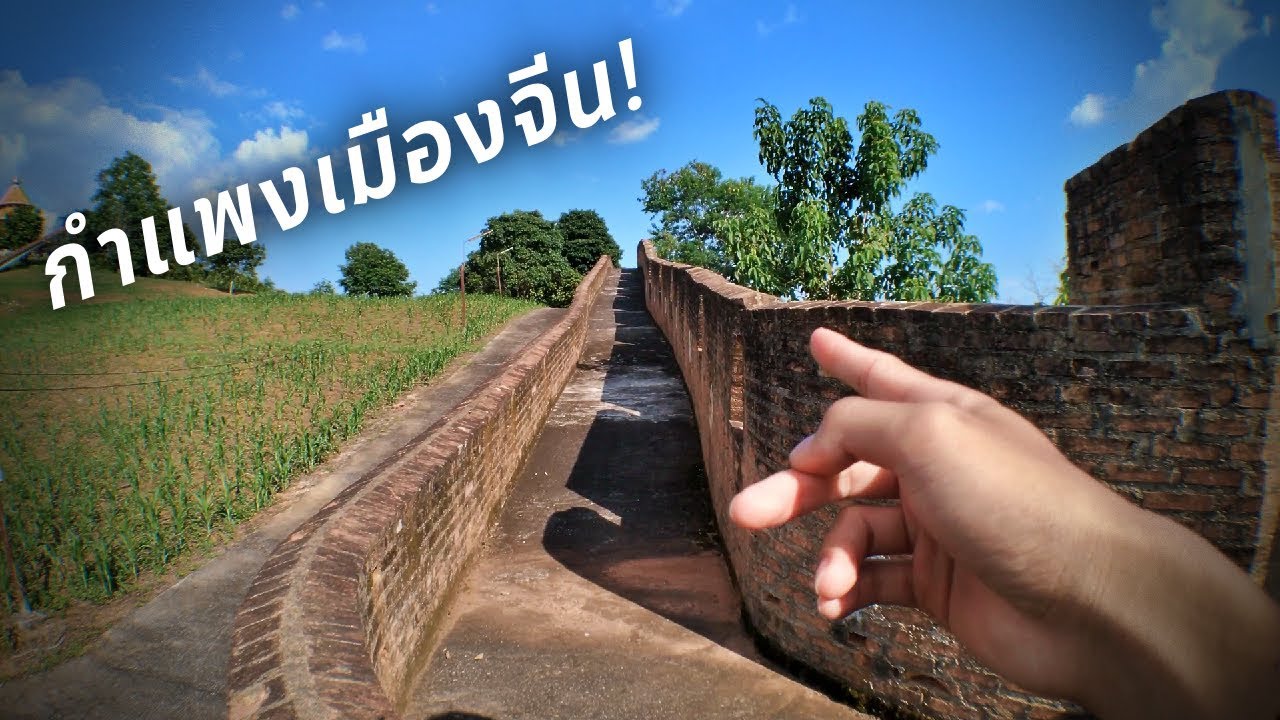
 Click to Access the Navigation Map GPS
Great Wall Replica Map
Recommend

 Art, Culture and Heritage
 Historical Sites and Monuments(3)
 Landmarks and Memorials(7)
 Art, Craft Centres, Tradition(6)
 Museums(8)
 Historic Homes and Cities(1)
 Educational Places
 Museum for Study(1)
 Library(1)
 Educational Gardens, Farm(3)
 Temple(38)
Other Sacred Sites(5)
Temple(38)
Other Sacred Sites(5)
 Research and Development
 Royal Project(9)
 Suburban Living
 Village, Community(16)
 Local Market(5)
 Nature and Wildlife
 National Parks and Marine Reserves(18)
 Mountain (Doi)(20)
 Dam, Reservoir, Lake(8)
 Waterfalls(16)
 Hot Springs(6)
 Caves(8)
 River, Canal(10)
 Sea, Beach(1)
 Other natural attractions(3)
 Entertainment and Agricultural
 Animal camps and shows(1)
 Farms, Parks and Ecotourism(9)
 Shopping
 Shopping and Night Market(2)
 Call Customer Service in Tourism
 Call Customer Service in Tourism(1)
 Travel Articles, Recipes
 Travel Review, Food Review(1)
 Food Menu, North Recipes(1)


