
lovethailand home >North Travel Attractions >Chiang Rai Travel Attractions >Muang Chiang Rai >Mae Yao > Doi Bo Royal Initiative Project
TL;DR: Doi Bo Royal Initiative Project is located at Mae Yao Subdistrict, Mueang Chiang Rai District, Chiang Rai, open Open Daily, hours 06:00 – 18:00.
Doi Bo Royal Initiative Project
Open Days: Open Daily
Opening Hours: 06:00 – 18:00
Doi Bo Royal Initiative Project, officially known as the Doi Bo Highland Agricultural Development Station under the royal initiative, is one of the most meaningful attractions in Chiang Rai. It is not simply a mountain viewpoint. It is a place where natural beauty, community development, forest restoration, and royal initiative history come together in a way that gives the destination much more depth than an ordinary scenic stop.
Doi Bo is located in Mae Yao Subdistrict, Mueang Chiang Rai District, Chiang Rai Province. The mountain rises to around 1,345 meters above sea level, which gives the area a cool climate and broad panoramic views. Travelers usually associate Doi Bo with mountain scenery, sunrise, and sea mist, but the real value of the place lies in its background. This is a landscape shaped not only by nature, but also by long-term efforts to restore degraded forest and improve local livelihoods.
The core of Doi Bo’s significance comes from the establishment of the Doi Bo Highland Agricultural Development Station under the royal initiative of Her Majesty Queen Sirikit, The Queen Mother. The project was driven by the need to solve serious problems in the highland area, including deforestation, shifting cultivation, poverty, and environmental degradation in upstream forest zones. The area was therefore developed as both a restoration landscape and a practical learning station for new agricultural methods suitable for highland communities.
This makes Doi Bo especially interesting for travelers who want more than a photo stop. It shows how a mountain area can be restored through a model that combines forest conservation, land management, sustainable farming, and community support. Around 15,000 rai fall under the project’s broader responsibility, while part of the land was specifically arranged as demonstration plots where local people could learn improved agricultural methods and adapt them to their own land.
In other words, Doi Bo is not only about beautiful scenery. It is about how a difficult mountain landscape was reimagined as a place of learning and long-term recovery. Visitors who understand this background usually experience the place differently. The views become more meaningful because they are connected to a real story of environmental repair and social development.
Doi Bo also has an older historical layer. Local project records describe the area as a strategic high mountain zone during World War II, when it was used as a lookout point because of its elevation and visibility. This historical detail adds another dimension to the site. It is not only a royal initiative destination and not only a nature attraction. It is also part of a broader local memory tied to Chiang Rai’s past.
After the war, different ethnic communities settled in the wider area, and over time the forest was heavily affected by land clearing and unsuitable agricultural practices. Shifting cultivation, forest loss, and declining soil quality changed the mountain environment significantly. The later royal initiative therefore addressed not just one isolated issue, but a chain of environmental and social problems that had built up over decades.
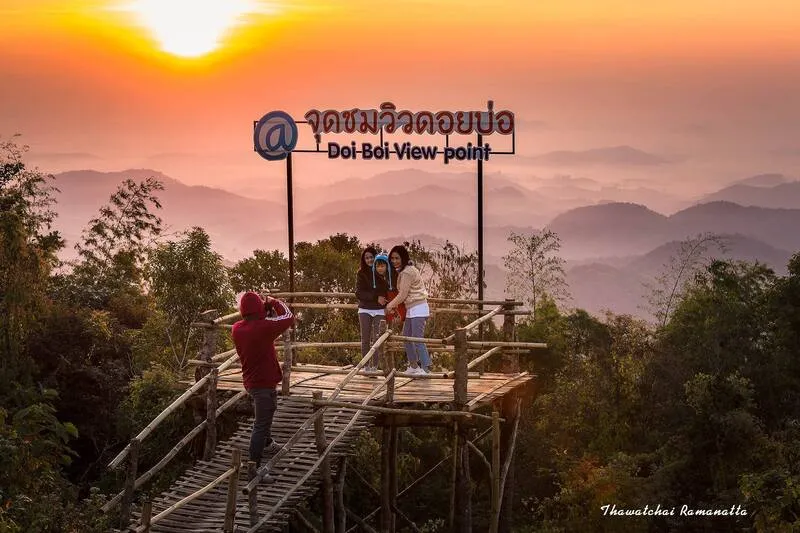
For present-day visitors, the most recognizable tourism image of Doi Bo is the Ya Fu Sea of Mist Viewpoint, also known as the Doi Bo viewpoint. This viewpoint lies on the Doi Bo mountain range in Mae Yao and sits at about 945 meters above sea level. It is a spacious open viewpoint where travelers can see layers of mountains, Chiang Rai city in the distance, and sea mist gathering in the valleys below. Sunrise is one of the strongest reasons people come here, especially during the cool season when the weather is cold and the mist is often at its most dramatic.
What makes the viewpoint attractive is its simple, open atmosphere. It still feels like a mountain space rather than a heavily commercialized attraction. Travelers often come here to camp, enjoy the quiet, and watch the changing light from night to dawn. At night, city lights can be seen in the distance. In the morning, the same scene transforms into rolling mist, mountain silhouettes, and soft sunlight over the ridgelines.
Another reason Doi Bo stands out is that it remains closely linked to surrounding communities such as Ban Lobue, Ban Jafu, Ban Ja Fu, Ban Ja Tor Ber, and the Karen Ruammit area. This means a visit can become more than a viewpoint trip. Travelers can continue into local community tourism, stay in homestays, visit cultural villages, or explore nearby nature spots. For anyone interested in slower, more grounded travel, this creates a much richer experience than simply driving up for a few minutes and leaving.
In practical travel terms, Doi Bo suits several different kinds of visitors. Nature lovers come for mountain scenery and morning mist. Cultural travelers come for the ethnic community atmosphere in Mae Yao. People interested in royal initiative projects come for the story of forest restoration and highland development. Campers come for the open viewpoint and cold weather. Photographers come for sunrise, wide views, and layered landscapes.
The best time to visit is generally from the late rainy season into the cool season, especially from around the end of the year into the colder months, when the weather is clearer and the sea of mist is more likely to appear in the early morning. The rainy season has its own beauty as well, with greener mountains and softer layers of cloud, but travelers should prepare for more difficult road conditions and slower driving.
Compared with more famous Chiang Rai attractions such as Doi Tung or Phu Chi Fa, Doi Bo feels quieter, more local, and less rushed. That is part of its appeal. It offers a more reflective kind of trip. You are not only going somewhere beautiful. You are entering a landscape where conservation, agriculture, local history, and mountain life still remain visibly connected.
If you have only one day, you can leave Chiang Rai city early in the morning, head toward Mae Yao, continue through the mountain route, and spend sunrise or early morning at the Doi Bo viewpoint area. After that, you can continue to nearby places such as Ya Fu village, Huai Mae Sai Waterfall, or Ban Karen Ruammit. If you want a more relaxed pace, staying overnight in Mae Yao is a better option because it allows you to reach the viewpoint before dawn without rushing.
Doi Bo is also a good match for camping travelers. Local authorities have continued to improve access and prepare the tourism area around the sea of mist viewpoint for seasonal visitors. As a result, Doi Bo is no longer just an overlooked highland zone. It is gradually becoming a more established mountain destination while still keeping its original atmosphere.
Getting There is easiest by private car or rental car. From Chiang Rai city, head toward Mae Yao Subdistrict and continue via the route passing Ban Karen Ruammit before climbing toward the Doi Bo area. Travel information commonly places the total distance at roughly 35 km from Chiang Rai city, depending on your exact destination within the Doi Bo area. The lower section is straightforward, but the upper mountain road includes curves, climbs, and road conditions that require caution, especially in the rainy season or before sunrise.
If you are not driving, it is best to arrange local transport in advance or stay in accommodation in Mae Yao and coordinate with local operators. Travelers planning to camp or watch sunrise should bring warm clothing, drinking water, proper shoes, and a flashlight. Even when the day feels mild in the city, the mountain can be much colder, especially around dawn.
Overall, Doi Bo Royal Initiative Project is one of Chiang Rai’s most rewarding destinations for travelers who value meaning as much as scenery. It combines mountain beauty, sea mist, local community life, environmental recovery, and royal initiative history in a single place. If you want to experience a quieter and more thoughtful side of Chiang Rai, Doi Bo deserves serious consideration.
| Name | Doi Bo Royal Initiative Project / Doi Bo Highland Agricultural Development Station |
| Location | Mae Yao Subdistrict, Mueang Chiang Rai District, Chiang Rai |
| Address | Lobue village area and related Doi Bo highland zone, Mae Yao, Mueang Chiang Rai, Chiang Rai 57100 |
| Highlights | Royal initiative highland development project, Ya Fu sea of mist viewpoint, mountain atmosphere, camping area, local history, and community-based travel in Mae Yao |
| History | Established under the royal initiative announced on 31 January 2004 to restore forest, reduce shifting cultivation, and promote sustainable highland agriculture; Doi Bo also holds World War II local historical significance |
| Name Origin | The name Doi Bo refers to the mountain whose summit once had a pond or water source |
| Distinctive Features | High mountain around 1,345 meters above sea level, cool weather, wide views, sea mist scenery, and a meaningful model of forest restoration and sustainable agriculture |
| Travel Information | From Chiang Rai city, travel toward Mae Yao and continue via the Ban Karen Ruammit route. Total distance is about 35 km. Best reached by private car or rental car. |
| Current Status | Still active as a tourism and learning area, with continued local preparation and tourism activity around the Doi Bo – Ya Fu sea of mist viewpoint |
| Open Days | Open Daily |
| Opening Hours | 06:00 – 18:00 |
| Facilities | Viewpoint area, seasonal camping space, open outdoor rest area, and community-based accommodation in Mae Yao |
| Main Areas / Zones | Doi Bo Highland Agricultural Development Station, Doi Bo – Ya Fu Sea of Mist Viewpoint, Lobue village area, mountain access routes, and seasonal camping zone |
| Main Contact Number | Mae Yao Subdistrict Municipality 053-737-359, Chiang Rai PAO Tourism Division 053-175-330 |
| Official Website / Official Page | Mae Yao Subdistrict Municipality website, Royal Initiative Projects database, and LoveThailand.org destination page |
| Nearby Tourist Attractions | 1) Doi Bo – Ya Fu Sea of Mist Viewpoint – about 6 km 2) Ban Ya Fu Village – about 7 km 3) Huai Mae Sai Waterfall – about 12 km 4) Ban Karen Ruammit – about 18 km 5) Ban Karen Ruammit Elephant Camp – about 18 km |
| Nearby Restaurants | 1) Pha Kwang Café – about 4 km. Tel. 082-484-3649 2) Lar Poe Farm & Home Stay – about 9 km. Tel. 097-058-1592 3) Hug Him Kok – about 19 km. Tel. 089-636-2978 4) Carp Coffee – about 20 km. Tel. 082-762-6879, 087-300-4661 5) Style Pai Doi – about 20 km. Tel. 087-481-4698 |
| Nearby Accommodations | 1) Nam Him Doi Homestay – about 11 km. Tel. 084-661-2874, 090-891-6102 2) Yakadoo Homestay – about 18 km. Tel. 087-176-2090 3) Mon Hug Karen Farm Stay – about 17 km. Tel. 085-817-9042 4) Ban Lom Jen Homestay – about 19 km. Tel. 085-622-2097 5) My Dream Guest House – about 12 km. Tel. 053-163-320, 096-554-6049 |
Frequently Asked Questions (FAQ)
Q: Where is Doi Bo located?
A: Doi Bo is in Mae Yao Subdistrict, Mueang Chiang Rai District, Chiang Rai Province, in a highland area connected with the royal initiative agricultural station and the Ya Fu sea of mist viewpoint.
Q: What is special about Doi Bo?
A: Doi Bo combines mountain scenery, sea mist, royal initiative history, forest restoration, and community-based highland travel in one destination.
Q: When is the best time to visit Doi Bo?
A: The late rainy season through the cool season is generally the best time, especially if you want cold weather and a strong chance of seeing sea mist in the morning.
Q: Can visitors camp at Doi Bo?
A: Yes. The Ya Fu sea of mist viewpoint area is known for seasonal camping and sunrise travel experiences.
Q: Is the road to Doi Bo difficult?
A: The trip is manageable by car, but the upper section includes mountain curves and steep parts, so careful driving is important.
Q: Is Doi Bo only a viewpoint?
A: No. It is also a royal initiative development area with environmental, agricultural, historical, and community importance.
Tel : 053701417
 Tel : 053701417
Mobile : 081885082
 Mobile : 081885082
 Category: ●Research and Development
 Group: ●Royal Project
Last Update : 6 MonthAgo
 Last Update : 6 MonthAgo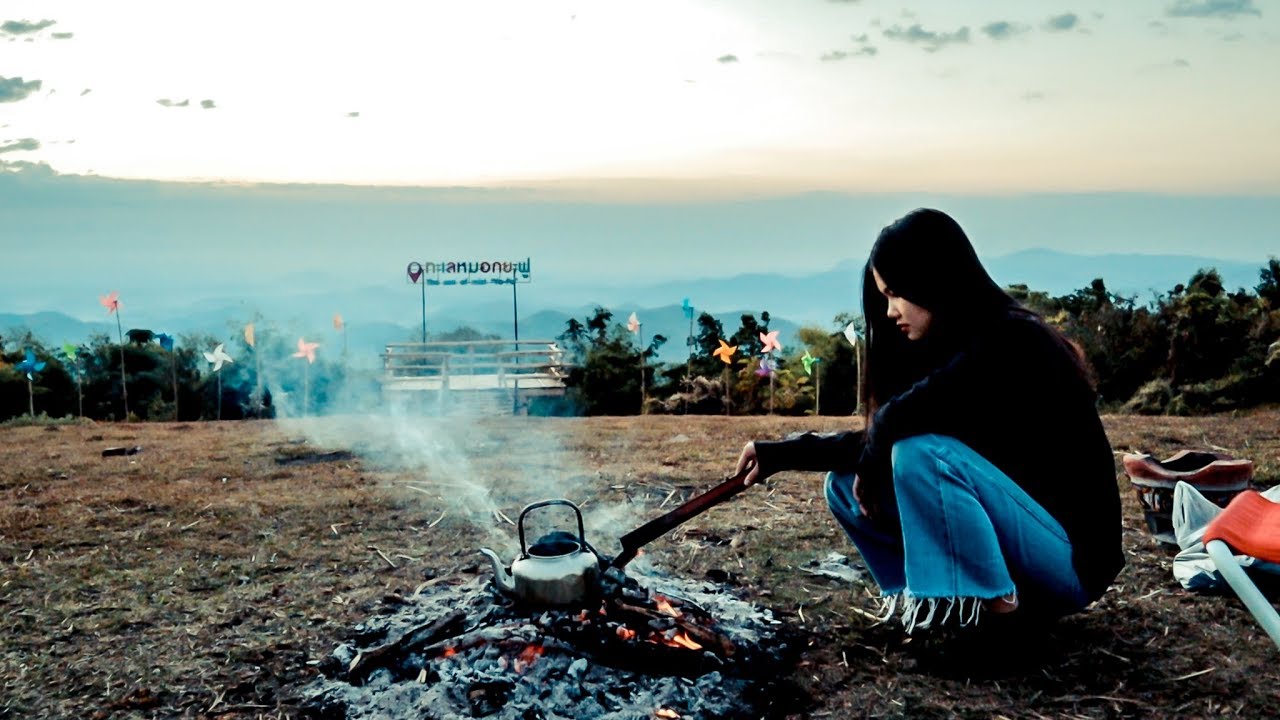
 Click to Access the Navigation Map GPS
Doi Bo Royal Initiative Project Map
Recommend

 Art, Culture and Heritage
 Historical Sites and Monuments(3)
 Landmarks and Memorials(7)
 Art, Craft Centres, Tradition(6)
 Museums(8)
 Historic Homes and Cities(1)
 Educational Places
 Museum for Study(1)
 Library(1)
 Educational Gardens, Farm(3)
 Places of Worship
 Temple(38)
 Other Sacred Sites(5)
Royal Project(9)
Other Sacred Sites(5)
Royal Project(9)
 Suburban Living
 Village, Community(16)
 Local Market(5)
 Nature and Wildlife
 National Parks and Marine Reserves(20)
 Mountain (Doi)(20)
 Dam, Reservoir, Lake(8)
 Waterfalls(16)
 Hot Springs(6)
 Caves(8)
 River, Canal(10)
 Sea, Beach(1)
 Other natural attractions(3)
 Entertainment and Agricultural
 Animal camps and shows(1)
 Farms, Parks and Ecotourism(9)
 Waterpark(1)
 Shopping
 Shopping and Night Market(2)
 Call Customer Service in Tourism
 Call Customer Service in Tourism(1)
 Travel Articles, Recipes
 Travel Review, Food Review(1)
 Food Menu, North Recipes(1)


