
lovethailand home >North Travel Attractions >Chiang Rai Travel Attractions >Muang Chiang Rai >Mae Yao > Ban Jalae Hill Tribe Art and Cultural Center
TL;DR: Ban Jalae Hill Tribe Art and Cultural Center is located at Moo 11, Ban Huai Mae Sai (Ban Jalae), Mae Yao Subdistrict, Mueang Chiang Rai District, Chiang Rai, open Daily, hours 08:00 – 19:00.
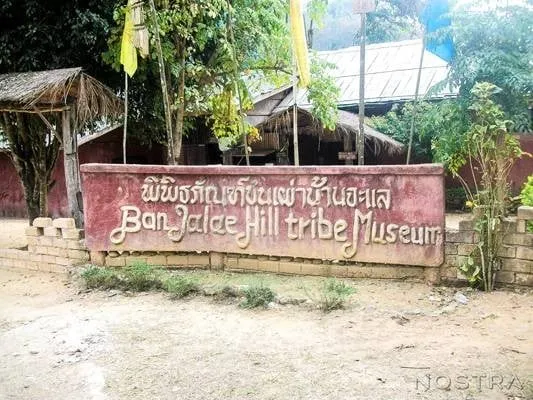
Ban Jalae Hill Tribe Art and Cultural Center
Open Days: Daily
Opening Hours: 08:00 – 19:00
Ban Jalae Hill Tribe Art and Cultural Center is one of Chiang Rai’s most meaningful community-based cultural attractions. Located in Moo 11, Ban Huai Mae Sai, also known as Ban Jalae, in Mae Yao Subdistrict, Mueang Chiang Rai District, the center offers far more than a simple museum visit. It gives visitors a direct introduction to the lives, traditions, and worldview of highland ethnic communities in a real village setting, making it especially valuable for travellers who want to understand Chiang Rai beyond the province’s better-known temples and mountain viewpoints.
The center was established in 2002 through a collaboration between the Mirror Cultural Center and the local villagers of Ban Jalae. That origin is important because it means the museum is not detached from the community it represents. Instead, it grew out of local participation and continues to reflect the cultural life of the surrounding village. This gives the site a more grounded and authentic character than many standard exhibition spaces.
Inside the museum, visitors can learn about the way of life of several hill tribe groups, especially the Akha, Lahu, and Lisu, as well as broader northern Thai cultural traditions. The exhibits help explain everyday life, local identity, and the cultural diversity of the highlands. Rather than treating ethnic communities as visual curiosities, the center presents them as real societies with knowledge, memory, and distinctive cultural systems shaped by the mountains they live in.
One of the most interesting aspects of visiting Ban Jalae is that the museum experience does not end at the exhibition area. Visitors can also continue into the surrounding village environment and observe the daily life of the local Lahu community. This direct connection between displayed knowledge and living community life is what makes the destination especially rewarding. It allows visitors to move naturally from learning inside the museum to seeing how culture continues outside of it.
The atmosphere of Ban Jalae is also part of its appeal. The area remains relatively quiet, with a strong sense of being a mountain community rather than a heavily commercialized tourist zone. This makes the visit feel slower, more reflective, and more personal. Travellers who enjoy cultural tourism often appreciate places like this because they encourage understanding rather than rushed sightseeing.
From a broader perspective, the center helps explain how important ethnic diversity is to Chiang Rai’s identity. Highland communities such as the Akha, Lahu, and Lisu have long shaped the social and cultural landscape of northern Thailand. By preserving and presenting these stories within the village context, the center offers a deeper and more respectful way to engage with that heritage. It is a place where culture is not staged for display alone, but still connected to the people who live it.
Ban Jalae is also a useful base for a wider cultural and nature trip in the Mae Yao area. Nearby places such as Huai Mae Sai Waterfall, Yafu Mist Viewpoint, Doi Bo Royal Project Agricultural Station, and community homestays can all be included in the same route. This makes the center ideal for a half-day or full-day itinerary that combines cultural learning with village scenery and mountain travel.
For students, researchers, and foreign travellers interested in ethnic cultures, the center offers a clear and accessible introduction to highland community life in Chiang Rai. For families and general visitors, it provides an alternative kind of sightseeing experience — one based on understanding, community, and cultural depth rather than large-scale spectacle. This makes it one of the province’s underrated but highly worthwhile cultural stops.
Another strength of the site is its community dimension. Because the museum was created in partnership with local people, it functions not only as a visitor attraction but also as a cultural memory space for the village. That makes it a good example of how local communities can preserve and present their own heritage without losing their voice. In practical terms, this also helps visitors encounter the area with more context and respect.
Travellers who enjoy slower, more thoughtful travel will find Ban Jalae especially appealing. The experience here is not about checking off a landmark quickly. It is about listening, observing, and placing the cultural diversity of Chiang Rai in a real local setting. In that sense, the museum is not only a destination in itself, but also a doorway into a broader understanding of highland northern Thailand.
Getting There Ban Jalae Hill Tribe Art and Cultural Center is about 18 km from Chiang Rai city center. Visitors can drive through Mae Yao Subdistrict toward Ban Huai Mae Sai and continue into the Ban Jalae area. The route is accessible by car, and it connects well with nearby natural and community-based attractions such as Huai Mae Sai Waterfall, Yafu Mist Viewpoint, and local homestays in the same mountain zone. Those who want a deeper experience should allow extra time to explore the surrounding village area rather than visiting only the museum building.
| Name | Ban Jalae Hill Tribe Art and Cultural Center |
| Location | Moo 11, Ban Huai Mae Sai (Ban Jalae), Mae Yao Subdistrict, Mueang Chiang Rai District, Chiang Rai |
| Address | Moo 11, Mae Yao, Mueang Chiang Rai, Chiang Rai 57000 |
| Highlights | A community-based museum presenting the lives of Akha, Lahu, and Lisu groups, with direct access to the living Lahu village environment around Ban Jalae |
| History | Established in 2002 through cooperation between the Mirror Cultural Center and the villagers of Ban Jalae |
| Name Origin | Named after Ban Jalae, a village area within Ban Huai Mae Sai in Mae Yao Subdistrict |
| Overview | A hill tribe museum and cultural learning space that combines indoor exhibits with real community-based cultural experience in a Lahu village setting |
| Distinctive Features | Strong community connection, quiet mountain atmosphere, and cultural interpretation linked directly to the surrounding village |
| Travel Information | Around 18 km from Chiang Rai city center; accessible by car via Mae Yao and Ban Huai Mae Sai |
| Current Status | Open |
| Open Days | Daily |
| Opening Hours | 08:00 – 19:00 |
| Fees | 20 THB |
| Facilities | Museum building, ethnic cultural exhibition space, village access area, and connections to nearby community tourism sites |
| Main Areas / Zones | Ethnic life exhibition area, Ban Jalae village zone, and community-based learning surroundings in Ban Huai Mae Sai |
| Caretaker | Ban Jalae community, with the Mirror Cultural Center as co-founder |
| Main Contact Number | 053-737421-3 |
| Official Website / Official Page | www.hilltribe.org |
| Nearby Tourist Attractions | 1. Huai Mae Sai Waterfall 6 km 2. Yafu Mist Viewpoint (Doi Bo) 7 km 3. Doi Bo Royal Project Agricultural Station 9 km 4. Tham Phra Ancient Site 12 km 5. Ruam Mit Karen Village 16 km |
| Nearby Restaurants | 1. 1000 Stars Valley 1 km Tel. 099-090-1869, 080-028-8811 2. Carp Coffee 12 km Tel. 082-762-6879, 087-300-4661 3. Style Pai Doi 12 km Tel. 087-481-4698 4. Kao Linchee 16 km Tel. 087-926-2460 5. Hug Him Kok 17 km Tel. 089-636-2978 |
| Nearby Accommodations | 1. Ban A Pha Homestay 2 km Tel. 082-484-3649, 098-007-4162 2. Ban Yafu Homestay 4 km Tel. 064-682-3073 3. 1000 Stars Valley 1 km Tel. 099-090-1869, 080-028-8811 4. Nam Him Doi Homestay 14 km Tel. 084-661-2874, 090-891-6102 5. Ananta Hill Resort 13 km Tel. 084-687-2978, 086-195-6383 |
Frequently Asked Questions (FAQ)
Q: Where is Ban Jalae Hill Tribe Art and Cultural Center located?
A: It is located in Moo 11, Ban Huai Mae Sai, also known as Ban Jalae, in Mae Yao Subdistrict, Mueang Chiang Rai District.
Q: What are the opening hours?
A: The center is open daily from 08:00 to 19:00.
Q: Is there an entrance fee?
A: Yes. The entrance fee is 20 THB per person.
Q: What can visitors see inside?
A: Visitors can learn about the lifestyles of Akha, Lahu, and Lisu communities, along with northern Thai cultural traditions, and also continue into the surrounding Lahu village area.
Q: Who is this place best suited for?
A: It is ideal for travellers interested in ethnic cultures, community-based tourism, students, researchers, and visitors who want a deeper understanding of Chiang Rai.
Q: What nearby places can be visited on the same trip?
A: Nearby options include Huai Mae Sai Waterfall, Yafu Mist Viewpoint, Doi Bo Royal Project Agricultural Station, and Ruam Mit Karen Village.
 Category: ●Art, Culture and Heritage
 Group: ●Art, Craft Centres, Tradition
Last Update : 6 MonthAgo
 Last Update : 6 MonthAgo
 Click to Access the Navigation Map GPS
Ban Jalae Hill Tribe Art and Cultural Center Map
Recommend

 Historical Sites and Monuments(3)
 Landmarks and Memorials(7)
Art, Craft Centres, Tradition(6)
Landmarks and Memorials(7)
Art, Craft Centres, Tradition(6)
 Museums(8)
 Historic Homes and Cities(1)
 Educational Places
 Museum for Study(1)
 Library(1)
 Educational Gardens, Farm(3)
 Places of Worship
 Temple(38)
 Other Sacred Sites(5)
 Research and Development
 Royal Project(9)
 Suburban Living
 Village, Community(16)
 Local Market(5)
 Nature and Wildlife
 National Parks and Marine Reserves(20)
 Mountain (Doi)(20)
 Dam, Reservoir, Lake(8)
 Waterfalls(16)
 Hot Springs(6)
 Caves(8)
 River, Canal(10)
 Sea, Beach(1)
 Other natural attractions(3)
 Entertainment and Agricultural
 Animal camps and shows(1)
 Farms, Parks and Ecotourism(9)
 Waterpark(1)
 Shopping
 Shopping and Night Market(2)
 Call Customer Service in Tourism
 Call Customer Service in Tourism(1)
 Travel Articles, Recipes
 Travel Review, Food Review(1)
 Food Menu, North Recipes(1)


