
lovethailand home >North Travel Attractions
>Chiang Rai Travel Attractions >Muang Chiang Rai
>Mae Yao
> Karen Ruammit Village
TL;DR: Karen Ruammit Village is located at Village No. 2, Mae Yao Subdistrict, Mueang Chiang Rai District, Chiang Rai, on the left bank of the Kok River, open Daily, hours 08:00 - 16:00.

Karen Ruammit Village
Open Days: Daily
Opening Hours: 08:00 - 16:00
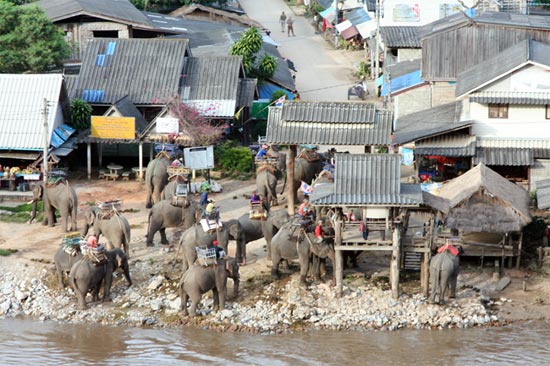
Karen Ruammit Village is one of Chiang Rai’s best-known community-based cultural destinations along the left bank of the Kok River in Mae Yao Subdistrict, Mueang Chiang Rai District. What makes this place memorable is not just the elephant-related tourism that made it famous, but the broader atmosphere of a real riverside village where ethnic community life, local crafts, slow travel, and nature still come together in a very tangible way.
Although many travelers first hear about Karen Ruammit Village because of elephant activities, the destination has much more depth than that single image. It is a riverside settlement connected to the tourism history of the Kok River, and it has long functioned as a cultural gateway to the ethnic communities of the Mae Yao area. Karen people are central to the identity of the village, but nearby areas are also associated with Akha, Lahu, and other ethnic groups, giving the destination a distinctly multicultural character.
Its development story is important. Karen Ruammit Village became well known through a community-centered tourism model in which the village gradually built income and local opportunities from tourism rather than relying only on farming or outside business. Over time, elephant rides, river access, cultural performances, souvenir shops, village visits, and homestays became linked together. This made the village more than a short sightseeing stop. It became a local tourism hub on the Chiang Rai side of the Kok River.
Today, the village still stands out because it feels lived in rather than staged. Visitors can see how tourism and everyday life continue side by side. The Kok River remains one of the defining features of the area, shaping both the scenery and the travel experience. The village can be reached by road, but arriving by long-tail boat gives a completely different impression and helps explain why riverside tourism became such an important part of the area’s identity in the first place.
For travelers interested in cultural tourism, Karen Ruammit Village offers a more human and grounded side of Chiang Rai. Instead of monumental temples or highly polished city attractions, this area offers village atmosphere, mountain-backed river scenery, ethnic handicrafts, community interaction, and a flexible pace. Some visitors come only for a short stop, while others combine the village with nearby attractions in Mae Yao or stay overnight in the area for a fuller riverside experience.
Elephant-related activities remain one of the area’s main tourism features, and current local sources indicate that the village still operates elephant activities during daytime hours. In addition to riding programs, local tourism information now also refers to feeding elephants, bathing elephants, and preparing herbal food for them as part of the visitor experience. This means the destination is not limited to a single activity format and has evolved into a broader elephant-and-community tourism zone.
The community dimension is equally important. Karen Ruammit Village has long been described as one of the earliest examples of community-managed tourism in the area. Income from tourism does not come only from one service. It spreads across multiple local activities such as guiding, elephant care, selling food, operating riverside stays, making handicrafts, and running small-scale visitor services. That broader structure is one reason the village has remained relevant for so long in Chiang Rai tourism.
Handmade local products are another major part of the experience. Visitors can browse souvenirs and community-made goods that reflect the identity of the ethnic groups in the area. For many travelers, these small purchases become a meaningful way to support the village directly. They also add texture to the visit, making the destination feel more like a living local economy than a simple photo stop.
What also sets the village apart is its location on a route that connects well with several other places in Mae Yao. Travelers can combine Karen Ruammit Village with nearby ethnic attractions, scenic viewpoints, riverside stops, historical sites, and waterfalls. This makes it suitable for a half-day or full-day itinerary, especially for travelers who want to see Chiang Rai beyond the standard city circuit.
The atmosphere changes with the time of day. Morning is usually the best period for a calm visit, for beginning local activities, and for enjoying the riverside setting before the day becomes warmer. Midday is practical for walking around, browsing shops, or continuing to connected attractions. Those who stay overnight in the area often appreciate the quieter evening mood by the river and the cooler air in the morning.
As with any living community destination, visitors should approach the village respectfully. This is not a performance space detached from local life. It is a real settlement where people live, work, and host visitors at the same time. Dressing appropriately, keeping noise at a reasonable level, and asking permission before photographing certain people or private areas are simple but important ways to make the visit more considerate and rewarding.
Getting There is straightforward. By private car, start from central Chiang Rai and head toward Mae Yao. After crossing the Kok River bridge, turn left at the first traffic light intersection and continue along Highway 1207, the same corridor used for routes toward Huai Mae Sai Waterfall and other Mae Yao attractions. Follow the main road toward Ban Ruammit using local signs. Public red songthaews on the Chiang Rai–Mae Yao route are another option, and long-tail boats from the Mae Fah Luang Bridge area offer a more scenic river approach.
In the end, Karen Ruammit Village remains one of the most distinctive places to visit in Chiang Rai for travelers who want culture, river scenery, village atmosphere, and community-based tourism in one destination. It is close enough to the city to visit easily, but different enough in character to feel like a separate world. For that reason, it continues to be one of the strongest cultural travel options on the Mae Yao side of Chiang Rai.
| Name | Karen Ruammit Village |
| Location | Village No. 2, Mae Yao Subdistrict, Mueang Chiang Rai District, Chiang Rai, on the left bank of the Kok River |
| Address | 93 Moo 2, Soi 6, Ban Ruammit, Mae Yao, Mueang Chiang Rai, Chiang Rai 57100 |
| Coordinates | 19.960097, 99.710855 |
| Highlights | Riverside ethnic village, community-based tourism, elephant-related activities, ethnic handicrafts, homestay options, easy connection to other Mae Yao attractions |
| History | A Karen village that developed tourism successfully through community-based management and became a cultural tourism center in the Mueang Chiang Rai area |
| Name Origin | The name “Ruammit” reflects the village’s mixed and connected community life, with Karen identity at its core and nearby ethnic villages around it |
| Distinctive Features | Authentic Kok River village atmosphere, souvenir shops, community tourism services, elephant activity zone, and nearby ethnic and natural attractions |
| Travel Information | Drive from Chiang Rai toward Mae Yao via Highway 1207 after crossing the Kok River bridge, or use a red songthaew on the Chiang Rai–Mae Yao route, or arrive by long-tail boat from the Mae Fah Luang Bridge area |
| Current Status | Still active as a community tourism destination and elephant camp area with continuing visitor services, souvenir shops, and riverside stays nearby |
| Open Days | Daily |
| Opening Hours | 08:00 - 16:00 |
| Facilities | Tourism activity area, souvenir shops, community services, nearby homestays, riverside dining options, and access points to local transport and river routes |
| Main Areas / Zones | Ban Ruammit Village No. 2, Ruammit elephant camp area, Kok River frontage, souvenir zone, and connecting routes toward nearby ethnic villages |
| Main Contact Number | Karen Ruammit Elephant Camp 081-022-6807, Karen Ruammit Elephant Club 053-750009, Yakadoo Homestay 087-176-2090 |
| Official Website / Official Page | Mae Yao Subdistrict Municipality, Facebook page for Karen Ruammit Elephant Camp |
| Nearby Tourist Attractions | 1) Long Neck Karen Village 1 km 2) Phra That Kodi Kaew 11 km 3) Sa Kok Long 12 km 4) Doi Bo Viewpoint 18 km 5) Huai Mae Sai Waterfall 20 km |
| Nearby Restaurants | 1) Hug Him Kok 5 km Tel. 089-636-2978 2) Ban Lom Yen 5 km Tel. 085-622-2097 3) Carp Coffee 8 km Tel. 082-762-6879, 087-300-4661 4) Style Pai Doi 10 km Tel. 087-481-4698 5) Kao Linchee 13 km Tel. 087-926-2460 |
| Nearby Accommodations | 1) Ruammit Homestay 1 km 2) Yakadoo Homestay 1 km Tel. 087-176-2090 3) Rimkok Home 1 km Tel. 090-010-0090 4) Ban Lom Jen Homestay 5 km Tel. 085-622-2097 5) My Dream Guest House 10 km Tel. 053-163320, 096-554-6049 |
Frequently Asked Questions (FAQ)
Q: Where is Karen Ruammit Village located?
A: It is located in Village No. 2, Mae Yao Subdistrict, Mueang Chiang Rai District, Chiang Rai, on the left bank of the Kok River.
Q: Is Karen Ruammit Village open every day?
A: Yes. The main tourism activities in the area operate daily, generally from 08:00 to 16:00.
Q: What is Karen Ruammit Village known for?
A: It is known for community-based cultural tourism, riverside village atmosphere, ethnic handicrafts, and elephant-related activities.
Q: Can visitors stay overnight in the area?
A: Yes. There are several nearby homestay-style options such as Ruammit Homestay, Yakadoo Homestay, and Rimkok Home.
Q: What is the easiest way to get there?
A: Private car is the easiest option, but travelers can also use local red songthaews or arrive by long-tail boat along the Kok River.
Q: What can I visit nearby after Ruammit Village?
A: Nearby options include the Long Neck Karen Village, Phra That Kodi Kaew, Sa Kok Long, Doi Bo Viewpoint, and Huai Mae Sai Waterfall.
 Category: ●Suburban Living
 Group: ●Village, Community
 Last Update : 1 MonthAgo
 Click to Access the Navigation Map GPS
 Art, Culture and Heritage
 Historical Sites and Monuments(
 Landmarks and Memorials(
 Art, Craft Centres, Tradition(
 Museums(
 Historical Houses and The Ancient City(
 Educational Places
 Museum for Study(
 Library(
 Educational Gardens, Farm(
 University
 Places of Worship
 Temple(
 Other religious and spiritural sites(
 Research and Development
 Royal Project(
 Local Market(
 Nature and Wildlife
 National Parks and Marine Reserves(
 Mountain (Doi)(
 Dam, Reservoir, Lake(
 Waterfalls(
 Hot Springs(
 Caves(
 River, Canal(
 Sea, Beach(
 Other natural attractions(
 Entertainment and Agricultural
 Animal camps and shows(
 Farm, Parks, Gardens and Ecotourism(
 Shopping
 Shopping and Night Market(
 Call Customer Service in Tourism
 Call Customer Service in Tourism(
 Travel Articles, Recipes
 Travel Review, Food Review(
 Food Menu, North Recipes(


