
lovethailand home >North Travel Attractions >Chiang Rai Travel Attractions >Mae Fa Luang >Mae Salong Nai > Akha Swing Festival
TL;DR: Akha Swing Festival, Chiang Rai attractions : Art, Culture and Heritage, Art, Craft Centres, Tradition.
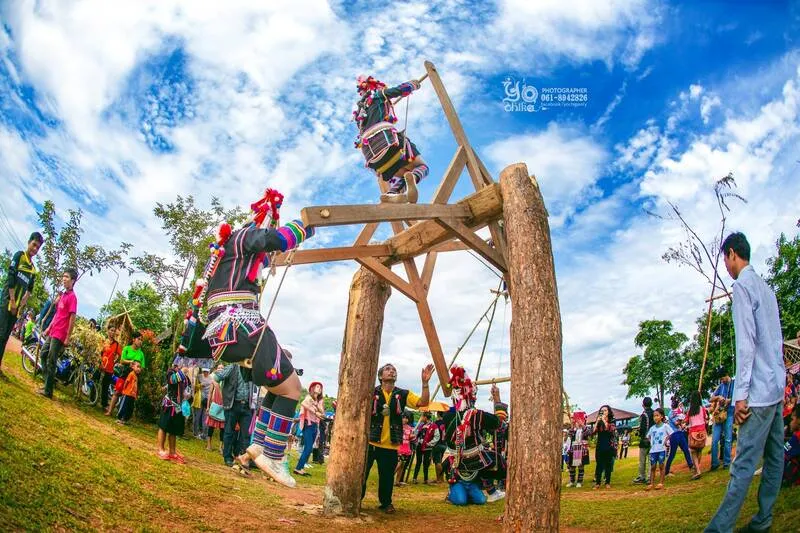
Akha Swing Festival
Open Days: Held once a year, usually from late August to early September
Opening Hours: Latest verified schedule 08:00 – 18:00 (2025 edition held on 6 – 7 September)
The Akha Swing Festival “Bo Chong Tu” is one of Chiang Rai’s most distinctive ethnic cultural festivals and one of the most meaningful annual events in northern Thailand. More than a public celebration, it is a living Akha tradition that carries beliefs, values, and community identity from one generation to the next. For travellers interested in culture, heritage, and real local experiences, this festival offers a rare opportunity to witness Akha tradition in its own community setting rather than in a staged or purely commercial format.
At the heart of the festival is the giant swing itself. In Akha belief, the swing is not merely a game or a performance object. It carries symbolic meaning connected to the relationship between people, nature, fertility, and communal wellbeing. The festival is associated with prayers for abundance, good health, and protection from misfortune. This is why the swing ritual is so important: it reflects a worldview in which human life, crops, the land, and the spirit world are closely linked.
Another defining feature of the festival is its strong connection to the role of women in Akha society. Official tourism information highlights that the celebration honours women and reflects the Akha community’s deep respect for female strength and responsibility. During the festival, Akha women wear elaborate traditional dress that has often been prepared well in advance, creating one of the most visually memorable aspects of the event. For visitors, this is one of the clearest ways to understand that the festival is not only seasonal and ritualistic, but also social and symbolic.
The timing of the festival is closely related to the agricultural rhythm of the highlands. It usually takes place in the late rainy season, from late August into early September, when the mountain landscape is lush and green. This seasonal setting matters because the festival is tied to prosperity, crops, and the wellbeing of the community. The natural surroundings therefore become part of the atmosphere of the event, giving the celebration a sense of freshness, abundance, and renewal.
The latest publicly confirmed edition was held on 6–7 September 2025 at Phra Siam Thewathirat Ground in Ban Sam Yaek Akha, Moo 24, Mae Salong Nai Subdistrict, Mae Fa Luang District, Chiang Rai. The programme included swing demonstrations, bamboo percussion performances, Akha costume fashion presentations, tribal food competitions, ethnic cultural shows, exhibitions, and a hill tribe market. These activities make the event much more than a ritual gathering. It becomes a full cultural festival where heritage, performance, local products, and community participation come together in one place.
One of the most memorable experiences for visitors is seeing the swing itself used within the festival context. The act of swinging combines ritual symbolism with joy and communal energy. Alongside it, the bamboo percussion performance adds rhythm and vitality to the event. The sound, movement, dress, and interaction between participants create an atmosphere that is both festive and deeply rooted in tradition. It is the kind of event where culture is not simply displayed — it is actively lived.
The festival also gives visitors a broader view of Akha daily life and identity. Traditional costumes, handmade items, ethnic food, and village-based market stalls all contribute to a fuller understanding of the community. Rather than being a single-stage attraction, the event unfolds across many cultural details. This makes it especially rewarding for travellers who enjoy moving slowly, observing carefully, and learning through direct experience.
From a cultural tourism perspective, “Bo Chong Tu” is especially valuable because it shows how an indigenous tradition can remain vibrant in the present day. The festival is not frozen in the past. It continues through participation by elders, adults, youth, community leaders, and local institutions. This continuity is one of its greatest strengths. It turns the festival into a living form of heritage rather than a symbolic reminder of something that has already disappeared.
The social meaning of the festival is equally important. It strengthens solidarity, reaffirms identity, and creates a space where the community can celebrate itself. Ritual, performance, food, dress, and trade all help reinforce belonging. For outside visitors, this means the experience is not just entertaining — it is educational and emotionally resonant as well. It reveals how community festivals can function as both cultural memory and social renewal.
For travellers, the festival is also an excellent way to see Chiang Rai beyond its better-known mountain viewpoints and cafés. It opens a window into the ethnic and cultural diversity of the province and shows that Chiang Rai’s richness lies not only in its landscapes, but also in the traditions and communities that shape those landscapes. Visitors who attend the festival often come away with a much deeper appreciation of northern Thailand’s cultural layers.
The atmosphere of the event is typically warm and community-driven rather than overly formal. Although local administrative and cultural agencies help support the festival, its true center remains the Akha community itself. This gives the event a sense of authenticity that many travellers value greatly. Elders, performers, vendors, families, and younger generations all play a role in the celebration, making the festival feel alive, personal, and rooted in place.
If you plan to attend, it is worth allowing at least half a day to a full day for the festival and the surrounding Mae Salong area. Nearby attractions such as Phra Borommathat Chedi Srinagarindra Sathit Maha Santi Khiri, General Tuan’s Tomb, 101 Tea Plantation, and Santikhiri Village can all be included in the same trip. This creates a fuller cultural itinerary that combines Akha heritage, Yunnanese-influenced mountain culture, tea landscapes, and highland history in one journey.
Visitors should prepare for mountain weather and seasonal rain, since the event takes place during the rainy season. Comfortable walking shoes, respectful dress, and light rain protection are recommended. It is also important to behave respectfully in ritual and community spaces, and to ask permission when appropriate before taking close-up photographs of individuals or sensitive moments of the ceremony. This kind of respectful approach helps preserve the dignity of the event and improves the experience for everyone.
Overall, the Akha Swing Festival “Bo Chong Tu” is one of Chiang Rai’s most meaningful cultural events. It combines ritual, celebration, women’s cultural significance, community pride, and living heritage in one annual festival. For anyone looking for an experience in Chiang Rai that offers beauty, depth, and genuine human warmth, this is one of the strongest cultural highlights in the province.
Getting There The latest verified venue was Phra Siam Thewathirat Ground in Ban Sam Yaek Akha, Moo 24, Mae Salong Nai Subdistrict, Mae Fa Luang District, Chiang Rai. From Chiang Rai city, travellers usually drive via Mae Chan and continue into the Mae Salong highland zone. A private car or rental car is the most convenient option, as the route includes mountain roads and the festival site is within a community area rather than a major transport hub. The event can easily be combined with a broader day trip around Doi Mae Salong and nearby cultural attractions.
| Name / Festival | Akha Swing Festival “Bo Chong Tu” |
| Location | Phra Siam Thewathirat Ground, Ban Sam Yaek Akha, Moo 24, Mae Salong Nai Subdistrict, Mae Fa Luang District, Chiang Rai |
| Address | Ban Sam Yaek Akha, Moo 24, Mae Salong Nai, Mae Fa Luang, Chiang Rai |
| Highlights | Akha swing ritual, bamboo percussion performance, Akha costume showcases, tribal market, ethnic food, and cultural performances |
| History | A long-standing Akha tradition that continues to be held annually as part of the community’s cultural and seasonal cycle |
| Name Origin | “Bo Chong Tu” is the Akha festival name associated with the swing tradition, communal blessing, and ritual celebration of abundance and wellbeing |
| Distinctive Features | An annual Akha ethnic festival that combines ritual belief, women’s cultural significance, village life, traditional performances, and community-based tourism |
| Travel Information | Best reached by private car or rental car from Chiang Rai via Mae Chan and Mae Salong; mountain roads require extra travel time |
| Current Status | The festival continues to be held annually; the latest publicly verified edition was on 6–7 September 2025 |
| Open Days | Held once a year, usually from late August to early September |
| Opening Hours | Latest verified schedule 08:00 – 18:00 |
| Facilities | Festival ground, performance space, cultural exhibition area, tribal market, and visitor activity zones |
| Main Areas / Zones | Swing ground, performance stage, bamboo percussion zone, tribal market, and Akha cultural activity areas |
| Caretaker / Organiser | Mae Salong Nai Subdistrict Administrative Organisation together with local Akha communities and cultural agencies |
| Main Contact Number | Mae Salong Nai SAO 053-730322 ext. 105, 053-730322 ext. 0, Public Relations Officer 095-4477024, Chiang Rai Provincial Cultural Office 053-150169 |
| Official Website / Official Page | Mae Salong Nai SAO website, TAT Newsroom, TourismThailand, Ministry of Culture Event Calendar |
| Nearby Tourist Attractions | 1. Phra Borommathat Chedi Srinagarindra Sathit Maha Santi Khiri 7 km 2. General Tuan’s Tomb 8 km 3. 101 Tea Plantation 8 km 4. Santikhiri Village, Doi Mae Salong 8 km 5. Wang Put Tan Tea Plantation 9 km |
| Nearby Restaurants | 1. Im Pochana 8 km Tel. 089-637-5290, 053-765297, 080-5000910 2. Mae Salong Villa Restaurant 8 km Tel. 053-765114, 053-765115 3. Wang Put Tan Restaurant 9 km Tel. 053-765094, 089-995-4066 4. Sweet Maesalong Cafe 9 km Tel. 081-8554000, 053-765067 5. Maesalong Dream Coffee & Tea 9 km Tel. 085-222-6851 |
| Nearby Accommodations | 1. Mae Salong Villa 8 km Tel. 053-765114-5, 095-0534999 2. 101 Tea Green View 8 km Tel. 090-705-9009 3. Shin Sane Guest House 8 km Tel. 053-765026, 087-1851978 4. Mae Salong Mountain Home Resort 10 km Tel. 084-611-9508 5. Phu Chaisai Mountain Resort 18 km Tel. 053-180099 |
Frequently Asked Questions (FAQ)
Q: When is the Akha Swing Festival “Bo Chong Tu” usually held?
A: It is usually held once a year from late August to early September, and the latest verified edition took place on 6–7 September 2025.
Q: Where is the festival held?
A: The latest verified venue was Phra Siam Thewathirat Ground in Ban Sam Yaek Akha, Moo 24, Mae Salong Nai Subdistrict, Mae Fa Luang District, Chiang Rai.
Q: Why is this festival important to the Akha community?
A: It is tied to blessings for abundance, protection from misfortune, and respect for women, while also helping preserve Akha cultural identity.
Q: What can visitors see at the festival?
A: Visitors can enjoy swing rituals, bamboo percussion performances, Akha costume presentations, tribal food, ethnic market stalls, and cultural performances.
Q: Who would enjoy this event most?
A: It is ideal for travellers interested in ethnic culture, community-based tourism, photography, and deeper cultural experiences in Chiang Rai.
Q: Is there an entrance fee?
A: The latest public information does not clearly state an official entrance fee, so visitors should check the latest organiser announcement before travelling.
Q: How should visitors prepare for the trip?
A: Wear respectful clothing, comfortable shoes, bring light rain protection, and allow extra travel time because the route includes mountain roads.
 Category: ●Art, Culture and Heritage
 Group: ●Art, Craft Centres, Tradition
Last Update : 5 MonthAgo
 Last Update : 5 MonthAgo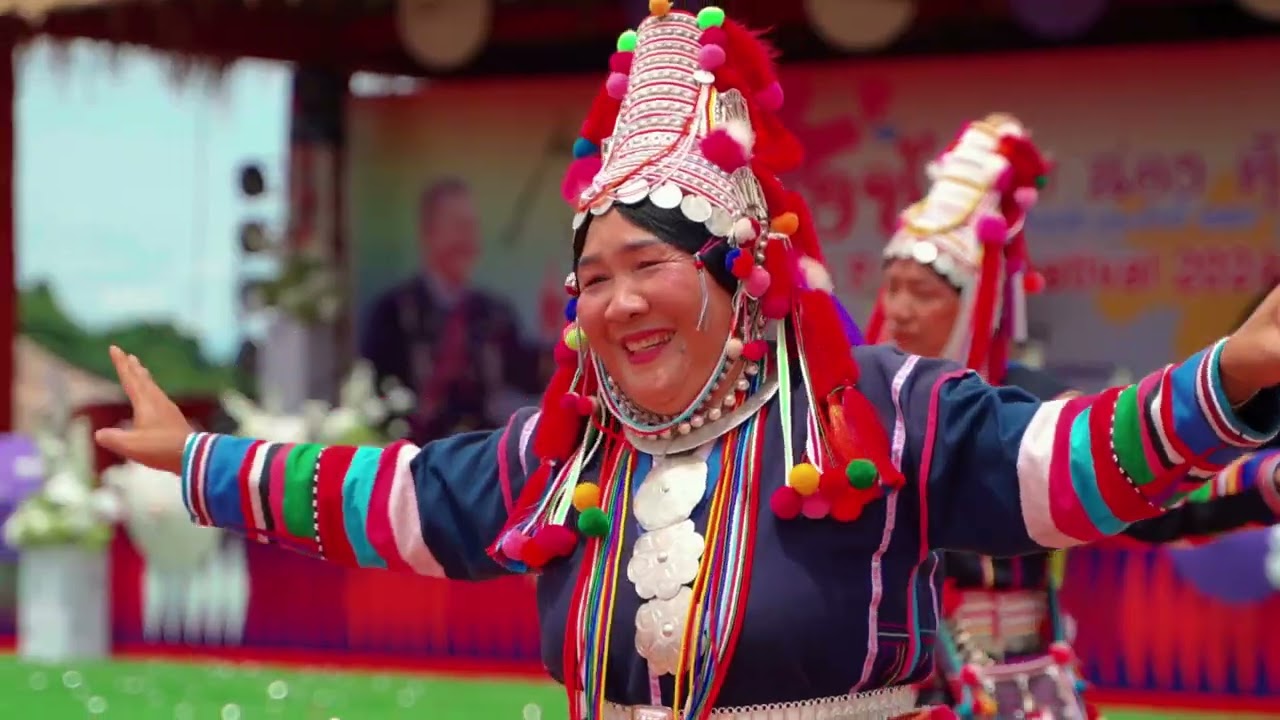
 Click to Access the Navigation Map GPS
Akha Swing Festival Map
Recommend

 Historical Sites and Monuments(3)
 Landmarks and Memorials(7)
Art, Craft Centres, Tradition(6)
Landmarks and Memorials(7)
Art, Craft Centres, Tradition(6)
 Museums(8)
 Historic Homes and Cities(1)
 Educational Places
 Museum for Study(1)
 Library(1)
 Educational Gardens, Farm(3)
 Places of Worship
 Temple(38)
 Other Sacred Sites(5)
 Research and Development
 Royal Project(9)
 Suburban Living
 Village, Community(16)
 Local Market(5)
 Nature and Wildlife
 National Parks and Marine Reserves(18)
 Mountain (Doi)(20)
 Dam, Reservoir, Lake(8)
 Waterfalls(16)
 Hot Springs(6)
 Caves(8)
 River, Canal(10)
 Sea, Beach(1)
 Other natural attractions(3)
 Entertainment and Agricultural
 Animal camps and shows(1)
 Farms, Parks and Ecotourism(9)
 Shopping
 Shopping and Night Market(2)
 Call Customer Service in Tourism
 Call Customer Service in Tourism(1)
 Travel Articles, Recipes
 Travel Review, Food Review(1)
 Food Menu, North Recipes(1)


