
lovethailand home >Central Travel Attractions >Bangkok Travel Attractions >Khlong Toei >Khlong Toei > Wat Khlong Toei Nai
TL;DR: Wat Khlong Toei Nai is located at Na Ranong Road, Khlong Toei Subdistrict, Khlong Toei District, Bangkok, Near Rama IV Road, Khlong Toei Market, PAT Stadium, And The Port, open Daily, hours 08.00 – 17.00.
Wat Khlong Toei Nai
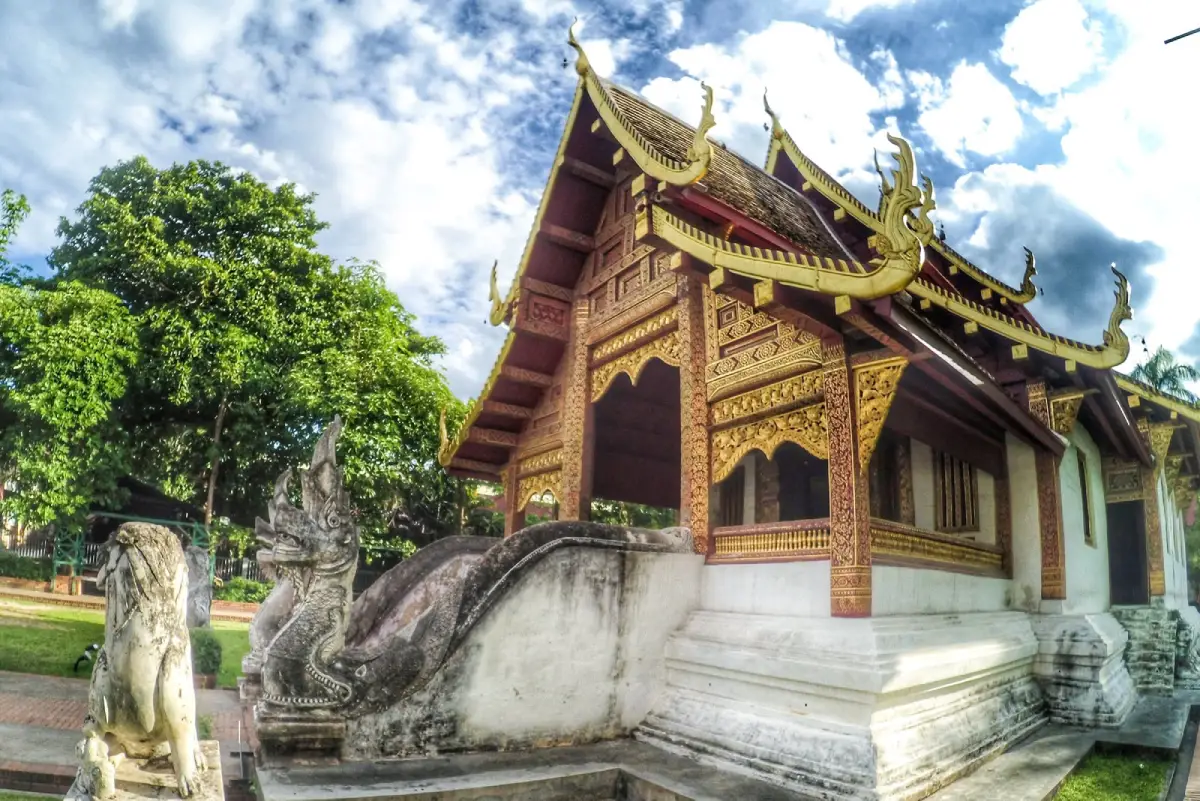
Open Days: Daily
Opening Hours: 08.00 – 17.00
Wat Khlong Toei Nai is a historic private Buddhist temple under the Mahanikaya order, located at 472 Na Ranong Road, Khlong Toei Subdistrict, Khlong Toei District, Bangkok 10110. The temple stands near Rama IV Road, Sunthon Kosa Road, Khlong Toei Market, PAT Stadium, the Port Authority of Thailand, and the Wat Khlong Toei Nai community. It is open daily from 08.00 to 17.00 for merit-making, worship, Buddhist ceremonies, cultural visits, and community learning. The temple was established around 1807 and covers approximately 12 rai. Its major highlights include Phra Phuttha Si Sanphet, an Ayutthaya-period Buddha image in the subduing-Mara posture, the old ordination hall, antique ceremonial fans, antique wall clocks, traditional Thai bonsai known as mai dat, kham mo miniature mountain landscapes, pet cremation ceremonies, and the Wat Khlong Toei Nai 15-minute garden.
Wat Khlong Toei Nai is suitable for visitors who want to understand Khlong Toei beyond its modern images of markets, port activity, major roads, and dense urban communities. The temple has long served as a spiritual center for local residents. It remains an active monastery with many resident monks, annual Buddhist ceremonies, Pali and monastic education activities, a nearby temple school, merit-making spaces, and distinctive roles such as pet cremation, preservation of traditional Thai bonsai, and maintenance of a small urban green space. This makes the temple a living cultural site where religion, education, art, community life, and modern urban change meet.
The history of Wat Khlong Toei Nai begins with its establishment by local residents around 1807, when Khlong Toei was still closely tied to canals and waterside settlement. The name Khlong Toei comes from a canal whose banks were once filled with pandan plants. Local people travelled by boat to collect pandan leaves for Thai desserts and household use. This image shows that before Khlong Toei became known for its market, port, stadium, road network, and dense neighborhoods, it was a water-based community where canals, plants, food culture, and daily life were closely connected.
The eastern side of the temple once faced the Khlong Toei canal area. Over time, the canal was filled in and the surrounding landscape changed into housing, roads, buildings, and urban communities. The name of the temple preserves this older memory of the district. Wat Khlong Toei Nai therefore helps visitors read the history of the area from its canal-based past to its modern urban identity. It is a temple that keeps alive the memory of pandan-lined waterways and local riverine life.
The temple occupies about 12 rai of land. In earlier administrative records, the area belonged to Phra Khanong District of Phra Nakhon Province before Bangkok’s present district and subdistrict structure developed. The surrounding environment has changed dramatically. What was once related to canals and oil-storage areas later became a district of roads, markets, logistics, residential communities, and public institutions. Wat Khlong Toei Nai remains a calm religious space embedded within one of Bangkok’s most active urban districts.
In the past, the temple compound also accommodated the Lions Club of Dusit, Bangkok, and the public-health division of the former Bangkok Municipality. These roles show that temple space has long served more than religious ceremonies. It has also supported public and community functions. Today, the remaining nearby institution is Wat Khlong Toei Nai School, located next to the temple. The connection between temple and school reflects the important Thai social structure of home, temple, and school working together to support religion, education, and community values.
The ordination hall is the central sacred building of Wat Khlong Toei Nai. Inside is Phra Phuttha Si Sanphet, a Buddha image in the subduing-Mara posture, also referred to in Thai as pang sadung mar. The image has a lap width of seven sok, is made of fine stone, lacquered and gilded, and is associated with Ayutthaya-period Buddhist art. Visitors should begin their worship at the ordination hall to pay respect to this important principal Buddha image and experience the temple’s older sacred atmosphere.
Phra Phuttha Si Sanphet has both devotional and artistic value. The subduing-Mara posture represents the Buddha’s victory over Mara through spiritual perfection and wisdom before enlightenment. The old stone material and gilded surface give the image dignity and sacred presence. Visitors interested in Buddhist art should observe the posture, facial expression, base, and devotional setting carefully. The image is not only an object of worship but also an important artistic and spiritual anchor for the Khlong Toei community.
The temple also preserves antique ceremonial fans from different periods and old wall clocks. These objects show the temple’s role as a keeper of religious and cultural memory. Ceremonial fans are connected with monastic rites and the relationship between monks and lay supporters. Antique clocks reflect past tastes and everyday material culture. Together, these objects make Wat Khlong Toei Nai more than a temple with a beautiful Buddha image. It is also a place where the material culture of the community has been preserved.
One of the temple’s strongest identities is its preservation of traditional Thai bonsai, known as mai dat, and kham mo miniature mountain landscapes. Mai dat is not ordinary ornamental gardening. It is a demanding Thai art form that requires patience, skill, and knowledge of traditional shapes. The trunk, branches, movement, balance, and container all need to be carefully controlled over time. Kham mo represents miniature natural landscapes, often including mountain-like forms used in Thai gardens, palaces, and temples.
Phra Ratchasitthisunthorn, Somphong Kittisaro, the abbot of Wat Khlong Toei Nai, has played a major role in preserving traditional Thai bonsai and kham mo. He studied, collected, maintained, and developed this art form at the temple over many years. Many of the trees are arranged around the ordination hall and other important temple areas, allowing visitors to see traditional Thai plant art in a living religious setting rather than only in books or museums. This work shows the refined relationship between nature, art, patience, and Buddhist temple culture.
The reputation of Wat Khlong Toei Nai’s mai dat and kham mo became especially important when the temple’s trees and miniature landscapes were selected to decorate the Royal Crematorium at Sanam Luang for the royal cremation ceremony of King Bhumibol Adulyadej, Rama IX. This national recognition confirms that the temple’s plant art is part of Thailand’s cultural heritage, not merely local temple decoration. Visitors should therefore see the bonsai and kham mo as living Thai craftsmanship preserved through devotion and long-term care.
In 2026, Khlong Toei District Office opened a learning center for traditional Thai bonsai at Wat Khlong Toei Nai under a creative district development project. The project aimed to strengthen local identity and support community-based tourism. This activity shows that the temple’s role in preserving mai dat is not limited to the past. It continues as a contemporary learning space where traditional art communicates with modern Bangkok and local community development.
Wat Khlong Toei Nai is also known for pet cremation ceremonies, especially for dogs and cats. This role reflects compassion toward living beings and an understanding of the emotional bond between people and their pets. In modern urban life, pets are often treated as family members. A temple space that provides a respectful farewell helps owners cope with loss and make merit in a calm, structured way. This gives Wat Khlong Toei Nai a contemporary social role that connects Buddhist compassion with the emotional life of city residents.
Pet cremation should be understood through the lens of compassion rather than as an ordinary service. The central idea is respect for life and care for people experiencing grief. The temple gives pet owners an opportunity to make merit, dedicate blessings, and close the final stage of care with dignity. This role, located within a historic temple in Khlong Toei, shows how Buddhist temple space can respond to changing patterns of urban life.
Education is another important part of the temple’s identity. Wat Khlong Toei Nai is connected with monastic education and Pali study, and its name appears in central monastic school records. Pali education is essential for Thai Buddhism because it supports the study of Buddhist scriptures, monastic discipline, and doctrinal knowledge. A temple involved in Pali and monastic education is not merely a place for rituals. It is also a place where Buddhist learning and future monastic leadership are cultivated.
Recent Kathin activity information for 2026 identifies Wat Khlong Toei Nai as a private temple in Khlong Toei, Bangkok, with 43 resident monks and Phra Ratchasitthisunthorn as abbot. This confirms that the temple remains active and open, with regular Buddhist functions and a living monastic community. Visitors should therefore treat the temple as an active monastery, not only as a historic or photographic site.
The temple’s abbot lineage includes Phra Achan Thong, Phra Achan Ek, Phra Achan Bang, Phra Khru Thiraphinan or Mian Klinruen, Phra Khru Thiraphinan Chup Rungrueang or Luang Pu Chup, and Phra Ratchasitthisunthorn, Somphong Kittisaro. These names reflect continuous temple leadership, restoration, and care across different generations. In the present period, Phra Ratchasitthisunthorn is especially associated with the preservation of Thai bonsai and the temple’s identity as a cultural learning center in Khlong Toei.
The temple’s contemporary role is also visible through Khlong Toei District activities in 2026, including candle offering for Buddhist Lent, merit-making ceremonies held at the temple, the opening of the traditional Thai bonsai learning center, and maintenance of the Wat Khlong Toei Nai 15-minute garden. These activities show that the temple continues to connect monks, government agencies, residents, students, and visitors. It serves religion, culture, education, urban greenery, and community development at the same time.
The Wat Khlong Toei Nai 15-minute garden reflects how an old temple can support urban life in a modern district. The garden adds a small resting place for the community, improves the local landscape, softens the dense urban environment, and increases green space in a crowded area. Within one visit, people can worship, observe traditional Thai bonsai, and spend time in a small green area. This makes the temple part of a broader effort to improve quality of life in Khlong Toei.
Important areas inside and around the temple include the ordination hall housing Phra Phuttha Si Sanphet, the mai dat and kham mo display areas, the sermon hall, the monastic area, merit-making areas, funeral and memorial spaces, the pet cremation area, Wat Khlong Toei Nai School, and the 15-minute garden. Visitors should respect the different functions of each area. The ordination hall and worship areas should be approached quietly. The monastic area should not be entered without permission. School and ceremony areas should not be disturbed.
A complete understanding of Wat Khlong Toei Nai should include its 1807 foundation, the origin of the Khlong Toei name from pandan-lined canals, Phra Phuttha Si Sanphet, traditional Thai bonsai and kham mo, the role of Phra Ratchasitthisunthorn, pet cremation ceremonies, links with Wat Khlong Toei Nai School, its large resident monastic community, 2026 temple-and-city activities, the 15-minute garden, and routes connecting the temple with Khlong Toei Market and the pier area. These layers make the temple a religious, cultural, educational, and urban community landmark.
For worshippers, the visit should begin at the ordination hall by paying respect to Phra Phuttha Si Sanphet. After that, visitors can observe the traditional Thai bonsai and kham mo arranged around the temple. During Kathin, Buddhist Lent, merit-making ceremonies, or community events, visitors should avoid disturbing monks and local participants. Photography should be restrained, especially inside sacred buildings and around active ritual areas.
Visitors interested in Thai bonsai should walk slowly and observe the details of each tree. Mai dat is not about unusual branches alone. It is about movement, proportion, balance, space, container, and traditional form. Kham mo should be viewed as a miniature landscape linking mountains, water, nature, and classical Thai garden imagination. Understanding these ideas makes a visit to Wat Khlong Toei Nai more meaningful as an art and cultural experience.
For those interested in Khlong Toei community history, the temple is a useful starting point. Nearby places include Khlong Toei Market, PAT Stadium, the Port Authority of Thailand, Rama IV Road, Sunthon Kosa Road, Na Ranong Road, Wat Khlong Toei Nok, the riverside pier area, and the route toward Bang Kachao. These places show Khlong Toei as a district of markets, port labor, river transport, sport, religion, education, and community life. The temple adds an important cultural dimension to this urban picture.
The best time to visit is in the morning after the temple opens or in the late afternoon before closing. Morning is suitable for quiet worship and observing the bonsai collection. Late afternoon works well for visitors continuing to Khlong Toei Market, Queen Sirikit National Convention Center, Benjakitti Park, Khlong Toei Pier, or Bang Kachao. Visitors should plan to finish before 17.00 and avoid major temple-event periods if they want a quieter experience and easier parking.
Proper etiquette is important at Wat Khlong Toei Nai. Visitors should dress respectfully, speak softly, remove shoes where required, avoid disturbing monks, novices, students, ceremony participants, and local worshippers. The bonsai and kham mo should not be touched, moved, or disturbed because they are delicate works of living art requiring long-term care. If pet cremation or funeral rites are taking place, visitors should keep a quiet distance and give priority to the people attending the ceremony.
Getting There is convenient by road, MRT, bus, and local transfer. By car or taxi, set the destination as Wat Khlong Toei Nai, 472 Na Ranong Road, Khlong Toei, Bangkok, using Rama IV Road, Sunthon Kosa Road, or Na Ranong Road as the main approach. By MRT, get off at Khlong Toei Station and continue by a short local ride. Bus routes serving the Khlong Toei and Rama IV area include routes such as 45 and 46. Visitors continuing to Bang Kachao can connect toward the Khlong Toei pier area or nearby river crossings.
Visitors arriving by private car should allow extra time because traffic around the temple can be heavy in the morning, evening, on Buddhist holy days, weekends, Kathin events, funeral ceremonies, and periods when people use special temple services. Taxis, local rides, or a short transfer from the MRT are often more convenient. Visitors planning to continue to Khlong Toei Market, PAT Stadium, Queen Sirikit National Convention Center, Benjakitti Park, or Bang Kachao should plan the route according to traffic and ferry timing.
A practical half-day itinerary can begin with worship at Phra Phuttha Si Sanphet inside the ordination hall, followed by observation of traditional Thai bonsai and kham mo, then a walk through the 15-minute garden or other public areas of the temple. After that, visitors can continue to Wat Khlong Toei Nok, Khlong Toei Market, PAT Stadium, Queen Sirikit National Convention Center, Benjakitti Park, or the pier route toward Bang Kachao. This route offers old temple history, Thai cultural art, urban markets, port identity, and green space in one compact journey.
In summary, Wat Khlong Toei Nai is one of Bangkok’s meaningful old temples, combining history, Buddhism, art, education, community life, and urban environment. Established around 1807, it preserves the memory of the pandan-lined canals that gave Khlong Toei its name. It houses Phra Phuttha Si Sanphet, an important Ayutthaya-period Buddha image, preserves antique religious objects, provides pet cremation ceremonies, and is especially distinguished as a center for traditional Thai bonsai and kham mo. The temple remains open, has resident monks, and continues to join current community activities. For visitors who want to understand Khlong Toei beyond its market and port image, Wat Khlong Toei Nai is an essential cultural stop in Bangkok.
| Name | Wat Khlong Toei Nai |
| Type / Affiliation | Private Buddhist Temple Under The Mahanikaya Order |
| Location | Na Ranong Road, Khlong Toei Subdistrict, Khlong Toei District, Bangkok, Near Rama IV Road, Khlong Toei Market, PAT Stadium, And The Port Authority Of Thailand |
| Address | 472 Na Ranong Road, Khlong Toei Subdistrict, Khlong Toei District, Bangkok 10110, Thailand |
| Coordinates | 13.70968, 100.56120 |
| Temple Land | Approximately 12 Rai |
| Highlights | Phra Phuttha Si Sanphet, Ayutthaya-Period Buddha Image, Traditional Thai Bonsai, Kham Mo Miniature Landscapes, Ordination Hall, Antique Ceremonial Fans, Antique Wall Clocks, Pet Cremation Ceremonies, And Wat Khlong Toei Nai 15-Minute Garden |
| History | Established Around 1807 By Local Residents As An Old Temple Of The Khlong Toei Canal Community |
| Name Origin | Khlong Toei Comes From A Canal Once Lined With Pandan Plants. Local People Travelled By Boat To Collect Pandan Leaves For Thai Desserts Before The Canal Area Was Filled And Urbanized. |
| Principal Buddha Image | Phra Phuttha Si Sanphet, A Subduing-Mara Buddha Image With A Lap Width Of Seven Sok, Made Of Fine Stone, Lacquered And Gilded, Associated With Ayutthaya-Period Buddhist Art |
| Cultural Objects | Ceremonial Fans From Different Periods, Antique Wall Clocks, And Objects Preserving The Temple’s Religious And Cultural Memory |
| Cultural Art Highlight | A Center For Preserving Traditional Thai Bonsai And Kham Mo; The Temple’s Plant Art Was Selected To Decorate The Royal Crematorium For The Royal Cremation Ceremony Of King Rama IX |
| Main Areas / Zones | Ordination Hall, Mai Dat And Kham Mo Areas, Sermon Hall, Monastic Area, Merit-Making Area, Funeral And Memorial Areas, Pet Cremation Area, Wat Khlong Toei Nai School, And Wat Khlong Toei Nai 15-Minute Garden |
| Abbot / Caretaker | Phra Ratchasitthisunthorn, Somphong Kittisaro |
| Resident Monks | 43 Resident Monks According To 2026 Kathin Activity Information |
| Educational Role | Connected With Monastic And Pali Education, And With Wat Khlong Toei Nai School Next To The Temple |
| Community Role | Spiritual Center Of The Khlong Toei Community, Supporting Buddhist Ceremonies, Temple-And-City Activities, Traditional Thai Bonsai Learning, And Local Green Space |
| Travel Information | Access Via Rama IV Road, Sunthon Kosa Road, And Na Ranong Road. Use Khlong Toei MRT Station And Continue By A Short Local Ride, Or Use Buses Serving The Khlong Toei Area Such As Routes 45 And 46. |
| Current Status | Open As An Active Community Temple With Regular Buddhist Functions |
| Open Days | Daily |
| Opening Hours | 08.00 – 17.00 |
| Main Contact Number | 02-249-3364 |
| Nearby Tourist Attractions | 1. Wat Khlong Toei Nok, About 0.8 km 2. PAT Stadium, Port Authority Of Thailand, About 1 km 3. Khlong Toei Market, About 1.2 km 4. Khlong Toei Pier, About 1.8 km 5. Queen Sirikit National Convention Center, About 2 km 6. Benjakitti Park, About 2.5 km 7. Bang Kachao, About 3 km Via Ferry And Local Transfer |
| Nearby Restaurants | 1. Big Jod Khlong Toei 1, Na Ranong Road, About 0.8 km, Tel. 091-223-4490 2. Khrua 18, Na Ranong Road, About 0.9 km, Tel. 085-481-8833 3. Rangnok Coffee, Loxley Building, Na Ranong Road, About 1 km, Tel. 061-917-0033 4. Aew Wat Khlong Toei Nai, Sunthon Kosa Road, About 1.2 km, Tel. 061-028-7507 5. Hi Food Restaurant, Khlong Toei Market, About 1.5 km, Tel. 099-462-2799 6. Bua Lee Spring Rolls, Khlong Toei Market Branch, About 1.6 km, Tel. 084-254-3032, 085-021-2545, 085-198-4452, 087-087-7387 |
| Nearby Accommodations | 1. Penang Palace, About 1.2 km, Tel. 085-125-5166 2. Seekers Finders Rama IV Hotel, About 1.8 km, Tel. 02-002-4232 3. Modena By Fraser Bangkok, About 2.2 km, Tel. 02-033-0888 4. Zleepmotion Bangkok, About 3 km, Tel. 062-369-5511 5. Shama Lakeview Asoke Bangkok, About 3.5 km, Tel. 02-663-1234 6. SILQ Hotel & Residence, About 4 km, Tel. 02-407-1000 |
Frequently Asked Questions (FAQ)
Q: Where Is Wat Khlong Toei Nai Located?
A: Wat Khlong Toei Nai is located at 472 Na Ranong Road, Khlong Toei Subdistrict, Khlong Toei District, Bangkok 10110, near Rama IV Road, Khlong Toei Market, PAT Stadium, and the Port Authority of Thailand.
Q: What Are The Opening Days And Hours Of Wat Khlong Toei Nai?
A: Wat Khlong Toei Nai is open daily from 08.00 to 17.00.
Q: When Was Wat Khlong Toei Nai Established?
A: Wat Khlong Toei Nai was established around 1807 by local residents and is one of the old temples of the Khlong Toei community.
Q: What Is The Origin Of The Name Khlong Toei?
A: The name comes from a canal whose banks were once filled with pandan plants. Local people travelled by boat to collect pandan leaves for Thai desserts before the canal area was filled and urbanized.
Q: What Is The Principal Buddha Image At Wat Khlong Toei Nai?
A: The principal Buddha image is Phra Phuttha Si Sanphet, a subduing-Mara Buddha image with a lap width of seven sok, made of fine stone, lacquered and gilded, and associated with Ayutthaya-period Buddhist art.
Q: What Are The Main Highlights Besides The Ordination Hall?
A: Key highlights include traditional Thai bonsai, kham mo miniature landscapes, antique ceremonial fans, antique wall clocks, the 15-minute garden, and the temple’s pet cremation role.
Q: Who Is The Current Abbot Of Wat Khlong Toei Nai?
A: The current abbot is Phra Ratchasitthisunthorn, Somphong Kittisaro, who is closely associated with the preservation of traditional Thai bonsai and kham mo.
Q: How Can Travelers Get To Wat Khlong Toei Nai?
A: Travelers can approach via Rama IV Road, Sunthon Kosa Road, or Na Ranong Road. By MRT, use Khlong Toei Station and continue by a short local ride. Buses serving the Khlong Toei area include routes such as 45 and 46.
 Category: ●Places of Worship
 Group: ●Temple
Last Update : 3 WeekAgo
 Last Update : 3 WeekAgo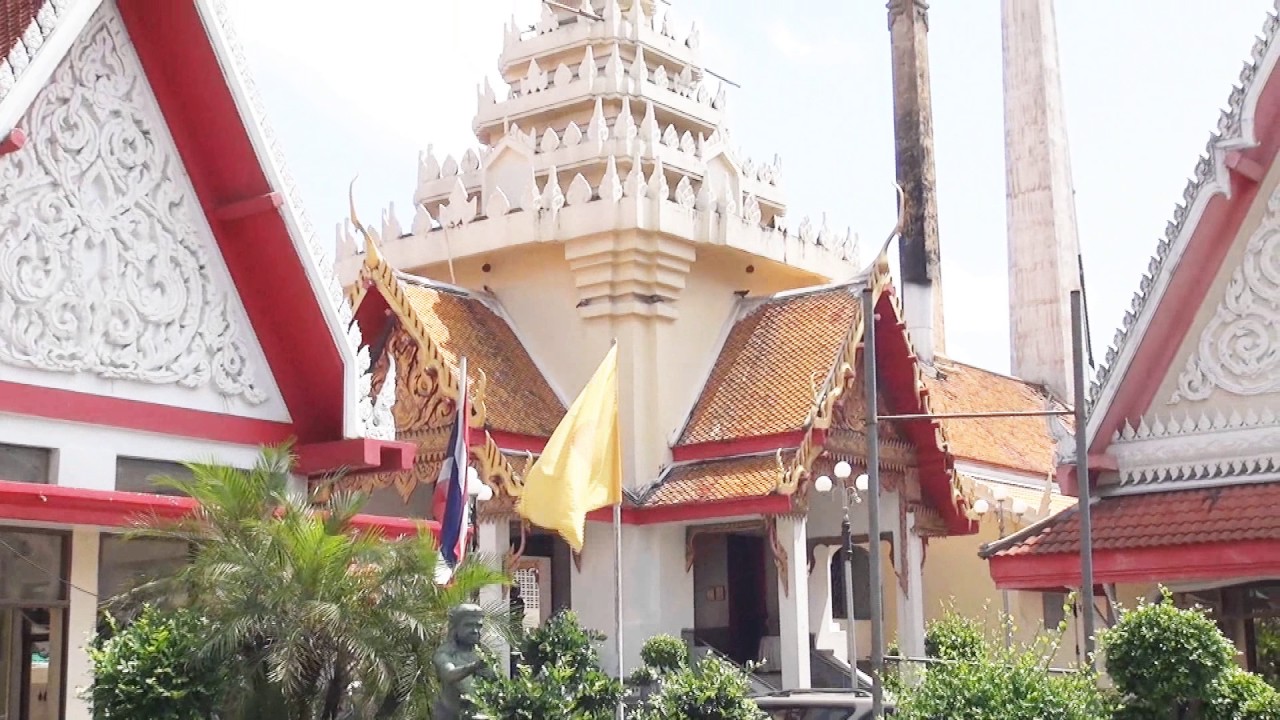
 Click to Access the Navigation Map GPS
Wat Khlong Toei Nai Map
Recommend

 Phra Nakhon(24)Dusit(17)Khlong San(7)Khlong Toei(3)Jatujak(2)Don Muang(5)Taling Chan(26)Thon Buri(23)Bangkok Noi(31)Bangkok Yai(13)Bang Kapi(5)Bang Kun Tien(15)Bang Khen(3)Bang Kholam(10)Bang Sue(9)Bang Plad(23)Bang Rak(6)Chom Thong(16)Bung Kum(5)Pra Wet(6)Patum Wan(6)Pom Prap Sattru Phai(11)Paya Thai(1)Pra Kanong(4)Pa Sri Charoen(23)Min Buri(7)Yan Na Wa(8)Ratchathewi(4)Rat Burana(6)Lat Krabang(13)Nong Chok(16)Lat Phrao(4)Sathorn(4)Sam Phan Tha Wong(12)Nong Khaem(7)Huai Khwang(3)Suan Luang(7)Din Daeng(2)Lak Si(1)Sai Mai(8)Khan Na Yao(2)Wang Thong Lang(1)Klong Sam Wa(10)Watthana(2)Bang Na(4)Thawi Watthana(3)Bang Khae(5)Thung Khru(4)Bang Bon(3)


