
TL;DR: Wat Ban Len Sa Krachap is located at Village No. 9, Ban Pho Subdistrict, Bang Pa-In District, Phra Nakhon Si Ayutthaya, open Daily, hours 08:00 – 17:00.
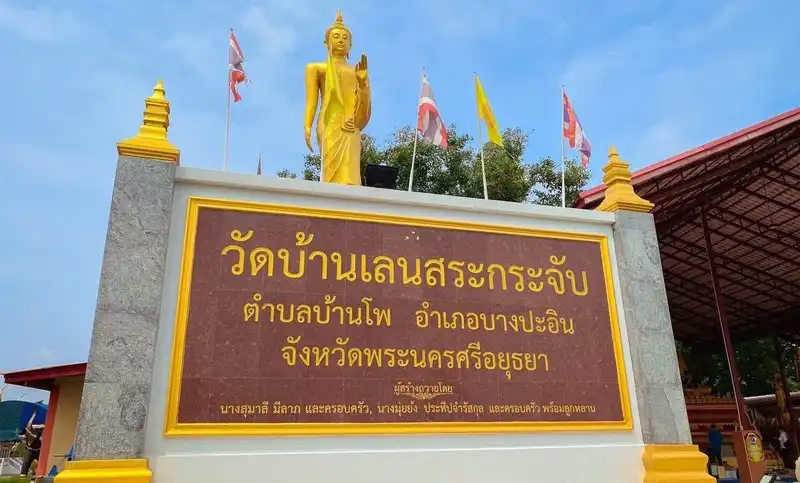
Wat Ban Len Sa Krachap
Open Days: Daily
Opening Hours: 08:00 – 17:00
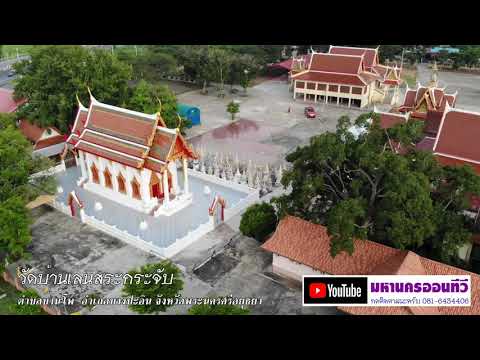
Wat Ban Len Sa Krachap is located in Village No. 9, Ban Pho Subdistrict, Bang Pa-In District, Phra Nakhon Si Ayutthaya. It is a community temple under the Mahanikaya order, set along an old riverside settlement on the Chao Phraya River. What makes this temple meaningful is its character as a “living temple” in the most literal sense: it has not been shaped primarily as a sightseeing venue, but continues to function as a daily spiritual anchor for local people. Residents and nearby communities still come here for Wan Phra merit-making, to offer alms and sets of offerings, to join seasonal ceremonies such as Pha Pa and Kathin, and to pay respects to important Buddha images within the temple for auspiciousness. The temple sits right on Road 3477, a practical route linking the Bang Pa-In area with broader Ayutthaya zones, making it an easy stop for both locals and culture-focused travelers who want to include a temple visit along the way. For those planning a one-day Bang Pa-In itinerary and then continuing into Ayutthaya, Wat Ban Len Sa Krachap offers a calm, unforced experience: simple merit-making, a slower pace, and a glimpse of central Thai community life where the temple still plays the role of a shared heart, much as it has for generations.
In terms of naming and historical identity, records indicate that the temple was originally known as “Wat Suwan Phanit” and was first established around 2295 BE, later receiving its official consecrated boundary (wisungkhamsima) around 2300 BE. These details point to the long-standing roots of Ban Pho as a settled community with an enduring tradition of building and maintaining religious sites. Ban Pho’s relationship with the Chao Phraya River has historically shaped travel, trade, and cultural exchange in the area, and temples that grew alongside riverside communities often became more than ceremonial spaces. They served as gathering grounds during life’s pivotal moments: annual merit-making, ordinations, remembrance ceremonies for ancestors, and prayers for fresh beginnings. In this way, Wat Ban Len Sa Krachap reflects continuity between a foundational past and a present that remains actively lived. For cultural travelers, this matters because it is not merely about seeing “old things,” but about witnessing how faith continues to operate through shared stewardship and everyday practice.
Another dimension that adds interest is the temple’s architectural and material narrative, which hints at local craftsmanship and changing approaches to maintenance over time. Information suggests that the sermon hall (sala kan parian) was once built entirely from teak, and that the original ordination hall (ubosot) also used teak as a primary structure. A major restoration is recorded in 2507 BE, after which some buildings adopted reinforced concrete structures with brick-and-mortar walls and polished stone-chip flooring. This shift from teak construction to concrete reflects a modern community approach focused on durability and long-term usability. At the same time, it illustrates how central Thai community temples often balance preserving inherited identity with ensuring that buildings remain safe, stable, and fit for real use. If you enjoy observing temples through an architectural lens, take time to walk slowly and look for subtle signs of different eras of restoration: variations in wall texture, flooring, structural proportions, and finishing details. These are the temple’s quiet “architectural language” that tells its story without needing extensive narration.
For worship and devotional focus, Wat Ban Len Sa Krachap is associated with at least two key sacred objects based on the available information: a Chiang Saen-period Buddha image and the principal Buddha image in the ubosot. Both serve as central points of devotion for local worshippers. While some visitors may be accustomed to fast, checklist-style temple stops, this temple rewards a more intentional approach. A practical way to begin is to pause briefly before entering the worship area, allowing your mood to settle into the atmosphere of the place, then offer flowers, incense, and candles as appropriate and pay respects with a calm mind. A slower pace helps you absorb the temple’s ambience more deeply, especially in a community temple setting that typically feels quieter and more personal than high-traffic tourist temples.
In a cultural-artistic sense, many people associate Chiang Saen Buddhist art with a restrained beauty and a strong sense of inner calm. Chiang Saen forms often feel grounded, gentle, and contemplative in their overall presence. If you are interested in Thai art history, you may wish to observe the image respectfully: proportions, facial expression, robe lines, and the posture that conveys serenity. As always, viewing should remain within the boundaries of reverence. Avoid intrusive gestures such as pointing at close range, and avoid taking photos that might disturb worshippers, especially inside the ubosot, which is a ritual space for monastic ceremonies and a place where many people come specifically to practice devotion rather than to sightsee.
Many visitors find that the greatest value of a community temple like Wat Ban Len Sa Krachap is the genuine feeling of rest it provides. The atmosphere is not engineered for spectacle; it is quiet in a way that naturally supports calm. Morning visits tend to offer fresh air and comfortable temperatures, making it easier to focus during worship and to walk around without the heat. Late afternoon, approaching closing time, often feels even more still, with softer light suitable for discreet, respectful photography that does not intrude on others. Even though cultural tourism encourages observation and documentation, the core principle remains the same: respect the place and the people who use it. Speak softly, dress appropriately when entering the ubosot area, and avoid photography during religious activities or ceremonies so the temple’s rhythm and the intentions of worshippers are not disrupted.
When the temple is viewed within the broader Ban Pho context, the area is closely tied to “riverside community” identity and seasonal merit-making traditions. Community temples in central Thailand often become noticeably more vibrant during major Buddhist periods and Thai cultural seasons, such as the Buddhist Lent cycle (Khao Phansa to Ok Phansa), Kathin season, and Songkran. Many localities in Ban Pho continue to organize community-based religious events throughout the year. If you want to experience a Thai cultural atmosphere that feels organic rather than staged, it is worth checking the temple’s or community’s event schedule before visiting. Coming on a festival day can reveal a vivid picture of multi-generational participation, communal kitchens and food offerings, and the warm social fabric that defines temple culture in everyday Thailand. On the other hand, if you prefer quiet for prayer and contemplation, weekday mornings are typically best, with fewer visitors and a calmer ambience.
A suitable merit-making pattern for first-time visitors is simple, respectful, and practically helpful. Begin by paying respects to the principal Buddha image in the ubosot. If you plan to offer a set of monastic supplies, it is advisable to ask where the temple receives offerings so the process remains orderly and aligned with what is genuinely needed. Donations for practical upkeep, such as utilities or necessary repairs, can also be meaningful because they directly support the temple’s long-term functioning. Visitors should also avoid activities that could harm the environment, such as inappropriate animal release. If there are river-related merit activities, such as feeding fish, ask about the temple’s guidance first so your actions remain responsible and do not negatively affect the local ecosystem.
From a traveler’s perspective, one of the temple’s strengths is its ability to add depth to a Bang Pa-In itinerary. Many visitors focus primarily on major landmarks such as Bang Pa-In Royal Palace or Wat Niwet Thammaprawat, but stopping at a working community temple in Ban Pho expands the picture of Bang Pa-In beyond headline attractions. A practical day plan can be straightforward: start the morning with a calm temple visit at Wat Ban Len Sa Krachap, continue to Bang Pa-In Royal Palace and Wat Niwet Thammaprawat, then finish with an easy walk in a local market area or a meal at a nearby restaurant. This creates a balanced trip that combines serenity with sightseeing, particularly suitable for travelers coming from Bangkok who want a shorter day trip that still feels culturally rich.
Another factor that makes content about Wat Ban Len Sa Krachap more complete is framing the temple as a community memory hub. Many community temples serve as places where local stories and relationships are renewed through shared merit-making, remembrance ceremonies for ancestors, important Buddhist holy days, and communal Kathin events that bring people back together. The temple’s significance, in this sense, does not rely on monumentality. It relies on people continuing to sustain a working “system of faith” across generations. If you visit and move slowly, you can often sense this in the temple’s orderliness, simplicity, and spatial design oriented toward real use by monks and laypeople. This living quality differs from historical sites that operate mainly as exhibition spaces.
For practical preparation, dress modestly in accordance with temple etiquette, avoiding sleeveless tops or shorts above the knee when entering the ubosot and worship areas. During hotter months, bring your own water, and dispose of waste properly to keep the temple clean. Maintain appropriate body language: walk calmly, avoid leaning on sacred structures, keep your voice low, and do not use flash photography inside the ubosot. If you are traveling with children, gently explain basic etiquette such as walking quietly, sitting respectfully, and speaking softly. These small habits help ensure that cultural tourism remains respectful to the place itself, not merely a quick visit and departure.
Getting There Wat Ban Len Sa Krachap is located along Provincial Road 3477 in Village No. 9, Ban Pho Subdistrict, Bang Pa-In District, Phra Nakhon Si Ayutthaya. Driving is convenient: enter the Bang Pa-In area and connect to Road 3477 through the Ban Pho community zone, then look for temple signage and the temple wall along the roadside and park in the designated area or permitted zones, following posted instructions. For public transport, a workable approach is to reach a main drop-off point in Bang Pa-In or Ayutthaya and then continue by hired vehicle or motorcycle taxi, since the temple sits within a community corridor rather than at a central transport hub. Planning ahead helps reduce wasted time, especially if you want to arrive in the morning to avoid heat and to have enough time for an unhurried visit.
In summary, Wat Ban Len Sa Krachap suits travelers who want to experience a working central Thai community temple with a clear historical thread: an earlier identity as Wat Suwan Phanit, establishment in the late Ayutthaya era, the granting of a consecrated boundary, and later restorations that strengthened buildings for continued use. Key highlights include paying respects to a Chiang Saen-period Buddha image and the principal Buddha image in the ubosot in a calm atmosphere, and then continuing the day toward Bang Pa-In and Ayutthaya attractions with a richer sense of faith and local life. If you give the place time, walk slowly, and observe temple etiquette, you gain more than a quick stop. You gain a clearer understanding of how community and temple remain closely intertwined in the present.
| Place Summary | A Mahanikaya community temple in Ban Pho, Bang Pa-In. Formerly known as “Wat Suwan Phanit”; established around 2295 BE and granted a consecrated boundary around 2300 BE. Notable for its living community role and for sacred objects including a Chiang Saen-period Buddha image and the principal Buddha image in the ubosot, making it a meaningful stop on the Bang Pa-In–Ayutthaya route. |
| Name | Wat Ban Len Sa Krachap (Formerly Wat Suwan Phanit) |
| Address | Village No. 9, Ban Pho Subdistrict, Bang Pa-In District, Phra Nakhon Si Ayutthaya |
| Coordinates | 14.23971, 100.56881 |
| Type | Community Temple (Mahanikaya Order) |
| Period | Established around 2295 BE and granted a consecrated boundary around 2300 BE; major restoration work recorded in 2507 BE |
| Highlights | A calm, working riverside community temple setting Former identity as “Wat Suwan Phanit” with long historical roots Sacred objects include a Chiang Saen-period Buddha image and the principal Buddha image in the ubosot Located on Road 3477, convenient for linking Bang Pa-In and Ayutthaya routes |
| Key Sacred Objects | 1) Chiang Saen-Period Buddha Image 2) Principal Buddha Image in the Ubosot |
| Traditions / Activities | Wan Phra merit-making and seasonal ceremonies such as Pha Pa and Kathin (recommended to confirm the latest schedule with the temple before visiting) Ban Pho community activities are often lively during Songkran and annual merit events aligned with the temple calendar |
| Travel | By car: Enter Bang Pa-In and connect to Road 3477 (the temple is roadside); park in designated areas as instructed Public transport: Travel to a main point in Bang Pa-In/Ayutthaya, then continue by hired vehicle or motorcycle taxi |
| Facilities | Parking areas (as designated), worship and chanting areas, ubosot/sermon hall areas (per temple layout) |
| Fees | No admission fee (donations welcome) |
| Current Status | Open for worship and merit-making; an actively used community temple with seasonal merit events |
| Abbot / Temple Steward (Latest) | Phra Khru Itthi Watthakaro |
| Temple Contact (Verified) | 035-703-617, 086-130-8065 |
| Nearby Tourist Attractions (Approx. Distance) | 1) Bang Pa-In Royal Palace – 10 km 2) Wat Niwet Thammaprawat Ratchaworawihan – 11 km 3) Japanese Village (Ayutthaya) – 22 km 4) Wat Phutthaisawan – 26 km 5) Wat Chaiwatthanaram – 28 km |
| Popular Restaurants Nearby (Approx. Distance + Phone) | 1) Ban Por Restaurant – 9 km. Tel 085-197-6767 2) U-Khao Restaurant & Cafe – 12 km. Tel 062-793-9993 3) Krua Den (Choo Chee) – 13 km. Tel 035-703-660 4) Kan-Eng Pa Food (Road 3477) – 8 km. Tel 062-996-4997 5) Sala Bang Pa-In Eatery and Bar – 11 km. Tel 035-246-388 |
| Popular Accommodations Nearby (Approx. Distance + Phone) | 1) Bang Pa-In Resort – 12 km. Tel 061-561-9889 2) Bang Pa-In Place – 13 km. Tel 035-350-579 3) Sala Bang Pa-In – 11 km. Tel 035-246-388 4) Kantary Hotel and Serviced Apartments, Ayutthaya – 26 km. Tel 035-337-177 5) Classic Kameo Hotel, Ayutthaya – 27 km. Tel 035-212-535 |
Frequently Asked Questions (FAQ)
Q: Where is Wat Ban Len Sa Krachap located?
A: The temple is in Village No. 9, Ban Pho Subdistrict, Bang Pa-In District, Phra Nakhon Si Ayutthaya, and it is located directly along Provincial Road 3477, making it convenient for visitors traveling by car.
Q: Is Wat Ban Len Sa Krachap open every day, and what are the opening hours?
A: It is generally listed as open daily from 08:00 – 17:00.
Q: What was the temple’s former name?
A: Records indicate that it was formerly known as “Wat Suwan Phanit” before being widely referred to as Wat Ban Len Sa Krachap today.
Q: When was Wat Ban Len Sa Krachap established?
A: It is recorded as being established around 2295 BE and granted a consecrated boundary around 2300 BE.
Q: What are the key sacred objects to pay respects to at the temple?
A: The notable sacred objects include a Chiang Saen-period Buddha image and the principal Buddha image in the ubosot.
Q: Was there a major restoration at the temple?
A: Information indicates a significant restoration in 2507 BE, including work on the ubosot with reinforced concrete structure for long-term stability and practical use.
Q: Who is the current abbot?
A: The listed abbot is Phra Khru Itthi Watthakaro.
Q: Is there a phone number to contact the temple?
A: The published contact numbers are 035-703-617 and 086-130-8065.
Q: What is the best time to visit?
A: Morning or late afternoon is recommended because the weather is usually more comfortable and the atmosphere tends to be calmer for worship and a respectful walk around the temple grounds.
Q: What nearby places can be combined with a visit to this temple?
A: Many visitors combine this stop with Bang Pa-In Royal Palace and Wat Niwet Thammaprawat, then continue into Ayutthaya attractions such as the Japanese Village, Wat Phutthaisawan, or Wat Chaiwatthanaram.
 Category: ●Places of Worship
 Group: ●Temple
 Last Update : 2 MonthAgo
 Click to Access the Navigation Map GPS
 Art, Culture and Heritage
 Historical Sites and Monuments(
 Landmarks and Memorials(
 Royal Palace(
 Art, Craft Centres, Tradition(
 Museums(
 Educational Places
 Museum for Study(
 Educational Gardens, Farm(
 Training Center(
 University
 Church(
 Mosque(
 Other religious and spiritural sites(
 Research and Development
 Royal Project(
 Suburban Living
 Village, Community(
 Local Market(
 Floating Market(
 Nature and Wildlife
 Dam, Reservoir, Lake(
 River, Canal(
 Islands(
 Other natural attractions(
 Entertainment and Agricultural
 Animal camps and shows(
 Farm, Parks, Gardens and Ecotourism(
 Travel Articles, Recipes
 Travel Review, Food Review(


