
lovethailand home >Central Travel Attractions >Phranakhon Si Ayutthaya Travel Attractions >Bang Ban >Ban Kum > Wat Chulamani
TL;DR: Wat Chulamani is located at No. 34, Moo 7, Ban Kum, Ban Kum Subdistrict, Bang Ban District, Phra Nakhon Si Ayutthaya 13250, open Daily, hours 07:00 – 17:00.
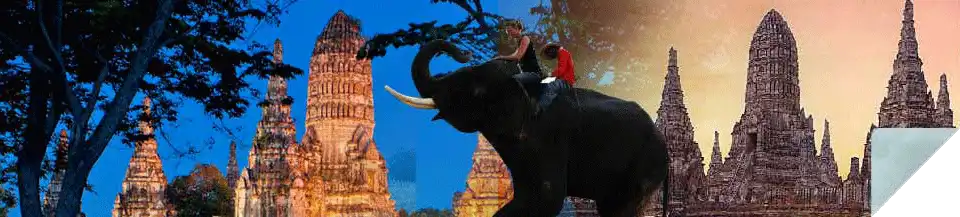
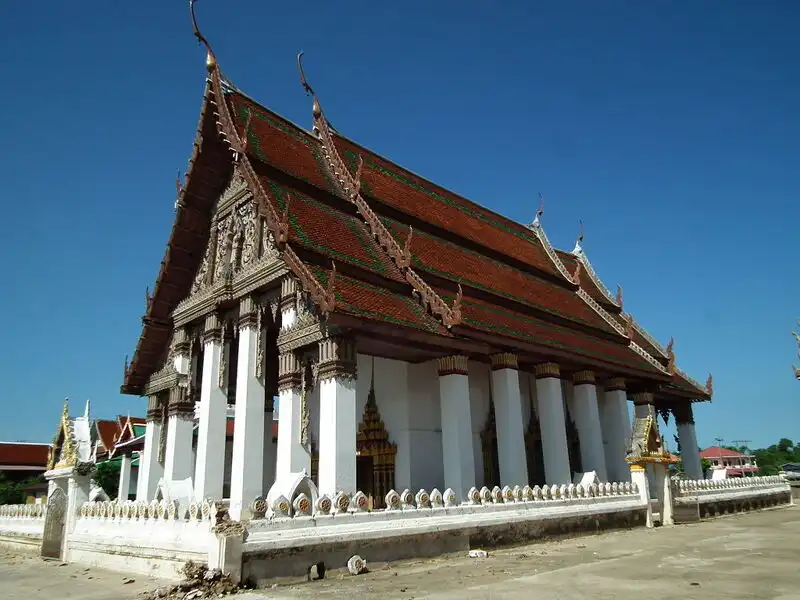
Wat Chulamani
Open Days: Daily
Opening Hours: 07:00 – 17:00
Wat Chulamani in Ban Kum Subdistrict, Bang Ban District, Phra Nakhon Si Ayutthaya Province, is a community Buddhist temple under the Mahanikaya order, set along the Chao Phraya River near Ban Kum Village (Moo 7). The surrounding landscape is a low-lying riverside plain, part of the historic Chao Phraya basin that has shaped central Thailand for generations. Temples in this zone have long served more than ceremonial purposes; they function as community anchors where people meet, support one another, and find emotional stability—especially when a riverside way of life faces both abundance and the uncertainties of seasonal water cycles. A key charm of visiting Wat Chulamani is seeing Ayutthaya as a living place, through a riverside temple that still belongs to everyday community life, where faith, water, and local tradition remain closely intertwined.
The temple grounds cover approximately 15 rai, 2 ngan, and 94 square wah. The size and layout allow the main structures to sit in a balanced and practical arrangement, including the ordination hall (ubosot), a chanting hall, and monastic residences (kuti) built from wood—an architectural pattern strongly associated with riverside community temples in Thailand’s central region. The presence of wooden buildings creates a warm, understated atmosphere that feels more intimate than large, high-traffic tourist temples. Many visitors find this setting ideal for a calm, unhurried merit-making stop in a single day, without needing a long itinerary, yet still leaving with a sense of ease and quiet fulfillment.
According to the available historical record, Wat Chulamani was established in the late Ayutthaya period, around 2293 BE, and later received Wisungkhamsima (royal consecration of the boundary for the ordination hall) around 2304 BE. This timeframe marks an important turning point in Ayutthaya society. In the late Ayutthaya era, riverside communities throughout the Chao Phraya plain expanded, and temples became essential spiritual centers that helped stabilize daily life. Many temples in today’s Bang Ban area reflect that same network of water-based settlements bound together by shared belief and agricultural rhythms. Seen through this historical lens, Wat Chulamani is not only a religious structure but also a trace of settlement history—evidence that Ban Kum once held a stable, continuous community strong enough to create a temple as a spiritual and social heart for the people nearby.
Inside the ubosot, the principal Buddha image and the surrounding ensemble provide a clear window into the devotional and artistic character of a community temple. The principal image is a stucco Buddha finished with lacquer and gold leaf, with a lap width of about 1.46 meters and a height of about 2.06 meters. The ubosot also features two Buddha images in the “Stopping the Quarrel” posture (Ham Yat), two Buddha images in the “Contemplation” posture (Thawai Net), four Buddha disciples, and a replica Buddha footprint enshrined in a mondop. Together, these elements create more than a single focal point of worship; they form a devotional set that connects to Buddhist narratives and to Thai religious thought in a tangible way. The “Stopping the Quarrel” posture is often associated with calming conflict and restoring harmony, so worshippers commonly dedicate their prayers to family peace, unity at home, and easing interpersonal tension. The “Contemplation” posture suggests mindful awareness and reflective insight—an invitation to look inward and re-commit to a principled path—making a visit here feel deeper than a quick merit-making stop and more like a quiet moment of resetting the mind.
One of the distinctive pleasures of riverside community temples like Wat Chulamani is their unhurried pace. Visitors do not need to follow a fixed sightseeing route. Many begin by paying respect to the principal Buddha image in the ubosot, then stroll calmly through the grounds, and finally visit the replica Buddha footprint in the mondop to complete the devotional sequence. Modest attire is always important, especially in the ubosot area, which is regarded as a sacred space in Thai temple etiquette. Visitors are encouraged to avoid overly short or tight clothing, speak softly, and keep their behavior respectful so as not to disturb devotees or the monks during daily monastic duties.
When viewed in the context of Ban Kum’s location along the Chao Phraya River, Wat Chulamani’s connection to the water becomes especially clear. The river was once the primary transportation route, a source of food, and a core element of the region’s cultural landscape. Even today, while road travel has become the norm, the riverside identity remains visible in local livelihoods, orchards and fields, and the community rhythm that still aligns with seasonal water patterns. In certain periods—particularly during the rainy season—some parts of Bang Ban District can experience prolonged high water or flooding. As a result, riverside communities often develop a strong culture of mutual support, and temples frequently serve as key communal spaces in multiple dimensions, from merit-making events and community gatherings to moments of collective resilience when assistance is needed. Understanding this relationship helps visitors appreciate the temple as a genuine community heart, not merely a check-in spot.
From the perspective of function and design, the main structures mentioned—ubosot, chanting hall, and wooden monastic residences—communicate the character of a community temple very effectively. The ubosot is the center for major Buddhist rites and monastic ceremonies. The chanting hall supports daily prayers, Dhamma listening, and quieter religious activities that require a calm environment. The wooden kuti reflect a simple monastic life closely tied to community relationships. For many Ayutthaya-area temples, wood construction is not only a sign of age; it is also a practical and locally rooted choice suited to riverside weather and the region’s familiar building materials. Walking through these spaces can feel like reading the community’s story through architecture that is still in real use.
In terms of Thai religious traditions and ritual life, Wat Chulamani observes activities aligned with the Buddhist calendar, such as Makha Bucha Day, Visakha Bucha Day, Asalha Bucha Day, and the periods of entering and leaving the rains retreat (Khao Phansa and Ok Phansa). These times typically bring a livelier atmosphere because local residents visit the temple more frequently to make merit. Another widely recognized tradition associated with community temples is the annual Kathin ceremony after the rains retreat, when people gather to support temple maintenance and Buddhist activities. What makes Kathin at a community temple particularly meaningful is its warmth and neighborly spirit. Visitors who happen to arrive during a merit-making event may witness local cooperation in preparing the venue, cooking, welcoming guests, and keeping the area orderly. In that sense, the ceremony is not only a ritual but also a living space where community relationships are renewed and “unity” becomes something visible and real.
Getting There Wat Chulamani is most convenient to reach by private car or a local hired vehicle, as it is located in Ban Kum Subdistrict, Bang Ban District—an area of riverside communities and agricultural landscapes. From central Ayutthaya, you can take the main roads toward Bang Ban District and then turn onto local routes leading to Ban Kum. As you approach the village zone, drive carefully because some roads are narrow, with intersections and frequent motorcycle traffic. If you are unfamiliar with the route, using a navigation app and searching for “Wat Chulamani, Ban Kum, Bang Ban” can help guide you via the most suitable roads. Parking is generally available in areas designated by the temple or on the temple grounds, and visitors should park neatly without blocking local access or emergency pathways.
The best time to visit Wat Chulamani is in the morning to late morning, when temperatures are cooler and the atmosphere is especially calm—ideal for a respectful, unhurried temple visit. If you plan to pay respects and walk through the grounds at an easy pace, allowing around 30 to 60 minutes is usually sufficient. If you want to experience more of Ban Kum’s local life, you can extend the trip by visiting nearby community eateries or small local shops after your temple visit. This creates a well-balanced day that blends faith, riverside atmosphere, and the everyday texture of a real Chao Phraya basin community.
Another reason Wat Chulamani works well for cultural travel is its role as a place where Ban Kum’s community story can be felt. Ban Kum’s identity is closely tied to the Chao Phraya River and the wider water-based landscape of central Thailand. Seen this way, the temple becomes like a community notebook, recording belief, memory, merit-making, and the culture of living together. On days when the community gathers for temple activities, visitors may notice small but meaningful details—people cooking together, cleaning the space, and welcoming one another like extended family. These lived moments are what make a community temple visit feel distinct from touring large historic monuments in Ayutthaya’s central heritage zones.
For those who wish to make merit in a simple way, offering alms or donating according to one’s means is always appropriate. If you visit after the rains retreat, the local Kathin season can be another meaningful time, when many people participate in collective merit-making. During such events, it is especially important to observe Thai temple etiquette: dress modestly, keep noise low, avoid using flash photography during ritual moments, and refrain from photographing individuals up close without permission. These practices help preserve the dignity of the religious space and respect the community nature of the event.
As a travel destination, Wat Chulamani is well suited for visitors who enjoy a “riverside Ayutthaya” route and want to see communities that still follow their own natural rhythm, rather than places shaped solely for tourism. The temple’s quiet atmosphere makes it a restorative stop on an Ayutthaya day trip, especially for travelers who wish to step outside the most crowded routes and experience a more natural, local side of the province. Combined with food options and community spaces in Ban Kum Subdistrict, a visit here can become a gentle, satisfying trip—bringing together merit-making, riverside calm, and an authentic glimpse of everyday life along the Chao Phraya.
| Place Name | Wat Chulamani |
| Address | No. 34, Moo 7, Ban Kum, Ban Kum Subdistrict, Bang Ban District, Phra Nakhon Si Ayutthaya 13250 |
| Place Summary | A riverside community temple in Ban Kum Subdistrict with a calm atmosphere, ideal for merit-making and experiencing a living Chao Phraya riverside way of life. |
| Highlights | Late-Ayutthaya-era principal Buddha image, multiple Buddha postures (Ham Yat and Thawai Net), replica Buddha footprint in a mondop, and a scenic Chao Phraya riverside setting. |
| Era / Timeline | Established around 2293 BE (late Ayutthaya period); received Wisungkhamsima around 2304 BE. |
| Key Evidence | Local temple records and publicly shared information about the temple’s history and merit-making activities. |
| Getting There | Best by private car or local hired vehicle. Use a navigation app and search for “Wat Chulamani, Ban Kum, Bang Ban” and drive carefully on narrow village roads. |
| Current Status | Open for worship and merit-making. |
| Abbot / Current Steward | Phra Khru Panya Chularak (publicly referenced) |
| Traditions / Rituals | Kathin merit-making season after the rains retreat, plus observances on major Buddhist holy days. |
| Facilities | Ubosot, chanting hall, wooden monk residences, and open areas used for community activities (availability may vary by upkeep and season). |
| Nearby Attractions (Approx. Distance) | 1) Ban Kum Riverside Community Area – approx. 1 km 2) Bang Ban Market and Community Zone – approx. 10 km 3) Bang Ban Riverside Temple Route – approx. 5 km 4) Ayutthaya Historical Island (Main Heritage Zone) – approx. 25 km 5) Local Community Learning Spots in Ban Kum Area – approx. 3 km |
| Popular Restaurants Nearby (Approx. Distance + Phone) | 1) Haha Honey (Ban Kum Subdistrict) – approx. 3 km – 097-209-8039 2) Mae Thongdee Cooked-to-Order (Ban Kum) – approx. 2 km – 094-998-2460 3) Chada Thai (Community Food / Products, Ban Kum) – approx. 6 km – 090-615-5244 4) Community food stalls near the local market zone by the temple – approx. 1 km 5) Noodle and local eateries around the Wat Chulamani area (Ban Kum) – approx. 2 km |
| Popular Accommodations Nearby (Approx. Distance + Phone) | 1) Heuan Suntharee Resort (Bang Ban District) – approx. 14 km – 081-994-3169 2) Accommodations around Bang Ban town area – approx. 10 km 3) Accommodations in Ayutthaya Historical Island area – approx. 25 km |
Frequently Asked Questions (FAQ)
Q: Where is Wat Chulamani located?
A: Wat Chulamani is located at No. 34, Moo 7, Ban Kum Village, Ban Kum Subdistrict, Bang Ban District, Phra Nakhon Si Ayutthaya Province, along the Chao Phraya River.
Q: When was Wat Chulamani built?
A: It is recorded as being established in the late Ayutthaya period around 2293 BE, and it received Wisungkhamsima around 2304 BE.
Q: What are the highlights of Wat Chulamani?
A: Highlights include the gold-lacquered principal Buddha image, multiple Buddha postures (Ham Yat and Thawai Net), the replica Buddha footprint enshrined in a mondop, and the calm riverside setting.
Q: Does Wat Chulamani have any notable traditions?
A: The temple participates in Buddhist-calendar observances and is associated with Kathin merit-making season after the rains retreat, which is a key annual tradition for many Thai community temples.
Q: What is the most convenient way to get to Wat Chulamani?
A: A private car or a local hired vehicle is most convenient. Use a navigation app and search for “Wat Chulamani, Ban Kum, Bang Ban” and drive carefully on narrow village roads.
Q: Are there places to eat near Wat Chulamani?
A: Yes. Ban Kum Subdistrict has local eateries and community food options, such as Haha Honey and cooked-to-order shops in the village area, plus small stalls near local market zones close to the temple.
 Category: ●Places of Worship
 Group: ●Temple
Last Update : 4 MonthAgo
 Last Update : 4 MonthAgo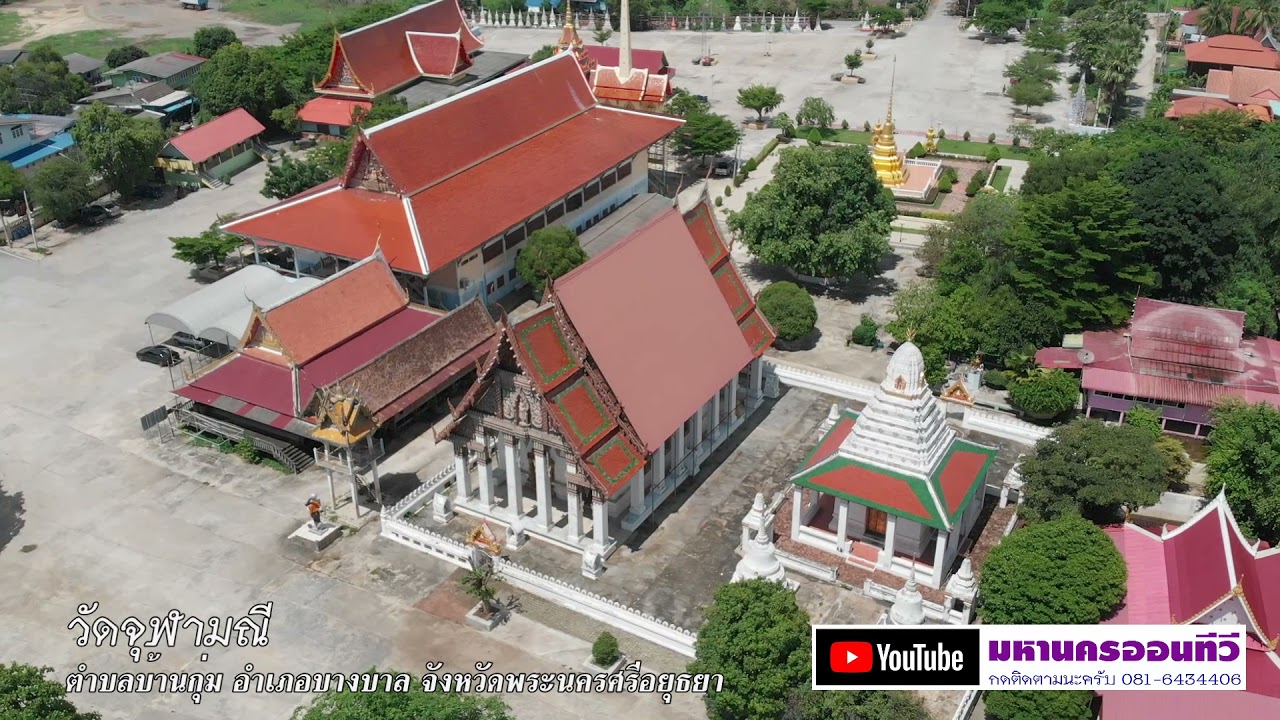
 Click to Access the Navigation Map GPS
Wat Chulamani Map
Recommend
 Art, Culture and Heritage
 Historical Sites and Monuments(7)
 Landmarks and Memorials(6)
 Royal Palace(4)
 Art, Craft Centres, Tradition(6)
 Museums(9)
 Educational Places
 Museum for Study(1)
 Educational Gardens, Farm(2)
 Training Center(1)
Temple(133)
Training Center(1)
Temple(133)
 Church(2)
 Mosque(2)
 Other religious and spiritural sites(15)
 Research and Development
 Royal Project(4)
 Suburban Living
 Village, Community(10)
 Local Market(7)
 Floating Market(3)
 Nature and Wildlife
 Dam, Reservoir, Lake(1)
 River, Canal(3)
 Islands(2)
 Other natural attractions(1)
 Entertainment and Agricultural
 Animal camps and shows(2)
 Farm, Parks, Gardens and Ecotourism(4)
 Travel Articles, Recipes
 Travel Review, Food Review(2)


