
lovethailand home >Central Travel Attractions
>Phranakhon Si Ayutthaya Travel Attractions >Bang Ban
>Sai Noi
> Wat Prasat Thong
TL;DR: Wat Prasat Thong is located at Sai Noi Subdistrict, Bang Ban District, Phra Nakhon Si Ayutthaya (Along Khlong Bang Ban), open Daily, hours Generally 06.00 – 18.00.
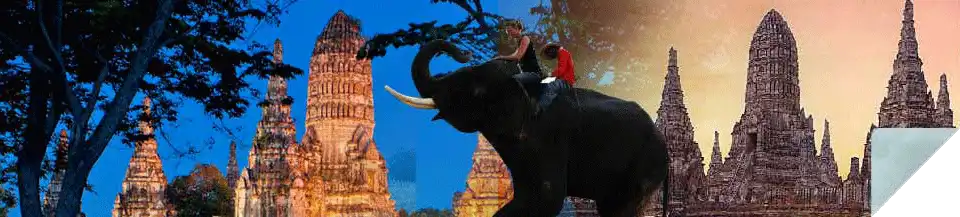
Wat Prasat Thong
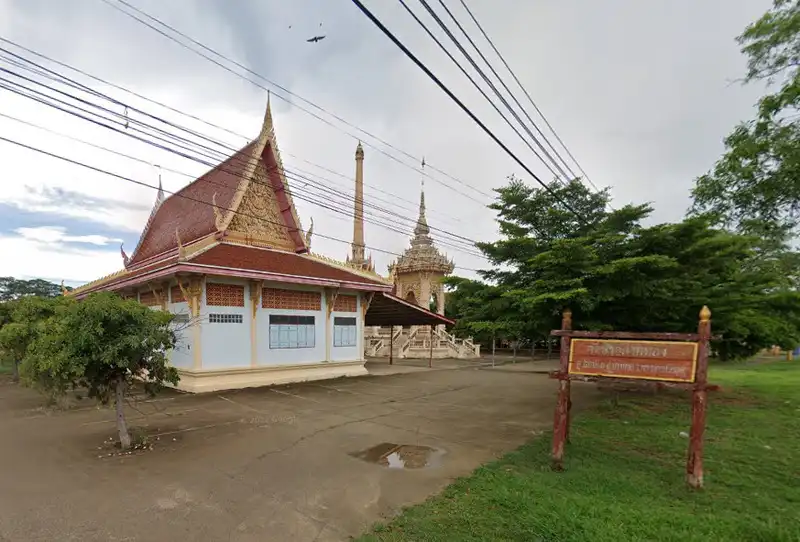
Open Days: Daily
Opening Hours: Generally 06.00 – 18.00
Wat Prasat Thong is a community temple under the Mahanikai order, located along Khlong Bang Ban in Sai Noi Subdistrict, Bang Ban District, Phra Nakhon Si Ayutthaya. What makes this place special is the feel of a living riverside temple that still belongs to the local community—people regularly stop by to make merit, pay respects, and find a sense of calm. For visitors, it offers a different side of Ayutthaya: less crowded than the island-city landmarks, yet rich with local atmosphere and stories that flow alongside the water in front of the temple.
Wat Prasat Thong is often mentioned together with a “sacred Buddha image” enshrined within the temple. Many passersby come to pay respect, and there is a widely held belief that making a vow or wish here often brings success. This kind of faith reflects Thai culture, where temples are not only places for religious rites but also emotional anchors for people—especially in waterside communities whose lives were historically tied to travel, trade, and boat routes. If you come to make a wish, it is best to do so respectfully and with moderation, and if your wish is fulfilled, many people choose to return to offer alms, donations, or a merit-making act according to their means as a gesture of gratitude and goodwill.
Another defining landmark of the temple is a Sri Lankan-style stupa (chedi) that stands prominently by the water. Tall and clearly visible as you approach, this stupa form appears across many periods of Thai temple architecture and is often associated with beliefs connected to relic veneration and the continuity of Buddhism. For visitors who enjoy observing details, viewing the stupa against the canal line and the waterside scenery highlights the strong relationship between sacred architecture and the lived landscape of the community. It also helps explain why the temple gained multiple nicknames in the past—names that arose from the very images people actually saw when traveling along the water.
In terms of historical background, sources on local temple history state that Wat Prasat Thong was established around 2200 B.E. Later, it reportedly fell into abandonment, leaving traces such as a large stupa base, before being restored around 2452 B.E. This narrative adds a distinct sense of “time” to a visit, because the temple’s story is not a simple straight line. It has passed through periods of growth, decline, abandonment, and revival again through the faith and support of the community. Walking through the grounds, you may feel that quiet presence of an older temple that has been carefully carried forward into the present.
One especially charming aspect is that Wat Prasat Thong has had many names in local memory, depending on where people lived and how they approached it. Villagers to the south called it “Wat Nuea” (the northern temple), while villagers to the north called it “Wat Tai” (the southern temple). People living around the temple referred to it as “Wat Klang” (the middle temple). Boat travelers called it “Wat Chedi Hak” (the broken-stupa temple). During the period when it was abandoned, a caretaker named Ta Bun was said to have watched over the site, leading to the name “Wat Ta Bun.” These layered names are a distinctly Thai-community kind of heritage, because they come not only from official titles but from real use and real perspectives, suggesting how important this temple once was as a landmark for daily life and water travel in the area.
Historically, the area around the temple was associated with the Chao Phraya River, but over time the waterway shifted and became what is now known as Khlong Bang Ban. Administrative boundaries were later adjusted, and the temple is now located in Sai Noi Subdistrict, Moo 3. This story of “water changing its course” is more than a geographic detail. It reflects the dynamic nature of Central Thailand’s river-basin communities, where natural water movement shaped settlement patterns, transportation, and local livelihoods. Visiting Wat Prasat Thong can feel like stepping into one chapter of life along the Chao Phraya—a version where the waterway once was a major river route, and today remains a canal that still nourishes the surrounding community.
Regarding its formal monastic status, Wat Prasat Thong received a renewed boundary for its ubosot (wisungkhamsima) on 10 November 2515 B.E., with the designated area measuring 18 meters wide and 30 meters long. For readers interested in temple establishment and ecclesiastical regulation, this detail matters because an officially granted boundary indicates recognition of the space for key monastic rites and serves as another piece of evidence that, after restoration, the temple returned to stable religious function within the community.
Another source mentions a historical association between the name “Prasat Thong” and a significant figure, stating that the temple was built by a Chao Phraya Kalahom who later became King Prasat Thong. This point appears in local historical storytelling and community memory. If you are researching the history in depth, it is best to consult multiple sources and consider the context of each one before presenting it as a definitive fact.
If you visit on major Buddhist holy days, you may see the temple’s community role more clearly. Common activities at community temples include candlelit circumambulation ceremonies on Makha Bucha Day, Visakha Bucha Day, and Asalha Bucha Day, as well as annual Kathina and Pha Pa merit-making events. Waterside temples like this often feel especially warm and intimate because people know one another and maintain long-standing ties to the temple across generations. If you hope to visit during a specific event, it is recommended to check the temple’s announcements or ask for the latest schedule in advance, so you can plan appropriately and respect the temple as an active place of worship.
Getting There Wat Prasat Thong can be reached by driving from Ayutthaya city toward Bang Ban District, then continuing into Sai Noi Subdistrict along local roads to the temple by Khlong Bang Ban. Traveling by private car is the most convenient option, as it allows you to connect this visit with nearby destinations in the Bang Sai–Bang Pa-in area within the same day, and to stop at waterside restaurants that are a well-known highlight of Ayutthaya beyond the island-city zone. Upon arrival, dress respectfully, keep your voice low, and take extra care near the waterside paths—especially if you are visiting with children or elderly family members.
A well-balanced day trip to Wat Prasat Thong often begins with paying respects and making merit, then taking time to absorb the riverside atmosphere and observe the Sri Lankan-style stupa up close. After that, you can continue on to nearby arts-and-crafts or royal-era attractions, and end the day with a classic Ayutthaya waterside meal. This pacing lets you experience faith, local storytelling, architecture, and the Central Thai river-basin way of life in a natural, unhurried flow.
| Name | Wat Prasat Thong |
| Address | Sai Noi Subdistrict, Bang Ban District, Phra Nakhon Si Ayutthaya (Along Khlong Bang Ban) |
| Place Summary | A community temple along Khlong Bang Ban, known for local faith in its sacred Buddha image and a Sri Lankan-style stupa by the water, with multiple traditional nicknames that reflect Ayutthaya’s river-basin way of life. |
| Highlights | Sacred Buddha image associated with local vows and worship, Sri Lankan-style stupa by the water, peaceful waterside temple atmosphere, rich community storytelling through multiple historic name references. |
| Affiliation | Mahanikai Order |
| Brief History | Established around 2200 B.E.; later reportedly abandoned and restored around 2452 B.E. |
| Key Stupa | Sri Lankan-Style Stupa (Chedi), tall and set by the water |
| Traditional Local Names | Wat Nuea, Wat Tai, Wat Klang, Wat Chedi Hak, Wat Ta Bun (historical community-based nicknames) |
| Ubosot Boundary (Wisungkhamsima) | Granted on 10 November 2515 B.E. (18 m wide, 30 m long) |
| Abbot (Most Recently Found Published Info) | Phra Khru Sutthisan Thammphichit |
| Key Traditions / Activities | Candlelit circumambulation on Makha Bucha, Visakha Bucha, and Asalha Bucha (per the temple’s schedule), annual Kathina / Pha Pa merit events (check temple announcements). |
| Facilities | Merit-making and worship areas within the temple, waterside viewing spots (subject to on-site management). |
| Fees | No admission fee (donations welcomed). |
| Contact Number | – |
| Nearby Attractions (Approx. Distance) | 1) Bang Pa-In Royal Palace – 30 km Tel. 035-261-548 2) Wat Niwet Thammaprawat Ratchaworawihan – 32 km Tel. 035-262-172 3) Museum of Land Arts – 25 km Tel. 035-367-003 4) Bang Sai Arts and Crafts Centre – 24 km Tel. 035-366-039 5) Ayutthaya Historical Park – 35 km Tel. 035-245-123 |
| Popular Restaurants Nearby (Approx. Distance) | 1) SuriyanChandra at Ayutthaya – 28 km Tel. 062-852-8883 2) Ban Mai Rim Nam Ayutthaya – 35 km Tel. 035-242-248 3) Krua Manao (Ayutthaya) – 33 km Tel. 081-141-5118 4) Sai Thong River Restaurant – 30 km Tel. 087-121-3936 5) Sikuk Restaurant – 22 km Tel. 081-851-9953 |
| Popular Accommodations Nearby (Approx. Distance) | 1) sala bang pa-in – 30 km Tel. 035-246-388 2) Centara Ayutthaya – 40 km Tel. 035-243-555 3) Classic Kameo Ayutthaya – 42 km Tel. 035-212-535 4) The Cavalli Casa Resort – 38 km Tel. 035-252-888 5) Huan Sontree Resort – 34 km Tel. 081-994-3169 |
| Current Status | Open for merit-making and cultural visits |
Frequently Asked Questions (FAQ)
Q: Where is Wat Prasat Thong located in Ayutthaya?
A: Wat Prasat Thong is in Sai Noi Subdistrict, Bang Ban District, Phra Nakhon Si Ayutthaya, along Khlong Bang Ban—ideal for exploring Ayutthaya beyond the island-city zone.
Q: What are the highlights of Wat Prasat Thong?
A: The temple is known for a sacred Buddha image associated with local worship and vows, a tall Sri Lankan-style stupa by the water, and community stories reflected in the temple’s many traditional nicknames.
Q: What is the historical background of Wat Prasat Thong?
A: Historical sources state it was established around 2200 B.E., later became abandoned for a period, and was restored around 2452 B.E. before returning to an active community role.
Q: Is there an admission fee to visit Wat Prasat Thong?
A: Generally, there is no admission fee. Visitors may donate according to their wishes and should dress respectfully in keeping with temple etiquette.
Q: How can I check schedules for ceremonies or traditions before visiting?
A: Community temples often hold events on major Buddhist holy days and annual merit ceremonies. It’s best to check the temple’s announcements or contact the temple directly for the latest schedule before you go.
 Category: ●Places of Worship
 Group: ●Temple
Last Update : 4 MonthAgo
 Last Update : 4 MonthAgo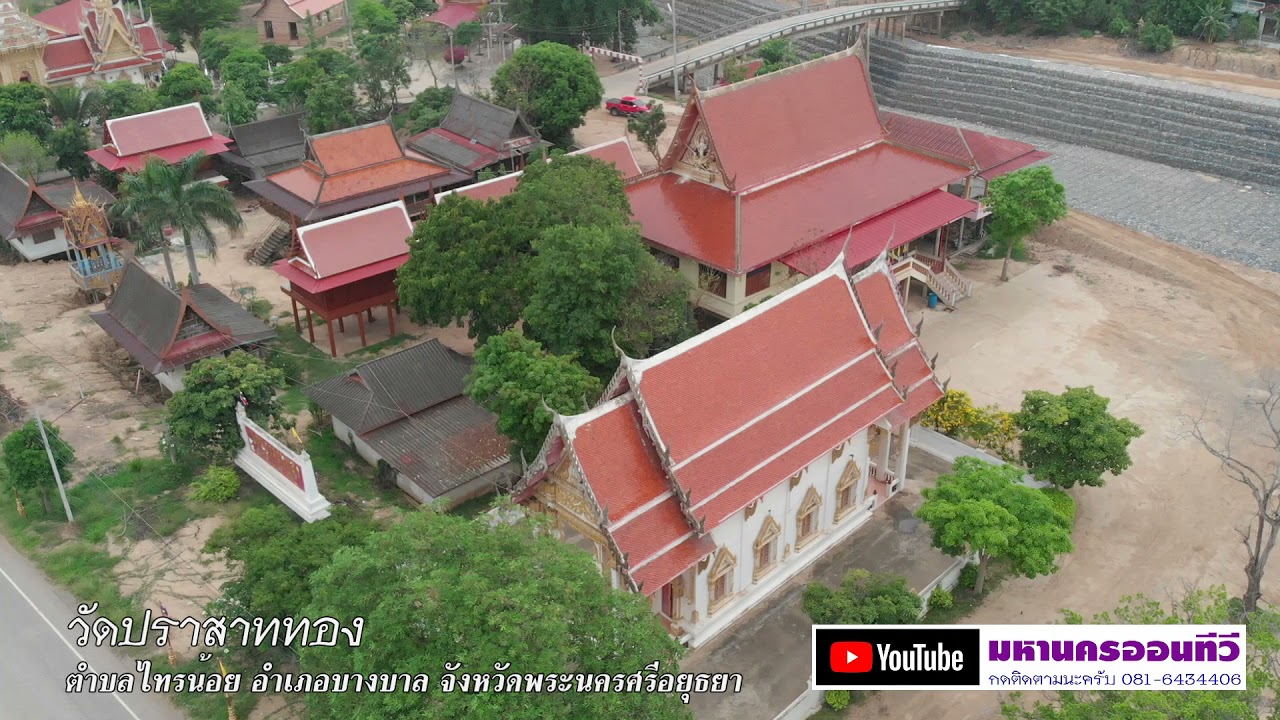
 Click to Access the Navigation Map GPS
Wat Prasat Thong Map
Recommend
 Art, Culture and Heritage
 Historical Sites and Monuments(7)
 Landmarks and Memorials(6)
 Royal Palace(4)
 Art, Craft Centres, Tradition(6)
 Museums(9)
 Educational Places
 Museum for Study(1)
 Educational Gardens, Farm(2)
 Training Center(1)
 University Temple(133)
 Church(2)
 Mosque(2)
 Other religious and spiritural sites(15)
 Research and Development
 Royal Project(4)
 Suburban Living
 Village, Community(10)
 Local Market(7)
 Floating Market(3)
 Nature and Wildlife
 Dam, Reservoir, Lake(1)
 River, Canal(3)
 Islands(2)
 Other natural attractions(1)
 Entertainment and Agricultural
 Animal camps and shows(2)
 Farm, Parks, Gardens and Ecotourism(4)
 Travel Articles, Recipes
 Travel Review, Food Review(2)


