
lovethailand home >Central Travel Attractions >Phranakhon Si Ayutthaya Travel Attractions >Phranakhon Si Ayutthaya >Sam Phao Lom > Wat Nang Kui Ancient Site
TL;DR: Wat Nang Kui Ancient Site is located at No. 30, Moo 5, Samphao Lom Subdistrict, Phra Nakhon Si Ayutthaya District, Phra Nakhon Si Ayutthaya Province, open Daily, hours 07:00 – 18:00.
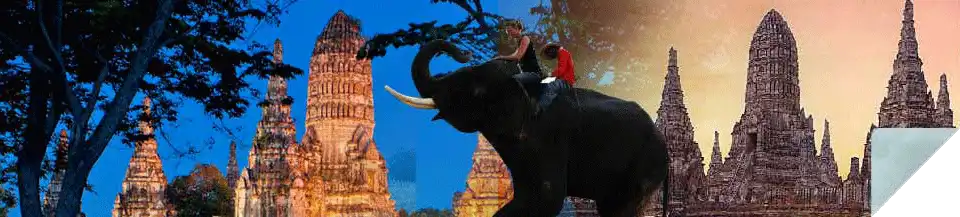
Wat Nang Kui Ancient Site
Open Days: Daily
Opening Hours: 07:00 – 18:00
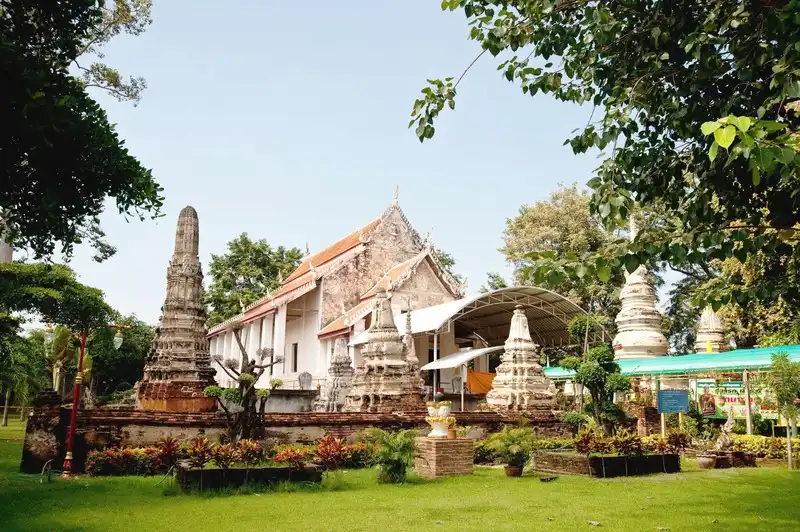
Wat Nang Kui Ancient Site in Phra Nakhon Si Ayutthaya is one of those southern, off-island temples that quietly wins you over if you like calm places with “stories” more than crowds. Set on the west bank of the Chao Phraya River, the atmosphere blends the stillness of the water with the weathered texture of old brick and plaster, giving you a softer, less hectic side of Ayutthaya compared to the city’s headline temples.
Local accounts say the temple was founded by a wealthy woman named “Nang Kui,” who built it as a religious center for the community. In the broader Ayutthaya landscape, riverside temples like this often functioned not only as places of worship, but also as anchors of daily life along the river—where people traveled, traded, made merit, and shared news by water. Being right on the river’s edge, the temple is more than a set of buildings; it reflects a lived riverscape from an earlier era.
Wat Nang Kui is commonly described in local sources as being over 400 years old. It is said to have once been prosperous, before falling into disrepair after the Second Fall of Ayutthaya. Later, restoration work during the Rattanakosin period—especially under King Rama III, when multiple Ayutthaya temples were repaired—helped return Wat Nang Kui to a condition where its historical layers can be read more clearly. The site was also registered as an ancient monument, reinforcing its heritage status and long-term protection.
What makes Wat Nang Kui worth a stop for art and architecture lovers is the detailing associated with its ordination hall. Accounts mention a pediment featuring “Narai (Vishnu) riding Garuda,” paired boundary stones, and structural elements such as a chedi and a prang that place the temple in that in-between space: still a living temple, yet also an ancient site. As you walk, you can often sense the contrast between original fabric and later repairs—a reminder that Ayutthaya did not end with its fall, and that later generations worked to keep the story going.
Inside the ordination hall, visitors often ask about two significant sacred images described in local information. The first is a stone Buddha said to be from the Dvaravati period, seated in meditation. If you’re interested in Thailand’s artistic timelines, this detail adds weight because Dvaravati predates Ayutthaya and carries its own distinctive character. The second, well-known by name, is “Luang Pho Yim,” a Maravijaya (subduing Mara) Buddha carved from teak, lacquered and gilded—an old, revered image long associated with the temple.
The story that makes “Luang Pho Yim” feel especially close to local people is an old oral account saying the image floated down the Chao Phraya River and became lodged near the temple, after which the abbot enshrined it here. This kind of riverside narrative appears in many Central Thailand temples, where the river is both a route and a sacred presence in shared imagination. In travel writing, it’s best treated respectfully as local belief and place-story—something that creates attachment—rather than as a claim that needs proving.
Another stop that locals and spiritual visitors often make is the “Mae Takhian Thong Shrine,” associated with a large takhian tree said to have been part of the temple for centuries. It is commonly said the tree died around 1997, and the temple later carved a Mae Takhian figure from it and placed it at the original stump so visitors could pay respects. If you visit this spot, simple etiquette goes a long way: keep your voice low, avoid touching offerings or objects unnecessarily, and follow whatever guidance the temple has arranged so the area remains orderly and the ancient-site atmosphere stays intact.
To visit Wat Nang Kui at a comfortable pace, set aside about 30–60 minutes to see the main features, pay respects to Luang Pho Yim, look closely at the ordination hall details, and stop by the Mae Takhian shrine without rushing. Morning or late afternoon tends to feel best, with softer light and a more comfortable riverside breeze—especially on clear days, when you really get that “quiet Ayutthaya” mood.
Getting There Wat Nang Kui is in Samphao Lom Subdistrict, south of the off-island area, along the west bank of the Chao Phraya River. If you’re driving, a practical starting point is Wat Phanan Choeng Worawihan or nearby places in Samphao Lom, then follow riverside roads toward the temple; it pairs easily with a riverside-temple itinerary. Without a car, many visitors travel first to the Chao Phrom Market area or Ayutthaya Railway Station and then hire a local taxi/tuk-tuk, ideally booking a round trip in advance to keep the return leg smooth, as pickups can be less predictable than at the main island temples.
Wat Nang Kui’s charm is its balance. It doesn’t need grand spectacle to impress; instead, it uses quietness, age, and local stories carried through its Buddha images, its ordination hall, and the Mae Takhian shrine to invite you to slow down and simply be with the place. If you’re trying to escape the busier “must-see” circuit for a moment, this is a gentle detour that can leave you with a softer version of Ayutthaya to take home.
| Place Name | Wat Nang Kui Ancient Site / Wat Nang Kui |
| Place Summary | A quiet temple and heritage site south of Ayutthaya’s main island, on the west bank of the Chao Phraya River, known for its ordination hall, the revered “Luang Pho Yim,” and the Mae Takhian Thong shrine. |
| Highlights | Ordination hall pediment featuring “Narai riding Garuda,” Dvaravati-period stone Buddha (meditation posture), “Luang Pho Yim” (teak, lacquered and gilded), Mae Takhian Thong shrine, and a peaceful riverside setting. |
| Address | No. 30, Moo 5, Samphao Lom Subdistrict, Phra Nakhon Si Ayutthaya District, Phra Nakhon Si Ayutthaya Province |
| Open Days | Daily |
| Opening Hours | 07:00 – 18:00 |
| Current Abbot / Supervisor | Phra Palat Somchai Dhammaroto (Abbot) |
| Travel | By Car: Start from the Wat Phanan Choeng / Samphao Lom area and follow riverside routes | Public Transport: Reach Chao Phrom Market or Ayutthaya Railway Station, then hire a local tuk-tuk/taxi (a round trip is recommended for an easier return) |
| Current Status | Open for visits and worship; local public sources provide place details. |
| Facilities | Temple worship areas, heritage-site viewing spots, riverside atmosphere (bring water/hat in strong sun). |
| Contact Number | 089-105-3441, 089-141-0509 |
| Nearby Tourist Attractions (Approx. Distance) | 1) Wat Phanan Choeng Worawihan (approx. 1 km) 2) Baan Hollanda (approx. 1 km) 3) Wat Yai Chai Mongkhon (approx. 2 km) 4) Wat Chaiwatthanaram (approx. 6 km) 5) Wat Phra Si Sanphet / Ancient Palace Area (approx. 7 km) |
| Popular Restaurants Nearby (Approx. Distance + Phone) | 1) De Riva Ayothaya (approx. 6 km) Tel. 083-006-8928 2) Baan Watcharacha (approx. 7 km) Tel. 035-801-333 3) Krua Phruek Thara (approx. 7 km) Tel. 083-243-8938 4) WAAN KRUNG • Waan Krung (approx. 8 km) Tel. 097-935-1498 5) Gu Cheng @ Krungsri River Hotel (approx. 8 km) Tel. 035-244-333 |
| Popular Accommodations Nearby (Approx. Distance + Phone) | 1) Baan Thai House Ayutthaya (approx. 4 km) Tel. 080-437-4555 2) Krungsri River Hotel (approx. 8 km) Tel. 035-244-333 3) Classic Kameo Hotel, Ayutthaya (approx. 9 km) Tel. 035-212-535 4) Centara Ayutthaya (approx. 10 km) Tel. 035-243-555 5) sala ayutthaya (approx. 12 km) Tel. 035-242-588 |
Frequently Asked Questions (FAQ)
Q: Is Wat Nang Kui open every day?
A: Generally, it is open daily, and visitors can stop by for worship during the listed hours.
Q: What is Wat Nang Kui best known for?
A: It is known for its ordination hall and key sacred images, especially “Luang Pho Yim,” as well as the Mae Takhian Thong shrine and its quiet riverside atmosphere.
Q: Which Buddha images inside the ordination hall should I look for?
A: Local information mentions a Dvaravati-period stone Buddha in meditation posture and “Luang Pho Yim” (Maravijaya), a long-revered image associated with the temple.
Q: What do people usually pray for at the Mae Takhian Thong shrine?
A: Believers commonly pray for kindness and goodwill, charm, work opportunities, and smoother life paths. It’s best to pay respects politely and follow the temple’s guidance on offerings.
Q: If I’m short on time, how long should I plan for a visit?
A: About 30–60 minutes is usually enough to pay respects, see the ordination hall, and visit the main points without rushing.
Q: What nearby places pair well with Wat Nang Kui?
A: You can continue to Wat Phanan Choeng Worawihan, Baan Hollanda, Wat Yai Chai Mongkhon, or Wat Chaiwatthanaram depending on your preferred route.
Mobile : 0891053441, 0891410509
 Mobile : 0891053441, 0891410509
 Category: ●Places of Worship
 Group: ●Temple
Last Update : 4 MonthAgo
 Last Update : 4 MonthAgo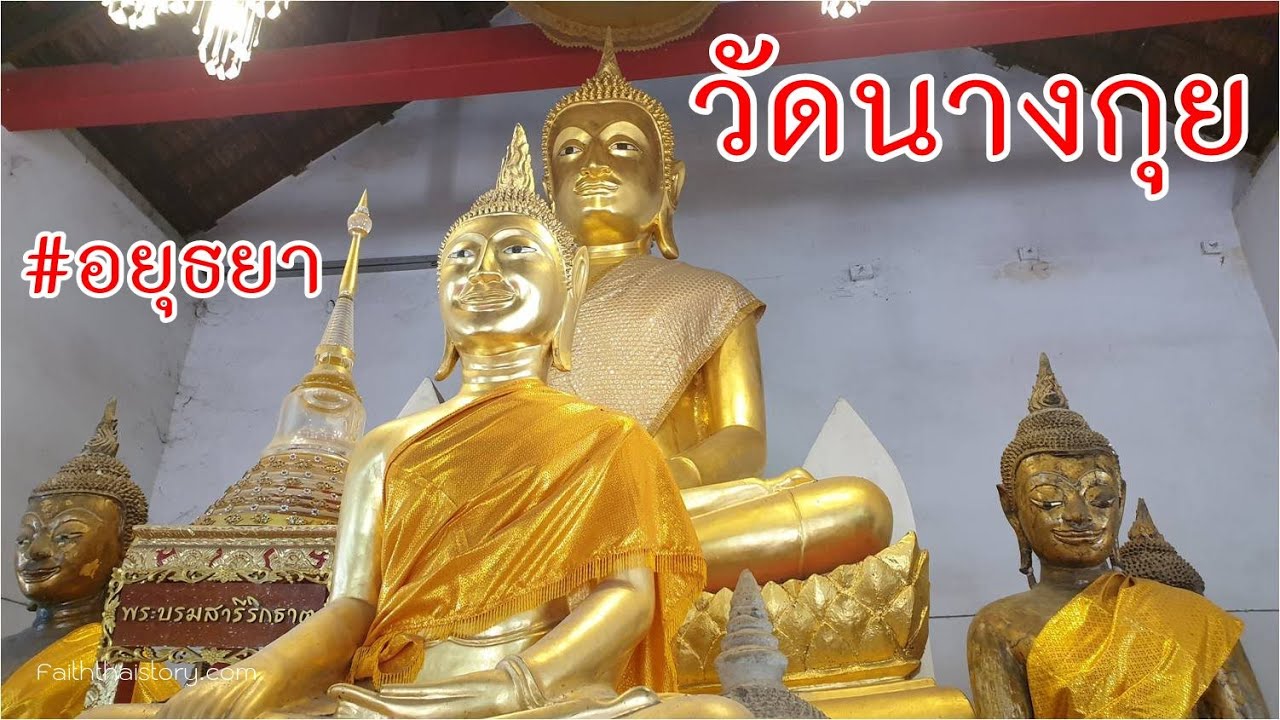
 Click to Access the Navigation Map GPS
Wat Nang Kui Ancient Site Map
Recommend
 Art, Culture and Heritage
 Historical Sites and Monuments(7)
 Landmarks and Memorials(6)
 Royal Palace(4)
 Art, Craft Centres, Tradition(6)
 Museums(9)
 Educational Places
 Museum for Study(1)
 Educational Gardens, Farm(2)
 Training Center(1)
Temple(133)
Training Center(1)
Temple(133)
 Church(2)
 Mosque(2)
 Other religious and spiritural sites(15)
 Research and Development
 Royal Project(4)
 Suburban Living
 Village, Community(10)
 Local Market(7)
 Floating Market(3)
 Nature and Wildlife
 Dam, Reservoir, Lake(1)
 River, Canal(3)
 Islands(2)
 Other natural attractions(1)
 Entertainment and Agricultural
 Animal camps and shows(2)
 Farm, Parks, Gardens and Ecotourism(4)
 Travel Articles, Recipes
 Travel Review, Food Review(2)


