
lovethailand home >Central Travel Attractions
>Ang Thong Travel Attractions >Muang Ang Thong
>Champa Lo
> Wat Champa Lo
TL;DR: Wat Champa Lo is located at Champa Lo Subdistrict, Mueang Ang Thong District, Ang Thong 14120, Thailand, open Daily, hours 06:00 – 18:00.
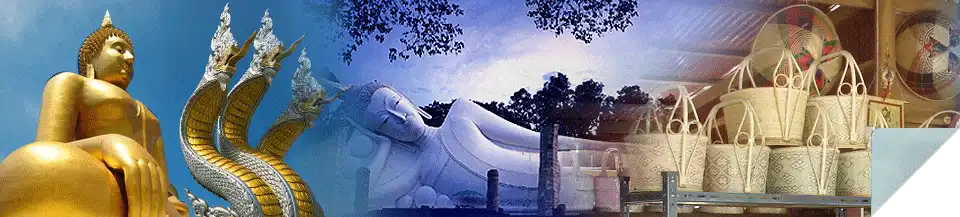
Wat Champa Lo
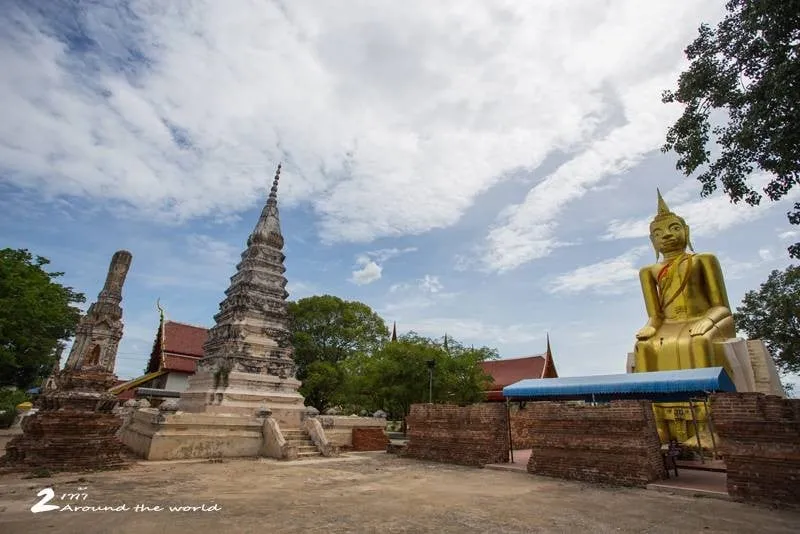
Open Days: Daily
Opening Hours: 06:00 – 18:00
Wat Champa Lo, Ang Thong is a long-established temple in Mueang Ang Thong District, well known among locals as a riverside temple on the Chao Phraya River with “Luang Pho To,” a large Pa Lelai Buddha image, as its most recognizable landmark. Many visitors come specifically to pay respects and seek blessings, while also experiencing the calm rhythm of a Central Thai community temple. It suits both merit-makers and travelers who want a cultural stop without rushing, because the temple grounds feel unhurried, easy to walk, and full of small details to pause and appreciate, with the riverside atmosphere making faith feel close to everyday life rather than purely ceremonial.
The charm of Wat Champa Lo lies in how closely it is connected to the Chao Phraya river basin. In the wider picture, Ang Thong is both an agricultural province and a “temple province” that has grown alongside the river. Many temples therefore function as spiritual anchors and community hubs. Wat Champa Lo reflects that clearly: visiting here offers not only quietness but also a natural sense of how local community life is structured, from simple merit-making practices and the use of temple space as a gathering point to the continued rhythm of religious activities in the subdistrict that still follows the Buddhist calendar.
Historically, Wat Champa Lo is recorded as having been established around 1849 (B.E. 2392) and receiving its consecrated boundary (wisungkhamasima) around 1853 (B.E. 2396). This places the temple in the early-to-mid Rattanakosin period and indicates a long-standing role in the area. The granting of wisungkhamasima marks the formal demarcation of the ubosot precinct under monastic discipline, enabling key sangha ceremonies to be performed properly. In many communities, this step also coincides with more systematic renovations and improvements to temple structures, reflecting the temple’s stable standing within the monastic administration and local society.
Architecturally, Wat Champa Lo also shows a pattern of continued development over time. There is recorded information noting a newer ubosot dated around 1972 (B.E. 2515), which is evidence that the site has been upgraded in step with changing needs. This is typical of a “working” community temple: it does not remain static as a historical relic but continues to support religious life throughout the year, including seasonal merit-making, weekly observances, ordinations, and ceremonies that local residents rely on the temple to host.
Still, what most people remember instantly upon arrival is Luang Pho To, the temple’s large Pa Lelai Buddha image. This posture is distinct from the more common seated meditation images, and it carries a symbolic association with calmness, steadiness of mind, and refuge in Dhamma amid worldly bustle. The relaxed yet grounded presence of the Buddha in this posture often makes the idea of “peacefulness” feel accessible rather than distant, which is one reason many people choose to visit a temple where Pa Lelai is a central focus of devotion.
Paying respects to Luang Pho To at Wat Champa Lo naturally invites a slower, more mindful pace. The space around the image encourages visitors to pause, breathe, and set intention rather than hurry through a checklist. When you allow yourself more time, the core meaning of a temple visit becomes clearer: it is not simply completing rituals, but returning the mind to the present. Community temples with a steady flow of daily visitors often highlight a simple truth: faith does not always need grandeur, but it does need a place where people can recalibrate and return to life with greater care and less heedlessness.
For culture-focused travelers, Wat Champa Lo is best enjoyed as a temple to stroll through rather than a single-point photo stop. Its appeal is not limited to one highlight but spread across the atmosphere of a riverside community temple, where sacredness feels gentle and natural. Walking slowly helps you notice how Central Thai temple space is organized for practical use. Worship areas, merit-making points, and communal activity zones are typically easy to access, making the temple welcoming to all ages, from elders who come as part of routine life to families who bring children to learn respectful temple etiquette.
Another reason the temple remains “alive” is its role in community religious life across the subdistrict. One example documented in local administrative activity is the annual candle procession for Buddhist Lent (the Khao Phansa candle offering), where candles are presented to multiple temples in Champa Lo Subdistrict, including Wat Champa Lo. Events like this are not only religious rituals but also community spaces where people meet, cooperate, and carry forward shared local memory in a tangible way.
If you want to plan a “temples and town” day in Ang Thong, Wat Champa Lo can be one of the main stops. Mueang Ang Thong District and nearby areas have several prominent temples with different identities. Starting at Wat Champa Lo gives you the mood of a riverside community temple and a devotion-centered calm, and then moving on to larger landmark temples or royal monasteries creates a more complete narrative for the day, helping you see a broader picture of Ang Thong’s Buddhist art and living faith within a single trip.
The most pleasant time to visit Wat Champa Lo is usually in the morning, when the air is softer, the light is gentle, and the grounds feel particularly quiet. Late afternoon can also be good for warm light and overall atmosphere photos. Regardless of the time, the essentials remain the same: dress modestly, keep voices low, and respect ritual areas, especially on days when there are ceremonies, chanting, or community events. This is not only a visitor site but an active religious space used by monks and local residents in everyday life.
Getting There For private transport, set your destination to Champa Lo Subdistrict in Mueang Ang Thong District and use routes through Ang Thong town that connect into the subdistrict area. For public transport, the most practical approach is to arrive in Ang Thong town first, then take a local hired vehicle, motorcycle taxi, or shared transport service to Champa Lo Subdistrict. Because the distance from the town center is generally not far, the trip is straightforward. It is worth planning enough time not only for arrival and photos, but also for a calm and unhurried visit to Luang Pho To so the experience feels complete.
If your goal is a meaningful temple visit, try a simple sequence: begin by paying respects to Luang Pho To, then walk through the ubosot area and other accessible sacred structures, and finally sit quietly in an appropriate space without disturbing others. This approach makes it easier to feel that the temple’s calm is not produced by silence alone, but by shared awareness and respectful behavior. That balance is at the heart of Thai temple culture and is what keeps places like Wat Champa Lo both welcoming and dignified over time.
Overall, Wat Champa Lo brings together the legacy of Ang Thong as a “temple province” with a form of devotion that feels approachable. Luang Pho To anchors local faith, while the temple’s ongoing community role keeps it genuinely alive. If you are looking for a temple in Ang Thong where you can pay respects in peace, encounter one of the province’s key devotional icons, and conveniently continue to other landmark sites, Wat Champa Lo is a strong choice for a thoughtful and rewarding visit.
| Name | Wat Champa Lo |
| Address | Champa Lo Subdistrict, Mueang Ang Thong District, Ang Thong 14120, Thailand |
| Place Summary | A long-established temple in Mueang Ang Thong, best known for Luang Pho To (a large Pa Lelai Buddha image) and its role as a community temple linked to Chao Phraya riverside life. |
| Highlights | Luang Pho To (Pa Lelai Buddha) as the main landmark, Central Thai community-temple atmosphere, participation in local Khao Phansa candle activities within Champa Lo Subdistrict. |
| Period | Rattanakosin Period (recorded establishment around 1849 and consecrated boundary around 1853) |
| Key Evidence | Recorded establishment and wisungkhamasima dates, a newer ubosot recorded around 1972, and Luang Pho To (Pa Lelai Buddha) as the temple’s key devotional landmark. |
| Name Origin | Named after “Champa Lo,” the local name of the subdistrict area. |
| Abbot / Current Caretaker | Phra Khru Prakat Photikhun (Chalong Paphassaro) |
| Open Days & Hours | Daily, 06:00 – 18:00 |
| Fees | No admission fee |
| Facilities | Parking area, restrooms, worship/merit-making areas, resting spots |
| Travel | By car: travel to Ang Thong town and continue toward Champa Lo Subdistrict; By public transport: reach Ang Thong town first, then take a hired vehicle/motorcycle taxi/local shared transport to Champa Lo Subdistrict. |
| Current Status | Open for visits and merit-making during listed hours |
| Contact Number | - |
| Nearby Attractions (Driving Distance) | 1) Wat Ton Son – 8 km 2) Wat Ang Thong Worawihan – 10 km 3) Ang Thong City Pillar Shrine – 11 km 4) Wat Khun Inthapramun – 22 km 5) Wat Pa Mok Worawihan – 24 km |
| Popular Restaurants Nearby (Driving Distance + Phone) | 1) Pad Thai Wat Thong Khung – 11 km – 082-233-3887 2) Lek Ban Ro Restaurant – 10 km – 035-612-070 3) Kuay Teow Thang Khong – 10 km – 090-984-3739 4) Bohk Toh Restaurant – 11 km – 065-246-2288 5) Krua Pa Aed – 12 km – 096-112-2000 |
| Popular Accommodations Nearby (Driving Distance + Phone) | 1) Suphorn Grand Hotel Ang Thong – 12 km – 081-551-2828 2) Bualuang Hotel – 12 km – 035-611-116 3) Bualuang Boutique Resort – 12 km – 081-495-8884 4) Rimchon Resort – 13 km – 035-611-527 5) Sam Cee Resort – 22 km – 081-454-4445 |
Frequently Asked Questions (FAQ)
Q: Where is Wat Champa Lo located?
A: It is in Champa Lo Subdistrict, Mueang Ang Thong District, Ang Thong Province, and is known as a Chao Phraya riverside temple with Luang Pho To as its key landmark.
Q: What is the must-see highlight at Wat Champa Lo?
A: Luang Pho To, a large Pa Lelai Buddha image that serves as the temple’s signature devotional landmark.
Q: How old is Wat Champa Lo?
A: Records note establishment around 1849 and a consecrated boundary around 1853, indicating a long-standing role in the Ang Thong area.
Q: Does Wat Champa Lo have important annual traditions or community events?
A: The temple is connected with community Buddhist activities in Champa Lo Subdistrict, including Khao Phansa candle-offering events where candles are presented to multiple temples in the area.
Q: How much time should I plan for a visit?
A: Plan about 30–60 minutes for worship and a relaxed walk around, or 60–90 minutes if you want extra time for photos and quiet reflection.
Q: Where should I go next after visiting Wat Champa Lo?
A: You can continue to nearby highlights such as Wat Ang Thong Worawihan, Wat Ton Son, and Ang Thong City Pillar Shrine, or expand the route to Wat Khun Inthapramun and Wat Pa Mok Worawihan for a fuller one-day temple itinerary.
 Category: ●Places of Worship
 Group: ●Temple
Last Update : 3 MonthAgo
 Last Update : 3 MonthAgo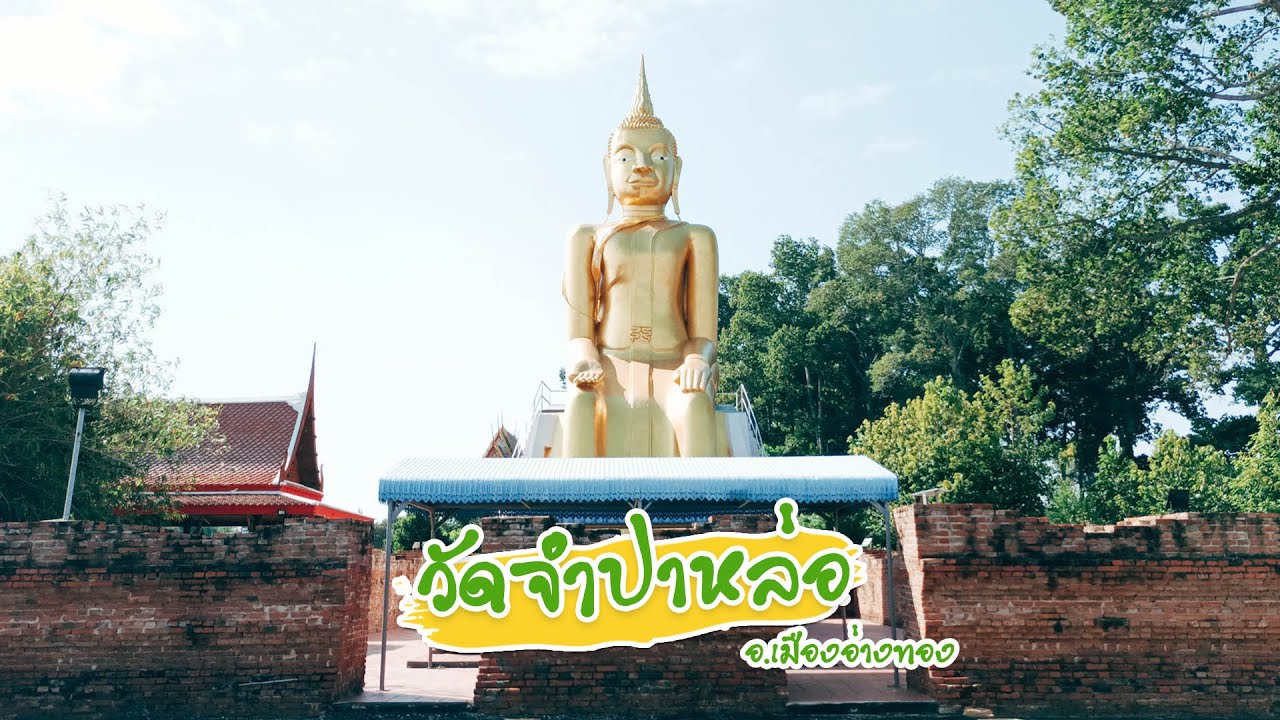
 Click to Access the Navigation Map GPS
Wat Champa Lo Map
Recommend
 Art, Culture and Heritage
 Landmarks and Memorials(2)
 Royal Palace(1)
 Art, Craft Centres, Tradition(2)
 Museums(2)
 Historical Houses and The Ancient City(1)
 Educational Places
 Educational Gardens, Farm(1) Temple(64/216)
 Other religious and spiritural sites(4)
 Research and Development
 Royal Project(2)
 Suburban Living
 Village, Community(16)
 Local Market(1)
 Floating Market(1)
 Nature and Wildlife
 River, Canal(5)
 Other natural attractions(3)
 Entertainment and Agricultural
 Farm, Parks, Gardens and Ecotourism(4)
 Outdoor and Adventure Activities(1)
 Shopping
 Shopping and Night Market(1)
 Travel Articles, Recipes
 Travel Review, Food Review(1)
 Central Thai Cuisine, Central Thai food recipes(1)


