
TL;DR: Wat Phai Wong is located at Village No. 2, Ban Phai Wong, Phai Wong Subdistrict, Wiset Chai Chan District, Ang Thong 14110, open Open daily, hours Please confirm with the temple directly before visiting.
Wat Phai Wong
Open Days: Open daily
Opening Hours: Please confirm with the temple directly before visiting
Wat Phai Wong (Village No. 2, Phai Wong Subdistrict, Wiset Chai Chan District, Ang Thong Province) is the subdistrict’s main community temple, functioning as a genuine “center of local life” in Thailand’s Central Plain. It supports Buddhist merit-making throughout the year, local traditions, public-benefit activities, and quiet spaces where villagers come to rest their minds. The temple’s strengths are its calm atmosphere and simple, walkable layout that invites a slow, respectful visit. It suits travelers who want to pay respects, make merit, and experience the living rhythm of a riverside Central Thai community. Plan about 45 – 120 minutes, or longer if you visit during a community merit event.
Wat Phai Wong is the community temple of Phai Wong Subdistrict, located in Village No. 2, Phai Wong Subdistrict, Wiset Chai Chan District, Ang Thong Province. For local residents, this is not merely a place to “drop by once in a while” for rituals. It is a shared public space where people come to anchor their hearts, meet and help one another, and maintain the community’s everyday cadence. A living village temple carries more value than a photo or a check-in suggests, because each element reflects how people stay connected: offering alms on Buddhist observance days, joining hands to organize merit events, and using the temple grounds as a safe place to pause when life feels heavy.
Wiset Chai Chan lies in the Central Plain, a lowland landscape shaped by agriculture and water-based livelihoods. Communities here grew through mutual dependence, and temples naturally became social centers: open to everyone, able to host life’s major family rites, and providing regular occasions for neighbors to see one another. In this setting, Wat Phai Wong functions like a community power hub. It is a place of formal religious practice, a platform for cooperation, and a learning space where moral values are passed from one generation to the next.
As a cultural visit, the most interesting aspect of Wat Phai Wong is that it is a temple “in real use.” Temples that actively serve daily life have a distinctive feel: peaceful without being deserted, orderly without being stiff, and marked by the steady care of the community. You can often sense this in the cleanliness of the grounds, the neat arrangement of merit-making points, and the readiness of spaces that support ceremonies and community gatherings. This kind of temple suits visitors who want to slow down, settle the mind, and experience the living reality of a Thai community temple rather than coming only for photographs.
Wat Phai Wong was established to meet the community’s basic need for a place to practice Dhamma and conduct Buddhist rites. Villagers have long played a major role in building and sustaining the temple, because it is both spiritual support and a shared center of village life. When a community has a strong temple, it also gains a stable “foundation” in social and cultural terms. A merit event does not happen through monks alone; it comes from collective effort across the subdistrict: preparing spaces, cooking and organizing food, running community kitchens, managing cleanliness and traffic, welcoming guests, and restoring the area after the ceremony. This cooperative habit is precisely what strengthens unity over time.
The temple’s role therefore spans both religion and everyday life. Religiously, it is where people make merit, listen to sermons, join candlelit processions on important Buddhist days, and hold family rites such as ordinations, funerals, and memorial merit-making. Socially, it is where residents meet, share news, and support one another. It is also where elders come to rest the heart and where children absorb Thai cultural values through manners and etiquette—paying respect, speaking politely, and learning gratitude and generosity through community merit activities.
One dimension that is easy to overlook but deeply important is the temple as emotional refuge. Many people come not for a major ceremony, but simply to find calm, regain balance, or be in a place that feels safe. As the subdistrict’s primary temple, Wat Phai Wong offers a space where you can arrive without any special reason. Sitting quietly, walking slowly, or making a small offering can lighten the mind. This is the lasting value of a community temple that still functions in the modern world.
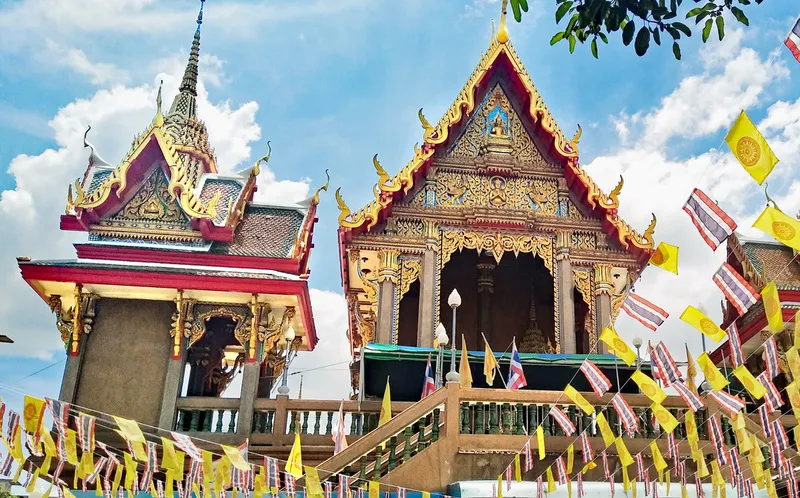
Architecturally, Wat Phai Wong contains the core structures of a Thai temple that support community use, such as the ordination hall (ubosot), a sacred space for formal monastic acts, and the sermon hall (sala kan parian), a multipurpose area used by laypeople. In village life, these spaces are used in practical ways: alms-giving, listening to sermons, community meetings, charity kitchens, and preparation for festivals. If you want to “listen to the place” rather than just walk through it, observe which areas are used most often, where people naturally gather, and how the layout reflects community habits. These details add meaning to a temple visit.
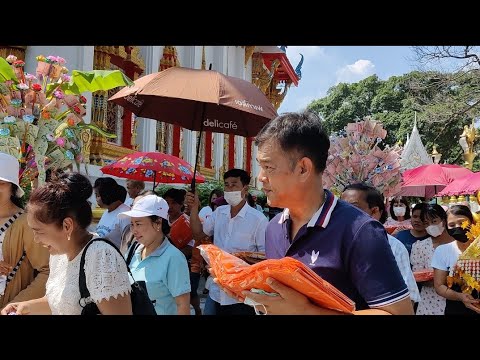
Wat Phai Wong also follows Thailand’s ritual calendar closely, especially during the Buddhist Lent season (Khao Phansa) and the end of Lent (Ok Phansa), when communities often make merit together, offer candles, organize charity food, and join activities that emphasize virtue and listening to Dhamma. Songkran is another period when village temples become lively, featuring merit-making, ceremonial bathing of Buddha images, and activities that connect younger people with elders. Buddhist observance days and major holy days such as Makha Bucha, Visakha Bucha, and Asalha Bucha also highlight the temple’s role, as residents gather for merit, candlelit processions, and religious activities in an atmosphere that is sincere yet warmly communal.
If you want the best mix of serenity and atmosphere, morning is ideal. The weather is comfortable, crowds are light, and the mood supports calm intention. Afternoon works well for a short stop during travel, though a hat or umbrella can help in seasons when Central Thailand’s sun is strong. The advantage of an unhurried visit is that you will notice small signs of a living community temple: consistent upkeep, the orderly placement of donation points, and the natural rhythm of villagers who come as part of daily routine.
For visitors interested in meditation or simply resting the mind, Wat Phai Wong often feels suitable because it is not a constant high-traffic tourist site. You can begin by paying respect, making a small offering, setting a calm intention, and then walking through the grounds quietly and respectfully. This approach keeps the visit from becoming “rushed merit-making” and turns it into mindful merit-making, aligned with the essence of Buddhism and more rewarding as a travel experience.
Temple etiquette remains essential. Dress modestly, avoid loud conversation, respect ceremonial areas, keep the grounds clean, and avoid disturbing monks or laypeople who are practicing. If you take photos, choose angles that do not interrupt others, and avoid photographing individuals closely without permission. Respecting the site not only improves your own experience but also helps the local community feel comfortable and welcoming toward visitors.
What makes Wat Phai Wong meaningful to residents over the long term is its continuing role as a “center of cooperation.” Whether through public-benefit projects, mutual support during merit events, or providing a place for major moments in family life, a community temple like this reveals an important truth about Thai society: it is warm because people help one another, and it is disciplined because activities have structure and shared responsibilities. Visiting Wat Phai Wong is therefore not only about paying respects; it is also about “reading the community” through a tangible space of faith.
Getting There From Ang Thong town, head toward Wiset Chai Chan District, then enter Phai Wong Subdistrict and continue on local roads to Wat Phai Wong. Using navigation and searching the temple name directly is recommended to select the most suitable route based on current traffic. From Bangkok, many travelers take Highway 32 through Phra Nakhon Si Ayutthaya into Ang Thong, then proceed toward Wiset Chai Chan before entering Phai Wong Subdistrict.
| Name | Wat Phai Wong |
| Summary | A subdistrict community temple in Village No. 2, Phai Wong Subdistrict, Wiset Chai Chan District, Ang Thong. It functions as a living center for merit-making, traditions, and local cooperation, with a calm, simple atmosphere suitable for respectful visits. |
| Address | Village No. 2, Ban Phai Wong, Phai Wong Subdistrict, Wiset Chai Chan District, Ang Thong 14110 |
| Highlights | A working village temple that actively serves community life; a hub for merit events and cooperation; peaceful atmosphere ideal for worship, quiet reflection, and cultural understanding of Central Thai community life. |
| Abbot (Latest) | Phra Athikan Chai Khan Chiwatho |
| Current Status | Open to visitors for worship, merit-making, and respectful sightseeing |
| Nearby Tourist Attractions (Approx. Distance) | 1) Sala Chao Rong Thong Market – approx. 6 km 2) Wat Nang Nai (Wat Nang Nai Thammikaram) – approx. 7 km 3) Wat Muang (Luang Pho Yai) – approx. 18 km 4) Wat Khun Inthapramun – approx. 20 km 5) Wat Chaiyo Worawihan – approx. 30 km |
| Popular Restaurants Nearby (Approx. Distance + Phone) | 1) Niramit (Restaurant) – approx. 12 km – 081-852-4777 2) Dr. Steak (Wiset Chai Chan) – approx. 14 km – 035-632-145 3) Samoe Jai Garden Restaurant – approx. 16 km – 035-622-755 4) Ruean Rub Kwan – approx. 16 km – 061-997-8987 5) Pad Cham Boat Noodles – approx. 18 km – 097-456-5351 |
| Popular Accommodations Nearby (Approx. Distance + Phone) | 1) Jumbo Villa Homestay and Resort – approx. 9 km – 085-944-1244 2) Wiset Sabai Resort – approx. 12 km – 081-587-5993 3) Meedee Resort – approx. 14 km – 094-131-8081 4) Bualuang Boutique Resort – approx. 26 km – 081-495-8884 5) Mor Mor Resort Ang Thong – approx. 30 km – 085-698-3681 |
Frequently Asked Questions (FAQ)
Q: Where is Wat Phai Wong located?
A: Wat Phai Wong is in Village No. 2, Phai Wong Subdistrict, Wiset Chai Chan District, Ang Thong Province.
Q: What kind of visit is Wat Phai Wong best for?
A: It’s best for a calm, respectful visit focused on worship, merit-making, and experiencing a living community temple in the Central Plain.
Q: How much time should I plan for the visit?
A: Plan about 45 – 120 minutes for worship, merit-making, and a quiet walk around the grounds, or longer during community events.
Q: When does the temple feel most active?
A: Village temples are typically most active on Buddhist observance days and major holy days, as well as during Khao Phansa – Ok Phansa and Songkran season. Confirm schedules locally if you want to join specific activities.
Q: What etiquette should visitors follow at Wat Phai Wong?
A: Dress modestly, keep your voice low, respect ceremonial areas, keep the grounds clean, and avoid disturbing monks or people who are practicing.
Q: Is it convenient to travel from Bangkok?
A: Many travelers take Highway 32 through Ayutthaya into Ang Thong, then continue toward Wiset Chai Chan before entering Phai Wong Subdistrict. Navigation is recommended for the best route.
 Category: ●Places of Worship
 Group: ●Temple
 Last Update : 2 MonthAgo
 Click to Access the Navigation Map GPS
 Art, Culture and Heritage
 Landmarks and Memorials(
 Royal Palace(
 Art, Craft Centres, Tradition(
 Museums(
 Historical Houses and The Ancient City(
 Educational Places
 Educational Gardens, Farm(
 Other religious and spiritural sites(
 Research and Development
 Royal Project(
 Suburban Living
 Village, Community(
 Local Market(
 Floating Market(
 Nature and Wildlife
 River, Canal(
 Other natural attractions(
 Entertainment and Agricultural
 Farm, Parks, Gardens and Ecotourism(
 Outdoor and Adventure Activities(
 Shopping
 Shopping and Night Market(
 Travel Articles, Recipes
 Central Thai Cuisine, Central Thai food recipes(


