
lovethailand home >North Travel Attractions >Tak Travel Attractions >Ban Tak >Ko Taphao > Khuen That Duean Kao at Wat Phra Borommathat Ban T..
TL;DR: Khuen That Duean Kao at Wat Phra Borommathat Ban Tak, Tak attractions : Art, Culture and Heritage, Art, Craft Centres, Tradition.
Khuen That Duean Kao at Wat Phra Borommathat Ban Tak
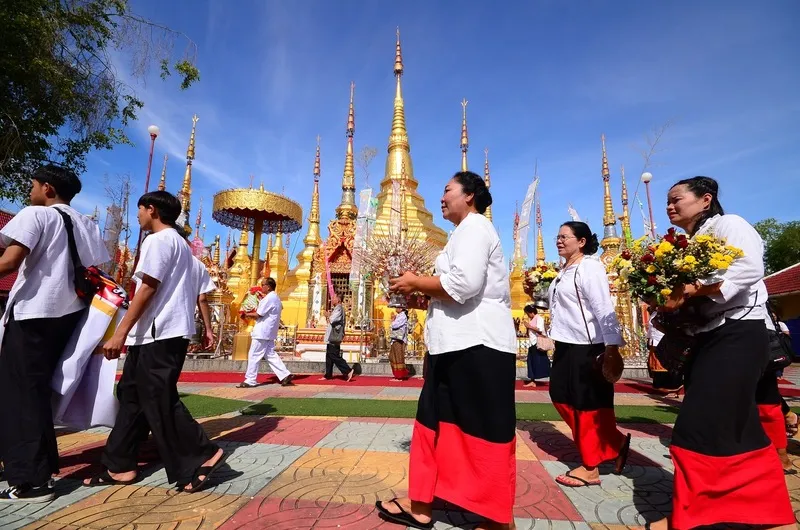
Open Days: Held Annually On The 14th And 15th Waxing Moon Days Of The Ninth Northern Lunar Month
Opening Hours: Morning To Evening, According To The Annual Event Schedule
Khuen That Duean Kao at Wat Phra Borommathat Ban Tak is one of the most important northern-style Buddhist festivals in Tak Province. The tradition is held at Wat Phra Borommathat in Ko Taphao Subdistrict, Ban Tak District, around the 14th and 15th waxing moon days of the ninth northern lunar month, which usually falls around late May or June. The festival is dedicated to paying homage to the Buddha’s relics enshrined at the temple and is deeply connected with the faith of local communities, Lanna ritual culture, and the historical landscape of Old Tak.
The essence of the festival is the act of “going up to the relic stupa” to worship Phra Borommathat, the sacred relic stupa of Wat Phra Borommathat Ban Tak. This temple stands on the western side of the Ping River in Ban Tak District and is closely associated with the old settlement of Tak before the provincial center shifted southward to the present town of Tak. For local people, the festival is not only an annual merit-making event, but also an expression of community memory, Buddhist devotion, and cultural continuity.
Wat Phra Borommathat Ban Tak is an ancient and highly revered temple. Local tradition connects the site with the legend of the Buddha’s journey and the enshrinement of sacred relics at Doi Mahiyangka. The present golden stupa is also notable for its architectural influence from the Shwedagon Pagoda in Myanmar. This makes the temple a significant religious and cultural landmark that reflects the connections between northern Thai, Myanmar, and Ping River cultural worlds.
The main stupa is especially important for people born in the Year of the Horse, as it is widely regarded as the birth-year relic stupa for that zodiac year. However, the festival welcomes all worshippers regardless of birth year. People travel to the temple to pay respect to the relics, make offerings, pray for blessings, and participate in the annual community ceremonies. The golden stupa, the temple atmosphere, and the gathering of devotees create a strong sense of sacredness during the festival period.
The timing of the festival follows the northern Thai lunar calendar. The ninth northern lunar month is not the same as the ninth month in the central Thai calendar. It usually corresponds to around June or late May. The most important days are the 14th and 15th waxing moon days, but preparation and community processions often begin earlier. Devotees from various temples and villages prepare robes, monk cloth, money trees, ceremonial flags, offerings, and rockets before joining the processions to Wat Phra Borommathat.
One of the most beautiful parts of the festival is the procession of faith. Community groups bring sabong cloth, monks’ robes, money trees, gold trees, tung chai flags, ceremonial banners, Buddhist offerings, and rockets to the temple. When the procession arrives, the offerings are presented to the temple and the relic stupa. The event then continues with ceremonies to honor deities and sacred beings, music, dance, and evening performances. This gives the festival both a sacred and festive atmosphere.
On the 15th waxing moon day, villagers and visitors take part in morning almsgiving and offer meals to monks. After the merit-making rituals, the rocket competition begins. The rockets are offered in a ritual context to honor deities and sacred powers, asking for protection, peace, prosperity, and seasonal abundance. Although the rocket competition is lively and exciting, its deeper meaning is linked with community faith and the desire for harmony and well-being.
The procession of the cloth for wrapping the relic stupa is one of the most significant ritual acts. Offering a cloth to the stupa symbolizes deep reverence toward the Buddha’s relics and the Buddhist faith. When devotees carry the cloth together and present it at the temple, the act becomes a collective expression of devotion. It also shows how the community works together to maintain an important Buddhist tradition year after year.
The festival route and surrounding landscape are also historically meaningful. The procession is associated with Nong Lem, Saphan Bun, Wat Phra Borommathat, and Chedi Yutthahatthi. Chedi Yutthahatthi is connected with the story of King Ramkhamhaeng the Great and his victory over Khun Sam Chon, the ruler of Chot. As a result, Khuen That Duean Kao combines Buddhist devotion with historical memory, making it more than a temple festival.
Chedi Yutthahatthi adds an important historical layer to the festival area. The ceremony to honor this chedi reflects respect for the past and for figures associated with the history of Tak and Sukhothai. Visitors who attend the festival can therefore understand Ban Tak not only as a religious site, but also as an old historical zone linked with the Ping River, Sukhothai, Lanna culture, and regional movements of people and power.
Another important attraction within Wat Phra Borommathat Ban Tak is Luang Pho Than Chai. The image is deeply respected by devotees and is associated with prayers for success, health, business, family, and personal wishes. The name Than Chai refers to the belief that the image was completed quickly and auspiciously. Many visitors who come for the festival also pay respect to Luang Pho Than Chai, making the temple a place of both relic worship and personal devotion.
Khuen That Duean Kao clearly reflects northern Thai cultural identity in Tak Province. Although Tak is located in lower northern Thailand, this festival preserves many Lanna elements, including the northern lunar calendar, ceremonial flags, stupa-wrapping rituals, community processions, deity-invoking ceremonies, and the use of rockets in ritual celebration. These features show that Tak has long been a cultural meeting point between Lanna, Sukhothai, Myanmar-influenced Buddhist art, and the communities of the Ping River basin.
The atmosphere of the festival is lively and meaningful. Visitors can see colorful processions, traditional clothing, long ceremonial flags, local music, drums, offerings, and groups of villagers arriving with devotion. During the daytime, the focus is on processions, merit-making, stupa worship, and temple ceremonies. In the evening, performances and festival activities create a joyful temple-fair atmosphere that brings the community together.
Travelers who wish to attend the festival should check the annual schedule in advance because the exact dates and activities are announced each year by the temple and local authorities. Information is usually available through Wat Phra Borommathat Ban Tak, Ko Taphao Subdistrict Administrative Organization, Tak Province, Tak Cultural Office, and the Tourism Authority of Thailand’s Tak Office. This is especially useful for visitors who want to see the procession, the stupa-wrapping ritual, and the rocket competition.
Getting There is convenient by private car, rental car, or local transport. From Tak town, travel toward Ban Tak District and continue to Ko Taphao Subdistrict, where Wat Phra Borommathat Ban Tak is located. The temple can be combined with nearby historical sites such as Chedi Yutthahatthi, Old Tak Historical Park, and Kat Ta Tong Market. This makes the festival a good opportunity to explore both religious and historical attractions in Ban Tak.
Visitors should dress respectfully because the event takes place at a Buddhist temple. Comfortable walking shoes, sun protection, and drinking water are recommended, especially during processions and outdoor activities. Older visitors should plan their schedule carefully, as the festival can attract large crowds. During the rocket activities, visitors should stay in designated viewing areas and follow instructions from officials for safety.
For photographers and cultural travelers, the festival offers many meaningful scenes: the golden relic stupa, the procession of the stupa cloth, tung flags, money trees, local costumes, ritual offerings, drums, and the lively atmosphere of temple celebration. Photography should be done respectfully and without interfering with ceremonies. The best cultural images often come from observing the details of community participation, not only the grand procession.
The social value of Khuen That Duean Kao is also significant. The festival brings together villagers, monks, local authorities, cultural groups, and visitors. Elders pass down ritual knowledge, younger people help prepare processions and offerings, and children learn the tradition through participation. This makes the festival a living cultural classroom that preserves local identity through annual practice.
Overall, Khuen That Duean Kao at Wat Phra Borommathat Ban Tak is a deeply meaningful festival that combines relic worship, Lanna ritual culture, community faith, local history, and the identity of Ban Tak. Travelers who attend the event can make merit, pay respect to the sacred stupa, experience northern Thai processions, learn about Old Tak history, and see how Buddhist devotion continues to shape local life in Tak Province.
| Name | Khuen That Duean Kao Festival at Wat Phra Borommathat Ban Tak |
| Location / Main Venue | Wat Phra Borommathat, Ko Taphao Subdistrict, Ban Tak District, Tak Province |
| Address | Moo 3, Chedi-Mae Ramat Road, Ko Taphao Subdistrict, Ban Tak District, Tak 63120, Thailand |
| Coordinates | 17.062000, 99.043000 |
| Festival Period | Held on the 14th and 15th waxing moon days of the ninth northern lunar month, usually around late May or June |
| Highlights | Procession of the stupa cloth, money trees, gold trees, tung flags, Buddhist offerings, deity-honoring ceremonies, merit-making, and rocket competition |
| Importance | A Buddhist festival dedicated to worshipping the Buddha’s relics and asking for protection, peace, and prosperity |
| History | Wat Phra Borommathat Ban Tak is linked with Old Tak, the Ping River historical landscape, and local legends of relic enshrinement; the golden stupa reflects influence from Myanmar’s Shwedagon Pagoda |
| Name Origin | Khuen That Duean Kao means going up to worship the relic stupa during the ninth month of the northern Thai lunar calendar |
| Distinctive Features | A northern Thai merit-making festival combining stupa worship, processions, offerings, deity ceremonies, and ritual rockets |
| Main Rituals | Offering monks’ cloth, robes, money trees, stupa cloth, deity-honoring rituals, almsgiving, meal offerings to monks, and rocket competition |
| Main Sacred Sites | Phra Borommathat Stupa, birth-year relic stupa for the Year of the Horse, Luang Pho Than Chai, and Wat Phra Borommathat Museum |
| Travel Information | Travel from Tak town toward Ban Tak District and continue to Ko Taphao Subdistrict; private car, rental car, or local transport is recommended |
| Current Status | An important annual festival of Ban Tak District; exact annual schedules are announced by the organizers each year |
| Open Days | Held annually on the 14th and 15th waxing moon days of the ninth northern lunar month |
| Opening Hours | Morning to evening, according to the annual event schedule |
| Fees | No admission fee for the temple and festival area |
| Facilities | Parking area, worship areas, toilets, local shops, merit-making points, and basic community services near the temple |
| Abbot / Caretaker | Phra Khru Phithak Borommathat (Phan), abbot of Wat Phra Borommathat Ban Tak / Ko Taphao Subdistrict Administrative Organization / Tak Cultural Office / Tak Provincial Office of Buddhism |
| Main Contact Number | Ko Taphao Subdistrict Administrative Organization, Tel. 055-898-232 / Tak Provincial Office of Buddhism, Tel. 055-513-188 / Tak Cultural Office, Tel. 055-517-722 / TAT Tak Office, Tel. 055-514-341-3 |
| Official Website / Official Page | https://www.kohtaphao.go.th / https://tak.onab.go.th / https://thai.tourismthailand.org |
| Nearby Tourist Attractions | 1. Chedi Yutthahatthi, about 1 km 2. Old Tak Historical Park, about 1 km 3. Kat Ta Tong Market, Ban Tak District, about 7 km 4. Wat Phra Phutthabat Doi Lon, about 11 km 5. King Taksin the Great Shrine, Mueang Tak District, about 31 km |
| Nearby Restaurants | 1. Marony & Khlang Tao Manut Hin Cafe, about 1 km, Tel. 087-147-4831 2. Yui Ahan Tam Sang, about 1 km 3. Krua Lung Cha Pa Nong, about 1 km 4. Wattana Hip - Restaurant, about 3 km 5. Ruean Son Noi, about 9 km |
| Nearby Accommodations | 1. Baan Suan Siriwat Resort, about 8 km, Tel. 093-236-3971, 064-698-2961 2. Ban Tak Homestay, about 8 km, Tel. 096-939-2241 3. Suk Samran Ban Tak Rooms, about 10 km 4. White House Hotel, about 30 km 5. Viang Tak Riverside Hotel, about 32 km, Tel. 055-512-507-8, 081-887-2905 |
Frequently Asked Questions (FAQ)
Q: Where is Khuen That Duean Kao held?
A: It is held at Wat Phra Borommathat in Ko Taphao Subdistrict, Ban Tak District, Tak Province.
Q: When is Khuen That Duean Kao held?
A: It is held on the 14th and 15th waxing moon days of the ninth northern lunar month, usually around late May or June.
Q: Why is the festival important?
A: The festival is held to worship the Buddha’s relics and to pray for peace, protection, prosperity, and well-being for the community.
Q: What are the main rituals of the festival?
A: Main rituals include processions of stupa cloth, money trees, tung flags, Buddhist offerings, deity-honoring ceremonies, almsgiving, meal offerings to monks, and rocket competition.
Q: Which zodiac year is Wat Phra Borommathat Ban Tak associated with?
A: The temple’s Phra Borommathat Stupa is associated with the Year of the Horse as its birth-year relic stupa.
Q: How can visitors travel to Wat Phra Borommathat Ban Tak?
A: Visitors can travel from Tak town toward Ban Tak District and continue to Ko Taphao Subdistrict by private car, rental car, or local transport.
Q: What nearby attractions can be visited with the festival?
A: Nearby attractions include Chedi Yutthahatthi, Old Tak Historical Park, Kat Ta Tong Market, Wat Phra Phutthabat Doi Lon, and King Taksin the Great Shrine.
 Category: ●Art, Culture and Heritage
 Group: ●Art, Craft Centres, Tradition
Last Update : 4 MonthAgo
 Last Update : 4 MonthAgo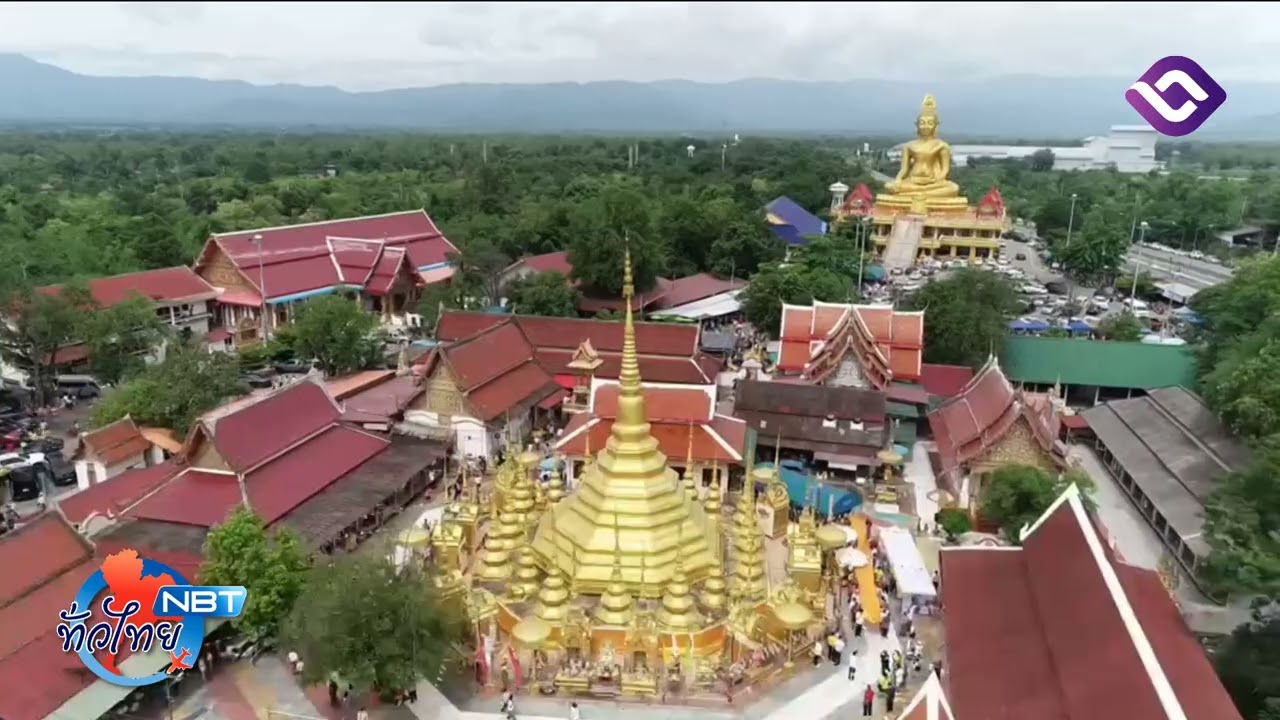
 Click to Access the Navigation Map GPS
Khuen That Duean Kao at Wat Phra Borommathat Ban Tak Map
Recommend

 Historical Sites and Monuments(2)
 Landmarks and Memorials(3)
Art, Craft Centres, Tradition(6)
Landmarks and Memorials(3)
Art, Craft Centres, Tradition(6)
 Historic Homes and Cities(2)
 Educational Places
 Educational Gardens, Farm(2)
 Places of Worship
 Temple(22)
 Other Sacred Sites(9)
 Suburban Living
 Village, Community(5)
 Local Market(3)
 Nature and Wildlife
 National Parks and Marine Reserves(9)
 Mountain (Doi)(9)
 Dam, Reservoir, Lake(14)
 Waterfalls(23)
 Hot Springs(2)
 Caves(6)
 River, Canal(1)
 Bays and Beaches(1)
 Islands(1)
 Other natural attractions(1)
 Entertainment and Agricultural
 Farms, Parks and Ecotourism(5)
 Outdoor and Adventure Activities(4)


