
lovethailand home >North Travel Attractions >Tak Travel Attractions >Muang Tak >Nong Luang > Loi Krathong Sai Lai Prathip 1000 Duang
TL;DR: Loi Krathong Sai Lai Prathip 1000 Duang, Tak attractions : Art, Culture and Heritage, Art, Craft Centres, Tradition.
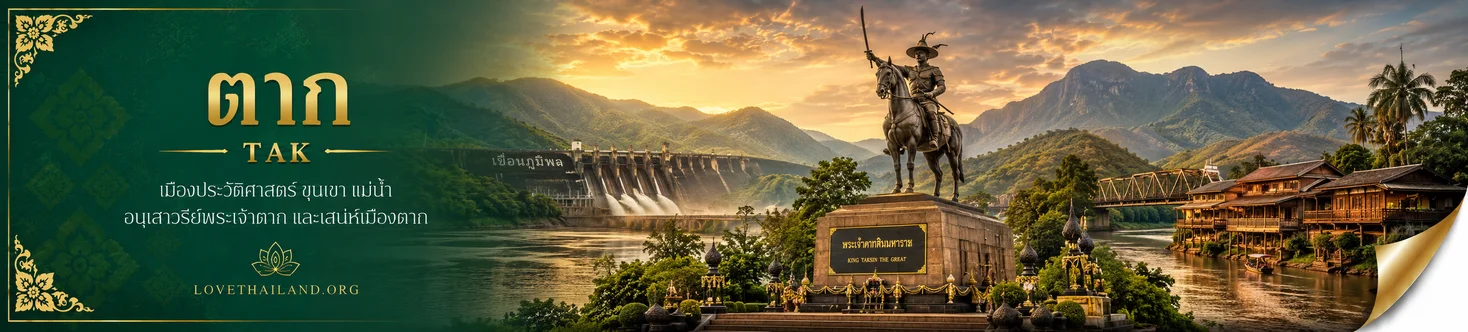
Loi Krathong Sai Lai Prathip 1000 Duang
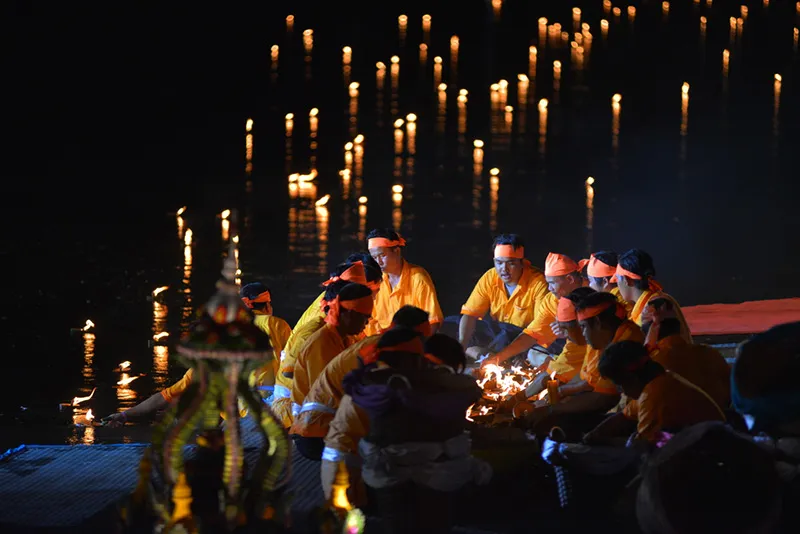
Open Days: Held Annually Around The Full Moon Of The Twelfth Lunar Month
Opening Hours: Evening To Night, According To The Annual Event Schedule
Loi Krathong Sai Lai Prathip 1000 Duang in Tak Province is one of Thailand’s most distinctive Loi Krathong traditions. Held along the Ping River at Rim Sai Than Lan Krathong Sai near the Rattanakosin 200th Anniversary Bridge in Mueang Tak District, the festival is famous for thousands of coconut-shell krathongs lit with small flames and released into the river in long, glowing lines. The sight of countless lights flowing gently along the Ping River has become one of the most memorable cultural images of Tak Province.
Unlike many Loi Krathong celebrations where people float individual krathongs, Tak’s Loi Krathong Sai is a collective community performance. The beauty of the tradition depends on careful preparation, teamwork, timing, and local skill. Villagers prepare coconut shells, make wicks, arrange processions, decorate offerings, light the krathongs, and release them at regular intervals so that they form a continuous stream of light on the river. The festival is therefore both a spiritual ceremony and a living expression of local unity.
The tradition is rooted in gratitude toward water. Like other Loi Krathong ceremonies in Thailand, it is performed to pay respect to Mae Khongkha, the spirit of the river, to ask forgiveness for polluting or using the water, and to make wishes for good fortune. It is also connected with Buddhist devotion, especially the act of paying homage to the Buddha’s footprint. For the people of Tak, the Ping River has long been a source of livelihood, transportation, agriculture, and identity. Floating krathongs in long illuminated lines is a way of honoring the river that has shaped the life of the town.
Before the full moon day, local communities prepare important ritual items. One of them is the Pha Pa Nam raft, made from banana trunks and decorated with flowers, incense, candles, and colorful flags. The raft may also contain betel nut, sweets, fruit, cigarettes, and coins as offerings and acts of giving. This reflects not only religious devotion, but also generosity and concern for others, as the offerings are traditionally meant to benefit people who collect the raft after it floats away.
In earlier times, the krathongs used in the tradition were made from young white leaves of the crinum lily, stitched into small floating forms. The wick was made from twisted cord, and coconut oil served as fuel. Today, coconut shells are widely used. Large numbers of shells are prepared, often in the thousands. Each shell contains a candle or a fuel wick made from twisted fiber or resinous torch material. When lit and released one after another, these coconut-shell lamps float downstream and become the beautiful “krathong sai,” or a line of floating lights.
On the day of the event, each community organizes a procession. Participants dress beautifully, dance, play music, and carry their krathongs to the riverside. These processions are an important part of the festival because they show the pride of each village and community. Costumes, decorations, music, and local dance all add color to the celebration and turn the riverside into a lively cultural space before the actual floating begins.
When the procession reaches the river, participants perform a ceremony to light incense and candles, pay respect to Mae Khongkha, ask forgiveness from the river, and make wishes to release sorrow, misfortune, and suffering. The Pha Pa Nam raft is then released into the river. This part of the event is solemn and meaningful, allowing participants to reflect on the value of water before the festive atmosphere of the krathong-sai floating begins.
The actual release of the krathong sai requires skill and coordination. After the order of release is decided, community members divide responsibilities. Some prepare the coconut shells, some place the fuel inside, some light the flames, and others release the krathongs into the river. The person releasing the krathongs must understand the current and timing well. If the shells are released too close together, they may collide. If they are released too far apart, the line of light may break. A beautiful krathong sai depends on steady timing, even spacing, and flames that remain lit throughout the float.
As the coconut-shell lamps begin to drift along the Ping River, the scene becomes extraordinary. Hundreds and thousands of small lights move with the current, forming a long shimmering trail across the water. The reflection of the flames on the river creates a peaceful yet dramatic atmosphere. This is what makes Tak’s Loi Krathong Sai different from other Loi Krathong celebrations in Thailand. The festival is not only about individual offerings; it is about creating a shared river of light.
Competition is also part of the festival. Communities try to release their krathongs in the most beautiful and consistent line, with flames staying bright and spacing remaining even. The winning community is the one whose line of light appears smooth, continuous, and visually impressive. While one group releases the krathongs, others cheer, beat drums, dance, and encourage their team. This creates an energetic atmosphere that combines ritual, performance, and community pride.
The use of coconut shells is one of the strongest symbols of the tradition. Coconut shells are simple, local, and functional. They float well, hold fuel effectively, and create a natural glow when placed on the water. The material reflects local wisdom and the practical creativity of riverside communities. It also helps preserve the distinctive identity of Tak’s celebration, making it immediately recognizable among Thai festivals.
Today, the main venue of the event is Rim Sai Than Lan Krathong Sai near the Rattanakosin 200th Anniversary Bridge. This riverside area is well suited for the festival because it offers views of the Ping River, space for spectators, and a strong visual backdrop with the famous bridge. The bridge itself is another landmark of Tak, and when combined with the floating lights, it creates a beautiful festival scene that attracts photographers and cultural travelers.
The festival is deeply important to the identity of Tak Province. Tak is a historic riverside town, and the Ping River has shaped its way of life for generations. Loi Krathong Sai tells the story of the town through water, fire, faith, and cooperation. It is a rare tradition that brings together spiritual belief, local materials, performance, and collective skill in one event.
Travelers planning to attend the festival should check the annual schedule in advance because the exact dates and activities are announced each year by local authorities. Accommodation in Tak town can become busy during the festival period, especially near the Ping River and city center. Booking ahead is recommended. Visitors should also arrive early in the evening to find a good viewing spot along the river.
For the best experience, visitors should not focus only on the moment when the lamps float. The processions, costumes, music, Pha Pa Nam offerings, prayers, and community cheering are all essential parts of the tradition. These details show that Loi Krathong Sai is not simply a light display, but a living cultural practice rooted in community life.
Photography is especially rewarding during the floating of the krathong sai. The best shots often include the long line of lights, the river surface, the bridge, and the dark evening sky. Visitors should use stable shooting positions and avoid strong flash that may disturb others. Mobile phones can also capture beautiful images if the camera is kept steady and the river line is visible.
The festival can easily be combined with other attractions in Tak town. During the daytime, visitors can explore the Rattanakosin 200th Anniversary Bridge, King Taksin the Great Shrine, Tak City Museum, Wat Sitalaram, and Mani Banphot Reservoir. In the evening, they can return to the riverside to watch the processions and the floating lines of coconut-shell lamps.
Food is another enjoyable part of the event. The festival area and nearby parts of Tak town usually offer local food, community products, riverside restaurants, and market-style stalls. Visitors can have dinner near the river before attending the main activities, or enjoy local snacks while walking through the event area.
Loi Krathong Sai is also socially meaningful because it brings generations together. Elders pass on knowledge about making krathongs, adults organize the community teams, young people help prepare materials, and children learn by participating. This makes the festival an annual cultural classroom where local identity is preserved through action rather than only through storytelling.
Overall, Loi Krathong Sai Lai Prathip 1000 Duang is one of the most beautiful and meaningful traditions in Tak Province. It combines the glow of fire, the movement of the Ping River, Buddhist devotion, respect for water, local craftsmanship, and community unity. For travelers who want to experience a Loi Krathong celebration with a truly local identity, Tak’s floating line of lights is a festival worth seeing in person.
| Name | Loi Krathong Sai Lai Prathip 1000 Duang, Tak Province |
| Location / Main Venue | Rim Sai Than Lan Krathong Sai, near the Rattanakosin 200th Anniversary Bridge, Mueang Tak District, Tak Province |
| Address | Ping River riverside area near the Rattanakosin 200th Anniversary Bridge, Mueang Tak District, Tak 63000, Thailand |
| Coordinates | 16.877208, 99.118062 |
| Festival Period | Held annually around the full moon of the twelfth lunar month; exact dates are announced each year |
| Highlights | Thousands of coconut-shell lamps released in long glowing lines along the Ping River, with processions, rituals, and community competitions |
| Importance | A tradition to honor Mae Khongkha, ask forgiveness from the river, worship the Buddha’s footprint, and preserve the unique cultural identity of Tak |
| Distinctive Features | Coconut shells are used as floating lamps and released at regular intervals to create a continuous line of light on the river |
| Main Rituals | Pha Pa Nam raft offering, community processions, incense and candle ceremony, prayers to the river, and the release of krathong sai into the Ping River |
| Main Materials | Coconut shells, candles, torch fuel, twisted fiber wicks, banana trunks, flowers, incense, candles, flags, betel nut, sweets, fruit, and coins |
| Travel Information | Travel to Tak town and continue to the Ping River area near the Rattanakosin 200th Anniversary Bridge by private car, motorcycle, or local transport |
| Current Status | An important annual cultural festival of Tak Province; dates and activities are announced annually by the organizers |
| Open Days | Held annually around the full moon of the twelfth lunar month |
| Opening Hours | Evening to night, according to the annual event schedule |
| Fees | No general admission fee for the festival area |
| Facilities | Riverside viewing area, local food stalls, community shops, photo spots, public toilets, and accommodations in Tak town |
| Caretaker / Local Authority | Tak Municipality, Tak Province, Tak Provincial Administrative Organization, and TAT Tak Office |
| Main Contact Number | Tak Municipality, Tel. 0-5551-8888 / TAT Tak Office, Tel. 055-514-341-3 / TAT Contact Center, Tel. 1672 |
| Official Website / Official Page | https://www.tessabantak.go.th / https://thai.tourismthailand.org |
| Nearby Tourist Attractions | 1. Rattanakosin 200th Anniversary Bridge, about 0 km 2. King Taksin the Great Shrine, about 2 km 3. Tak City Museum, about 2 km 4. Wat Sitalaram / Wat Nam Hak, about 2 km 5. Mani Banphot Reservoir, about 4 km |
| Nearby Restaurants | 1. Rim Ping Terrace at Viang Tak Riverside Hotel, about 1 km, Tel. 055-512-507-8 2. Ban Kieng Nam Restaurant, about 2 km, Tel. 081-953-9441 3. The Loft Restaurant & Coffee, about 2 km, Tel. 055-511-333, 081-344-6925 4. Dib Dee Restaurant, about 3 km, Tel. 088-424-3265 5. Mae Ping Restaurant, about 5 km |
| Nearby Accommodations | 1. Viang Tak Riverside Hotel, about 1 km, Tel. 055-512-507-8, 081-887-2905 2. Soho Boutique Hotel, about 1 km 3. Hop Inn Tak, about 2 km 4. Berich Hotel, about 2 km 5. Ping View Restaurant & Resort, about 2 km |
Frequently Asked Questions (FAQ)
Q: When is Loi Krathong Sai in Tak held?
A: It is held annually around the full moon of the twelfth lunar month. Exact event dates are announced each year by the organizers.
Q: What makes Tak’s Loi Krathong Sai unique?
A: Its main feature is the release of thousands of lit coconut-shell krathongs in long glowing lines along the Ping River.
Q: Where is the main venue of the festival?
A: The main venue is Rim Sai Than Lan Krathong Sai near the Rattanakosin 200th Anniversary Bridge in Mueang Tak District.
Q: What is the meaning of Loi Krathong Sai?
A: The tradition honors Mae Khongkha, asks forgiveness from the river, pays homage to the Buddha’s footprint, and reflects community unity in Tak.
Q: Is there an admission fee?
A: There is generally no admission fee for entering the main festival area.
Q: What time should visitors arrive?
A: Visitors should arrive before the evening activities begin to find a good riverside viewing spot and enjoy the processions and rituals.
Q: What nearby attractions can be visited with the festival?
A: Nearby places include the Rattanakosin 200th Anniversary Bridge, King Taksin the Great Shrine, Tak City Museum, Wat Sitalaram, and Mani Banphot Reservoir.
 Category: ●Art, Culture and Heritage
 Group: ●Art, Craft Centres, Tradition
Last Update : 5 MonthAgo
 Last Update : 5 MonthAgo
 Click to Access the Navigation Map GPS
Loi Krathong Sai Lai Prathip 1000 Duang Map
Recommend

 Historical Sites and Monuments(2)
 Landmarks and Memorials(3)
Art, Craft Centres, Tradition(6)
Landmarks and Memorials(3)
Art, Craft Centres, Tradition(6)
 Historic Homes and Cities(2)
 Educational Places
 Educational Gardens, Farm(2)
 University
 Rajamangala University of Technology(1)
 Places of Worship
 Temple(22)
 Other Sacred Sites(9)
 Research and Development
 Royal Project(1)
 Suburban Living
 Village, Community(5)
 Local Market(3)
 Nature and Wildlife
 National Parks and Marine Reserves(11)
 Mountain (Doi)(9)
 Dam, Reservoir, Lake(14)
 Waterfalls(23)
 Hot Springs(2)
 Caves(6)
 River, Canal(1)
 Bays and Beaches(1)
 Islands(1)
 Other natural attractions(1)
 Entertainment and Agricultural
 Farms, Parks and Ecotourism(5)
 Outdoor and Adventure Activities(4)
 Travel Articles, Recipes
 Travel Review, Food Review(1)


