
lovethailand home >North Travel Attractions >Tak Travel Attractions >Um Phang >Mae La Mung > Palatha Waterfall
TL;DR: Palatha Waterfall is located at Ban Palatha, Mae Lamung Subdistrict, Umphang District, Tak Province, open Contact Umphang Subdistrict Administrative Organization before visiting, hours Contact Umphang Subdistrict Administrative Organization before visiting.
Palatha Waterfall
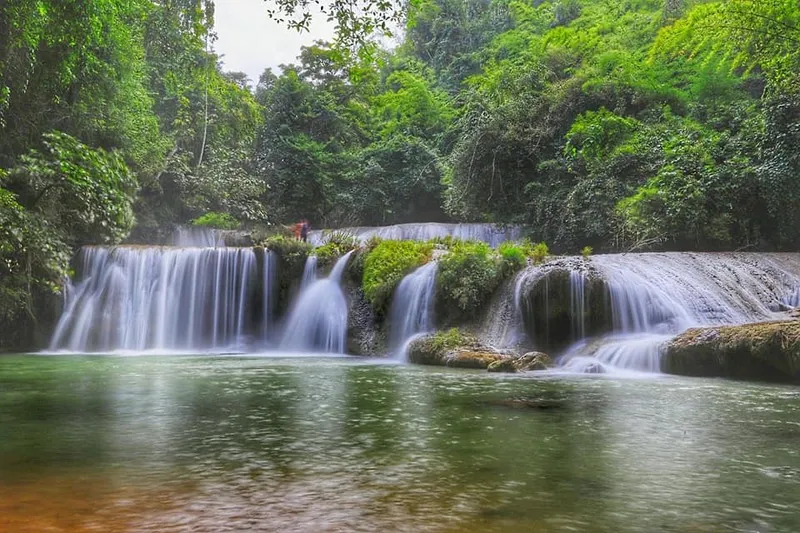
Open Days: Contact Umphang Subdistrict Administrative Organization before visiting
Opening Hours: Contact Umphang Subdistrict Administrative Organization before visiting
Palatha Waterfall, Tak Province is a natural attraction in Umphang District that offers a quiet, forested, and deeply refreshing travel experience for visitors who want to explore the wilder side of northern Thailand. Located near Ban Palatha in Mae Lamung Subdistrict, this waterfall is surrounded by lush woodland, mountain scenery, agricultural landscapes, and the peaceful rhythm of a local community that still lives closely with nature. Unlike crowded mainstream attractions, Palatha Waterfall appeals to travelers who enjoy slow travel, rural scenery, soft adventure, and the feeling of entering a natural area that still retains a strong sense of privacy and authenticity.
The charm of Palatha Waterfall lies not only in the beauty of the falling water, but also in the journey that leads to it. From Umphang town, travelers head toward Ban Palatha, a village known for its natural surroundings, agricultural way of life, and access to forest routes. The approach to the waterfall gives visitors a chance to see corn fields, village landscapes, dirt roads, mountain views, and natural vegetation along the way. This makes the trip more than a simple visit to a waterfall; it becomes a gradual introduction to the landscape and community life of Umphang.
Palatha Waterfall is suitable for travelers who want to escape busy cities and reconnect with nature in a calm, unhurried setting. The atmosphere around the waterfall is peaceful, with the sound of flowing water, shaded forest, and fresh air creating a relaxing environment. Visitors can sit near the stream, enjoy the scenery, take photographs, and spend quiet time listening to the natural sounds of the area. The waterfall is especially appealing to people who prefer simple, natural beauty over commercialized tourist facilities.
The waterfall flows through a forested landscape and over natural rock formations, creating a pleasant setting for nature observation and photography. During suitable seasons, the water is clear and the surrounding forest appears fresh and green. The area around the waterfall is not designed as a heavily developed tourist site, so visitors should expect a more natural experience. This is part of its appeal: the place still feels connected to the forest, the stream, and the local environment rather than being shaped primarily for mass tourism.
For nature lovers, Palatha Waterfall offers a valuable opportunity to observe the relationship between water, forest, soil, and local livelihoods. The stream supports the surrounding ecosystem, while the trees help preserve moisture and protect the soil. The nearby village landscape shows how people in this part of Umphang live alongside forested hills and agricultural land. Traveling here helps visitors understand that a waterfall is not only a scenic attraction, but also part of a broader natural and cultural landscape.
Getting There requires careful planning, especially during the rainy season. From Umphang town, travelers head toward Ban Palatha, approximately 25 km away. From the village area, the route continues toward the waterfall for about 3 – 4 km. Parts of the route are concrete, while other sections may include laterite, gravel, and dirt road conditions. During the cool season and dry season, access is generally more manageable. During the rainy season, a four-wheel-drive vehicle or local guidance is strongly recommended because the road can become slippery, muddy, and uneven.
The journey to Palatha Waterfall is part of the experience. Along the route, travelers can see local corn fields, forest edges, village scenery, and the mountain environment of Umphang. These landscapes reflect the way local people use the land and live with the surrounding natural resources. The road itself may not always be smooth, but it gives the trip a sense of discovery and makes the destination feel more rewarding. Visitors who enjoy rural routes, quiet landscapes, and local scenery will find the journey especially memorable.
Travelers coming from outside Tak Province should allow enough time for the trip because Umphang is located far from Tak town and Mae Sot. The road to Umphang is mountainous and winding, requiring careful driving and good preparation. It is advisable to avoid rushing, especially at night or during rain. Once in Umphang, visitors should check the latest road conditions with local accommodations, local residents, or Umphang Subdistrict Administrative Organization before continuing to Ban Palatha and the waterfall area.
The best time to visit Palatha Waterfall is from the late rainy season into the cool season, when the forest is green and the waterfall has a good flow of water. The cool season is also comfortable for travel, photography, and family trips because the weather is pleasant and road conditions are usually better than in heavy rain. The dry season can also be a good time to visit, especially for travelers who want easier road access and a relaxing nature break. The rainy season provides a dramatic forest atmosphere, but it requires better preparation, suitable vehicles, and extra caution.
Activities at Palatha Waterfall include nature photography, relaxing by the stream, walking around the waterfall area, observing local plants, and enjoying the sound of running water. Visitors may play in the water only in safe areas where the current is not strong. It is important to avoid entering the water during heavy rain, when the water changes color, or when the current becomes powerful. Rocks around waterfalls can be slippery, so visitors should wear suitable footwear and move carefully at all times.
Photographers will find several appealing scenes around Palatha Waterfall. The falling water, forest shade, rock surfaces, rural access route, and natural light passing through the trees all create good opportunities for landscape and travel photography. Morning is a suitable time to visit because the air is cooler and the light is softer. Travelers should bring waterproof protection for cameras or mobile phones, especially near the waterfall or during the rainy season.
Palatha Waterfall is also connected to community-based tourism. Ban Palatha is a local community where agriculture and nature remain closely linked. Visitors can observe local ways of life, agricultural fields, seasonal production, and the relationship between villagers and the surrounding environment. A trip to the waterfall can therefore become more meaningful when travelers approach it with respect for the community, local customs, and the natural landscape.
Responsible travel is essential when visiting Palatha Waterfall. Visitors should carry out all trash, avoid leaving food waste or plastic in the forest, avoid using soap or chemicals in streams, and refrain from damaging plants, rocks, or natural features. Quiet behavior is also important because forest areas are habitats for birds, insects, and other wildlife. The beauty of Palatha Waterfall depends on visitors helping to preserve its clean, natural, and peaceful condition.
Before visiting, travelers should prepare drinking water, light food, suitable walking shoes, a rain jacket, waterproof bags, personal medication, and basic travel supplies. Since facilities around the waterfall are limited, visitors should not rely on finding shops or services at the site. Clothing should be comfortable, quick-drying, and suitable for walking through damp or uneven terrain. Flip-flops or slippery sandals are not recommended because the ground and rocks near the waterfall can be wet and unstable.
Palatha Waterfall can be included in a wider Umphang nature itinerary. Nearby travel options include Luko Pha Tho Viewpoint, Ban Palatha mist viewpoint, Se Palatha Waterfall, Doi Hua Mot, Thi Lo Cho Waterfall, and Thi Lo Su Waterfall. Travelers with limited time may visit Palatha Waterfall together with nearby village viewpoints, while those with 2 – 3 days in Umphang can combine several natural attractions into a broader route. The final plan should depend on weather, road conditions, vehicle readiness, and the physical comfort of everyone in the group.
Although Thi Lo Su Waterfall is the most famous waterfall in Umphang, Palatha Waterfall offers a quieter and more local experience. It gives visitors a chance to see another side of Umphang: smaller-scale nature, village landscapes, local routes, and peaceful forest scenery. This makes it a good option for travelers who have already visited major attractions or who prefer less crowded places. Visiting secondary natural sites like Palatha Waterfall also helps distribute tourism benefits to local communities.
Visitors should understand that Palatha Waterfall is a natural site with changing conditions. Mobile phone signal may be limited in some areas, road access can vary by season, and facilities may not be available in the same way as at major tourist attractions. It is wise to prepare cash, check the vehicle condition, confirm the route before departure, and inform someone about the travel plan. Good preparation makes the trip safer and more enjoyable.
What makes Palatha Waterfall memorable is the combination of water, forest, rural road, village life, and mountain scenery. The experience is not defined by luxury or convenience, but by a sense of connection with nature. Travelers who enjoy slow journeys will appreciate the quiet route, the sound of the waterfall, the green surroundings, and the simplicity of Ban Palatha. The place rewards visitors who travel with patience, respect, and an open mind.
For foreign travelers, Palatha Waterfall is best visited as part of a well-planned Umphang trip rather than as a quick stop. Staying in Umphang town makes it easier to access food, accommodation, and local travel information before heading toward Ban Palatha. Travelers without a suitable vehicle should ask local operators or accommodations for route advice. This is especially important during the rainy season, when local knowledge can make the journey much safer.
Palatha Waterfall is a worthwhile destination for nature lovers, soft-adventure travelers, photographers, and visitors interested in community-based tourism. It provides a peaceful alternative to more famous attractions and allows travelers to experience the natural character of Tak Province in a more intimate way. With proper planning, careful travel, and respect for the local environment, a visit to Palatha Waterfall can become one of the most meaningful parts of an Umphang journey.
| Name | Palatha Waterfall |
| Location | Ban Palatha, Mae Lamung Subdistrict, Umphang District, Tak Province |
| Address | Moo 1, Ban Palatha, Mae Lamung Subdistrict, Umphang District, Tak Province 63170 |
| Highlights | A peaceful natural waterfall surrounded by forest, rural scenery, local agricultural landscapes, and the community atmosphere of Ban Palatha |
| History | A natural attraction in Umphang District connected with Ban Palatha and the forested mountain landscape of Mae Lamung Subdistrict |
| Name Origin | The name comes from Ban Palatha, the local village located near the waterfall area |
| Distinctive Features | A forest waterfall with flowing water, natural rock formations, shaded surroundings, and access through a rural community route |
| Travel Information | From Umphang town, travel about 25 km to Ban Palatha, then continue about 3 – 4 km toward the waterfall. During the rainy season, a four-wheel-drive vehicle or local route guidance is recommended |
| Current Status | A natural attraction in the Ban Palatha area of Umphang District. Visitors should check weather and road conditions before traveling |
| Facilities | Facilities are limited. Visitors should bring drinking water, light food, proper walking shoes, waterproof bags, and essential personal items |
| Main Areas / Zones | Access route from Ban Palatha, streamside area, waterfall viewing area, and surrounding forest zone |
| Caretaker / Local Authority | Umphang Subdistrict Administrative Organization and Ban Palatha community |
| Main Contact Number | Umphang Subdistrict Administrative Organization Tel. 055-561416 |
| Official Website / Official Page | www.umphang-sao.go.th |
| Nearby Tourist Attractions | 1. Luko Pha Tho Viewpoint / Ban Palatha Sea of Mist, about 5 km 2. Se Palatha Waterfall, about 6 km 3. Ban Palatha, about 3 km 4. Doi Hua Mot, about 40 km 5. Thi Lo Cho Waterfall, about 45 km 6. Thi Lo Su Waterfall, about 70 km |
| Nearby Restaurants | 1. Ban Kru Sun Restaurant, Umphang, about 30 km, Tel. 096-159-9236 2. Baan Amo Apa Wood Cafe And Wood-Fired Pizza, about 30 km, Tel. 065-249-6966 3. Teelorsu Coffee Umphang, about 30 km 4. Rocha Cafe, about 30 km 5. Restaurant at Umphangburi Resort, about 30 km, Tel. 055-561576, 063-9894555, 095-3608209 |
| Nearby Accommodations | 1. Umphangburi Resort, about 30 km, Tel. 055-561576, 063-9894555, 095-3608209 2. Umphang Hill Resort, about 30 km, Tel. 055-561063, 055-561064 3. Weera Tour, about 30 km, Tel. 055-561239, 081-284-5855 4. Suan Ruen Kaew Resort, about 30 km, Tel. 055-561119, 081-886-5226, 081-886-7213 5. Tee Lor Su Riverside, about 30 km, Tel. 089-832-1455, 089-016-5666, 055-809035 |
Frequently Asked Questions (FAQ)
Q: Where is Palatha Waterfall located?
A: Palatha Waterfall is located near Ban Palatha in Mae Lamung Subdistrict, Umphang District, Tak Province.
Q: What type of vehicle is suitable for visiting Palatha Waterfall?
A: During the cool and dry seasons, access is generally easier. During the rainy season, a four-wheel-drive vehicle or local route guidance is recommended because parts of the road can become slippery and muddy.
Q: When is the best time to visit Palatha Waterfall?
A: The late rainy season and cool season are ideal for green forest scenery and a good water flow. The dry season is also suitable for easier road access.
Q: Can visitors swim at Palatha Waterfall?
A: Visitors may enter the water only in safe areas where the current is not strong. Avoid swimming during heavy rain, when the water changes color, or near slippery rocks.
Q: How far is Palatha Waterfall from Umphang town?
A: Ban Palatha is about 25 km from Umphang town, and the route continues for about 3 – 4 km toward the waterfall area.
Q: Is Palatha Waterfall suitable for families?
A: It is suitable for families who enjoy quiet nature trips, but visitors should choose good weather, travel during daylight, and supervise children carefully near the water.
Q: What should visitors prepare before going to Palatha Waterfall?
A: Visitors should bring drinking water, light food, proper walking shoes, waterproof protection, personal medicine, and essential supplies because facilities in the area are limited.
Q: What attractions can be visited together with Palatha Waterfall?
A: Nearby attractions include Luko Pha Tho Viewpoint, Se Palatha Waterfall, Doi Hua Mot, Thi Lo Cho Waterfall, and Thi Lo Su Waterfall. The route should be planned according to season, time, and road conditions.
 Category: ●Nature and Wildlife
 Group: ●Waterfalls
Last Update : 1 WeekAgo
 Last Update : 1 WeekAgo
 Click to Access the Navigation Map GPS
Palatha Waterfall Map
Recommend
 Art, Culture and Heritage
 Historical Sites and Monuments(2)
 Landmarks and Memorials(3)
 Art, Craft Centres, Tradition(6)
 Historical Houses and The Ancient City(2)
 Educational Places
 Educational Gardens, Farm(2)
 Places of Worship
 Temple(22)
 Other religious and spiritural sites(9)
 Suburban Living
 Village, Community(5)
 Local Market(3)
 National Parks and Marine Reserves(9)
 Mountain (Doi)(9)
 Dam, Reservoir, Lake(14)
Waterfalls(23)
Dam, Reservoir, Lake(14)
Waterfalls(23)
 Hot Springs(2)
 Caves(6)
 River, Canal(1)
 Bays and Beaches(1)
 Islands(1)
 Other natural attractions(1)
 Entertainment and Agricultural
 Farm, Parks, Gardens and Ecotourism(5)
 Outdoor and Adventure Activities(4)


