
lovethailand home >North Travel Attractions >Tak Travel Attractions >Muang Tak >Wang Prachop > Chao Pho Nam Dip Shrine
TL;DR: Chao Pho Nam Dip Shrine is located at Village No. 6, Ban Nam Dip, Wang Prachop Subdistrict, Mueang Tak District, Tak Province, open Daily, hours Open For Worship Throughout The Day.
Chao Pho Nam Dip Shrine
Open Days: Daily
Opening Hours: Open For Worship Throughout The Day
Chao Pho Nam Dip Shrine in Ban Nam Dip, Wang Prachop Subdistrict, Mueang Tak District, Tak Province, is an old sacred community shrine closely connected with local faith, rural travel routes, and the historical trade route between Tak and Sukhothai. The shrine is believed to have originated around 1927, when this area served as a stopping point for ox-cart travelers. Over time, it developed into a respected shrine where villagers and travelers continue to pay homage. It is suitable for visitors who wish to make merit, pray for protection, learn about local beliefs, and experience the quiet rural atmosphere of Tak Province.
Chao Pho Nam Dip Shrine is located in Village No. 6, Ban Nam Dip, Wang Prachop Subdistrict, Mueang Tak District, Tak Province. It is a sacred site that local villagers have respected for many generations. This shrine is not merely a village shrine in the ordinary sense, but a spiritual space that reflects the relationship between people, travel routes, nature, and local belief in rural Tak. Residents of Ban Nam Dip and nearby communities often visit the shrine to pay respect, pray for good fortune, ask for smooth livelihoods, safe journeys, family well-being, and recovery from illness according to the faith passed down through the community.
Ban Nam Dip is a community in Wang Prachop Subdistrict, Mueang Tak District, located along a route that connects Tak city with areas toward Sukhothai and Ban Dan Lan Hoi. In the past, this route was important for travel, trade, and the transport of goods by local people. Travelers mainly used ox carts, as they were suitable for the terrain and rural way of life at that time. Ox-cart travel required time and regular resting points where people and draft animals could stop, eat, rest, and check their belongings before continuing. Chao Pho Nam Dip Shrine is therefore connected with the history of travel in this area, not simply a place of worship that emerged in isolation.
The history of Chao Pho Nam Dip Shrine tells that the shrine was established around 1927, during a period when trade between Tak and Sukhothai still depended heavily on ox-cart transportation. Along the route from Tak toward Ban Dan Lan Hoi, the area where Chao Pho Nam Dip Shrine now stands was one of the places where travelers commonly stopped to rest their cart wheels. When they stopped to eat, villagers and travelers would often set aside part of their food as an offering to the guardian spirits of the forest and mountains, asking for protection for themselves, their draft animals, and their belongings from thieves, wild animals, accidents, and dangers along the route. This practice was repeated so often that it gradually became a custom among those who passed through the area.
Later, as faith in the sacred presence of the place became stronger, villagers built a small shrine on a rock outcrop as a sign for passersby that this area was protected by local guardian spirits. That small shrine became the origin of the present Chao Pho Nam Dip Shrine. Although time has changed, roads have improved, ox-cart travel has disappeared from daily life, and motor vehicles have replaced traditional transport, belief in Chao Pho Nam Dip remains alive in the memory of the community. People continue to visit the shrine to pay respect, make vows, fulfill vows, and seek blessings. As a result, the shrine has become a spiritual anchor for the people of Ban Nam Dip.
The name “Chao Pho Nam Dip” is understood by local people as referring to a sacred guardian spirit who protects the Ban Nam Dip area and those who travel through it. This belief is closely tied to the worldview of rural Thai communities, where natural places, forests, mountains, rocks, pathways, and resting points are believed to have guardian spirits. Paying respect to local spirits is therefore not only a ritual but also a way of building confidence before travel and daily life. Travelers in the past faced many uncertainties, including weather, dirt roads, isolated routes, bandits, wild animals, and illness. Offerings to sacred powers were both a request for protection and a way to prepare the mind for the journey ahead.
Chao Pho Nam Dip Shrine plays an important role in Ban Nam Dip as a center of local faith. Villagers speak of the shrine with respect because it is connected with stories of their ancestors, the safety of travelers, and the well-being of the community. When there are important events or when people need emotional strength, many still come to pray at the shrine. Their prayers often concern livelihoods, trade, long journeys, recovery from illness, and family peace. These beliefs make Chao Pho Nam Dip Shrine more than an old site or tourist stop; it remains a living spiritual space in the feelings of local people.
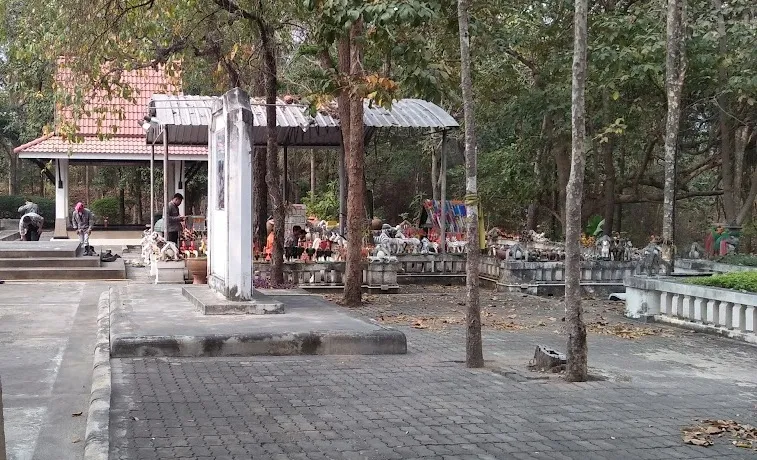
The atmosphere around Chao Pho Nam Dip Shrine is peaceful, simple, and surrounded by nature. Visitors can sense the cool shade of trees and the rural environment that still preserves the character of Ban Nam Dip. The shrine area has not been developed into a large-scale tourist attraction like those in major cities. Instead, it retains the character of a community shrine. This simplicity is an important charm because it allows visitors to encounter local faith in an authentic form, rather than a setting created only for tourism.
The shrine area provides space for lighting incense and candles, placing garlands, and offering items according to local belief. Common offerings include pig’s head, fruits, drinking water, garlands, and other votive items brought by worshippers. When people receive what they have prayed for, they often return to fulfill their vows as an expression of gratitude and sincerity toward Chao Pho Nam Dip. This practice reflects Thai belief culture, which places importance on promises, respect, and the relationship between people and sacred powers.
Each year, the Ban Nam Dip community joins together to hold offering and worship ceremonies for Chao Pho Nam Dip. These ceremonies express gratitude to the sacred guardian believed to protect the community. During such occasions, villagers gather to prepare offerings, clean the shrine area, and take part in the ritual with respect. Beyond its religious meaning, the ceremony also strengthens community ties. It allows younger generations to see local traditions in practice and learn why Chao Pho Nam Dip Shrine has been important to Ban Nam Dip for so long.
For travelers interested in local culture, Chao Pho Nam Dip Shrine offers another perspective on Tak Province. Tak is not only known for waterfalls, mountains, national parks, or routes toward Mae Sot. It also has community shrines, local legends, and memories of old trade routes hidden in its villages. Visiting Chao Pho Nam Dip Shrine is therefore ideal for those who wish to understand local ways of life, folk beliefs, and community-level history, rather than only visiting large and well-known attractions.
The distinctive feature of Chao Pho Nam Dip Shrine is its connection with the old ox-cart route, inter-town trade, and the resting places of travelers in the past. This story gives the shrine a clear local historical dimension because it helps visitors imagine life before motor vehicles became common. People relied on animal power, endurance, and support from fellow travelers. Stopping at Chao Pho Nam Dip was therefore not only a physical rest, but also a symbolic act of entrusting life and property to sacred protection before continuing the journey.
Another reason the shrine carries special meaning is its relationship with the memories of elderly villagers. Older people in Ban Nam Dip often tell stories of the shrine to their children and grandchildren, including stories of offerings before travel, vows made during difficult times, and the sacred power that local people believe in. These oral stories may not all appear in formal historical documents, but they are highly valuable as community memory. They are an important part of local cultural heritage.
Visitors who come to pay respect at Chao Pho Nam Dip Shrine should begin with a calm and respectful attitude. Dress modestly and treat the sacred space with care. Incense and candles should be lit only in the designated area. Offerings should not obstruct walkways. Visitors should avoid loud noise and should not move objects inside the shrine without permission. Photography should be done with restraint, especially when people are worshipping or when community rituals are taking place. Cultural tourism at a site like this should always place respect for the local community first.
Those who wish to make vows or fulfill vows should do so politely and according to local custom. Popular offerings include pig’s head, fruit, drinking water, and garlands, but it is not necessary to bring excessive offerings. What matters most is sincerity, respect, and keeping the area clean after worship. If food or votive offerings are brought, they should be arranged neatly and any items that need to be taken back should be removed after the ritual so the shrine area remains clean and does not become a burden for the community.
Part of the charm of Chao Pho Nam Dip Shrine lies in the journey itself, which allows visitors to see the rural landscape of Tak Province along the way. Wang Prachop Subdistrict still offers views of rice fields, hills, village houses, and a simple rural way of life. Traveling from Tak city to Ban Nam Dip therefore provides a different feeling from visiting only the city center. Visitors can experience a slower rhythm, observe the relationship between communities and landscape, and understand that this shrine exists within the context of village life rather than apart from it.
Getting There to Chao Pho Nam Dip Shrine is most convenient by private car or motorcycle. From Tak city, use the Tak-Sukhothai route or Highway 12 toward Wang Prachop Subdistrict, then turn onto a local road leading to Ban Nam Dip, Village No. 6. The shrine is approximately 30 km. from Tak city. The route is generally accessible, but travelers should check directions before departure, especially when visiting for the first time or during the rainy season, as some local roads may vary in condition depending on weather.
Travelers using public transport can first reach Tak city or Tak Bus Terminal, then continue by local transport, hired vehicle, or rental vehicle to Ban Nam Dip. Traveling by private car offers the greatest flexibility because visitors can stop at nearby points along the way, such as Wat Nam Dip, Wat Nam Dip Khuang, Wang Prachop community areas, or return to Tak city to continue visiting the Four Great Kings City Pillar Shrine, King Taksin The Great Shrine, and Trok Ban Chin on the same day.
The best times to visit Chao Pho Nam Dip Shrine are in the morning or late afternoon, when the weather is not too hot and the atmosphere around the shrine is quiet and suitable for worship. Morning visits offer soft natural light and a clear view of rural life along the route. Evening visits are suitable for those who wish to stop after visiting Tak city or while traveling along the Tak-Sukhothai route. However, travelers returning after dark should be cautious on local roads and prepare their route in advance.
Chao Pho Nam Dip Shrine is suitable for several types of visitors. The first group includes those with faith who wish to pray for blessings. The second group includes travelers interested in local history and folk beliefs. The third group includes visitors who prefer quiet, less crowded trips and want to experience real communities in Tak Province. The site may not offer as many facilities as major tourist attractions, but it has value through its authenticity, simplicity, and continuity of faith within the community.
When planning a visit to Chao Pho Nam Dip Shrine, travelers can make it part of a half-day route from Tak city. Start in the city in the morning, travel to Ban Nam Dip to pay respect at the shrine, visit Wat Nam Dip or nearby community areas, then return to the city for a meal by the Ping River and continue to the Four Great Kings City Pillar Shrine, King Taksin The Great Shrine, or Trok Ban Chin. This route allows a Tak trip to include faith, community history, rural life, and old riverside town atmosphere in one day.
Visitors with a full day can extend the route to natural attractions in Tak Province, such as Lan Sang National Park or routes leading onward to Mae Sot District. However, travel time should be planned carefully because Chao Pho Nam Dip Shrine is located outside the city and requires time to reach. Arranging destinations according to the actual travel route will reduce unnecessary backtracking and make the trip smoother.
The value of Chao Pho Nam Dip Shrine does not lie in the size of its structures, but in the meaning accumulated over time. From a small ox-cart resting point in the past, it became a sacred shrine respected by local people. From the practice of sharing food as offerings to forest and mountain spirits, it became a village ritual that continues through generations. From fears of bandits and dangers along the road, it developed into faith in protection, guardianship, and auspiciousness. The shrine therefore reflects the evolution of belief shaped by real human experience.
From the perspective of cultural preservation, Chao Pho Nam Dip Shrine is an example of local heritage that deserves continuous care. It is a learning site for community beliefs, old travel practices, local trade routes, and living rituals. Appropriate tourism can help make the site better known without damaging its original atmosphere. Visitors should enter with respect, not treating the shrine merely as a photo spot or an unusual place, but as a cultural space with real meaning for local people.
For those who enjoy photography, Chao Pho Nam Dip Shrine offers scenes that reflect faith and nature well, including the shrine area, shaded surroundings, offerings, sacred images, and the natural atmosphere around it. However, visitors should avoid inappropriate photography, such as posing disrespectfully with sacred objects, placing items on the altar for photographs, or photographing people during rituals without permission. Respect for the site and the people of the area is at the heart of cultural travel.
Another interesting point is that Chao Pho Nam Dip Shrine helps visitors understand the difference between a community shrine and a major tourist attraction. Community shrines are often simple, used in real life by local people, and connected with everyday stories more than museum-style displays. Visitors should therefore be open to a simple experience, observe small details, and understand that sacred spaces like this gain their value from continued use and the faith of local people.
Compared with other important places in Tak Province, Chao Pho Nam Dip Shrine has a distinctive charm as a rural folk shrine outside the city, yet one with history connected to travel and an old trade route. While the Four Great Kings City Pillar Shrine and King Taksin The Great Shrine reflect city history and national history, Chao Pho Nam Dip Shrine reflects community history and the beliefs of ordinary travelers. The overall image of Tak becomes more complete when both levels are seen together: the city level and the village level.
For families traveling with children, Chao Pho Nam Dip Shrine can serve as a meaningful place to learn about the past. Parents can explain that people once traveled by ox cart, stopped at resting points, shared food as offerings to sacred guardians, and depended greatly on nature during their journeys. These stories help children understand the lives of earlier generations, appreciate modern roads and transportation, and see that local beliefs often arise from real experiences rather than existing without roots.
Elderly visitors or those who wish to pay respect should choose a time when the weather is not too hot and bring drinking water, a hat, or an umbrella. They should also walk carefully in areas with uneven ground. If visiting during an annual ceremony, travelers should allow extra time and plan parking in advance, as villagers and worshippers may gather in large numbers. Good preparation will make the visit smooth and allow visitors to fully experience the atmosphere of local faith.
In summary, Chao Pho Nam Dip Shrine in Ban Nam Dip, Wang Prachop Subdistrict, Mueang Tak District, is a sacred site with value in faith, local history, and community culture. From an ox-cart resting point in the past, it developed into a spiritual center for villagers and travelers over many generations. Visitors can experience peace, the coolness of nature, and a simple yet profound form of faith. For those traveling to Tak and wishing to understand the province beyond mainstream tourism, Chao Pho Nam Dip Shrine is a meaningful place to visit with respect.
| Place Name | Chao Pho Nam Dip Shrine |
| Location | Village No. 6, Ban Nam Dip, Wang Prachop Subdistrict, Mueang Tak District, Tak Province |
| Address | Ban Nam Dip, Village No. 6, Wang Prachop Subdistrict, Mueang Tak District, Tak Province 63000 |
| Highlights | An Old Sacred Community Shrine In Ban Nam Dip, Connected With The Former Ox-Cart Trade Route Between Tak And Sukhothai And Local Belief In Guardian Spirits Of Forests And Mountains |
| History / Period / Era | Believed To Have Been Established Around 1927. The Area Was Originally A Resting Point For Ox-Cart Travelers Between Tak And Sukhothai Before Developing Into A Sacred Shrine Respected By Local Villagers. |
| Name Origin | The Name Comes From The Belief In “Chao Pho Nam Dip,” A Sacred Guardian Spirit Who Protects The Ban Nam Dip Area And Those Who Travel Through It. |
| Distinctive Features | A Peaceful Community Shrine Surrounded By Nature, With Space For Lighting Incense And Candles, Placing Offerings, And Performing Local Worship Rituals |
| Significance | A Spiritual Center For Ban Nam Dip And Wang Prachop Community, Reflecting Folk Belief, Old Trade Route History, And Living Community Rituals |
| Common Offerings | Incense, Candles, Garlands, Pig’s Head, Fruits, Drinking Water, And Other Offerings According To The Faith Of Worshippers |
| Traditions / Rituals | The Community Holds Offering And Worship Ceremonies For Chao Pho Nam Dip To Express Gratitude, Ask For Protection, And Continue The Local Faith Of Ban Nam Dip. |
| Getting There | From Tak City, Use The Tak-Sukhothai Road Or Highway 12 Toward Wang Prachop Subdistrict, Then Turn Onto A Local Road To Ban Nam Dip. The Shrine Is About 30 Km. From Tak City And Is Accessible By Private Car Or Motorcycle. |
| Current Status | A Sacred Site And Cultural Attraction In Wang Prachop Subdistrict, Open To Local People And Visitors For Worship |
| Open Days | Daily |
| Opening Hours | Open For Worship Throughout The Day |
| Admission Fee | Free Admission |
| Facilities | Worship Area, Offering Area, Resting Space Around The Shrine, And Nearby Parking Space |
| Administrator / Information Contact | Wang Prachop Subdistrict Administrative Organization, Tel. 055-891552 |
| Main Contact Number | 055-891552 |
| Nearby Tourist Attractions | 1. Wat Nam Dip, Approximately 1 Km. 2. Wat Nam Dip Khuang, Approximately 2 Km. 3. Ban Sap Sombun Mai Community Forest, Wang Prachop Subdistrict, Approximately 10 Km. 4. Four Great Kings City Pillar Shrine, Approximately 30 Km. 5. King Taksin The Great Shrine, Approximately 32 Km. 6. Trok Ban Chin, Approximately 33 Km. |
| Nearby Restaurants | 1. Num-Dip CAFE' Ban Nam Dip, Approximately 1 Km. Tel. 091-558-8595 2. Ban Peek Mai Rim Nam Ping Restaurant, Tak, Approximately 29 Km. Tel. 081-456-4286 3. Ban Khiang Nam Restaurant, Tak, Approximately 30 Km. Tel. 081-953-9441, 055-894069 4. Iyarawadee Restaurant, Approximately 31 Km. Tel. 096-636-4542, 094-242-6441 5. Predee Phochana, Approximately 31 Km. Tel. 081-707-3800, 082-595-8145 6. Hia Auan Khao Tom Tor Rung, Approximately 31 Km. Tel. 085-846-1117, 094-081-2954 |
| Nearby Accommodations | 1. Suansin Garden Hotel, Approximately 28 Km. Tel. 055-893-444 2. Tak Andaman Resort Hotel, Approximately 29 Km. 3. Viang Tak Riverside Hotel, Approximately 32 Km. Tel. 055-512-507, 081-887-2905 4. White House Hotel Tak, Approximately 33 Km. Tel. 055-514-444, 099-234-7774 5. The Terrace Homestay Resort, Approximately 34 Km. |
Frequently Asked Questions (FAQ)
Q: Where Is Chao Pho Nam Dip Shrine Located?
A: Chao Pho Nam Dip Shrine is located in Village No. 6, Ban Nam Dip, Wang Prachop Subdistrict, Mueang Tak District, Tak Province, about 30 km. from Tak city.
Q: What Is The History Of Chao Pho Nam Dip Shrine?
A: Chao Pho Nam Dip Shrine is believed to have been established around 1927. The area was originally an ox-cart resting point for travelers trading between Tak and Sukhothai. Travelers made offerings to guardian spirits for protection, and the site later developed into a shrine respected by local people until today.
Q: What Do People Pray For At Chao Pho Nam Dip Shrine?
A: Worshippers commonly pray for good fortune, safe travel, smooth livelihoods, protection from danger, good health, and peace within the family.
Q: Is There An Admission Fee To Visit Chao Pho Nam Dip Shrine?
A: No. Admission is free. Visitors may enter to pay respect, but should behave politely and respect the sacred space.
Q: What Offerings Should Visitors Bring To Chao Pho Nam Dip Shrine?
A: Common offerings include incense, candles, garlands, fruits, drinking water, pig’s head, and other items according to personal belief. Offerings should be placed neatly and visitors should keep the area clean.
Q: How Can Visitors Travel To Chao Pho Nam Dip Shrine?
A: From Tak city, use the Tak-Sukhothai route or Highway 12 toward Wang Prachop Subdistrict, then turn onto a local road to Ban Nam Dip. The shrine can be reached by private car or motorcycle.
Q: What Is The Best Time To Visit Chao Pho Nam Dip Shrine?
A: Morning and late afternoon are the best times to visit because the weather is not too hot, the atmosphere is peaceful, and the route offers pleasant rural scenery.
Q: Where Should Visitors Go After Visiting Chao Pho Nam Dip Shrine?
A: Visitors can continue to Wat Nam Dip, Wat Nam Dip Khuang, the Four Great Kings City Pillar Shrine, King Taksin The Great Shrine, and Trok Ban Chin. These sites can be arranged as a half-day or full-day route from Tak city.
 Category: ●Places of Worship
 Group: ●Other Sacred Sites
Last Update : 4 MonthAgo
 Last Update : 4 MonthAgo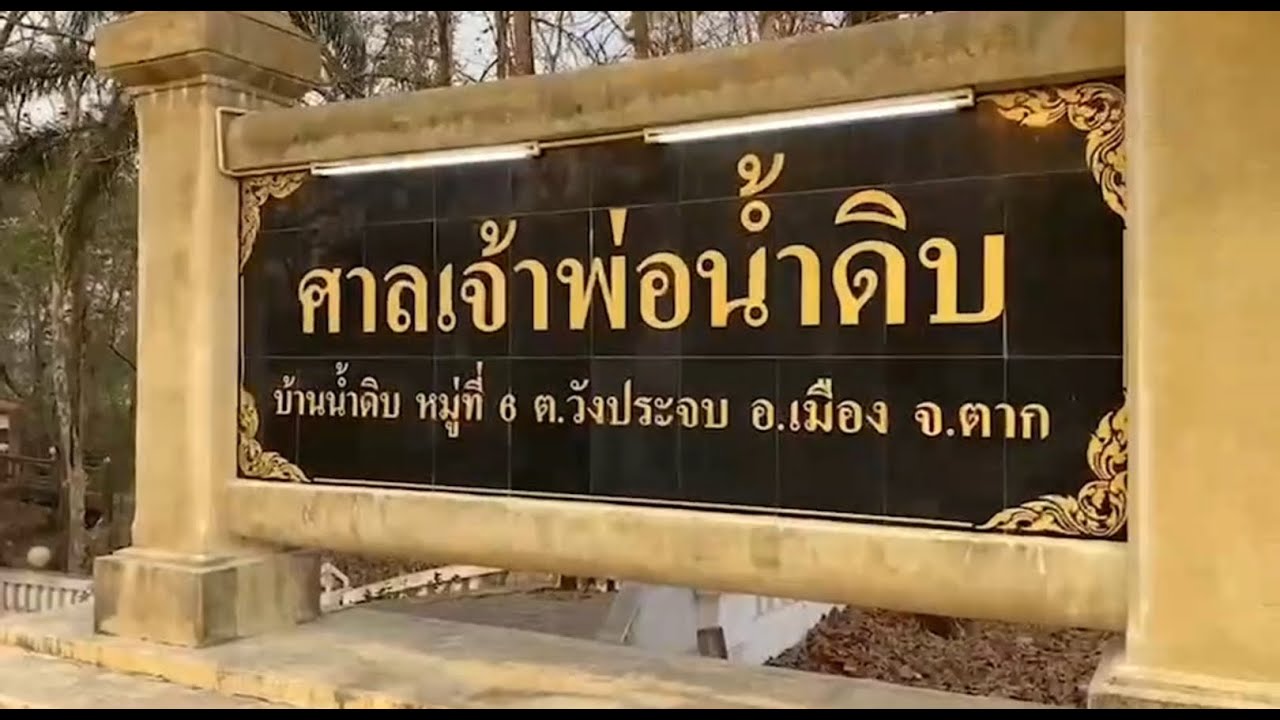
 Click to Access the Navigation Map GPS
Chao Pho Nam Dip Shrine Map
Recommend

 Art, Culture and Heritage
 Historical Sites and Monuments(2)
 Landmarks and Memorials(3)
 Art, Craft Centres, Tradition(6)
 Historic Homes and Cities(2)
 Educational Places
 Educational Gardens, Farm(2)
 Temple(22)
Other Sacred Sites(9)
Temple(22)
Other Sacred Sites(9)
 Suburban Living
 Village, Community(5)
 Local Market(3)
 Nature and Wildlife
 National Parks and Marine Reserves(9)
 Mountain (Doi)(9)
 Dam, Reservoir, Lake(14)
 Waterfalls(23)
 Hot Springs(2)
 Caves(6)
 River, Canal(1)
 Bays and Beaches(1)
 Islands(1)
 Other natural attractions(1)
 Entertainment and Agricultural
 Farms, Parks and Ecotourism(5)
 Outdoor and Adventure Activities(4)


