
lovethailand home >North Travel Attractions >Tak Travel Attractions >Um Phang >Mae Klong > Takobi Cave
TL;DR: Takobi Cave is located at Mae Klong Subdistrict, Umphang District, Tak Province, open Daily, hours 08.00 – 17.00. Highlights include Large limestone cave, high ceiling, descending walkways, multiple internal branches, and beautiful stalactites and stalagmites.
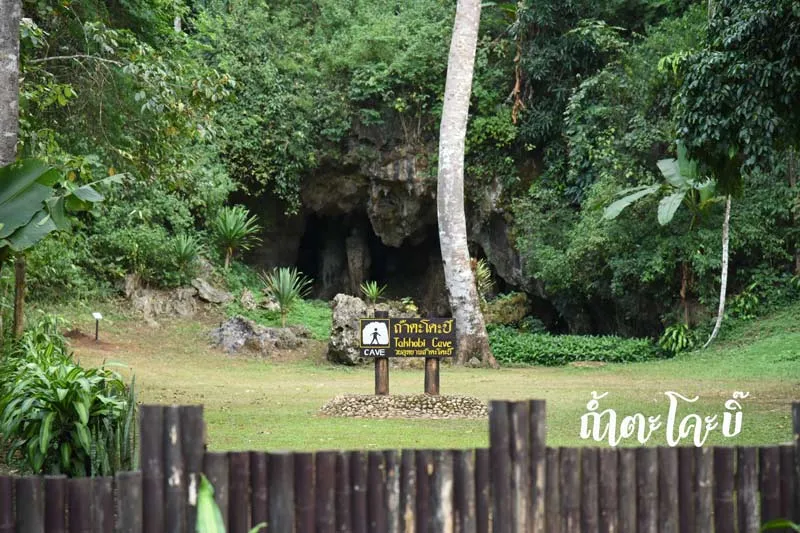
Takobi Cave
Open Days: Daily
Opening Hours: 08.00 – 17.00
Takobi Cave in Tak Province is one of the most interesting natural attractions in Umphang District. Located in Mae Klong Subdistrict, Umphang District, Tak Province, within the Tham Takobi Forest Park area, this large limestone cave is known for its high ceiling, layered descending walkways, multiple internal branches, and beautiful stalactites and stalagmites. It is a suitable destination for travelers who enjoy cave exploration, limestone landscapes, photography, and nature-based travel in one of Thailand’s most remote and scenic districts.
Takobi Cave is often visited together with a trip to Thi Lo Su Waterfall because it lies within the broader Umphang travel route. Many visitors to Umphang plan a multi-activity journey that includes the famous 1,219 curves road, rafting on the Mae Klong River, trekking to Thi Lo Su Waterfall, and exploring Takobi Cave. This makes the cave an important stop for travelers who want to experience more than just waterfalls and forests. It adds the underground landscape of limestone, darkness, and rock formations to the Umphang adventure.
The name “Takobi” comes from the Karen language and is commonly interpreted as “flat mango cave.” It refers to a type of wild mango with a flat fruit that was found around the cave area. This name reflects the close relationship between the cave, local plants, and Karen cultural memory. Visiting Takobi Cave therefore offers not only a natural experience but also a glimpse into the way local people name and understand their landscape through plants, terrain, and everyday surroundings.
The cave itself is large and complex. It has broad walkways descending in levels, several internal branches, high ceilings, and impressive limestone formations. Some areas feel spacious and open, while others require more careful walking. A complete visit may take around 2 hours, depending on the route, cave conditions, and the pace of the group. Because the cave contains several branches, visitors should avoid exploring alone and should follow the recommended route or local guidance.
Stalactites and stalagmites are among the main highlights of Takobi Cave. These formations develop slowly when mineral-rich water moves through limestone and deposits minerals over long periods of time. Some formations rise from the cave floor, while others hang from the ceiling like curtains, columns, or unusual natural sculptures. They are delicate natural features that should never be touched, broken, or climbed on. Even small damage can remain visible for a very long time.
Takobi Cave is also valuable as a geological learning site. Limestone caves reveal the long relationship between water, rock, minerals, and time. The Umphang area is known for mountains, forests, rivers, waterfalls, and karst landscapes. A cave such as Takobi helps visitors understand another layer of this natural environment. The cave is not simply a dark space with beautiful rocks; it is a record of natural processes that have shaped western Thailand for a very long time.
For adventure travelers, Takobi Cave offers a different experience from small and easy caves. The interior has several levels, dim sections, and uneven ground. Visitors should bring a flashlight or headlamp, shoes with good grip, drinking water, and comfortable clothing. It is better to travel in a group, stay on the main route, and avoid entering unknown branches. Those unfamiliar with the cave should ask local officers or guides before entering.
The darkness inside the cave is part of its charm, but also part of its risk. When flashlight beams hit the limestone walls and formations, the shadows create beautiful depth and dramatic natural scenes. However, low visibility also means that visitors must walk slowly, watch their footing, and avoid rushing. A backup light or spare battery is useful, especially for visitors who want to spend time taking photographs inside the cave.
Photography inside Takobi Cave can be highly rewarding. The high cave ceiling, stalactites, stalagmites, rock surfaces, and flashlight reflections create strong visual compositions. Photographers should be careful not to climb on formations, place equipment on fragile rocks, block narrow walkways, or use strong lights in a way that disturbs other visitors. Good cave photography should preserve the cave exactly as it was found.
Takobi Cave is best suited to visitors with moderate physical readiness. Walking through the cave can take time, and the ground may be uneven or damp. It is not as physically demanding as a long jungle trek, but it still requires balance, attention, and caution. Elderly visitors, young children, or those with knee, ankle, or mobility problems should consider visiting only the easier sections and should not push themselves too far inside.
The cave also represents the cultural diversity of Umphang. The Karen-language name shows how local communities understand places through their natural surroundings. Trees, fruits, rivers, mountains, and caves become part of local naming traditions. For visitors, learning the meaning of the name adds depth to the trip and helps connect the cave with the people who have lived around it for generations.
A visit to Takobi Cave should be planned with enough time. Travelers returning from Thi Lo Su Waterfall may stop at the cave if they still have energy and daylight, but those who want to explore the cave properly should allow at least half a day. The cave deserves time for walking, observing, photography, and resting. Rushing through the cave may cause visitors to miss the details of the formations and the atmosphere.
Daytime is the safest period to visit. Although the cave itself is dark, traveling to and from the site is easier and safer during daylight. Visitors should avoid entering the cave in the evening or at night without officers or local guidance because the cave has several branches and the risk of losing direction increases in low visibility.
Getting There usually begins from Umphang town. Follow the route toward Ban Mae Klong or the Mae Klong Mai–Thi Lo Su Waterfall route for about 2–3 km to reach the Tham Takobi Forest Park area. Private cars and motorcycles can be used, but road conditions should be checked during the rainy season. Travelers joining Umphang tours can ask whether Takobi Cave can be included before or after a Thi Lo Su Waterfall program.
Umphang is one of the most famous nature destinations in Tak Province, but getting there requires time and patience because of its winding mountain road. Visitors should plan accommodation, meals, transport, and activities in advance, especially during the peak travel season for Thi Lo Su Waterfall. Takobi Cave is a convenient and meaningful addition to the trip because it is close to Umphang town and offers a completely different landscape from waterfalls and rivers.
The natural area around Takobi Cave is also worth observing. The cave name, meaning flat mango cave, encourages visitors to notice the surrounding forest and local plants. A cave visit can therefore connect with local botany, forest ecology, and community knowledge, not only geology. This makes the site more educational and meaningful for travelers who enjoy slow observation.
Responsible cave travel is essential. Visitors should take all rubbish back with them, avoid leaving food waste or plastic bottles inside the cave, avoid loud noise, avoid writing on the cave walls, and never break or remove rock formations. Caves are fragile environments that recover very slowly from human damage. Every visitor has a role in keeping the cave in good condition.
Useful items include a flashlight or headlamp for each visitor, non-slip shoes, drinking water, comfortable clothing, and a personal waste bag. Photographers should keep their equipment compact so that it does not interfere with safe movement. Visitors should tell others in the group before moving to a different section and should avoid unfamiliar passages.
Takobi Cave is conveniently located near restaurants and accommodations in Umphang town. Travelers can stay in town, use local resorts, or join tour operators that arrange rafting and Thi Lo Su Waterfall programs. After the cave visit, travelers can return to town for meals or continue to nearby attractions such as Wat Mai Sak Thong, Tham Pla, bamboo bridges, or the Mae Klong River rafting route.
Overall, Takobi Cave is a distinctive natural attraction that combines beauty, mystery, and cultural meaning. Its strengths include a large limestone chamber, high ceiling, beautiful stalactites and stalagmites, layered walkways, multiple cave branches, the Karen meaning of its name, and its convenient location within the Umphang travel route. With proper preparation, careful walking, and respect for nature, Takobi Cave is one of the most worthwhile stops in Umphang, Tak Province.
| Name | Takobi Cave |
| Location | Mae Klong Subdistrict, Umphang District, Tak Province |
| Address | Takobi Cave, Mae Klong Subdistrict, Umphang District, Tak 63170, Thailand |
| Coordinates | Approx. 16.0532, 98.8190006 |
| Highlights | Large limestone cave, high ceiling, descending walkways, multiple internal branches, and beautiful stalactites and stalagmites |
| History / Importance | An important natural attraction in Umphang District, located within the Tham Takobi Forest Park area and often visited as part of the Thi Lo Su Waterfall travel route |
| Name Origin | Takobi is a Karen word meaning “flat mango cave,” referring to a type of wild mango with flat fruit found around the cave area |
| Distinctive Features | A large limestone cave with broad descending passages, high ceiling, several branches, and varied limestone formations |
| Travel Information | From Umphang town, take the route toward Ban Mae Klong or the Mae Klong Mai–Thi Lo Su Waterfall route for about 2–3 km to reach the Tham Takobi Forest Park area |
| Current Status | A natural attraction within the Tham Takobi Forest Park area in Umphang District, Tak Province |
| Open Days | Daily |
| Opening Hours | 08.00 – 17.00 |
| Facilities | Parking area, toilets near the tourist area, and resting space near the cave entrance; visitors should bring a flashlight, non-slip shoes, and drinking water |
| Main Areas / Zones | Cave entrance, main cave chamber, descending walkways, internal cave branches, stalactite and stalagmite areas, and surrounding forest park area |
| Caretaker | Tham Takobi Forest Park and local authorities in Mae Klong Subdistrict, Umphang District |
| Main Contact Number | Umphang Tourism Coordination Center, Tel. 055-577-318, 085-450-8983 / Mae Klong Subdistrict Municipality, Tel. 055-561-444 |
| Official Website / Official Page | Mae Klong Subdistrict Municipality: www.maeklong.go.th and Tourism Authority of Thailand |
| Nearby Tourist Attractions | 1. Umphang town, about 3 km 2. Wat Mai Sak Thong, about 5 km 3. Tham Pla, about 6 km 4. Umphang bamboo bridge, about 7 km 5. Thi Lo Su Waterfall, about 30 km 6. Mae Klong River rafting route, about 5 km 7. Ban Mae Klong Mai, about 4 km |
| Nearby Restaurants | 1. Khrua Khon Ban Hao, about 5 km, Tel. 086-120-7290 2. Khrua Umphang, about 4 km 3. Krua Pa Nee, about 4 km, Tel. 089-676-3721 4. Ban Kru Sun, about 5 km, Tel. 055-561-342, 087-846-4501 5. Cheewa Doi, about 4 km, Tel. 055-561-176 6. Ban Suan Krua, about 6 km, Tel. 086-989-0577 |
| Nearby Accommodations | 1. Umphang Buri Resort, about 4 km, Tel. 055-561-576, 063-989-4555, 095-360-8209 2. Theelorsu Riverside, about 5 km, Tel. 089-832-1455, 089-016-5666, 055-809-035 3. Siang Zueng Resort Umphang, about 5 km, Tel. 080-502-8999 4. Ban Buppachat Resort Umphang, about 5 km, Tel. 080-502-8999 5. Ban Jiranan, about 4 km 6. Vela Resort Umphang, about 4 km |
Frequently Asked Questions (FAQ)
Q: Where is Takobi Cave located?
A: Takobi Cave is located in Mae Klong Subdistrict, Umphang District, Tak Province, within the Tham Takobi Forest Park area.
Q: What does the name Takobi mean?
A: Takobi is a Karen word meaning “flat mango cave,” referring to a type of wild mango with flat fruit found around the cave.
Q: What are the highlights of Takobi Cave?
A: The cave is known for its large limestone chamber, high ceiling, descending walkways, multiple internal branches, and beautiful stalactites and stalagmites.
Q: How long does it take to explore Takobi Cave?
A: A detailed cave visit may take about 2 hours, depending on the route, conditions, and the readiness of the group.
Q: Can Takobi Cave be visited together with Thi Lo Su Waterfall?
A: Yes. It is commonly included in the Umphang travel route and can be visited before or after a trip to Thi Lo Su Waterfall.
Q: What should visitors bring to Takobi Cave?
A: Visitors should bring a flashlight or headlamp, non-slip shoes, drinking water, comfortable clothing, and a personal waste bag.
Q: Is Takobi Cave suitable for children and elderly visitors?
A: It is suitable only for visitors who can walk steadily because the cave has uneven ground, several levels, and dim sections.
Q: What nearby places can be visited with Takobi Cave?
A: Nearby places include Umphang town, Wat Mai Sak Thong, Tham Pla, Umphang bamboo bridge, Mae Klong River rafting route, and Thi Lo Su Waterfall.
 Category: ●Nature and Wildlife
 Group: ●Caves
Last Update : 4 MonthAgo
 Last Update : 4 MonthAgo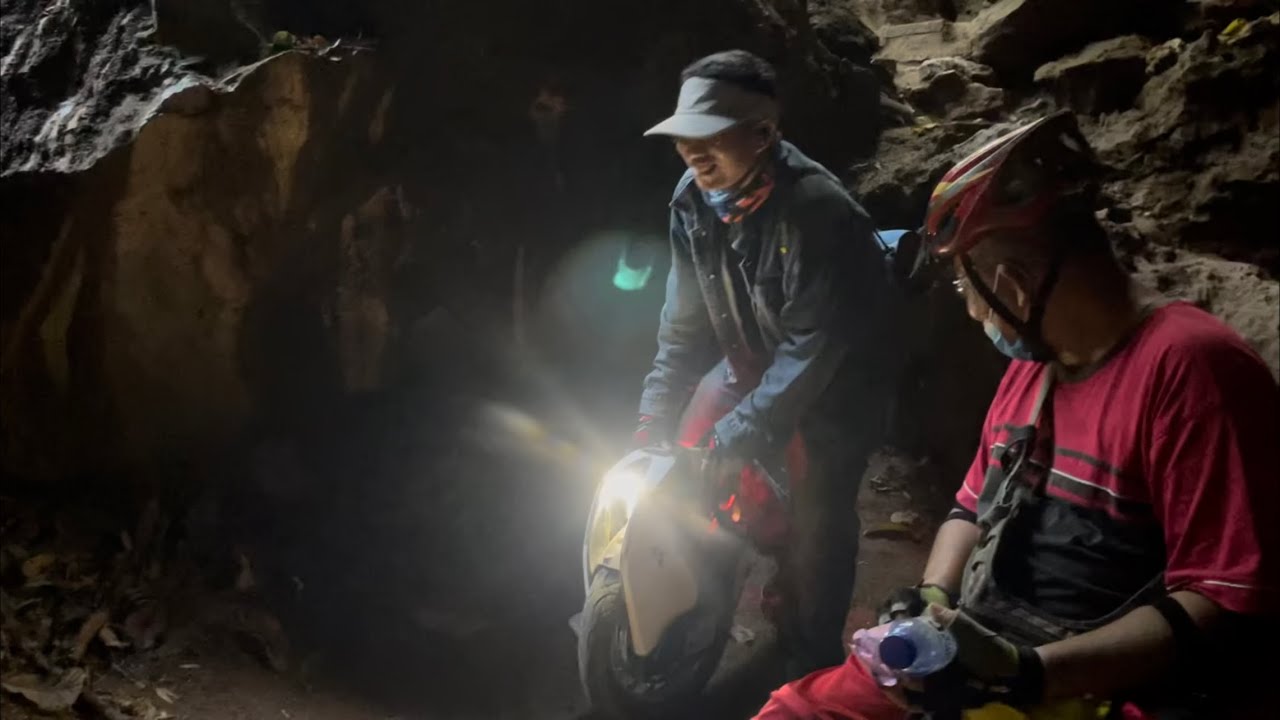
 Click to Access the Navigation Map GPS
Takobi Cave Map
Recommend

 Art, Culture and Heritage
 Historical Sites and Monuments(2)
 Landmarks and Memorials(3)
 Art, Craft Centres, Tradition(6)
 Historic Homes and Cities(2)
 Educational Places
 Educational Gardens, Farm(2)
 Places of Worship
 Temple(22)
 Other Sacred Sites(9)
 Suburban Living
 Village, Community(5)
 Local Market(3)
 National Parks and Marine Reserves(9)
 Mountain (Doi)(9)
 Dam, Reservoir, Lake(14)
 Waterfalls(23)
 Hot Springs(2)
Caves(6)
Hot Springs(2)
Caves(6)
 River, Canal(1)
 Bays and Beaches(1)
 Islands(1)
 Other natural attractions(1)
 Entertainment and Agricultural
 Farms, Parks and Ecotourism(5)
 Outdoor and Adventure Activities(4)


