
lovethailand home >North Travel Attractions >Tak Travel Attractions >Mae Sot >Pha Wo > Hill Tribe House
TL;DR: Hill Tribe House is located at Phawo Subdistrict, Mae Sot District, Tak Province, open The community area can be visited daily, hours Daytime visits are recommended; contact the local subdistrict office or.
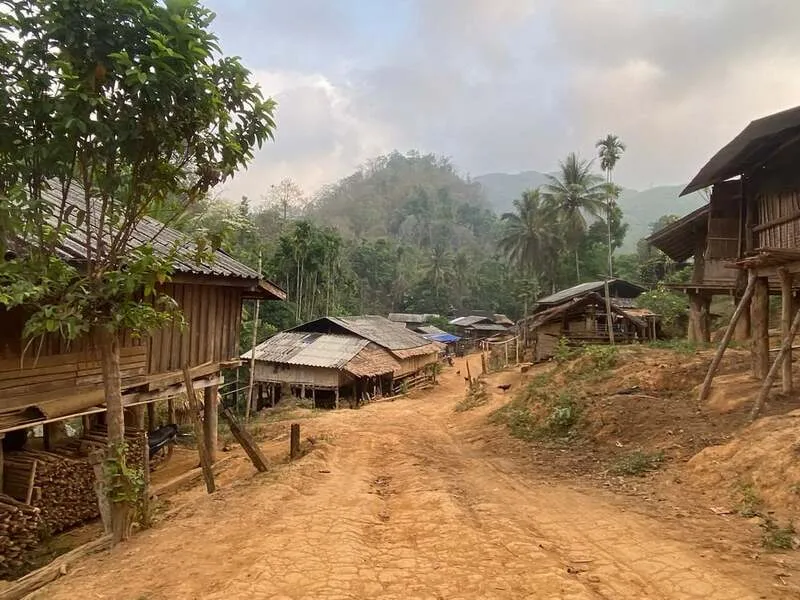
Hill Tribe House
Open Days: The community area can be visited daily
Opening Hours: Daytime visits are recommended; contact the local subdistrict office or community leaders before an in-depth visit
Hill Tribe Villages at Ban Sam Muen Thung and Ban Pang Sang Kham in Tak Province are highland communities in Phawo Subdistrict, Mae Sot District. Ban Sam Muen Thung is Village No. 4, while Ban Pang Sang Kham is Village No. 5. These communities are known for their mountain setting, ethnic diversity, and traditional ways of life. The area is home to several highland groups, especially Lisu, Karen, and Lahu communities, who live among forests, hills, farms, and cool mountain air. For travelers who want to understand Tak Province beyond temples, markets, and border trade, these villages offer a meaningful cultural and natural experience.
The value of Ban Sam Muen Thung and Ban Pang Sang Kham lies in the relationship between people and mountains. Houses, farmland, local paths, clothing, food, handicrafts, languages, and seasonal activities all show how highland communities adapt to their environment. These villages are not staged tourist attractions. They are living communities where people work, farm, raise families, hold ceremonies, and preserve their own cultural identities. Visitors should therefore approach the area with respect, patience, and cultural sensitivity.
Ban Sam Muen Thung and Ban Pang Sang Kham are located in Phawo Subdistrict, Mae Sot District, Tak Province. The area is mountainous and connected with several highland communities. Access roads may vary in condition depending on the season. During the rainy season, some sections can become slippery or muddy, while the cool and dry seasons are generally more convenient for travel. Visitors planning to enter the villages should check road conditions in advance and use a vehicle suitable for mountain roads.
These villages are official local communities, not simply tourist labels. They appear in public administrative and health-service data as villages in Phawo Subdistrict. This means that the area has real village life, local administration, community facilities, schools, religious sites, and households. Travel writing about the area should therefore recognize both its tourism potential and its role as a place where people live. The best visit is one that respects local routines and supports the community rather than disrupting it.
The Lisu community is known for its colorful clothing, textile traditions, and highland farming knowledge. Lisu dress often uses bright colors and distinctive decorative patterns, reflecting identity, taste, family background, and ceremonial meaning. The community is also associated with the cultivation of cool-climate vegetables such as mustard greens, lettuce, garlic, and seasonal crops. These agricultural activities are part of household livelihoods and connect the community directly with the mountain environment.
The Karen or Pgaz K’Nyau community is closely associated with forests, mountains, cotton weaving, bamboo craft, and a way of life that emphasizes balance with nature. Karen textiles, especially woven cotton garments and striped patterns, are well known in many parts of northern and western Thailand. In village life, weaving is not only a craft but also a form of cultural transmission. It reflects skill, patience, identity, and the relationship between generations.
The Lahu or Muser community is another important highland group in Tak Province. Lahu communities are often linked with mountain agriculture, coffee cultivation, cool-climate fruit, and seasonal crops. In suitable highland areas, crops such as coffee, plum, avocado, and vegetables can become part of local livelihoods. Coffee in particular has become one of the products that connects highland communities with visitors, cafés, and markets along the Tak–Mae Sot mountain route.
The charm of Ban Sam Muen Thung and Ban Pang Sang Kham is not based on large monuments or formal tourist facilities. It comes from everyday life. Some houses are built with local wood, bamboo, or other practical materials. Roofs and walls reflect what is available and suitable for the mountain climate. The layout of homes and farms follows the terrain, paths, slopes, and community needs. These details help visitors see how highland living is shaped by both culture and environment.
The landscape around the villages includes mountains, forested slopes, farmland, streams, and highland paths. During the rainy season and early cool season, the area becomes especially green. In winter, the air is cooler and more comfortable for walking, photography, and cultural visits. Morning is often the best time to experience the atmosphere because the light is soft, the weather is fresh, and mist may appear along the hills on some days.
Travel in this area is most suitable for visitors interested in culture, nature, and responsible community-based experiences. Possible activities include walking through the village, learning about highland farming, watching weaving demonstrations, seeing bamboo craft, tasting local food, drinking freshly roasted coffee, and exploring nearby nature trails where the community allows access. These activities should be arranged with local guidance rather than assumed to be available at all times.
Weaving demonstrations can help visitors understand the importance of women’s knowledge and intergenerational skill in highland communities. A handwoven textile requires time, concentration, and experience. Its colors and patterns are not merely decorative; they are connected with memory, identity, and cultural beauty. Visitors who buy textiles or handicrafts from local makers should value the labor behind them and avoid bargaining in a way that devalues handmade work.
Local food is another meaningful way to experience the villages. Highland meals often use fresh vegetables, seasonal ingredients, herbs, rice, chilies, and simple cooking methods. The flavor comes from freshness rather than complexity. Visitors who join a local meal or food activity should respect the host, communicate dietary limitations in advance, and treat the experience as part of cultural learning rather than as a commercial meal alone.
Coffee is also part of the wider highland identity of Tak Province. In areas where Lahu and other highland communities grow coffee, the crop reflects the relationship between altitude, climate, soil, and community labor. Drinking freshly roasted coffee near the source allows travelers to understand that each cup is linked to mountain ecology and the people who cultivate the land. It is one of the simplest but most direct ways to connect with the place.
Important traditions in the area include Lisu New Year, Lahu New Year, and Karen merit-making events. During these occasions, villagers may wear traditional clothing, gather with families, prepare food, perform rituals, and celebrate community identity. If visitors are invited to observe such events, they should follow local instructions, avoid entering ritual spaces without permission, and refrain from intrusive photography. These ceremonies are part of community life, not performances created only for tourists.
Ban Sam Muen Thung also has nearby points of interest connected with religion and nature. Wat Pa Ban Muser Sam Muen Thung is a local religious site, while Pa Mak Waterfall has been mentioned in local information as a natural attraction near Ban Sam Muen Thung within the Khun Phawo National Park area. These places allow travelers to combine village learning with nature and local spiritual life, provided that they check access and conditions before traveling.
Ban Pang Sang Kham is Village No. 5 of Phawo Subdistrict and is recognized in public mapping and administrative data. The community is associated with mountain settlement and Karen or Pgaz K’Nyau cultural presence in the area. Travelers should plan carefully before visiting because some routes can be difficult during the rainy season. A suitable vehicle, updated road information, and local coordination will make the visit safer and more respectful.
Travelers can reach the Phawo Subdistrict area from Mae Sot and continue toward the highland villages by local roads. Some routes may also connect with Mae Ramat or Tha Song Yang depending on the direction of travel and the chosen itinerary. The drive offers mountain views, forests, farms, and scattered villages. It is a scenic route, but safety should be prioritized over speed.
Getting There is best done by private car, pickup truck, or a vehicle suitable for mountain roads. Travelers can start from Mae Sot District, enter Phawo Subdistrict, and continue toward Ban Sam Muen Thung and Ban Pang Sang Kham using local routes. Those unfamiliar with the area should contact the Phawo Subdistrict Administrative Organization, local leaders, or residents before traveling. During the rainy season, visitors should avoid entering difficult routes after heavy rain.
Respect for the community is essential. Visitors should not enter homes or private spaces without permission. They should ask before taking photographs of people, especially children, elders, or anyone wearing traditional dress. They should not touch ritual objects, tools, or household items without being invited. Cultural travel is meaningful only when local people feel respected and safe.
Activities such as weaving demonstrations, cooking, forest walks, or joining festivals should be arranged in advance. Visitors should not arrive expecting that the community will always be ready to host activities. Village life depends on farming seasons, family responsibilities, local ceremonies, and community schedules. Advance coordination helps both visitors and villagers prepare properly.
For overnight stays, visitors should use accommodation recommended by the community or local authorities. If confirmed village accommodation is not available, staying in Mae Sot and visiting the villages as a day trip is a practical option. Mae Sot offers more hotels, restaurants, transport services, and travel facilities, while the villages are better visited during daylight hours.
Nature lovers may enjoy the landscape around Phawo Subdistrict, including forests, streams, farmland, and nearby waterfalls. Pa Mak Waterfall is connected with the Ban Sam Muen Thung area and Khun Phawo National Park. Visitors who want to enter forest or waterfall areas should contact local officials or park staff first to check road conditions, safety, and regulations.
The area is also valuable for learning about ethnic diversity in Tak Province. Tak is home to many communities, including local Thai groups, Karen, Hmong, Lisu, Lahu, and others. Understanding Tak means looking beyond temples, waterfalls, and border trade to include highland villages that form an important part of the province’s social and cultural landscape. Ban Sam Muen Thung and Ban Pang Sang Kham help complete that picture.
Responsible travel can directly support local communities. Visitors can buy local products, hire local guides if available, use community services, follow village rules, and share accurate information about the area. Good tourism should not create pressure on the community. It should help preserve local culture, support livelihoods, and encourage respect for the surrounding environment.
The best season to visit is generally from the late rainy season into the cool season. The mountains are green, the air is fresh, and travel is usually easier than during heavy rain. Cultural events may offer a special opportunity to see traditional dress and ceremonies, but dates should always be checked with the community because festival timing can depend on local calendars and internal village schedules.
Travelers should prepare comfortable walking shoes, warm clothing in the cool season, personal medicine, drinking water, cash, and basic supplies. Mobile phone or internet signals may not be stable in all areas. Fuel should be filled before entering mountain routes, and someone should be informed about the travel plan when visiting remote areas.
Ban Sam Muen Thung and Ban Pang Sang Kham are ideal for travelers who seek real highland community experiences rather than conventional tourist facilities. The value of these villages comes from simplicity, ethnic diversity, mountain farming, local knowledge, and the surrounding natural landscape. Visitors who arrive with respect and preparation will gain a deeper understanding of Tak Province and its highland communities.
Overall, the hill tribe villages of Ban Sam Muen Thung and Ban Pang Sang Kham reflect a beautiful and sensitive side of Tak Province. They bring together Lisu, Karen, and Lahu cultures, mountain scenery, highland agriculture, coffee, food traditions, textiles, handicrafts, and living community knowledge. With careful planning and respectful conduct, a visit here can become one of the most meaningful cultural and nature experiences in western Thailand.
| Name | Hill Tribe Villages, Ban Sam Muen Thung and Ban Pang Sang Kham |
| Location | Phawo Subdistrict, Mae Sot District, Tak Province |
| Address | Village No. 4 Ban Sam Muen Thung and Village No. 5 Ban Pang Sang Kham, Phawo Subdistrict, Mae Sot District, Tak Province 63110 |
| Highlights | Highland communities of Lisu, Karen, and Lahu people, surrounded by mountains, farms, textiles, bamboo craft, coffee, local food, and traditional village life |
| Main Ethnic Groups | Lisu, Karen, and Lahu |
| Distinctive Features | Highland village houses, mountain farming, cool-climate vegetables, weaving, bamboo handicrafts, coffee, seasonal fruit, and mountain scenery |
| Traditions / Community Activities | Lisu New Year, Lahu New Year, Karen merit-making events, weaving demonstrations, local cooking, coffee learning, and community-approved nature walks |
| Travel Information | Travel from Mae Sot into Phawo Subdistrict and continue by local mountain roads. A private car, pickup truck, or suitable mountain-road vehicle is recommended. Contact local authorities or community leaders before visiting. |
| Current Status | Living highland communities in Phawo Subdistrict. Visitors should coordinate with local authorities or community leaders before in-depth visits. |
| Open Days | The community area can be visited daily |
| Opening Hours | Daytime visits are recommended; contact the local subdistrict office or community leaders before an in-depth visit |
| Facilities | Local community areas, village routes, natural surroundings, religious spaces, and basic services in Phawo Subdistrict. Visitors should prepare personal supplies and cash. |
| Main Areas / Zones | Ban Sam Muen Thung, Ban Pang Sang Kham, Wat Pa Ban Muser Sam Muen Thung, highland farming areas, village nature routes, and community points in Phawo Subdistrict |
| Caretaker / Information Contact | Phawo Subdistrict Administrative Organization, Tel. 055-595-001 |
| Nearby Tourist Attractions | 1. Wat Pa Ban Muser Sam Muen Thung, about 1 km 2. Pa Mak Waterfall, Ban Sam Muen Thung, about 5 km 3. Khun Phawo National Park, about 25 km 4. Chao Pho Phawo Shrine, about 30 km 5. Ban Pu Pae, Phawo Subdistrict, about 35 km 6. Rim Moei Market, Mae Sot, about 45 km |
| Nearby Restaurants | 1. Local Food Shops in Ban Sam Muen Thung and Ban Pang Sang Kham, about 1 km 2. Local Restaurants and Shops in Phawo Subdistrict, about 25 km 3. Pla Sod Mueang Chot Restaurant, about 45 km, Tel. 089-839-1747 4. The Happy Café, about 45 km, Tel. 092-591-2777 5. Khaomao-Khaofang Mae Sot, about 47 km, Tel. 065-242-2248, 081-443-8141 6. Borderline Tea Garden, about 48 km, Tel. 055-546-584, 093-719-6598 |
| Nearby Accommodations | 1. Community Accommodation in Ban Sam Muen Thung and Ban Pang Sang Kham Area, about 1 km 2. Centara Life Hotel Mae Sot, about 46 km, Tel. 055-532-601 to 055-532-608 3. B2 Mae Sot Boutique & Budget Hotel, about 47 km, Tel. 1328, 055-030-515 4. HOP INN Mae Sot Building A, about 47 km, Tel. 02-080-2222 5. Irawadee Resort, about 48 km, Tel. 055-535-430 6. J2 Hotel Maesot, about 48 km, Tel. 055-536-161, 085-090-4111 |
Frequently Asked Questions (FAQ)
Q: Where are Ban Sam Muen Thung and Ban Pang Sang Kham located?
A: Ban Sam Muen Thung is Village No. 4 and Ban Pang Sang Kham is Village No. 5 in Phawo Subdistrict, Mae Sot District, Tak Province.
Q: Which ethnic groups live in these hill tribe villages?
A: The area is associated with Lisu, Karen, and Lahu communities, each with distinct clothing, crafts, farming practices, food traditions, and cultural identity.
Q: Who should visitors contact before visiting?
A: Visitors should contact the Phawo Subdistrict Administrative Organization at 055-595-001 or coordinate with local community leaders before an in-depth visit, especially during the rainy season.
Q: How can travelers get to Ban Sam Muen Thung and Ban Pang Sang Kham?
A: Travelers should start from Mae Sot, enter Phawo Subdistrict, and continue by local mountain roads. A private car, pickup truck, or vehicle suitable for mountain routes is recommended.
Q: When is the best time to visit these highland villages?
A: The late rainy season through the cool season is generally the best time because the mountains are green, the air is comfortable, and travel conditions are usually better than during heavy rain.
Q: What activities can visitors experience in the communities?
A: Suitable activities include village walks, weaving demonstrations, local cooking, coffee tasting, bamboo craft learning, and nature walks on routes approved by the community.
Q: What should travelers be careful about when visiting?
A: Visitors should respect private homes, ask before taking photos of people, avoid entering ritual areas without permission, and avoid mountain roads after heavy rain if they are not familiar with the route.
Q: What nearby places can be visited with these villages?
A: Nearby places include Wat Pa Ban Muser Sam Muen Thung, Pa Mak Waterfall, Khun Phawo National Park, Chao Pho Phawo Shrine, Ban Pu Pae, and Rim Moei Market in Mae Sot.
 Category: ●Suburban Living
 Group: ●Village, Community
Last Update : 4 MonthAgo
 Last Update : 4 MonthAgo
 Click to Access the Navigation Map GPS
 Art, Culture and Heritage
 Historical Sites and Monuments(2)
 Landmarks and Memorials(3)
 Art, Craft Centres, Tradition(6)
 Historic Homes and Cities(2)
 Educational Places
 Educational Gardens, Farm(2)
 Places of Worship
 Temple(22)
 Other Sacred Sites(9)
Village, Community(5)
Other Sacred Sites(9)
Village, Community(5)
 Local Market(3)
 Nature and Wildlife
 National Parks and Marine Reserves(9)
 Mountain (Doi)(9)
 Dam, Reservoir, Lake(14)
 Waterfalls(23)
 Hot Springs(2)
 Caves(6)
 River, Canal(1)
 Bays and Beaches(1)
 Islands(1)
 Other natural attractions(1)
 Entertainment and Agricultural
 Farms, Parks and Ecotourism(5)
 Outdoor and Adventure Activities(4)


