
TL;DR: Yokhee Cave is located at Moo 4, Ban Na Subdistrict, Sam Ngao District, Tak Province, open Depending on boat and raft tour schedules at Bhumibol Dam, hours Daytime visits are recommended; travelers should contact a boat or raft.
Yokhee Cave
Open Days: Depending on boat and raft tour schedules at Bhumibol Dam
Opening Hours: Daytime visits are recommended; travelers should contact a boat or raft operator before departure
Yokhee Cave in Tak Province is a natural and spiritual attraction located in Moo 4, Ban Na Subdistrict, Sam Ngao District. Set along the boat and raft route above Bhumibol Dam, the cave is known for its limestone formations, stalactites, stalagmites, local legends about a hermit, the former Pa Kha community, and a small footprint-like sacred mark above the cave that has been protected by a small shrine. Yokhee Cave is suitable for travelers who want more than a conventional cave visit. The journey itself is part of the experience, as visitors must travel by boat or raft through the wide reservoir landscape of Bhumibol Dam, surrounded by mountains, forest, and the quiet atmosphere of western Thailand.
The cave has gradually attracted more attention among nature travelers and rafting groups. Local information describes Yokhee Cave as a cave that had been closed for a long time before its entrance was rediscovered. Its appeal comes not only from the beauty inside the cave, but also from the sense of reaching a hidden place within a limestone and reservoir landscape. Traveling by water adds depth to the journey. Visitors first experience the vast water surface of Bhumibol Dam, then approach the cave area, and finally enter a quieter world of rock formations, shadows, local beliefs, and natural silence.
Geologically, Yokhee Cave is notable for its limestone formations. Stalactites and stalagmites form slowly when mineral-rich water passes through limestone and deposits minerals inside the cave over long periods of time. These formations are evidence of natural processes that take many years to develop. For this reason, visitors should avoid touching, breaking, or climbing on cave formations. Even small damage can affect the long-term growth and appearance of the cave. The best way to appreciate the cave is to observe carefully, take respectful photographs, and leave the natural formations untouched.
The cultural story of Yokhee Cave adds another layer of meaning. According to local accounts, the cave was once associated with a hermit or ascetic figure who used the cave as a place of retreat, meditation, and spiritual practice. The name “Yokhee” reflects this image of a seeker who lived quietly in a cave surrounded by nature. This makes the cave more than a geological attraction. It becomes a place connected with silence, discipline, solitude, and local imagination about spiritual life in the past.
Near the cave, local stories also mention a small former community called Pa Kha. This gives the area a deeper human context. Yokhee Cave was not simply an isolated hollow in the mountain, but part of a landscape where people, forest, water, and belief were connected. Such stories help travelers understand that the value of the cave is not limited to what can be seen physically. It also includes memory, belief, and the relationship between local people and the landscape around Bhumibol Dam.
One of the key highlights of Yokhee Cave is the small sacred footprint-like mark found on the rock above the cave. A small shrine was later built to protect it and provide a place for visitors to pay respect. This feature gives Yokhee Cave both natural and spiritual significance. Travelers visiting the shrine area should behave respectfully, avoid loud noise, dress appropriately, and treat the site as a place of local faith rather than merely a photo stop.
Inside the cave, the atmosphere is cool, quiet, and different from the bright reservoir landscape outside. Natural light entering from the cave mouth or openings may create dramatic shadows on the rock surfaces and make the formations appear more dimensional. For photographers, Yokhee Cave offers interesting compositions of rock textures, natural light, cave walls, and the sacred atmosphere of the site. Photography should be done carefully, without damaging the formations or disturbing other visitors.
Yokhee Cave is best suited to travelers who enjoy journeys with a story. The route does not begin at the cave entrance. It begins with a boat or raft trip across Bhumibol Dam, one of Thailand’s important reservoirs. The wide water, surrounding mountains, and calm natural atmosphere make the journey feel like an approach to a hidden place in the hills. Travelers who have never experienced rafting on Bhumibol Dam will see a side of Tak Province that is very different from road travel and urban attractions.
Traveling to Yokhee Cave requires planning. The main access is by boat or raft from the Bhumibol Dam area, so visitors should contact a local operator before traveling. It is important to check the water level, weather, travel duration, departure point, and return schedule. Local information states that the cave is about 25 km from Bhumibol Dam, although some raft routes may describe a different distance depending on the departure point and itinerary. Planning with an experienced local operator is therefore essential for safety and convenience.
Daytime travel is strongly recommended. Morning or late morning departures allow enough time for the boat or raft journey, cave visit, footprint shrine, photography, and return trip without rushing. During the rainy season, travelers should be especially careful because heavy rain may affect water travel and walking conditions near the cave. The cool season is often more comfortable for rafting, sightseeing, and exploring the cave environment.
Useful items for a Yokhee Cave trip include non-slip shoes, a flashlight, drinking water, a hat, sun protection, a windbreaker, waterproof bags for phones and cameras, and personal medication if needed. Since the trip may take several hours depending on the raft or boat program, being well prepared will make the journey more comfortable and safer. Travelers should also follow the safety instructions of the boat or raft operator, especially when boarding, disembarking, and moving near the water.
Yokhee Cave is valuable as a learning destination. From a geological perspective, visitors can learn about limestone caves, stalactites, stalagmites, and long-term landscape formation. From a cultural perspective, the cave introduces local beliefs about hermits, sacred footprints, and the building of a shrine above the cave. From a community tourism perspective, the route shows the role of local raft operators, Ban Na Subdistrict, and Bhumibol Dam tourism in helping visitors access a remote natural site.
Responsible travel is essential in Yokhee Cave. Visitors should not write on cave walls, break rock formations, leave rubbish, make excessive noise, or take natural objects from the cave. The cave ecosystem is fragile and develops slowly. Travelers should leave only footprints in designated areas and take away only photographs and memories. Respecting both the natural and spiritual character of the site helps preserve Yokhee Cave for future visitors.
To make the trip more complete, Yokhee Cave can be combined with other attractions around Bhumibol Dam, such as Khun Saichol Villa, Wat Phra Borommathat Kaeng Soi, Hat Mae Ping, Wat Chonprathan Rangsan, and reservoir viewpoints. Some travelers may include the cave in a half-day raft trip, while others may choose an overnight raft experience to enjoy sunset, morning mist, and the peaceful atmosphere of the reservoir. The Bhumibol Dam area changes beautifully throughout the day, making it suitable for families, photographers, and travelers who enjoy quiet nature.
The cave is especially appealing to visitors who prefer calm and meaningful places rather than crowded tourist areas. Its main attractions are silence, cave shadows, natural formations, the hermit legend, and the small shrine above the cave. Those interested in photography can spend time observing rock textures and natural light. Those interested in spirituality can pay respect at the shrine. Those interested in nature can connect the cave experience with the broader reservoir landscape.
Unlike caves that can be reached directly by road, Yokhee Cave offers a stronger sense of discovery because visitors must travel by water. The journey across the reservoir creates a transition from everyday surroundings into a quieter natural world. By the time visitors arrive at the cave area, the stories of the hermit, the former Pa Kha community, and the sacred footprint feel more connected to the landscape. This is the special character that makes Yokhee Cave different from many other cave attractions in Tak Province.
Overall, Yokhee Cave is a distinctive destination for travelers who want to combine Bhumibol Dam rafting, limestone cave scenery, local belief, and spiritual heritage in one trip. Its highlights include beautiful stalactites and stalagmites, the hermit legend, the former Pa Kha community, the small footprint shrine above the cave, and the water-based journey required to reach the site. It is not simply a cave, but a travel experience shaped by nature, faith, silence, and the hidden landscapes of Tak Province.
| Name | Yokhee Cave |
| Location | Moo 4, Ban Na Subdistrict, Sam Ngao District, Tak Province |
| Address | Ban Na Subdistrict, Sam Ngao District, Tak 63130, Thailand, along the raft and boat route above Bhumibol Dam |
| Highlights | Limestone cave, stalactites, stalagmites, hermit legend, former Pa Kha community, small sacred footprint above the cave, and a shrine for worship |
| History / Importance | A cave that had been closed for a long time before its entrance was rediscovered. It contains beautiful limestone formations and is connected with local stories about a hermit who once stayed there. |
| Name Origin | The name Yokhee is connected with the local belief that the cave was once used by a hermit or ascetic for retreat and meditation. |
| Distinctive Features | Complex cave formations, a quiet cave atmosphere, and a sacred footprint-like mark on the rock above the cave |
| Travel Information | Access is mainly by boat or raft from the Bhumibol Dam area. Local information states that the cave is about 25 km from the dam. Travelers should contact a boat or raft operator before visiting. |
| Current Status | A natural and spiritual attraction on the Bhumibol Dam rafting route |
| Open Days | Depending on boat and raft tour schedules at Bhumibol Dam |
| Opening Hours | Daytime visits are recommended; travelers should contact a boat or raft operator before departure |
| Facilities | Facilities depend on the raft or boat operator, such as raft accommodation, meals, life jackets, and guided travel services around Bhumibol Dam |
| Main Areas / Zones | Cave entrance, limestone cave chamber, upper cave area, small shrine covering the sacred footprint, and Bhumibol Dam raft route viewpoints |
| Caretaker | Ban Na Subdistrict Administrative Organization, Sam Ngao District, Tak Province, and local raft/boat operators in the Bhumibol Dam area |
| Official Website / Official Page | Ban Na Subdistrict Administrative Organization: www.bannatak.go.th |
| Nearby Tourist Attractions | 1. Bhumibol Dam, about 25 km 2. Wat Phra Borommathat Kaeng Soi, about 30 km by boat/raft route 3. Hat Mae Ping at Bhumibol Dam, about 25 km 4. Wat Chonprathan Rangsan, about 39 km 5. Rai Tawan Choeng Doi, about 43 km 6. Lan Pho Market at Bhumibol Dam, about 25 km |
| Nearby Restaurants | 1. Huen Phu Kaew at Bhumibol Dam, about 32 km, Tel. 089-961-6572 2. Khun Saichol Coffee at Bhumibol Dam, about 26 km, Tel. 055-881-211 ext. 4436 3. Phu Kaew Restaurant, about 28 km 4. Nong Name Khon Dee Restaurant, about 27 km 5. Pa On Cooked-to-Order Restaurant, about 33 km 6. Krua 3 Mor Restaurant near Bhumibol Dam junction, about 42 km, Tel. 081-888-7694 |
| Nearby Accommodations | 1. Khun Saichol Villa, Bhumibol Dam, about 25 km, Tel. 055-881-237, 055-881-211 ext. 4002, 4003 2. Bhumibol Dam Guest House, about 25 km, Tel. 055-881-237, 055-881-221 ext. 4002, 4003 3. Pae Malai Tour, Bhumibol Dam, about 25 km 4. Pae Je Piad Mae Ping, Bhumibol Dam, about 25 km 5. White House Hotel, Tak City, about 75 km 6. Bantak House, Ban Tak, about 55 km |
Frequently Asked Questions (FAQ)
Q: Where is Yokhee Cave located?
A: Yokhee Cave is located in Moo 4, Ban Na Subdistrict, Sam Ngao District, Tak Province, along the boat and raft route above Bhumibol Dam.
Q: Can travelers reach Yokhee Cave by car?
A: The main access is by boat or raft from the Bhumibol Dam area, so travelers should contact a local boat or raft operator before visiting.
Q: What are the highlights of Yokhee Cave?
A: The cave is known for its stalactites, stalagmites, hermit legend, former Pa Kha community, and a small sacred footprint above the cave protected by a shrine.
Q: Who should visit Yokhee Cave?
A: It is suitable for nature travelers, rafting travelers, photographers, and visitors interested in places that combine natural scenery with local belief.
Q: What should travelers bring to Yokhee Cave?
A: Travelers should bring non-slip shoes, a flashlight, drinking water, a waterproof bag for devices, a camera, and any necessary personal medication.
Q: What is the best time to visit Yokhee Cave?
A: Daytime visits are best, especially in the morning or late morning, because travelers need enough time for the boat or raft journey, cave visit, shrine visit, and return trip.
Q: Is there really a sacred footprint at Yokhee Cave?
A: Local information states that a small footprint-like sacred mark was found on the rock above the cave, and a small shrine was built to protect it.
Q: What nearby places can be visited with Yokhee Cave?
A: Travelers can combine the trip with Bhumibol Dam, Wat Phra Borommathat Kaeng Soi, Hat Mae Ping, Wat Chonprathan Rangsan, and other attractions around the dam area.
 Category: ●Nature and Wildlife
 Group: ●Caves
Last Update : 4 MonthAgo
 Last Update : 4 MonthAgo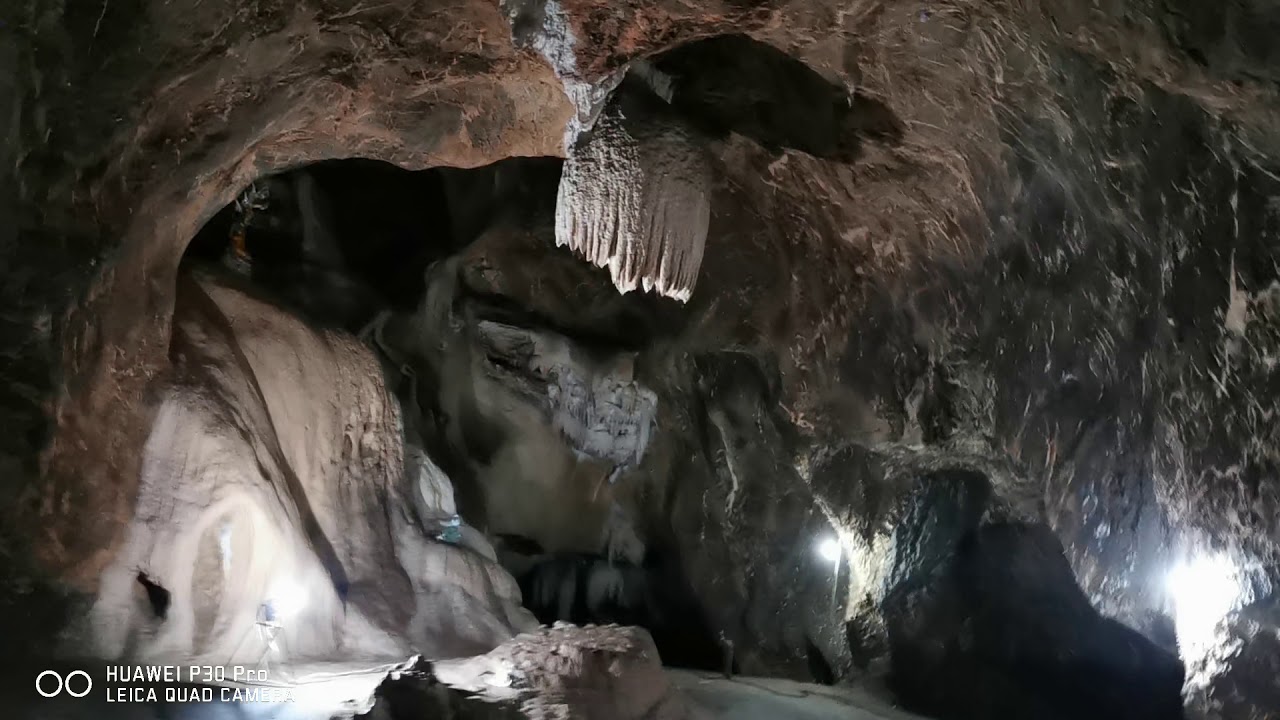
 Click to Access the Navigation Map GPS
Yokhee Cave Map
Recommend

 Art, Culture and Heritage
 Historical Sites and Monuments(2)
 Landmarks and Memorials(3)
 Art, Craft Centres, Tradition(6)
 Historic Homes and Cities(2)
 Educational Places
 Educational Gardens, Farm(2)
 Places of Worship
 Temple(22)
 Other Sacred Sites(9)
 Suburban Living
 Village, Community(5)
 Local Market(3)
 National Parks and Marine Reserves(9)
 Mountain (Doi)(9)
 Dam, Reservoir, Lake(14)
 Waterfalls(23)
 Hot Springs(2)
Caves(6)
Hot Springs(2)
Caves(6)
 River, Canal(1)
 Bays and Beaches(1)
 Islands(1)
 Other natural attractions(1)
 Entertainment and Agricultural
 Farms, Parks and Ecotourism(5)
 Outdoor and Adventure Activities(4)


