
lovethailand home >North Travel Attractions >Tak Travel Attractions >Mae Sot >Mae Sot > Tha Song Yao Old Town
TL;DR: Tha Song Yao Old Town, Tak attractions : Art, Culture and Heritage, Historic Homes and Cities.
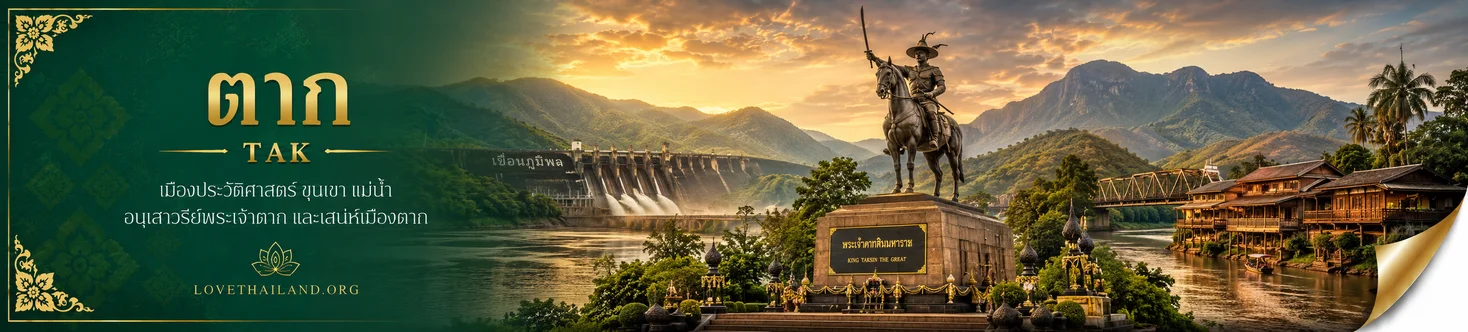
Tha Song Yao Old Town
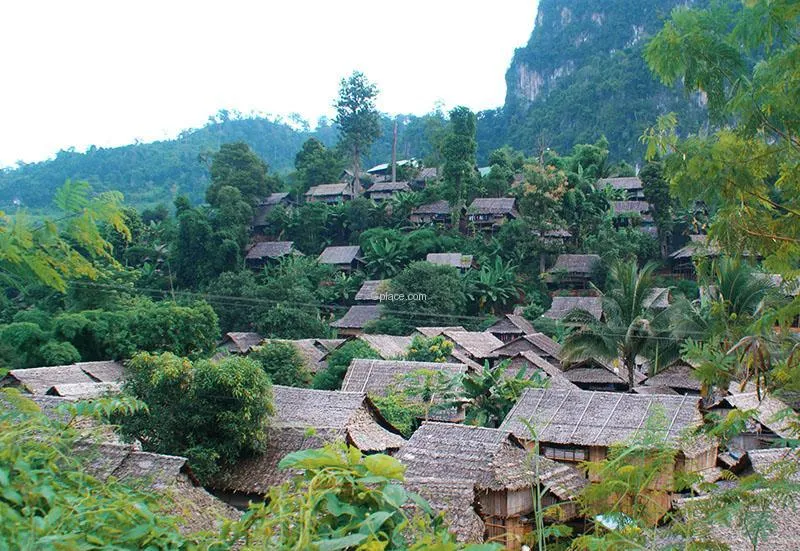
Open Days: Open-Air Archaeological Area; Daytime Visits Are Recommended
Opening Hours: Morning To Afternoon Is Recommended; Travelers Should Check The Latest Route Conditions With Local Authorities Before Visiting
Tha Song Yang Old Town, also known as Ban Mae Tan Ancient City in Tak Province, is an important archaeological and historical site located around Huai Luek and Huai That, on the banks of the Moei River south of Mae Tan community in Mae Tan Subdistrict, Tha Song Yang District, Tak Province. The site is closely associated with the historical landscape of the Moei River basin and the Thai-Myanmar border region. Archaeological surveys suggest that this ancient settlement may be connected with the old city of Chot, a historically significant settlement mentioned in relation to the western frontier of the Sukhothai world. Tha Song Yang Old Town is therefore not merely an abandoned ancient site, but an important trace of settlement, trade, religion, and political geography in western Tak Province.
The geographical setting of Tha Song Yang Old Town is one of its most important features. The site lies close to the Moei River, a major river that now forms part of the natural border between Thailand and Myanmar. In the past, however, the river was not only a boundary. It was a transportation route, a contact corridor, a trade channel, and a cultural exchange zone linking communities on both sides of the river. An ancient town located near the Moei River would have had strong advantages in water access, agriculture, local movement, and cross-border exchange. This riverside location helps explain why the Mae Tan area contains traces of old settlements and religious remains.
The name Tha Song Yang Old Town refers to its location in present-day Tha Song Yang District, while the name Ban Mae Tan Ancient City reflects its association with Mae Tan community. The site is situated around Huai Luek and Huai That, south of the main Mae Tan community. The surrounding landscape includes foothill terrain, waterways, and riverside areas. This combination of land and water would have supported settlement, farming, religious activity, and movement between communities. The physical environment is therefore essential to understanding why an ancient town developed in this area.
Archaeological surveys by the Fine Arts Department have recorded several ancient remains in the Ban Mae Tan area, including traces of Buddhist structures and important artifacts. Among the finds are Buddha images associated with Sukhothai art and later Chiang Saen-style Buddhist images. These discoveries show that the site was connected with Buddhist culture and with artistic influences from wider cultural networks. The evidence suggests that this ancient town was not isolated, but was part of a broader religious and cultural world linked with Sukhothai, Lanna, and communities along the Moei River frontier.
Tha Song Yang Old Town is often discussed in connection with the hypothesis that it may have been the site of ancient Chot. The name Chot appears in historical traditions related to the western side of the Sukhothai world. This association gives the site additional historical significance. However, it is important to distinguish between archaeological hypothesis and final historical certainty. The existing evidence strongly supports the importance of the site as an ancient settlement, but the identification with ancient Chot should be understood as a scholarly and local historical hypothesis that still benefits from further study.
Within the ancient city area, surveys have reported earthen ramparts and traces of a defensive system, especially on the western side where multiple layers of fortification appear to have existed. Such features suggest organized settlement planning and a concern for boundary control or defense. A town located near a river and travel route would have needed ways to mark, protect, and manage its territory. The presence of ramparts and moat-like features therefore indicates that the site was more than an ordinary village. It was a planned settlement with a level of social and spatial organization.
The site also contains traces of Buddhist structures, including remains described as ordination hall areas, vihara structures, stupas, abandoned temple sites, and brick-lined wells. These remains point to the central role of Buddhism in the ancient community. Temples were not only places of worship; they also served as social centers, ritual spaces, and markers of community identity. The presence of several Buddhist remains suggests that the ancient town had a religious life that continued across different periods, with possible rebuilding and restoration over time.
One of the important places associated with the area is Phra That Mueang Kao Huai Luek, or Phra That Huai Luek, a stupa connected with local memory and past restoration. A relic stupa within an ancient town is not only an archaeological feature, but also a spiritual landmark for the surrounding community. The fact that local people continue to remember the names of the stupa, old temples, and ancient places shows that Tha Song Yang Old Town has remained part of local consciousness even though many structures are now ruins or are covered by vegetation.
The ancient town should also be understood as part of a wider cultural landscape rather than as a single isolated site. Nearby places such as Wat Song Huai and other abandoned religious remains suggest that the Mae Tan area contained a network of ancient structures distributed across the terrain near the Moei River and local streams. This pattern is common in old settlements where the main community, religious zones, water sources, and residential areas spread across a broader landscape. For this reason, Tha Song Yang Old Town is best viewed as a historical landscape rather than only one archaeological point.
The artifacts found in the area, including Sukhothai-style Buddha images, later Chiang Saen-style Buddhist images, bronze decorative elements, and different types of brick, reveal cultural connections with important artistic traditions. Sukhothai and Chiang Saen were influential centers in Thai and Lanna history. The appearance of these artistic forms in Mae Tan suggests that the ancient town participated in a wider exchange of religious styles, materials, artisanship, or belief systems. The site therefore helps expand the understanding of how art and Buddhism moved through the western borderlands of northern Thailand.
The bricks found at Tha Song Yang Old Town are also important for interpreting the development of the site. Some brick types are associated with Sukhothai-period construction, while other bricks may reflect later periods such as Ayutthaya-influenced phases or later repairs. This mixture suggests that the site may have been used, repaired, or reoccupied across different periods. Ancient towns are rarely frozen in one moment. They often show layers of use, decline, restoration, and reuse, which must be read carefully through architecture, artifacts, and local geography.
Tha Song Yang Old Town also has significance as a pre-modern borderland settlement. In earlier periods, borders between political powers were not fixed in the same way as modern national boundaries. The Moei River area may have been a zone of contact between different communities, rulers, ethnic groups, trade routes, and religious networks. A town in this location could have served as a frontier settlement, a passage point, or a center of exchange. Studying the site therefore helps broaden the history of Tak Province beyond the better-known areas of Mueang Tak, Ban Tak, and Mae Sot.
For travelers interested in archaeology and local history, Tha Song Yang Old Town is suitable for those who prefer quiet, meaningful, and less commercialized destinations. It is not a large historical park with fully restored monuments and extensive visitor facilities. Its value lies in its authentic landscape, scattered ruins, local memory, and connection to the Moei River. Visitors should approach the site as a place for learning and reflection rather than expecting a fully developed tourist attraction.
Walking through the old town area requires practical preparation. Travelers should wear comfortable shoes, bring drinking water, a hat, mosquito repellent, and avoid visiting during heavy rain, as some areas may involve dirt paths, streamside ground, or vegetation-covered terrain. Since the site contains archaeological remains, visitors should not dig, remove bricks, move artifacts, climb on old structures, or leave trash. Responsible behavior is essential for protecting the site for future study and community heritage.
It is also important to contact local authorities or community leaders before visiting. Tha Song Yang Old Town is an archaeological landscape located within a natural and community setting, not a constantly staffed tourist attraction. Travelers should check the latest access route, local conditions, and appropriate entry points with Mae Tan local authorities or nearby community representatives. Doing so helps ensure a safer visit and reduces the risk of entering private, difficult, or sensitive areas unintentionally.
Mae Tan Subdistrict and Tha Song Yang District have a distinctive cultural setting. The district lies along the route connecting Mae Sot, Mae Ramat, Tha Song Yang, and Mae Sariang, with mountain terrain, forest, rivers, and local communities shaping the character of the area. A visit to Tha Song Yang Old Town can be combined with local Mae Tan community areas, temples, riverside viewpoints, and the natural landscape of the Moei River. Travelers who appreciate quiet routes and local history will find this area very different from the main tourist points of Tak Province.
The Moei River is central to the meaning of the site. It provided water, supported livelihood, allowed movement, and connected communities across the frontier. In the past, towns located along rivers could control movement and trade while also absorbing outside cultural influences. Tha Song Yang Old Town is therefore a reminder that ancient settlements grew through relationships between water, mountains, forest resources, communities, and cross-border contact.
The possible connection with ancient Chot makes the site especially interesting for historical study. Chot is a name often linked with stories of the Sukhothai period and the western territories of early Thai history. The hypothesis that the Huai Luek area may have been connected with ancient Chot makes Mae Tan one of the significant areas for studying the border history of Tak Province. Although more interpretation and evidence are still important, the existing archaeological traces make the site highly valuable for local history and cultural research.
Tha Song Yang Old Town is also an example of an archaeological site in which the local community plays an important role. People in Mae Tan continue to know the names of ancient places, old temple remains, stupas, and local stories. This community memory is important because it helps prevent the site from being forgotten. It also supports local protection against damage, illegal digging, or careless tourism. The long-term conservation of the old town depends on cooperation among government agencies, scholars, local authorities, and the community.
For photography, the site is best approached in a documentary style. Interesting subjects include ancient brick remains, traces of stupas, old temple areas, streamside landscapes, vegetation-covered ruins, and views toward the Moei River. The most meaningful photographs are those that show the relationship between archaeological remains and the surrounding landscape. Visitors should avoid staging photographs in ways that disturb the site or disrespect its historical value.
A one-day route in Tha Song Yang can begin from Mae Tan community or the Tha Song Yang district area, continue to the Huai Luek and Huai That archaeological landscape, and then include nearby temples, local restaurants, and accommodation in Tha Song Yang. Travelers with more time may extend the journey to Mae Sot, Rim Moei Market, Wat Thai Wattanaram, or Phra That Hin Kio at Doi Din Chi. This broader route connects the ancient Moei River world with the living border culture of modern Tak Province.
Tha Song Yang is also suitable for slow travel. The district contains mountains, forests, rivers, and ethnic communities, making it a place where travelers should not rush. Understanding the old town requires attention to the landscape, local stories, and the reasons why ancient people chose to settle here. The meaning of the ancient city is not limited to its ruins; it comes from the whole surrounding environment.
Overall, Tha Song Yang Old Town or Ban Mae Tan Ancient City is an important archaeological site of Tak Province that deserves wider recognition. It reveals a lesser-known layer of Tak’s history along the Moei River and shows that before the rise of modern border towns, Tha Song Yang already had settlements connected with Buddhism, trade, and cultural exchange. Responsible tourism and proper conservation can help preserve this valuable heritage for future generations.
In summary, Tha Song Yang Old Town is a riverside archaeological landscape with strong historical, cultural, geographical, and religious value. Its remains, including ramparts, ancient religious structures, abandoned temple areas, brick-lined wells, Buddha images, old bricks, and bronze decorative elements, reflect a settlement with long development and wide cultural connections. For travelers interested in Thai history, ancient towns, archaeology, and borderland culture, this site offers a rare opportunity to explore one of the important but less widely known historical landscapes of Tak Province.
| Name | Tha Song Yang Old Town / Ban Mae Tan Ancient City / Huai Luek Ancient Town |
| Location | Huai Luek and Huai That area, on the banks of the Moei River, south of Mae Tan community, Mae Tan Subdistrict, Tha Song Yang District, Tak Province |
| Address | Ancient city area near Ban Mae Tan, Mae Tan Subdistrict, Tha Song Yang District, Tak 63150, Thailand |
| Highlights | An ancient Moei River settlement possibly associated with ancient Chot, featuring traces of ramparts, religious remains, abandoned temples, stupas, brick-lined wells, and important artifacts |
| History | The Fine Arts Department surveyed Ban Mae Tan Ancient City from 1958, and later archaeological observations in 1959 suggested that the Huai Luek area may have been connected with ancient Chot; artistic evidence relates to Sukhothai, Lanna, and later Chiang Saen traditions |
| Name Origin | Tha Song Yang Old Town refers to the district area; Ban Mae Tan Ancient City refers to its location near Mae Tan community; Huai Luek Ancient Town refers to the archaeological zone around Huai Luek |
| Distinctive Features | Located on foothill and riverside terrain near the Moei River, with traces of an ancient settlement, earthen ramparts, moats, ordination hall remains, vihara remains, stupas, abandoned temples, and brick-lined wells |
| Key Evidence | Sukhothai-style Buddha images, later Chiang Saen-style Buddha images, ancient bricks, bronze decorative plates from a bell-shaped stupa, earthen ramparts, moat traces, and abandoned religious structures in the Mae Tan area |
| Travel Information | Travel to Tha Song Yang District, then continue to Mae Tan Subdistrict and the Huai Luek–Huai That area. Private car, rental car, or local transport is recommended, and travelers should check the latest route conditions locally before visiting |
| Current Status | An archaeological and historical learning site in Tha Song Yang District, with some remains located in open-air areas within a natural and community landscape |
| Open Days | Open-air archaeological area; daytime visits are recommended |
| Opening Hours | Morning to afternoon is recommended; travelers should check the latest route conditions with local authorities before visiting |
| Facilities | Basic services are available in Mae Tan community and Tha Song Yang town; visitors should prepare drinking water, comfortable walking shoes, and sun or rain protection for the archaeological area |
| Caretaker / Local Authority | Fine Arts Department, Mae Tan local authorities, Mae Tan Subdistrict Municipality, Mae Tan Subdistrict Administrative Organization, and the local community |
| Main Contact Number | Mae Tan Subdistrict Municipality, Tel. 055-589-120 / Mae Tan Subdistrict Administrative Organization, Tel. 0-5503-9985 / TAT Tak Office, Tel. 055-514-341-3 |
| Official Website / Official Page | https://www.finearts.go.th / https://www.maetancity.go.th / https://www.maetanlocal.go.th / https://thai.tourismthailand.org |
| Nearby Tourist Attractions | 1. Phra That Mueang Kao Huai Luek, about 1 km 2. Wat Song Huai abandoned archaeological site, about 3 km 3. Mae Tan community and Mae Tan Market, about 5 km 4. Wat Mae Tan Nuea, about 6 km 5. Moei River scenic route in Tha Song Yang District, about 8 km |
| Nearby Restaurants | 1. Nit Ocha Mae Tan, about 6 km, Tel. 055-589-292 2. Krua Tha Song Yang & Resort, about 7 km, Tel. 081-475-2610 3. Krua Chaba Kaew, about 8 km, Tel. 098-564-9466 4. Krua Khwan Khao, Tha Song Yang District, about 8 km, Tel. 082-742-4945, 082-742-4951 5. Local restaurants and Mae Tan community market, about 5 km |
| Nearby Accommodations | 1. Wong Tawan Resort Tha Song Yang, about 6 km, Tel. 055-589-083, 064-547-4695 2. Baan Suan Charoenrat, Tha Song Yang, about 6 km, Tel. 098-750-4776, 088-127-9672 3. Tha Song Yang Hill Resort, about 7 km, Tel. 082-882-8292 4. Ozone Guesthouse Tha Song Yang, about 7 km, Tel. 081-041-9029 5. Baan Suan Sornphet Resort, about 8 km, Tel. 089-267-1298 |
Frequently Asked Questions (FAQ)
Q: Where is Tha Song Yang Old Town located?
A: Tha Song Yang Old Town is located around Huai Luek and Huai That, on the banks of the Moei River south of Mae Tan community, Mae Tan Subdistrict, Tha Song Yang District, Tak Province.
Q: Is Tha Song Yang Old Town related to ancient Chot?
A: Archaeological surveys suggest that the Huai Luek ancient town area may be connected with ancient Chot, but this should be understood as a historical and archaeological hypothesis that should be considered together with available evidence.
Q: What important evidence has been found at Tha Song Yang Old Town?
A: Important evidence includes earthen ramparts, moat traces, ordination hall remains, vihara remains, stupas, abandoned temple sites, brick-lined wells, Sukhothai-style Buddha images, later Chiang Saen-style Buddha images, ancient bricks, and bronze decorative elements.
Q: Who should visit Tha Song Yang Old Town?
A: It is suitable for travelers interested in history, archaeology, ancient settlements, Moei River culture, and educational travel in the borderland areas of Tak Province.
Q: How should visitors prepare before going to Tha Song Yang Old Town?
A: Visitors should use a private car or local transport, check the latest route locally, wear comfortable shoes, bring drinking water, a hat, mosquito repellent, and avoid visiting during heavy rain.
Q: Can visitors enter the site at any time?
A: The site is an open-air archaeological landscape within a natural and community setting, so daytime visits are recommended. Travelers should contact local authorities before visiting.
Q: What nearby places can be visited with Tha Song Yang Old Town?
A: Nearby places include Phra That Mueang Kao Huai Luek, Wat Song Huai abandoned archaeological site, Mae Tan community, Mae Tan Market, Wat Mae Tan Nuea, and scenic routes along the Moei River in Tha Song Yang District.
 Category: ●Art, Culture and Heritage
 Group: ●Historic Homes and Cities
Last Update : 2 MonthAgo
 Last Update : 2 MonthAgo
 Click to Access the Navigation Map GPS
Tha Song Yao Old Town Map
Recommend

 Historical Sites and Monuments(2)
 Landmarks and Memorials(3)
 Art, Craft Centres, Tradition(6)
Historic Homes and Cities(2)
Art, Craft Centres, Tradition(6)
Historic Homes and Cities(2)
 Educational Places
 Educational Gardens, Farm(2)
 Places of Worship
 Temple(22)
 Other Sacred Sites(9)
 Suburban Living
 Village, Community(5)
 Local Market(3)
 Nature and Wildlife
 National Parks and Marine Reserves(9)
 Mountain (Doi)(9)
 Dam, Reservoir, Lake(14)
 Waterfalls(23)
 Hot Springs(2)
 Caves(6)
 River, Canal(1)
 Bays and Beaches(1)
 Islands(1)
 Other natural attractions(1)
 Entertainment and Agricultural
 Farms, Parks and Ecotourism(5)
 Outdoor and Adventure Activities(4)


