
lovethailand home >North Travel Attractions >Tak Travel Attractions >Mae Sot >Pha Wo > Tak Hill Tribe Development and Welfare Center
TL;DR: Tak Hill Tribe Development and Welfare Center is located at Doi Muser, Phawo Subdistrict and the Doi Muser area, Tak Province, on the Tak–Mae Sot route, open Contact the office before visiting, hours Contact the office before visiting.
Tak Hill Tribe Development and Welfare Center
Open Days: Contact the office before visiting
Opening Hours: Contact the office before visiting
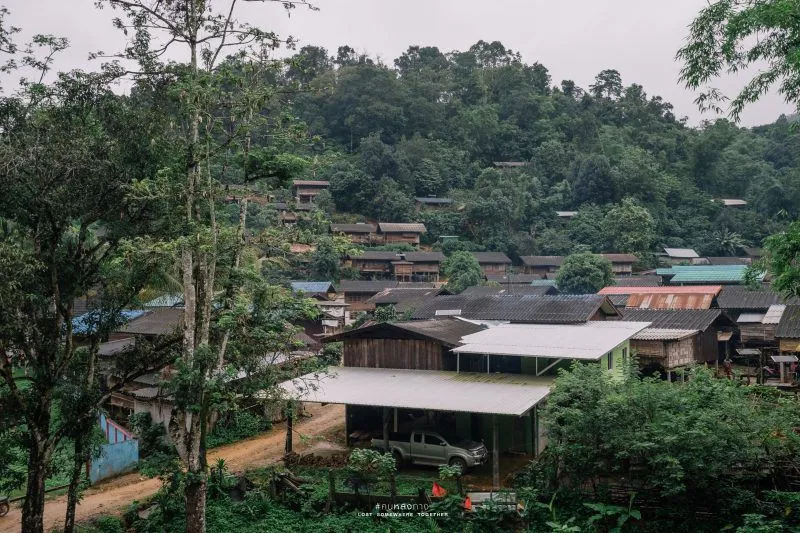
Tak Hill Tribe Development and Welfare Center, now associated with the Highland People Development Center in Tak Province, is located in the Doi Muser area along the Tak–Mae Sot route. The area is connected with Phawo Subdistrict and the mountain communities of Doi Muser. Historically, the center was under the supervision of the Department of Public Welfare and played an important role in social development, livelihood support, and welfare work for highland communities in Tak Province. The area is more than 800 feet above sea level and is part of the mountain route used by travelers heading from Tak town to Mae Sot District.
Doi Muser is not only a place to stop for highland vegetables, fruit, coffee, and local products. It is also an important cultural landscape where travelers can learn about ethnic communities, mountain agriculture, and the development of highland livelihoods in western Thailand. The center and its surrounding area are especially meaningful for visitors who want to understand the lives of groups such as the Black Lahu, Hmong, and Lisu, all of whom have long been associated with highland settlement, agriculture, and cultural identity in this region.
The historical area of the center begins around kilometer markers 25–26 on the Tak–Mae Sot road. Older information describes the area as covering approximately 26,500 rai. This means that the center should not be understood as only a single building or a small office. It is part of a wider mountain environment connected with villages, agricultural plots, learning spaces, roadside markets, and highland communities. Travelers passing through Doi Muser can therefore see how geography, community life, and development work are connected.
The highland communities in the Doi Muser area include Black Lahu, Hmong, and Lisu groups. These communities have their own languages, dress, rituals, knowledge systems, and ways of living. Their shared experience is closely linked with highland agriculture, seasonal cycles, and adaptation to mountainous environments. Visiting Doi Muser helps travelers understand that Tak Province is not only a province of forests, waterfalls, dams, and border routes. It is also a province with deep ethnic and cultural diversity.
Historical accounts of highland peoples in Thailand often describe movements from southern China, Shan State, Mong Pan, and the Kengtung region before communities settled in mountainous areas of Thailand. These movements were connected with geography, trade, agriculture, security, and the search for suitable living and farming areas. The Tak Hill Tribe Development and Welfare Center represents one part of the Thai state’s effort to work with highland communities, promote better quality of life, support livelihood development, and create links between highland communities and wider society.
Traveling through Doi Muser gives visitors a clear sense of Tak’s mountain landscape. The road from Tak to Mae Sot climbs into cooler terrain, passing forested slopes, agricultural areas, roadside markets, and highland settlements. This makes the area suitable for educational travel, cultural learning, and slow exploration. Visitors who take time to understand the setting will see that Doi Muser is not merely a roadside stop but a place where nature, culture, and development meet.
The former role of the center reflects the history of welfare and development work in highland areas of Thailand. Its work was connected with livelihood support, education, health, settlement, farming practices, and community integration. Over time, such work helped connect remote mountain communities with provincial services, local markets, tourism, and agricultural development. This broader context is important for understanding why Doi Muser became known not only for its communities but also for its agricultural produce, coffee, and roadside market.
Today, many travelers know Doi Muser through the Doi Muser Hill Tribe Market. The market sells highland vegetables, seasonal fruit, coffee, local snacks, and handicrafts. It represents one visible part of the highland economy because agricultural products from mountain communities are sold directly to travelers along the Tak–Mae Sot road. Visitors can buy fresh produce such as avocados, passion fruit, vegetables, coffee, and local products while learning how highland agriculture supports community livelihoods.
Doi Muser coffee is one of the products strongly associated with the area. The cool mountain climate and highland environment contribute to the identity of the coffee grown and sold around Doi Muser. Stopping for coffee here is not only a break during a mountain drive; it is a way to experience the taste of place. For travelers interested in food culture, local products, and community-based travel, Doi Muser coffee and the hill tribe market help connect the journey with the people who live and farm in the area.
Another important nearby learning site is the Black Lahu Museum on Doi Muser. The museum presents information about Lahu and Hmong life, including history, customs, rituals, clothing, hunting tools, medicinal plants, seeds, agricultural tools, household items, musical instruments, and cultural displays. It helps visitors understand the communities behind the market and the mountain landscape. A visit to the museum can turn a short roadside stop into a more meaningful cultural experience.
As a learning destination, the center and the Doi Muser area are suitable for several types of travelers. Cultural travelers can learn about highland ethnic groups. Visitors interested in agriculture can see how mountain farming and local produce shape the economy. Road travelers can use the area as a rest stop between Tak and Mae Sot. Responsible travelers can support local communities by buying products, behaving respectfully, and learning about the people of the area with sensitivity.
Travel in highland ethnic communities should always be respectful. Visitors should not treat local people as objects for photographs or as displays of difference. If they wish to photograph individuals, they should ask permission first. They should not enter homes, community spaces, or ritual areas without being invited. Respectful cultural travel allows visitors to learn while also preserving the dignity and privacy of people who live in the area.
One advantage of Doi Muser is that it is located on a main travel route. Travelers driving from Tak town to Mae Sot can stop in the area without making a long detour. The historical center area begins around kilometer markers 25–26, while the hill tribe market and nearby attractions are located along the same general route. This makes it convenient to include Doi Muser in a half-day or one-day itinerary between Tak and Mae Sot.
Getting There is most convenient by private car or rental car. From Tak town, follow Highway 105, the Tak–Mae Sot road, toward Mae Sot District. The Doi Muser area begins around kilometer markers 25–26. Drivers should be careful because the road includes mountain sections, curves, slopes, and traffic from private cars, buses, trucks, and transport vehicles. Daytime travel is recommended, especially for visitors unfamiliar with the route.
Before driving to Doi Muser, travelers should check their vehicle, especially brakes, tires, fuel, and lights. The Tak–Mae Sot road requires careful driving. During the rainy season, the road may become slippery and visibility may be reduced by mist or rain. During the cool season, the mountain atmosphere is pleasant and suitable for stopping at the market, enjoying coffee, and seeing local agricultural products.
Visitors who want to enter specific office or learning areas connected with the center should contact the office in advance. Some areas are government work spaces, community areas, or activity spaces rather than open tourist sites. Contacting ahead helps visitors know when they can visit, which areas are appropriate, and whether staff are available to provide information. It also helps avoid disrupting official work or community life.
The center is important as a trace of Thailand’s highland development history. The older name, Hill Tribe Development and Welfare Center, reflects an earlier period of welfare-oriented work. The current wording, Highland People Development Center, reflects a more careful social approach that emphasizes quality of life, rights, livelihood, opportunity, and respect for cultural diversity. This shift in language helps visitors understand changing perspectives toward highland communities in Thailand.
When visiting Doi Muser, travelers should see the area through three connected dimensions. The first is nature: the mountains, cool air, forests, and highland farms. The second is culture: the presence of different ethnic communities with their own languages and traditions. The third is development: the work of government agencies and related projects supporting livelihoods and community well-being. Understanding these dimensions makes the visit more meaningful than a simple shopping stop.
Doi Muser can also be included in several travel routes in Tak Province. From Tak town, visitors can travel toward Lan Sang National Park, continue to Doi Muser for the market and cultural learning, then move onward to Chao Pho Phawo Shrine, Chao Pho Khun Sam Chon Shrine, and Mae Sot town. This route gives travelers a broad view of Tak: old town, nature, mountains, highland communities, sacred roadside shrines, and the border economy of Mae Sot.
The Doi Muser Hill Tribe Market is one of the most practical places to experience the local highland economy. The market offers seasonal produce, coffee, local food, and handicrafts. Buying directly from local vendors supports community income and helps visitors understand the relationship between highland farming and roadside trade. Visitors should bargain politely, avoid excessive pressure on sellers, and recognize the value of local labor and agricultural knowledge.
Those who want to learn more deeply should include the Black Lahu Museum in their route. The museum provides cultural context that helps visitors understand the people behind the products and the landscape. Seeing clothing, tools, seeds, musical instruments, and household items helps travelers look at the market and local life with greater respect. The museum acts as a bridge between visitors and the highland communities of Doi Muser.
Food options around Doi Muser are mostly small local restaurants, coffee shops, and vendors near the market and road. Travelers commonly stop for coffee, snacks, simple meals, and local produce before continuing their journey. Some small shops do not publish clear phone numbers, so visitors should plan flexibly. Travelers who prefer restaurants with confirmed contact information can continue to Tak town or Mae Sot, where there are more formal dining options.
For accommodation, travelers have several options. Those who want a mountain atmosphere can choose homestays near Doi Muser. Those who prefer the convenience of hotels, restaurants, and city services can stay in Tak town or Mae Sot and visit Doi Muser as a half-day trip. Travelers should be careful about driving the mountain road at night, especially if they are not familiar with the route.
Families with children or older travelers should focus on accessible stops such as the market, roadside viewpoints, and places arranged in advance. Warm clothing may be useful during the cool season, and comfortable walking shoes are recommended. Although Doi Muser is not difficult to reach, mountain weather can change quickly. Small preparations make the trip safer and more comfortable.
For photographers, Doi Muser offers many subjects: market stalls, highland vegetables, fruit, coffee, mountain mist, agricultural fields, and the road through the hills. However, photographing local people requires care. Visitors should ask before taking close portraits, especially of children, elders, or people in private areas. Responsible photography helps maintain respect between travelers and the community.
The Tak Hill Tribe Development and Welfare Center and the Doi Muser area are best understood as a learning destination. Their meaning lies in the connection between mountains, people, agriculture, ethnic cultures, and social development. Once visitors understand this context, the vegetables in the market are no longer just products, the coffee is no longer just a drink, and the communities are not tourist displays. They are part of a living cultural landscape with history, dignity, and ongoing change.
If visitors come during a local cultural event on Doi Muser, they may see ethnic dress, performances, exhibitions, agricultural displays, or activities that express community identity. Such events can be valuable learning opportunities, but visitors should observe respectfully, follow local rules, and avoid entering ritual or restricted areas. Good cultural travel gives space for communities to present their own stories in their own way.
When the center, Doi Muser, the hill tribe market, and the Black Lahu Museum are viewed together, the area becomes a complete learning route. Travelers can begin with the history of highland development, continue to the market and local agricultural products, learn about Lahu and Hmong culture in the museum, and end with coffee or local products. This kind of route provides knowledge, experience, and direct support for the local economy.
The Tak Hill Tribe Development and Welfare Center on Doi Muser should therefore be seen as an important part of Thailand’s highland development history. It helps explain why Tak Province is so diverse in landscape, people, and culture. Visiting Doi Muser with awareness transforms the road between Tak and Mae Sot into more than a mountain drive. It becomes a journey into the lives of highland communities who have shaped this area for generations.
| Name | Tak Hill Tribe Development and Welfare Center |
| Current Agency Name | Highland People Development Center, Tak Province |
| Location | Doi Muser, Phawo Subdistrict and the Doi Muser area, Tak Province, on the Tak–Mae Sot route |
| Contact Address | P.O. Box 2, Mae Tho Subdistrict, Mueang Tak District, Tak Province 63000 |
| Highlights | Learning area for highland communities, Doi Muser culture, highland agriculture, hill tribe market, and the Tak–Mae Sot cultural route |
| History | The center was historically under the Department of Public Welfare and worked with highland communities on Doi Muser. Older information describes the area as beginning around kilometer markers 25–26, covering approximately 26,500 rai, and standing more than 800 feet above sea level. |
| Ethnic Groups in the Area | Black Lahu, Hmong, and Lisu |
| Distinctive Features | Highland landscape, cool climate, ethnic communities, mountain agriculture, Doi Muser coffee, hill tribe market, and Lahu cultural learning sites |
| Travel Information | Use Highway 105 on the Tak–Mae Sot route. From Tak town, drive toward Mae Sot. The Doi Muser area begins around kilometer markers 25–26 and is best reached by private car or rental car. |
| Current Status | Associated with the Highland People Development Center in Tak Province and the Doi Muser learning area. Visitors should contact the office before entering specific center areas. |
| Open Days | Contact the office before visiting |
| Opening Hours | Contact the office before visiting |
| Facilities | Highland learning area, nearby hill tribe market, shops, coffee stalls, and rest stops on the Tak–Mae Sot route |
| Main Areas / Zones | Highland People Development Center area, Doi Muser communities, Doi Muser Hill Tribe Market, Black Lahu Museum, and highland agricultural areas |
| Caretaker / Information Contact | Highland People Development Center, Tak Province, Tel. 055-515-831 |
| Tourism Information | Tourism Authority of Thailand, Tak Office, Tel. 055-514-341 to 055-514-343 |
| Nearby Tourist Attractions | 1. Doi Muser Hill Tribe Market, about 4 km 2. Black Lahu Museum, about 6 km 3. Tak Agricultural Research and Development Center, Doi Muser, about 7 km 4. Lan Sang National Park, about 18 km 5. Chao Pho Phawo Shrine, about 37 km 6. Chao Pho Khun Sam Chon Shrine, about 45 km |
| Nearby Restaurants | 1. Je On Restaurant, Muser Market, Tak, about 4 km 2. Muser Coffee, about 5 km 3. Z Surf Z Food, about 5 km 4. Ban Suan Lan Sang Café, about 17 km 5. Ban Kiang Nam Restaurant, Tak, about 28 km, Tel. 055-894-069, 081-953-9441 6. Pridi Phochana, about 30 km, Tel. 081-707-3800, 082-595-8145 |
| Nearby Accommodations | 1. Doi Muser Homestay, about 5 km, Tel. 083-335-9963, 086-209-6848 2. Mok Fa Sai Resort, about 22 km 3. Viang Tak Riverside Hotel, about 28 km, Tel. 055-512-507 to 055-512-508, 081-887-2905 4. SOHO Boutique Hotel Tak, about 30 km, Tel. 055-039-988, 095-939-2871 5. Berich Hotel, about 30 km, Tel. 055-516-444, 082-444-6242 6. Silayok Grand Hotel, about 30 km, Tel. 055-515-555 |
Frequently Asked Questions (FAQ)
Q: Where is the Tak Hill Tribe Development and Welfare Center located?
A: It is located in the Doi Muser area on the Tak–Mae Sot route, connected with Phawo Subdistrict and the highland area of Tak Province. Older information places the area around kilometer markers 25–26.
Q: What is the current agency name related to the former center?
A: The current related name is the Highland People Development Center, Tak Province, which continues from the former Tak Hill Tribe Development and Welfare Center.
Q: Which ethnic groups are associated with the Doi Muser area?
A: Historical information mentions Black Lahu, Hmong, and Lisu communities, each with distinct languages, clothing, customs, and ways of life.
Q: Can visitors enter the center directly?
A: Visitors who want to enter specific center areas or study the site in depth should contact the office in advance, because some areas are government work spaces, community areas, or activity areas rather than open tourist sites.
Q: How can travelers get to Doi Muser and the center area?
A: Travelers should use Highway 105 from Tak town toward Mae Sot. The route is mountainous, so private car or rental car is the most convenient option, and careful driving is required.
Q: What nearby places can be visited with the center?
A: Nearby places include Doi Muser Hill Tribe Market, Black Lahu Museum, Tak Agricultural Research and Development Center on Doi Muser, and Lan Sang National Park.
Q: What is interesting at Doi Muser Hill Tribe Market?
A: The market offers highland vegetables, seasonal fruit, Doi Muser coffee, local food, and hill tribe handicrafts. It is a popular stop on the Tak–Mae Sot route.
Q: What should travelers be careful about when visiting Doi Muser?
A: Travelers should drive carefully on the mountain road, check their vehicle before the trip, respect highland communities, ask before photographing people, and avoid entering community or official areas without permission.
 Category: ●Suburban Living
 Group: ●Village, Community
Last Update : 4 MonthAgo
 Last Update : 4 MonthAgo
 Click to Access the Navigation Map GPS
Tak Hill Tribe Development and Welfare Center Map
Recommend

 Art, Culture and Heritage
 Historical Sites and Monuments(2)
 Landmarks and Memorials(3)
 Art, Craft Centres, Tradition(6)
 Historic Homes and Cities(2)
 Educational Places
 Educational Gardens, Farm(2)
 Places of Worship
 Temple(22)
 Other Sacred Sites(9)
Village, Community(5)
Other Sacred Sites(9)
Village, Community(5)
 Local Market(3)
 Nature and Wildlife
 National Parks and Marine Reserves(9)
 Mountain (Doi)(9)
 Dam, Reservoir, Lake(14)
 Waterfalls(23)
 Hot Springs(2)
 Caves(6)
 River, Canal(1)
 Bays and Beaches(1)
 Islands(1)
 Other natural attractions(1)
 Entertainment and Agricultural
 Farms, Parks and Ecotourism(5)
 Outdoor and Adventure Activities(4)


