
lovethailand home >North Travel Attractions >Tak Travel Attractions >Mae Sot >Mae Kasa > Mae Ka Sa Hot Spring and Mae Usa Cave
TL;DR: Mae Ka Sa Hot Spring and Mae Usa Cave is located at Mae Kasa Subdistrict, Mae Sot District, Tak Province, open Daily, hours 08.00 – 18.00.
Mae Ka Sa Hot Spring and Mae Usa Cave
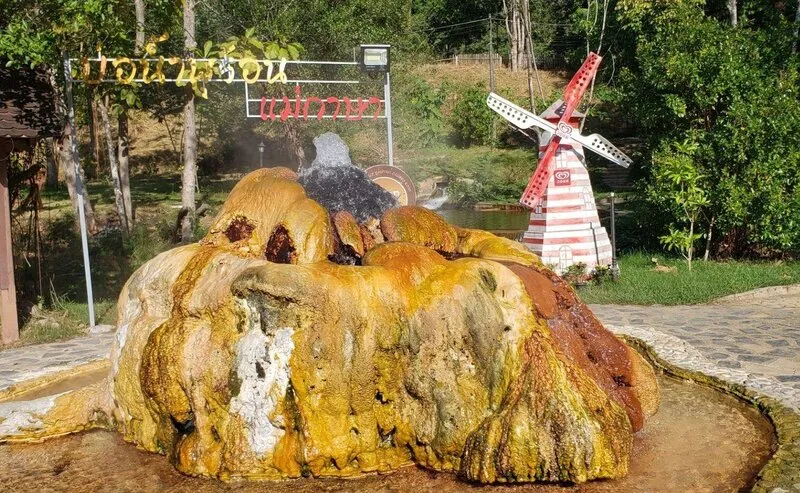
Open Days: Daily
Opening Hours: 08.00 – 18.00
Mae Kasa Hot Spring and Mae Usa Cave in Tak Province form one of the most distinctive natural attractions in Mae Sot District. Located in Mae Kasa Subdistrict, this destination combines the relaxing experience of a natural hot spring with the adventurous atmosphere of a limestone cave, a flowing stream, rural scenery, and local legends that are closely tied to the community. It is a suitable place for travelers who want to slow down, soak their feet in warm mineral water, boil eggs in a natural hot spring, explore a cave, and experience a quieter side of western Thailand.
Mae Kasa is a local community surrounded by hills, forested areas, agricultural land, streams, and village landscapes along the Mae Sot–Mae Ramat route. Mae Kasa Hot Spring has long been known as one of the area’s main natural attractions. Its appeal lies in the natural hot water that rises from the ground, with temperatures of around 60–80 degrees Celsius. The water is hot enough to boil eggs, while other areas are arranged for foot soaking, bathing, and resting in a calm natural setting.
The charm of Mae Kasa Hot Spring is not limited to the hot water itself. The atmosphere around the pools creates a strong sense of relaxation. Steam rises above the stone-edged pools, a mild sulfur scent can be detected in the air, and warm streams form where hot spring water mixes with cooler surface water. Trees, hills, and the quiet rhythm of the village make the site feel like a natural resting point for travelers moving through Mae Sot. Many visitors come here to boil eggs, soak their feet, sit under the shade, and enjoy a slower travel pace.
Mae Kasa Hot Spring is not a large resort-style attraction. Instead, it remains a modest natural hot spring with several hot water sources. Some pools are surrounded by stones, while others are more structured for visitors. The hottest pools are suitable for boiling eggs and observing the natural bubbling water. The foot-soaking area is accessible and suitable for a wide range of visitors, especially those who have been driving or walking for a long time. A short foot soak in warm mineral water can help travelers feel refreshed before continuing their journey around Mae Sot.
Beyond the hot spring, Mae Kasa is also known for Mae Usa Cave, a natural site located not far from the hot spring. Travelers can visit both places on the same trip. Mae Usa Cave is set within a limestone mountain and features spacious chambers, high ceilings, stalactites, stalagmites, and natural openings that allow sunlight to enter the cave. Its combination of rock formations, light, shadow, and nearby water gives the cave an atmosphere that is both beautiful and slightly mysterious.
Mae Usa Cave is more than a geological site. It is also connected with local stories and beliefs surrounding Mae Usa, a figure remembered in community legend. For local residents, the cave is a meaningful place that reflects the relationship between the village, the mountain, the forest, and the stream. Visiting the cave therefore offers more than a simple nature walk. It allows travelers to encounter local memory, traditional storytelling, and the cultural identity of Mae Kasa alongside the physical beauty of the limestone landscape.
The route to Mae Usa Cave feels more adventurous than the hot spring area. Visitors should be prepared for a more natural walking experience, as parts of the route may involve a stream, natural paths, steps, or sloping terrain around the limestone mountain. The cave is best suited for travelers who can walk comfortably and are ready for a light outdoor adventure. Proper walking shoes, drinking water, and enough time are recommended, because the real value of the visit lies in moving slowly through the landscape, listening to the sound of water, watching sunlight enter the cave, and observing the details of the rock walls.
Inside Mae Usa Cave, the space opens into large chambers connected through different sections. Some parts contain unusual stalactites and stalagmites, while other sections have high ceilings that make the cave feel airy rather than cramped. One of the most attractive features is the natural opening on the western side of the cave. In the afternoon, sunlight can pass through the opening and create a beam similar to a natural spotlight, giving the cave a dramatic and memorable appearance. The light changes depending on the time of day, making the cave feel alive rather than static.
When standing inside the cave and looking back toward the entrance, visitors can see another beautiful aspect of Mae Usa Cave: the Mae Usu stream winding out from the cave area, natural light reflecting on the water, and the green landscape beyond the darker interior. This contrast between the shaded cave and the bright greenery outside makes the site especially appealing for nature photographers. Travelers who enjoy cave photography, limestone landscapes, streams, and natural light will find many memorable scenes here.
From a geological perspective, Mae Kasa Hot Spring and Mae Usa Cave provide a useful example of the diverse natural landscape of Mae Sot District. The hot spring reflects underground heat and mineral-rich water rising to the surface, while the limestone cave shows the long-term process of dissolution, mineral deposition, and cave formation. Travelers interested in nature can treat the area as an outdoor learning site, with opportunities to understand hot springs, mineral water, stalactites, stalagmites, and the changing landscape of western Thailand.
A visit to this area can be planned as a half-day or full-day trip. A relaxed itinerary may begin in the morning at Mae Kasa Hot Spring, where visitors can boil eggs, soak their feet, and explore the surrounding pools. After that, they can continue to Mae Usa Cave when natural light is suitable for viewing the cave interior. Travelers who prefer a slower pace should avoid rushing, as the experience is best enjoyed with time to rest, walk, observe, and absorb the quiet rural atmosphere.
The best season to visit is from the late rainy season into the cool season, when the landscape is fresh, the vegetation is green, and the weather is more comfortable for walking. The rainy season can make the area beautifully lush, but travelers should be careful with stream levels, slippery paths, and cave access. Anyone planning to enter Mae Usa Cave should check the weather, travel during daylight hours, and avoid entering cave or stream areas after heavy rain.
Mae Kasa Hot Spring is suitable for families because the main activities, such as foot soaking, egg boiling, and relaxing near the pools, are simple and accessible. Mae Usa Cave, however, requires more physical readiness. Families traveling with children, elderly visitors, or anyone who has difficulty walking should evaluate the route before entering the cave. Non-slip shoes, a flashlight, drinking water, and comfortable clothing will make the visit safer and more enjoyable.
For photographers, Mae Kasa Hot Spring offers scenes of rising steam, hot water pools, stone edges, and quiet rural surroundings. Mae Usa Cave offers a very different visual experience, with dramatic light, cave openings, limestone formations, shadows, and flowing water. While taking photos, visitors should avoid climbing dangerous areas, touching delicate rock formations unnecessarily, or leaving any waste behind. The beauty of this place depends on keeping the natural environment intact.
Mae Kasa can also be combined with other nearby attractions. Travelers may visit Mae Kasa Waterfall, Wat Mae Kasa, Phukasa Valley Maesot, and other natural or cultural stops before continuing into Mae Sot town. Further along the route, visitors can explore Wat Thai Wattanaram, Wat Thai Samakkhi, Rim Moei Market, and other attractions connected to the Thai–Myanmar border area. This makes Mae Kasa a good nature-based stop within a broader Mae Sot travel plan.
Getting There is straightforward from Mae Sot town. Take Highway 105 on the Mae Sot–Mae Ramat route. At around kilometer marker 13, turn right into Mae Kasa village and continue for about 2 km to reach the hot spring area and the access route to Mae Usa Cave. The route is suitable for private cars, rental cars, and motorcycles for travelers familiar with local roads. Drivers should be cautious in village areas, on narrow sections, and during rainy weather.
The atmosphere of Mae Kasa is different from that of large commercial attractions. It still carries the simplicity of a local community, with houses, farmland, hills, streams, and a slower rhythm of life. A visit here should not be treated only as a quick check-in. Travelers will gain more from the place by slowing down, soaking their feet, listening to the natural sounds, walking around the pools, and appreciating how the local community lives alongside its natural resources.
Mae Kasa Hot Spring and Mae Usa Cave suit many types of travelers: nature lovers, wellness travelers, families, photographers, and those who enjoy light adventure. The hot spring is warm, relaxing, and easy to access, while the cave is more mysterious, scenic, and physically engaging. Together, they create a complete nature experience that combines relaxation, exploration, cultural storytelling, and the quiet beauty of Tak Province.
Responsible travel is important in this natural area. Visitors should keep the site clean, avoid throwing eggshells or food waste near the pools or stream, use only designated soaking areas, and avoid touching the hottest spring water directly. Inside and around the cave, travelers should avoid risky climbing, stay aware of the terrain, and avoid going deep into the cave without preparation. Respectful travel helps preserve Mae Kasa for both local residents and future visitors.
Recommended items for the trip include non-slip shoes, drinking water, a small towel, a flashlight for the cave, a personal waste bag, and comfortable clothing. Travelers who plan to boil eggs should prepare them properly or buy them from local vendors when available. For the cave, it is better to travel in a group, avoid walking alone, and choose daytime hours when there is sufficient natural light.
Overall, Mae Kasa Hot Spring and Mae Usa Cave offer a complete natural travel experience in one area. Visitors can enjoy hot mineral water, rising steam, natural hot spring pools, rural scenery, local legends, limestone chambers, stalactites, stalagmites, and dramatic cave light. It is a rewarding destination for travelers seeking a peaceful escape, a light adventure, and a deeper look at the natural identity of Mae Sot in Tak Province.
| Name | Mae Kasa Hot Spring and Mae Usa Cave |
| Location | Mae Kasa Subdistrict, Mae Sot District, Tak Province |
| Address | Moo 11, Mae Kasa Subdistrict, Mae Sot District, Tak 63110, Thailand |
| Highlights | Natural hot spring with water temperatures of around 60–80 degrees Celsius, egg boiling, foot soaking, limestone cave, stalactites, stalagmites, and natural light inside Mae Usa Cave |
| History / Importance | A major natural attraction of Mae Kasa village. The hot spring is known for wellness and relaxation, while Mae Usa Cave is valued for its natural beauty, local legend, and limestone cave landscape. |
| Name Origin | Mae Kasa comes from the local community name, while Mae Usa Cave is associated with the local legend of Mae Usa. |
| Distinctive Features | Natural hot water sources, warm mineral streams, a mild sulfur scent, limestone cave chambers, high ceilings, rock formations, and sunlight entering through natural cave openings |
| Travel Information | From Mae Sot, take Highway 105 on the Mae Sot–Mae Ramat route. At around kilometer marker 13, turn right into Mae Kasa village and continue for about 2 km. |
| Current Status | Open as a natural attraction in Mae Kasa Subdistrict |
| Open Days | Daily |
| Opening Hours | 08.00 – 18.00 |
| Fees | Free entry and free foot soaking; group mineral bath rooms are 300 baht per room |
| Facilities | Hot spring pools, egg-boiling area, foot-soaking area, mineral bath rooms, resting areas, local shops, and parking area |
| Main Areas / Zones | Mae Kasa Hot Spring pools, foot-soaking area, egg-boiling point, mineral bath rooms, Mae Usu stream, Mae Usa Cave access route, and limestone cave chambers |
| Caretaker | Mae Kasa Subdistrict Administrative Organization |
| Main Contact Number | Mae Kasa Subdistrict Administrative Organization, Tel. 055-030-154 |
| Nearby Tourist Attractions | 1. Mae Usa Cave, about 1 km 2. Mae Kasa Waterfall, about 4 km 3. Wat Mae Kasa, about 5 km 4. Phukasa Valley Maesot, about 5 km 5. Wat Thai Samakkhi, about 16 km 6. Wat Thai Wattanaram, about 19 km 7. Rim Moei Market, about 22 km |
| Nearby Restaurants | 1. Phukasa Cafe & Restaurant, about 3 km, Tel. 081-866-1433 2. View Doi Coffee Home, about 3 km 3. Cafe Nai Suan, about 12 km, Tel. 091-714-0914 4. The Happy Café, about 15 km 5. Hub 105, about 16 km |
| Nearby Accommodations | 1. Phukasa Valley Maesot, about 5 km, Tel. 081-866-1433, 090-969-0035 2. Ban Kan Kasa Homestay, about 5 km, Tel. 090-006-451 3. Mae Kasa View - Cafe & Resort, about 6 km, Tel. 086-399-2167 4. Huen Kam Fah Golf Resort, about 14 km 5. Laksasuk House, about 15 km 6. Hop Inn Mae Sot, about 20 km |
Frequently Asked Questions (FAQ)
Q: Where are Mae Kasa Hot Spring and Mae Usa Cave located?
A: They are located in Mae Kasa Subdistrict, Mae Sot District, Tak Province, in western Thailand.
Q: What can visitors do at Mae Kasa Hot Spring?
A: Visitors can soak their feet in warm mineral water, boil eggs in the hot spring, observe natural hot water pools, and relax in a quiet rural setting.
Q: What makes Mae Usa Cave special?
A: Mae Usa Cave is known for its limestone chambers, high ceilings, stalactites, stalagmites, cave openings, and natural sunlight that enters the cave in certain periods of the day.
Q: What should travelers prepare before visiting?
A: Travelers should bring non-slip shoes, drinking water, a small towel, a flashlight for the cave, and comfortable clothing suitable for walking.
Q: When is the best time to visit Mae Kasa Hot Spring and Mae Usa Cave?
A: The late rainy season and cool season are ideal because the weather is more comfortable and the surrounding landscape is fresh and green.
Q: Is Mae Usa Cave suitable during the rainy season?
A: Visitors should be cautious during the rainy season because stream levels, slippery paths, and weather conditions can affect cave access.
Q: Is there an entrance fee for Mae Kasa Hot Spring?
A: Entry and foot soaking are free, while group mineral bath rooms are available for 300 baht per room.
Q: How do travelers get there from Mae Sot town?
A: Take Highway 105 toward Mae Ramat. At around kilometer marker 13, turn right into Mae Kasa village and continue for about 2 km.
 Category: ●Nature and Wildlife
 Group: ●Hot Springs
Last Update : 4 MonthAgo
 Last Update : 4 MonthAgo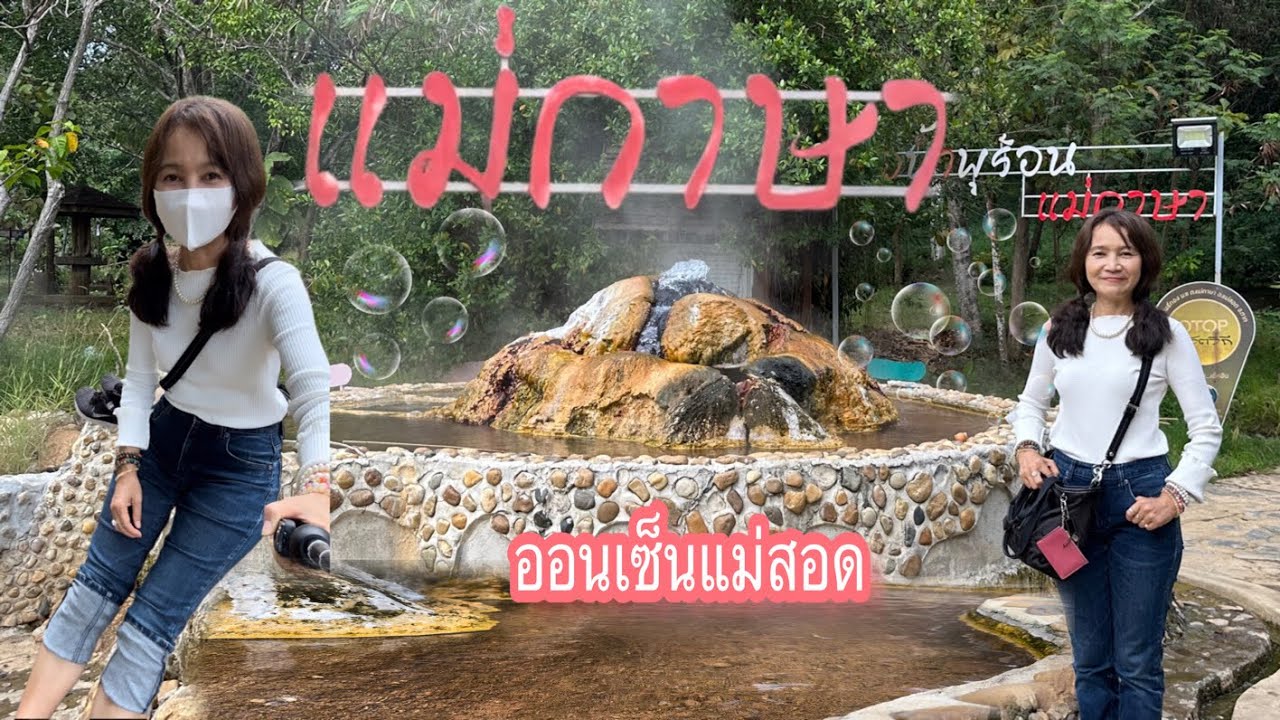
 Click to Access the Navigation Map GPS
Mae Ka Sa Hot Spring and Mae Usa Cave Map
Recommend

 Art, Culture and Heritage
 Historical Sites and Monuments(2)
 Landmarks and Memorials(3)
 Art, Craft Centres, Tradition(6)
 Historic Homes and Cities(2)
 Educational Places
 Educational Gardens, Farm(2)
 Places of Worship
 Temple(22)
 Other Sacred Sites(9)
 Suburban Living
 Village, Community(5)
 Local Market(3)
 National Parks and Marine Reserves(9)
 Mountain (Doi)(9)
 Dam, Reservoir, Lake(14)
 Waterfalls(23)
Hot Springs(2)
Waterfalls(23)
Hot Springs(2)
 Caves(6)
 River, Canal(1)
 Bays and Beaches(1)
 Islands(1)
 Other natural attractions(1)
 Entertainment and Agricultural
 Farms, Parks and Ecotourism(5)
 Outdoor and Adventure Activities(4)


