
lovethailand home >North Travel Attractions >Chiang Mai Travel Attractions >Hang Dong >Nong Kaeo > Wat Sa-at Kunchon
TL;DR: Wat Sa-at Kunchon is located at 162 Moo 4, Ban Buak, Nong Kaeo Subdistrict, Hang Dong District, Chiang Mai Province, open Daily, hours 08.00 – 17.00.
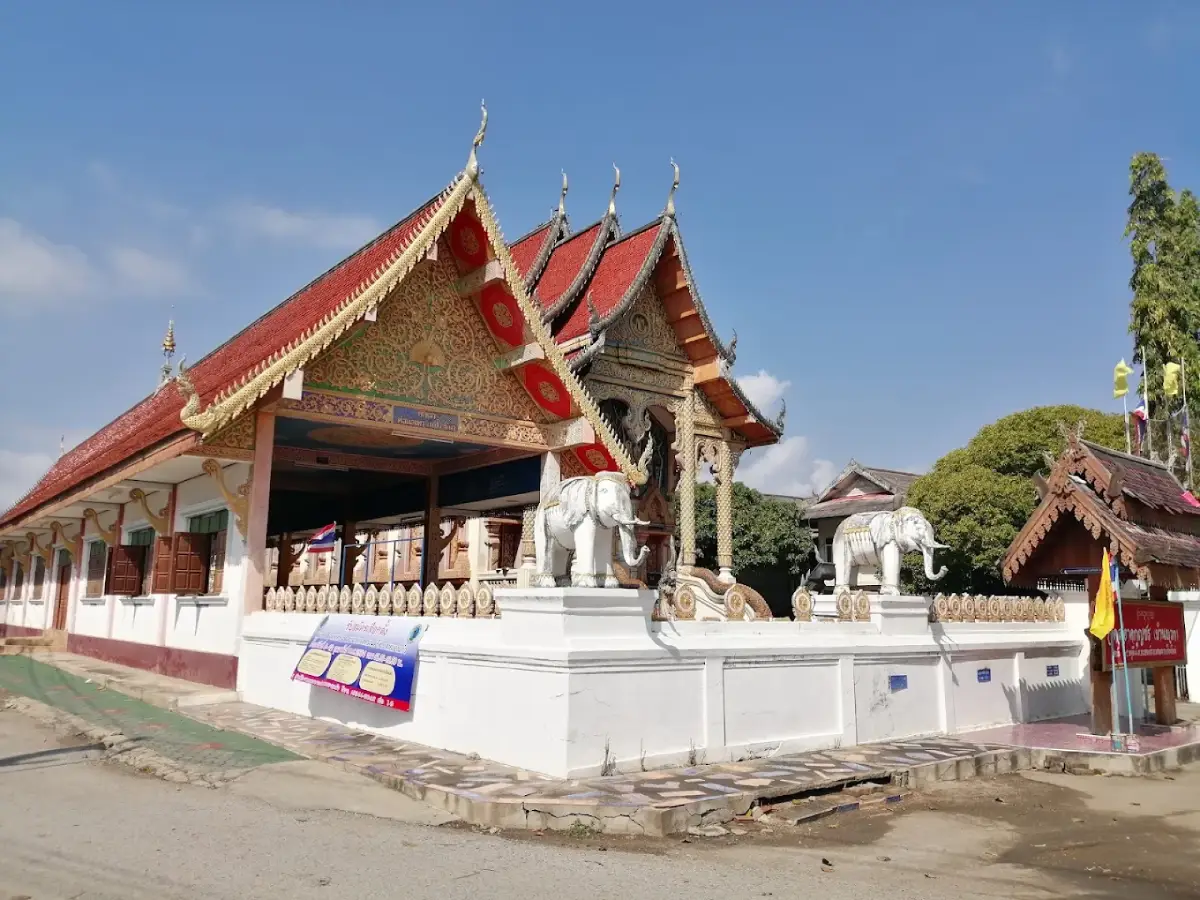
Wat Sa-at Kunchon
Open Days: Daily
Opening Hours: 08.00 – 17.00
Wat Sa-at Kunchon, also found in some sources as Wat Sa-ad Kunchon and locally known as Wat Ban Buak, is located at 162 Moo 4, Ban Buak, Nong Kaeo Subdistrict, Hang Dong District, Chiang Mai Province. It is a private Buddhist temple under the Mahanikaya order, with a temple land area of 2 rai and 16 square wah. The temple was officially established in 1757 and received royal granting of wisungkhamsima in 1897. Wat Sa-at Kunchon is an important community temple for Ban Buak, serving as a spiritual center for worship, sermons, merit-making, Buddhist ceremonies, and local community activities.
Nong Kaeo Subdistrict lies in Hang Dong District, southwest of Chiang Mai city. The area contains old villages, community temples, agricultural land, local craft routes, restaurants, accommodations, and family attractions. It is accessible from Chiang Mai–Hang Dong Road, Route 108, with local roads connecting into Nong Kaeo villages. Wat Sa-at Kunchon is therefore suitable for travelers who want to combine a quiet temple visit with a broader Hang Dong route that includes Baan Tawai Handicraft Village, Kad Farang Village, Grand Canyon Water Park Chiang Mai, Wat Ton Kwen, and other nearby attractions.
Ban Buak is the village associated with Wat Sa-at Kunchon. In the Lanna landscape, the word buak is often linked with lowland, pond-like, or water-related areas, which fits the wider setting of Nong Kaeo where villages, temples, irrigation channels, farmland, and local roads form a connected community landscape. Wat Sa-at Kunchon is therefore not only a temple located in the village; it is part of a larger system of local life shaped by water, settlement, religious practice, and community relationships.
The name Wat Sa-at Kunchon carries a meaningful symbolic tone. Sa-at, or sa-ad, suggests cleanliness, purity, and clarity, while kunchon means elephant, an auspicious animal in Thai and Lanna culture. The name therefore evokes a temple of purity, calmness, and auspicious strength. This meaning suits the temple’s role as a place where villagers cultivate merit, calm the mind, and maintain Buddhist practice in daily community life.
The history of Wat Sa-at Kunchon has more than one layer. Community information records the temple as officially established in 1757 and granted wisungkhamsima in 1897. Temple-history materials also record that the site was once an abandoned temple area before local devotees cleared the land and rebuilt the temple around 1897. This shows the temple as both an old religious site and a place revived through the faith and labor of local people. Its history reflects a key feature of Lanna community temples: they survive because villagers continue to care for them.
The royal granting of wisungkhamsima in 1897 gave Wat Sa-at Kunchon a formal boundary for monastic acts. The consecrated boundary is recorded as 6 meters wide and 12 meters long. This is important because an ubosot and wisungkhamsima boundary allow the temple to support formal Sangha activities according to Buddhist discipline. Wat Sa-at Kunchon is therefore more than a village worship area; it is a fully functioning Buddhist temple with a recognized monastic role.
The temple land covers 2 rai and 16 square wah. Its recorded northern boundary connects with an irrigation channel, the southern boundary connects with a public road, the eastern side measures about 40 meters, and the western side connects with private land. These details place the temple firmly within a traditional village landscape. The irrigation channel reflects the agricultural roots of the area, while the public road shows how the temple remains connected with village movement and everyday access.
Wat Sa-at Kunchon also has three plots of monastic land totaling 3 rai and 1 ngan. This land supports the temple’s longer-term stability and reflects its role as a community Buddhist institution. Temple-history records also mention a child nutrition center located on the temple’s monastic land, showing how the temple has been connected not only with religious practice but also with community wellbeing and the care of local families.
The important monastic structures of Wat Sa-at Kunchon include an ubosot, sermon hall, and monks’ residences. The ubosot supports formal monastic acts and represents the temple’s full religious status. The sermon hall provides space for Dhamma listening, merit-making meetings, and community activities. The monks’ residences support monastic life and daily religious duties. Together, these structures allow the temple to function as a complete village temple.
The important sacred objects of Wat Sa-at Kunchon include several Buddha images. In a community temple, Buddha images form the devotional center for villagers and visitors. They provide a place to make offerings, calm the mind, and reflect on Buddhist teachings. Visitors should begin by paying respect to the Buddha images, then walk quietly around the ubosot, sermon hall, monks’ residences, courtyard, and surrounding temple areas.
The contemporary abbot recorded for Wat Sa-at Kunchon is Phra Athikan Somkhit Chutintharo, also publicly listed as Phra Somkhit Phumkhlai. The abbot of a community temple plays an important role in caring for the temple, leading ceremonies, teaching Dhamma, coordinating merit-making events, and maintaining the relationship between monks and villagers. With monastic leadership and local support, Wat Sa-at Kunchon continues to serve Ban Buak as an active Buddhist temple.
The older temple record names Phra Athikan Bun Si Sirintharo as a known abbot, while current community information records Phra Athikan Somkhit Chutintharo. These names show continuity in temple leadership from earlier records to the present. Even when public information about small village temples is limited, the succession of abbots, temple activities, and ongoing use of the compound reflect a living tradition of Buddhist care and community support.
The main appeal of Wat Sa-at Kunchon is its calm identity as the community temple of Ban Buak. It is not a large commercial tourist attraction, and that is part of its value. Visitors can see a real village temple with an ubosot, sermon hall, monks’ residences, Buddha images, a temple courtyard, irrigation-channel surroundings, and monastic land connected with community use. The temple is suitable for quiet worship, merit-making, and cultural travelers who want to understand Nong Kaeo through local temples.
Wat Sa-at Kunchon remains active through Buddhist and community activities. Public merit-making announcements refer to kathin activities supporting monks’ residences, and the temple has also been used for meditation and annual religious-practice activities connected with the local Sangha and community. These activities show that the temple is more than a sightseeing point; it is a working Buddhist space where monks and laypeople gather for practice, merit, and community support.
Regular Buddhist activities at Wat Sa-at Kunchon follow the rhythm of Lanna village temple life. These include Buddhist holy day merit-making, alms-giving, sermons, kathin, pha pa, Visakha Bucha, Asalha Bucha, Buddhist Lent, the end of Buddhist Lent, memorial merit-making, and meditation activities on suitable occasions. Such activities bring monks, elders, families, young people, and neighbors together around shared Buddhist practice.
Wat Sa-at Kunchon plays an important role as the spiritual center of Ban Buak. When villagers hold merit-making events, ceremonies, memorial rites, or community Buddhist activities, the temple provides both sacred space and social gathering space. Monks lead religious practice, while villagers support the temple and maintain it as a shared community asset. This relationship between temple and village is central to Lanna community Buddhism.
For travelers interested in temple routes in Nong Kaeo, Wat Sa-at Kunchon can be combined with Wat Lavo, Wat Mongkhon Kasem, Wat Sri Suphan, Wat Charoen Rat, and Wat San Sai. Each temple preserves the story of its own village. Wat Lavo and Wat Mongkhon Kasem are known for Queen Chamadevi-related legends, Wat Sri Suphan is known for its historical name changes and mural-painting heritage, while Wat Sa-at Kunchon stands out as the Ban Buak temple connected with irrigation channels, monastic land, and active community Buddhist practice.
A practical route can begin with worship at Wat Sa-at Kunchon in the morning or late afternoon, then continue to Wat Lavo, Wat Mongkhon Kasem, Baan Tawai Handicraft Village, Kad Farang Village, North Hill Golf Club, Grand Canyon Water Park Chiang Mai, or Wat Ton Kwen. This route can be adapted for cultural travel, family activities, food stops, handicrafts, or a quiet temple-focused itinerary in Hang Dong.
Wat Sa-at Kunchon is suitable for elderly visitors seeking peaceful worship, families traveling around Hang Dong, cultural travelers interested in local temples, and visitors who want to understand Nong Kaeo through village Buddhist life. Its charm lies in simplicity, long history, the revived temple site, the ubosot, sermon hall, monks’ residences, Buddha images, and its continuing role in Ban Buak.
Getting There is convenient by private car, rental car, or hired transport from Chiang Mai city. Take Chiang Mai–Hang Dong Road or Route 108 through Hang Dong, then continue into Nong Kaeo Subdistrict and Ban Buak, Moo 4. Another option is the Hang Dong–Samoeng route and local roads connecting Nong Kaeo villages. The drive from central Chiang Mai generally takes around 30 to 45 minutes depending on traffic.
The best time to visit is in the morning or late afternoon when the weather is more comfortable. Visitors should dress modestly, keep noise low, respect monks’ areas, avoid disturbing worshippers, meditators, or ceremony participants, and take photos with discretion. If a kathin ceremony, merit-making event, meditation activity, funeral rite, or community ceremony is taking place, local participants should be given priority. Wat Sa-at Kunchon remains an active community temple, so a calm and respectful visit is the best way to experience it.
In summary, Wat Sa-at Kunchon is a historic community temple of Ban Buak, Nong Kaeo Subdistrict, Hang Dong District, Chiang Mai Province. Its value lies in its establishment in 1757, royal granting of wisungkhamsima in 1897, ubosot, sermon hall, monks’ residences, Buddha images, monastic land, irrigation-channel setting, kathin activities, meditation-related community use, and its role as the spiritual center of Ban Buak. It is a meaningful stop for travelers who want to understand Chiang Mai through local temples and Lanna village culture.
| Name | Wat Sa-at Kunchon / Wat Sa-ad Kunchon / Wat Ban Buak |
| Type | Private Buddhist Temple Under The Mahanikaya Order |
| Location | 162 Moo 4, Ban Buak, Nong Kaeo Subdistrict, Hang Dong District, Chiang Mai Province |
| Address | 162 Moo 4, Ban Buak, Nong Kaeo Subdistrict, Hang Dong District, Chiang Mai 50230, Thailand |
| Highlights | Ban Buak community temple established in 1757, with wisungkhamsima in 1897, an ubosot, sermon hall, monks’ residences, Buddha images, irrigation-channel setting, monastic land, and active Buddhist community role |
| History | Officially established as a temple in 1757 and received royal granting of wisungkhamsima in 1897. Temple history also records that the site was once an abandoned temple before villagers cleared and rebuilt it. |
| Local Name | Wat Ban Buak |
| Name Meaning | Sa-at or Sa-ad suggests purity and cleanliness, while Kunchon means elephant, an auspicious animal in Thai and Lanna culture. |
| Temple Land Area | 2 rai, 16 square wah, Sor Kor 1 document no. 94 |
| Monastic Land | Three plots totaling 3 rai, 1 ngan |
| Boundaries | North: irrigation channel; South: public road; East: about 40 m; West: private land |
| Wisungkhamsima Area | 6 m wide and 12 m long |
| Community Context | Located in Ban Buak, Moo 4, Nong Kaeo Subdistrict, serving as a community temple for merit-making, sermons, kathin, pha pa, meditation activities, and Buddhist ceremonies |
| Main Areas / Zones | Ubosot, sermon hall, monks’ residences, worship area, temple courtyard, religious activity area, monastic land, and community merit-making spaces |
| Important Structures | Ubosot, sermon hall, and monks’ residences |
| Sacred Objects | Buddha images within the temple compound |
| Abbot / Caretaker | Phra Athikan Somkhit Chutintharo |
| Recorded Abbots | Phra Athikan Bun Si Sirintharo and Phra Athikan Somkhit Chutintharo |
| Community Activities | Child nutrition center on temple monastic land, kathin activities, and meditation or annual religious-practice activities connected with the local Sangha and community |
| Traditions / Merit-Making Events | Buddhist holy day merit-making, alms-giving, sermons, kathin, pha pa, Visakha Bucha, Asalha Bucha, Buddhist Lent, the end of Buddhist Lent, memorial merit-making, and meditation activities on suitable occasions |
| Community Role | Spiritual center of Ban Buak, supporting worship, Dhamma teaching, Buddhist ceremonies, meditation practice, and village community unity in Nong Kaeo |
| Current Status | Active community temple in Nong Kaeo Subdistrict, Hang Dong District, Chiang Mai Province |
| Open Days | Daily |
| Opening Hours | 08.00 – 17.00 |
| Contact Number | 053-427-300 |
| Travel Information | From Chiang Mai city, take Chiang Mai–Hang Dong Road or Route 108 through Hang Dong, then continue into Nong Kaeo Subdistrict and Ban Buak, Moo 4. Another option is the Hang Dong–Samoeng route and local village roads. Private car, rental car, and hired transport are the most convenient options. |
| Nearby Tourist Attractions | 1. Wat Lavo, about 3 km 2. Wat Mongkhon Kasem / Wat Yang Puan, about 4 km 3. Baan Tawai Handicraft Village, about 4 km 4. Kad Farang Village, about 5 km 5. North Hill Golf Club, about 5 km 6. Grand Canyon Water Park Chiang Mai, about 7 km 7. Wat Ton Kwen / Wat Intharawat, about 8 km |
| Nearby Restaurants | 1. Pongsathorn Salapao Savoy Hang Dong Branch, about 5 km, Tel. 097-951-7889 2. North Hill’s Mix Restaurant & Bar, about 5 km, Tel. 053-908-999 3. Sathani Khao Kaeng Lae Khanom Chin Baan Tawai, about 4 km, Tel. 092-527-8191 4. Krua Aroi Dee Hang Dong, about 5 km, Tel. 095-235-5564 5. Khaomao-Khaofang Chiang Mai, about 8 km, Tel. 053-838-444, 063-665-5838 6. Krua Mae Ann Ban Waen Hang Dong, about 6 km |
| Nearby Accommodations | 1. Baan Tawai Lanna Resort, about 4 km, Tel. 063-654-7997 2. North Hill City Resort, about 5 km, Tel. 053-333-111, 093-131-0277 3. Content Villa Chiang Mai, about 9 km, Tel. 062-439-9799 4. The Lilly Hotel Chiang Mai, about 11 km, Tel. 053-275557, 095-6872657 5. Veranda High Resort Chiang Mai, about 15 km, Tel. 053-365-007, 062-398-6899, 098-913-7699 |
Frequently Asked Questions (FAQ)
Q: Where is Wat Sa-at Kunchon located?
A: Wat Sa-at Kunchon is located at 162 Moo 4, Ban Buak, Nong Kaeo Subdistrict, Hang Dong District, Chiang Mai 50230, Thailand.
Q: What type of temple is Wat Sa-at Kunchon?
A: Wat Sa-at Kunchon is a private Buddhist temple under the Mahanikaya order and serves as the community temple of Ban Buak in Nong Kaeo.
Q: When was Wat Sa-at Kunchon established?
A: Wat Sa-at Kunchon was officially established as a temple in 1757 and received royal granting of wisungkhamsima in 1897.
Q: What can visitors see at Wat Sa-at Kunchon?
A: Visitors can see the ubosot, sermon hall, monks’ residences, Buddha images, temple courtyard, monastic land, and the calm Ban Buak community-temple atmosphere connected with irrigation channels and Lanna village life.
Q: Who is the abbot of Wat Sa-at Kunchon?
A: The contemporary abbot recorded for Wat Sa-at Kunchon is Phra Athikan Somkhit Chutintharo.
Q: What are the opening hours of Wat Sa-at Kunchon?
A: Wat Sa-at Kunchon is open daily from 08.00 to 17.00.
Q: How can travelers get to Wat Sa-at Kunchon from Chiang Mai city?
A: Take Chiang Mai–Hang Dong Road or Route 108 through Hang Dong, then continue into Nong Kaeo Subdistrict and Ban Buak, Moo 4. Another option is the Hang Dong–Samoeng route and local village roads.
Q: What nearby attractions can be combined with Wat Sa-at Kunchon?
A: Nearby places include Wat Lavo, Wat Mongkhon Kasem, Baan Tawai Handicraft Village, Kad Farang Village, North Hill Golf Club, Grand Canyon Water Park Chiang Mai, and Wat Ton Kwen.
 Category: ●Places of Worship
 Group: ●Temple
Last Update : 2 DayAgo
 Last Update : 2 DayAgo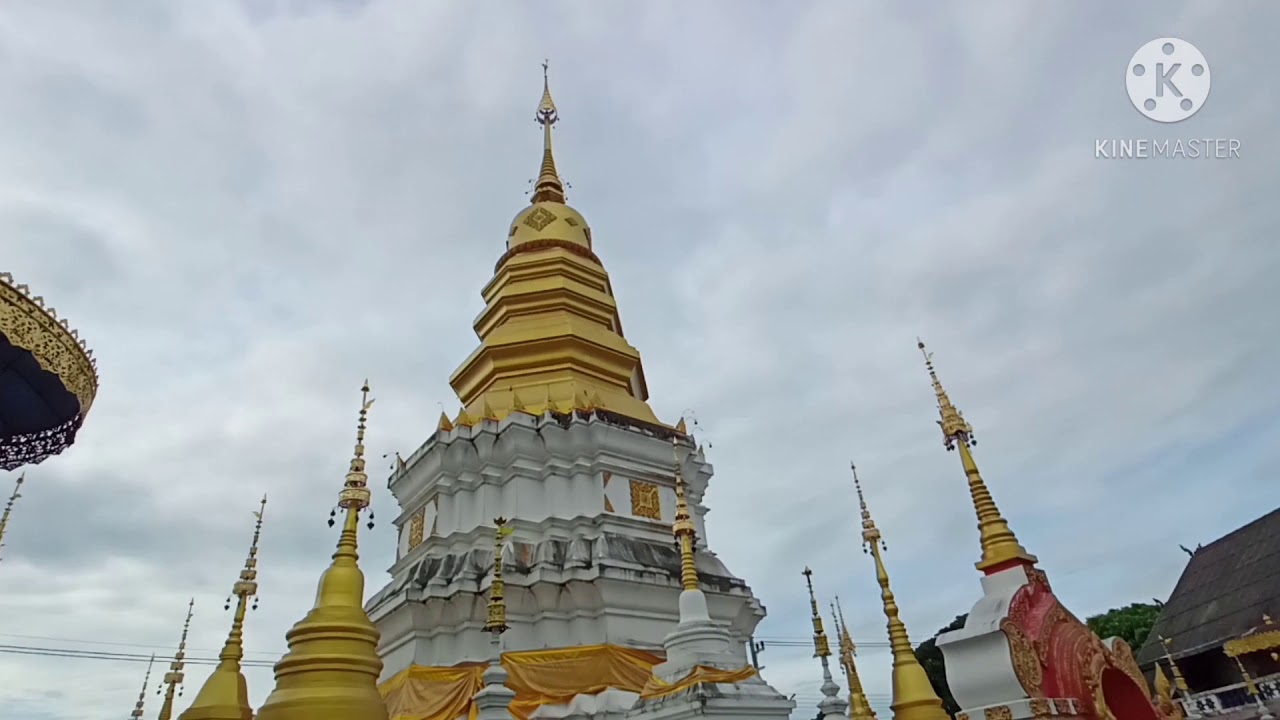
 Click to Access the Navigation Map GPS
Wat Sa-at Kunchon Map
Recommend

 Muang Chiang Mai(121)Chom Thong(47)Mae Chaem(25)Chiang Dao(33)Doi Saket(68)Mae Taeng(85)Mae Rim(69)Samoeng(29)Fang(71)Mae Ai(59)Phrao(70)San Pa Tong(103)San Kamphaeng(66)San Sai(73)Hang Dong(73)Hot(32)Doi Tao(22)Omkoi(11)Saraphi(74)Wiang Haeng(15)Chai Prakan(28)Mae Wang(32)Mae On(22)Doi Lo(34)Galyani Vadhana(1)


