
lovethailand home >North Travel Attractions >Chiang Mai Travel Attractions >Saraphi >Pa Bong > Wat Thepharam
TL;DR: Wat Thepharam is located at Ban Thepharam, Village No. 5, Pa Bong Subdistrict, Saraphi District, Chiang Mai Province, open Daily, hours 08.00 – 17.00.

Wat Thepharam
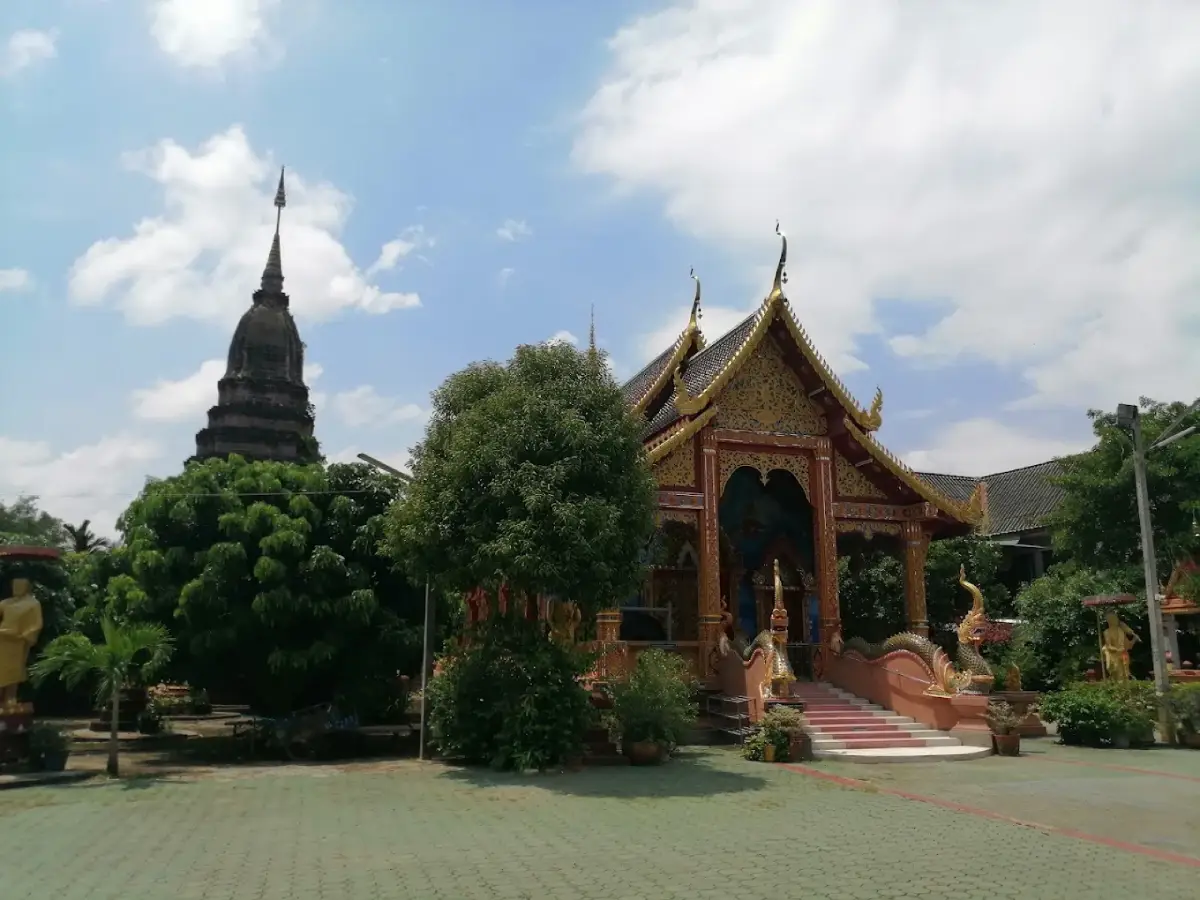
Open Days: Daily
Opening Hours: 08.00 – 17.00
Wat Thepharam is located at No. 58, Village No. 5, Ban Thepharam, Pa Bong Subdistrict, Saraphi District, Chiang Mai Province 50140. It is a local Buddhist temple under the Mahanikaya sect and one of the historic community temples of Pa Bong. Formerly known as Wat Na Ho Lam Chang, the temple was founded in B.E. 2295 by Chao Rom Khao. Today, Wat Thepharam remains an active community temple and a spiritual center of Ban Thepharam, serving local residents through merit-making, Buddhist ceremonies, sermons, annual traditions, and community activities.
The former name Wat Na Ho Lam Chang gives the temple a distinctive historical identity. The name suggests an old local landscape associated with elephants and a place where elephants were tied or kept. Although the full details of this older setting are not preserved in public sources, the former name shows that the temple is tied to an older layer of community memory. The present name, Wat Thepharam, carries a more auspicious religious meaning and reflects the temple’s later identity as an established Buddhist sanctuary.
Wat Thepharam was built in B.E. 2295, making it one of the old temples of Saraphi District. Temples founded during this period often grew from local faith, community leadership, and the need for a shared religious center. The role of Chao Rom Khao as the founder gives the temple a clear historical starting point and helps connect the temple with the formation of Ban Thepharam and the surrounding Pa Bong community.
Pa Bong Subdistrict is an important community area of Saraphi District. It covers about 5.528 square kilometers, or approximately 3,455 rai, and consists of 6 villages: Ban Chai Sathan, Ban Rong Don Chai, Ban Si Kham Chomphu, Ban Pa Bong Luang, Ban Thepharam, and Ban Suphan. Wat Thepharam stands in Ban Thepharam, Village No. 5, within a local landscape of homes, school areas, village roads, temples, markets, and everyday community life.
The name Pa Bong is linked with local bamboo. In the past, the area was known for bamboo groves, and villagers used bamboo to make baskets, containers, and household objects. This local craft background gives Pa Bong a clear cultural identity. Wat Thepharam belongs to this environment of local craftsmanship, agriculture, village cooperation, and Buddhist faith, making the temple part of a broader community way of life.
Wat Thepharam received its consecrated boundary in B.E. 2412. The boundary measures 10 meters wide and 20 meters long. In Thai Buddhism, a consecrated boundary is important because it designates the area for formal Sangha rites. This confirms the temple’s religious status and its ability to support key monastic ceremonies within the Mahanikaya tradition.
The temple land is recorded under cadastral sheet 48460670, land parcel No. 484, title deed No. 4369. The temple covers 3 rai, 1 ngan, and 36 square wah, with the title deed issued in B.E. 2534. This land area supports the temple’s many religious and community structures, including the ordination hall, viharn, monks’ residences, scripture hall, bell tower, drum tower, sermon hall, merit-making halls, kitchen, and Guanyin shrine.
The important structures of Wat Thepharam include an ordination hall, viharn, 2-story monks’ residence, scripture hall, drum tower, kitchen, bell tower, sermon hall, 3 merit-making halls, and one Guanyin shrine. These elements make the temple a well-equipped community temple. The ordination hall supports monastic rites, the viharn serves as the main worship space, the sermon hall supports Dharma teaching and merit-making, and the kitchen and merit-making halls support large community events.
The viharn is one of the most important places for visitors. It enshrines several important Buddha images, including the main Buddha image known as Thep Ming Mongkhon, Sukhothai-style Buddha images, U Thong-style Buddha images, Phra Singh 3, and Buddha images in various postures. These images give the temple artistic and devotional value, especially for visitors interested in Thai and Lanna Buddhist art.
The chedi is another important sacred feature of the temple and is closely connected with the Phra That bathing tradition. In Lanna culture, bathing a temple chedi or sacred relic monument is an important annual merit-making practice. It allows villagers to honor the sacred monument, make merit together, clean and prepare temple grounds, and pass local Buddhist customs to younger generations.
The Buddha images for days of birth and various Buddha postures make Wat Thepharam a temple where visitors can worship in several ways. Local residents and visitors can pay respect to the main Buddha image, make offerings, worship their birth-day Buddha image, and walk quietly around the sacred areas of the temple. This makes the temple meaningful for both regular community worship and cultural travel.
The Guanyin shrine adds another devotional dimension to the temple. Guanyin is widely revered as a symbol of compassion and mercy. The presence of the shrine allows visitors to pay respect to both Buddhist images and a compassionate figure deeply respected in many Thai-Chinese devotional traditions. This gives Wat Thepharam a broader spiritual atmosphere while remaining a local Buddhist temple.
The scripture hall reflects the temple’s role in preserving Buddhist learning, while the drum tower and bell tower reflect the rhythm of village temple life. In traditional communities, the sounds of drums and bells helped mark time, call people to ceremonies, and connect the temple with the surrounding village. These structures therefore represent both religious practice and community communication.
The sermon hall and 3 merit-making halls are central to the temple’s community role. They support Buddhist holy days, Kathin, robe-offering events, sermons, memorial merit-making, and village gatherings. During major ceremonies, these halls become shared spaces where residents prepare food, arrange offerings, welcome guests, and support the monks. The temple is therefore not only a worship site but also a social and cultural center of Ban Thepharam.
Wat Thepharam remains important to the people of Ban Thepharam because it supports several layers of community life. Residents come to the temple for merit-making, food offerings, Buddhist ceremonies, sermons, family merit events, funerals, and annual traditions. The temple brings together elders, families, younger residents, monks, and lay supporters. This continuing relationship between temple and village is a defining feature of Lanna community Buddhism.
One of the most important traditions associated with Wat Thepharam is the annual Phra That bathing ceremony. This tradition allows Buddhists and local residents to make merit, bathe the temple’s sacred chedi, pay respect, and take part in a Lanna-style community ceremony. The practice is both religious and cultural: it expresses reverence for Buddhism and strengthens the bond between villagers and their temple.
Kathin and robe-offering events are also important at Wat Thepharam. During these ceremonies, residents and donors support the temple, offer robes and necessities to monks, and help maintain the temple’s buildings and community functions. Such ceremonies show how the temple remains active through ongoing cooperation between monks and laypeople.
Wat Thepharam is suitable for travelers interested in old Saraphi temples, Pa Bong community culture, Lanna Buddhist traditions, sacred chedi bathing ceremonies, and temples that remain part of everyday village life. It is not a large commercial tourist site. Its value lies in its age, its former name, its sacred objects, its community structures, and its continuing role as a living temple.
Key places to observe include the viharn, main Buddha image Thep Ming Mongkhon, chedi, birth-day Buddha images, scripture hall, drum tower, bell tower, sermon hall, merit-making halls, and Guanyin shrine. Visitors should move slowly and respectfully through the temple grounds, remembering that the temple is still used by local residents for worship and community ceremonies.
A good cultural route can combine Wat Thepharam with Wat Pa Bong Luang, Wat Chai Sathan, Wat Si Kham Chomphu, Wat Suphan, and Wat Rong Don Chai. Travelers who want a fuller Saraphi route can continue toward Tha Wang Tan Subdistrict and visit the Wiang Kum Kam Information Center, Wat Chedi Liam, Wat Chang Kham, and the Chiang Mai–Lamphun rubber tree road. This creates a route that connects village temples, local Buddhist practice, and nearby Lanna heritage.
Getting There is easiest by private car, rental car, motorbike, taxi, or ride-hailing service from Chiang Mai city. Travel toward Saraphi District, enter Pa Bong Subdistrict, and continue to Ban Thepharam, Village No. 5. Local roads connect the temple with Ban Chai Sathan, Ban Pa Bong Luang, Ban Si Kham Chomphu, Ban Rong Don Chai, Ban Suphan, and nearby subdistricts. Visitors planning to see several temples should arrange a half-day route through Pa Bong, Saraphi, and Tha Wang Tan.
Visitors without their own vehicle should arrange a return trip or hire transport for several hours. Temples and local attractions in Pa Bong are spread across village roads. Although the distances are not large, traveling by vehicle saves time and is more practical during the hotter parts of the day. Morning and late afternoon are the most comfortable times to visit.
Visitors should follow standard Thai temple etiquette: dress modestly, speak softly, remove shoes where required, do not enter private monastic areas, avoid disturbing ceremonies, do not touch Buddha images or sacred structures unnecessarily, and ask permission before photographing people closely. Wat Thepharam is an active community temple, so respectful behavior is essential.
In summary, Wat Thepharam is a historic Mahanikaya community temple in Ban Thepharam, Pa Bong Subdistrict, Saraphi District, Chiang Mai. Formerly known as Wat Na Ho Lam Chang, it was founded in B.E. 2295 by Chao Rom Khao and received its consecrated boundary in B.E. 2412. The temple preserves an ordination hall, viharn, scripture hall, drum tower, bell tower, sermon hall, 3 merit-making halls, Guanyin shrine, chedi, birth-day Buddha images, Thep Ming Mongkhon main Buddha image, Sukhothai-style Buddha images, U Thong-style Buddha images, Phra Singh 3, and various Buddha images. It is a meaningful destination for travelers who want to understand old Saraphi temples, Pa Bong community life, and the quieter cultural side of Chiang Mai near the Wiang Kum Kam route.
| Name | Wat Thepharam |
| Former Name | Wat Na Ho Lam Chang |
| Location | Ban Thepharam, Village No. 5, Pa Bong Subdistrict, Saraphi District, Chiang Mai Province |
| Address | No. 58, Village No. 5, Pa Bong Subdistrict, Saraphi District, Chiang Mai 50140, Thailand |
| Temple Type | Local Buddhist temple under the Mahanikaya sect |
| Temple Code | 350191202 |
| Area | 3 rai, 1 ngan, 36 square wah |
| Land Information | Cadastral sheet 48460670, land parcel No. 484, title deed No. 4369, title deed issued in B.E. 2534 |
| Highlights | Historic community temple of Ban Thepharam, formerly Wat Na Ho Lam Chang, founded in B.E. 2295, with a chedi, Thep Ming Mongkhon main Buddha image, birth-day Buddha images, several Buddha image styles, and an annual Phra That bathing tradition |
| History | Founded in B.E. 2295 by Chao Rom Khao |
| Consecrated Boundary | Received in B.E. 2412; 10 meters wide and 20 meters long |
| Founder | Chao Rom Khao |
| Community Context | Located in Ban Thepharam, Village No. 5, Pa Bong Subdistrict, a Saraphi community connected with Lanna culture, village roads, school life, local markets, temples, and community traditions |
| Important Zones And Structures | Ordination Hall Viharn 2-Story Monks’ Residence Scripture Hall Drum Tower Kitchen Bell Tower Sermon Hall 3 Merit-Making Halls Guanyin Shrine Temple Grounds And Community Religious Activity Area |
| Sacred Objects / Worship Points | Chedi Birth-Day Buddha Images Crystal Wall Relic Chedi Trace Thep Ming Mongkhon Main Buddha Image Sukhothai-Style Buddha Images U Thong-Style Buddha Images Phra Singh 3 Buddha Images In Various Postures |
| Important Ceremonies | Phra That bathing ceremony at Wat Thepharam, Kathin, robe-offering events, Buddhist Lent, the end of Lent, Buddhist holy days, memorial merit-making, sermons, and annual community ceremonies of Ban Thepharam |
| Travel Information | Accessible from Chiang Mai city toward Saraphi District, then Pa Bong Subdistrict and Ban Thepharam; best reached by private car, rental car, motorbike, taxi, or ride-hailing service |
| Current Status | Open as an active community temple used for Buddhist ceremonies, merit-making, the Phra That bathing tradition, and local village activities |
| Open Days | Daily |
| Opening Hours | 08.00 – 17.00 |
| Abbot / Caretaker | Phra Athikan Kraiwith |
| Main Contact Number | 053-422-757 |
| Nearby Tourist Attractions | 1. Wat Pa Bong Luang, about 1.5 km 2. Wat Chai Sathan, about 2 km 3. Wat Si Kham Chomphu, about 3 km 4. Wat Suphan, about 3 km 5. Wat Rong Don Chai, about 4 km 6. Wiang Kum Kam Information Center, about 8 km 7. Wat Chedi Liam, about 8 km 8. Chiang Mai–Lamphun Rubber Tree Road, about 9 km |
| Nearby Restaurants | 1. Ma-Cool Cafe, about 1 km, Tel. 080-946-6942, 080-821-5119 2. Pa Taem Made-To-Order Food Pa Bong, about 2 km, Tel. 082-195-1554 3. Krua Pa Wan Saraphi, about 2 km, Tel. 088-670-3877 4. Sarim Sam Sahai Pa Bong, about 2.5 km, Tel. 096-679-6074 5. Krua Baan Baan, about 3 km, Tel. 091-749-6072 6. TeeMood, about 3 km, Tel. 061-271-7995 |
| Nearby Accommodations | 1. Bansuan Thanormpat Resort, about 2 km, Tel. 089-997-9511 2. La Campagne Villa Chiangmai, about 4 km, Tel. 092-885-8529 3. Kham Mon Lanna Resort Chiang Mai, about 6 km 4. The Sali-Kham Traditional Lanna Home, about 6 km 5. Baan Suay Huean Ngam Resort, about 7 km |
Frequently Asked Questions (FAQ)
Q: Where is Wat Thepharam located?
A: Wat Thepharam is located at No. 58, Village No. 5, Ban Thepharam, Pa Bong Subdistrict, Saraphi District, Chiang Mai Province 50140.
Q: What are the opening days and hours of Wat Thepharam?
A: The temple is open daily from 08.00 to 17.00.
Q: Why is Wat Thepharam historically important?
A: Wat Thepharam was formerly known as Wat Na Ho Lam Chang and was founded in B.E. 2295 by Chao Rom Khao, making it one of the historic community temples of Pa Bong.
Q: When did Wat Thepharam receive its consecrated boundary?
A: Wat Thepharam received its consecrated boundary in B.E. 2412. The boundary measures 10 meters wide and 20 meters long.
Q: What important structures are found at Wat Thepharam?
A: Important structures include the ordination hall, viharn, 2-story monks’ residence, scripture hall, drum tower, kitchen, bell tower, sermon hall, 3 merit-making halls, and Guanyin shrine.
Q: What sacred objects are important at Wat Thepharam?
A: Important sacred objects include the chedi, birth-day Buddha images, Thep Ming Mongkhon main Buddha image, Sukhothai-style Buddha images, U Thong-style Buddha images, Phra Singh 3, and Buddha images in various postures.
Q: What important ceremonies are associated with Wat Thepharam?
A: Important ceremonies include the Phra That bathing ceremony, Kathin, robe-offering events, Buddhist Lent, the end of Lent, Buddhist holy days, memorial merit-making, and annual community ceremonies.
Q: What nearby places can be visited with Wat Thepharam?
A: Nearby places include Wat Pa Bong Luang, Wat Chai Sathan, Wat Si Kham Chomphu, Wat Suphan, Wat Rong Don Chai, the Wiang Kum Kam Information Center, Wat Chedi Liam, and the Chiang Mai–Lamphun rubber tree road.
 Category: ●Places of Worship
 Group: ●Temple
Last Update : 2 WeekAgo
 Last Update : 2 WeekAgo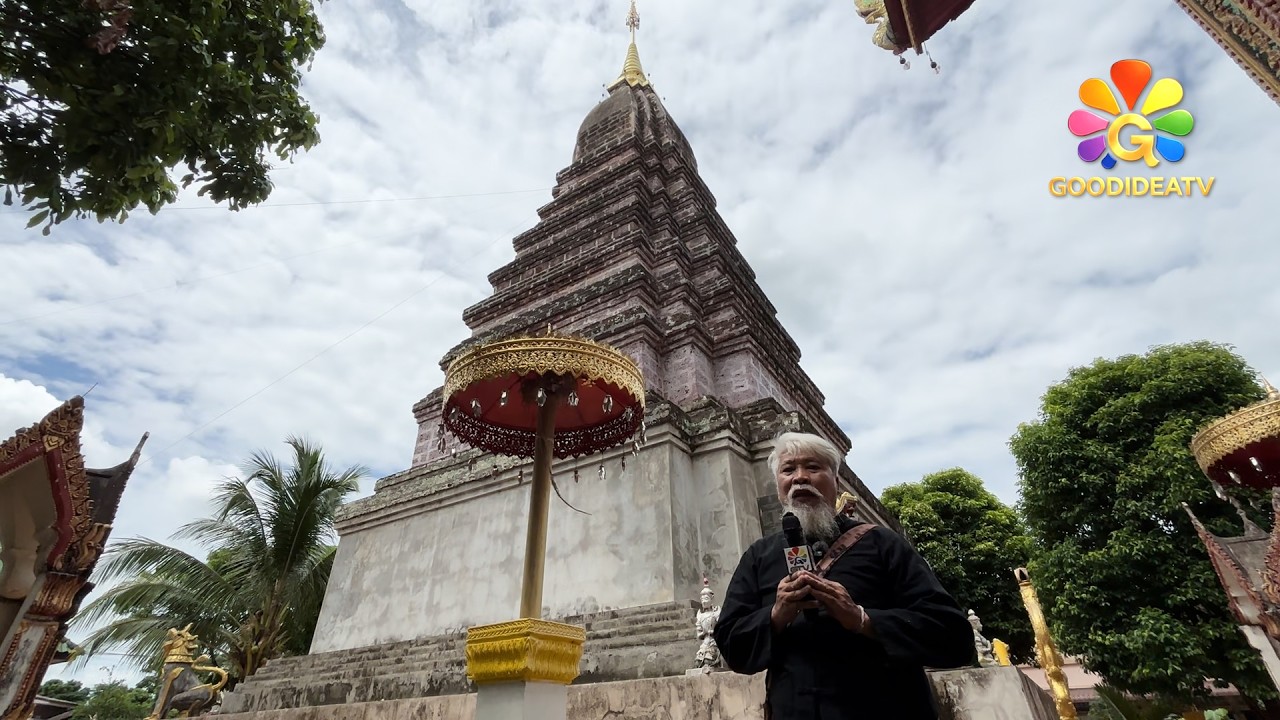
 Click to Access the Navigation Map GPS
Wat Thepharam Map
Recommend

 Muang Chiang Mai(121)Chom Thong(47)Mae Chaem(25)Chiang Dao(33)Doi Saket(68)Mae Taeng(85)Mae Rim(69)Samoeng(29)Fang(71)Mae Ai(59)Phrao(70)San Pa Tong(103)San Kamphaeng(66)San Sai(73)Hang Dong(73)Hot(32)Doi Tao(22)Omkoi(11)Saraphi(74)Wiang Haeng(15)Chai Prakan(28)Mae Wang(32)Mae On(22)Doi Lo(33)Galyani Vadhana(1)


