
lovethailand home >North Travel Attractions >Chiang Mai Travel Attractions >San Pa Tong >Makham Luang > Wat Phrabat Yang Wit
TL;DR: Wat Phrabat Yang Wit is located at Ban Phrabat Yang Wit, Makham Luang Subdistrict, San Pa Tong District, Chiang Mai Province, open Daily, hours Recommended Visiting Hours 08.00 – 17.00.

Wat Phrabat Yang Wit
Open Days: Daily
Opening Hours: Recommended Visiting Hours 08.00 – 17.00
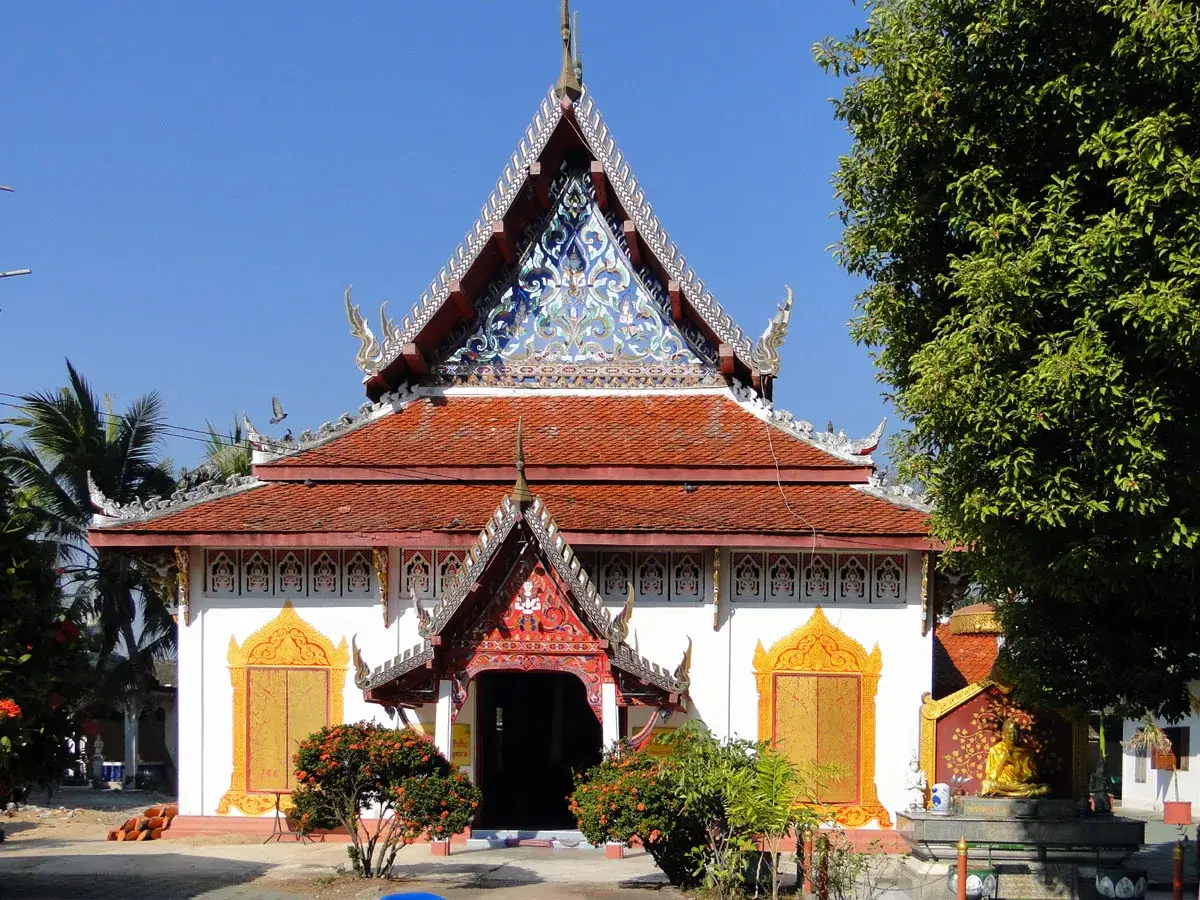
Wat Phrabat Yang Wit is an old Buddhist temple in San Pa Tong District, Chiang Mai Province. Located in Ban Phrabat Yang Wit, Makham Luang Subdistrict, the temple is closely associated with local Lanna beliefs about the Buddha footprint, sacred water wells, a naga legend, and the Yang Wit tree. It is a local Mahanikaya temple and remains an important spiritual landmark for the surrounding community. The main highlight is the pair of revered Buddha footprints, which local residents and Buddhist visitors come to pay respect to for merit, blessings, and a direct connection with the temple’s long-standing sacred story.
Wat Phrabat Yang Wit is located at No. 9, Mu 11, on the Chiang Mai–Hot Road area in Makham Luang Subdistrict, San Pa Tong District, Chiang Mai Province 50120. The temple covers approximately 28 rai and 2 ngan. It was officially permitted as a temple in 1927 and received its royal boundary for monastic acts in 1973. The temple information identifies Phra Athikan Kan Charuwanno as the abbot. These details place Wat Phrabat Yang Wit not only as a village temple, but also as part of the wider religious and cultural landscape of southern Chiang Mai.
The name of the temple reflects its sacred identity. “Phrabat” refers to the Buddha footprint, while “Yang Wit” is linked to the local legend of the Buddha stopping to rest beneath a Yang Wit tree. The temple was formerly known as Selaram before becoming widely known as Wat Phrabat Yang Wit. In local interpretation, the name suggests a place where the Buddha paused, rested, and left a sacred footprint for later generations to venerate.
According to the temple’s oral tradition, the Buddha once visited this area and rested beneath the Yang Wit tree. He then left his footprints as a sacred sign of the Dharma. During this visit, a naga named Nom Mee Chai, or by a slightly different name in some local versions, emerged from a sacred spring and offered a golden dipper of water to the Buddha. This story connects the Buddha footprints, the sacred water well, the naga well, and the Yang Wit tree into one spiritual landscape that gives the temple its distinctive character.
The exact original founding date of the temple is not clearly recorded, but the site is regarded locally as older than its official registration in 1927. Its importance grew further when Khru Ba Siwichai, the highly revered Lanna monk often called the “saint of Lanna,” came to restore and develop the temple. His restoration work is remembered in connection with the viharn, surrounding halls, and other religious structures. This association makes Wat Phrabat Yang Wit part of the broader network of sacred sites connected with Khru Ba Siwichai’s religious restoration movement in northern Thailand.
The most important area for visitors is the Buddha footprint shrine. The temple is known for 2 Buddha footprints, and this sacred area remains the main reason many people visit. The footprints are not only objects of worship; they are also symbols of the community’s relationship with Buddhism, local memory, and inherited belief. For many visitors, paying respect here is a quiet and meaningful act rather than a typical sightseeing experience.
The sacred water well and the naga well are another important part of the temple’s story. They are linked to the belief that the naga offered water to the Buddha. In the agricultural context of San Pa Tong, water has always represented fertility, abundance, and protection. This gives the wells a strong symbolic role in the local imagination, especially among villagers whose lives were historically connected with farming and seasonal water supply.
Wat Phrabat Yang Wit also has a unique local legend associated with a site popularly described as the Buddha’s lavatory. This should be understood respectfully as a local sacred story rather than as a novelty attraction. The belief reflects how villagers have attached Buddhist memory, natural elements, and sacred geography to the temple compound. Visitors should approach this part of the temple with cultural sensitivity and avoid treating it merely as something unusual.
The viharn and the surrounding temple grounds retain the atmosphere of a Lanna community temple. The compound includes worship areas, open courtyards, surrounding halls, and spaces for merit-making and communal Buddhist activities. The temple is generally calm and not crowded like major urban temples in Chiang Mai city. This makes it suitable for travelers who want a quieter cultural stop, especially those interested in local beliefs, Buddha footprint traditions, and the living role of temples in rural northern Thailand.
The temple serves as a spiritual center for the local community. It supports Buddhist ceremonies, merit-making on holy days, Kathin offerings, robe-offering events, Songkran traditions, ordination ceremonies, and other local religious gatherings. These activities show that Wat Phrabat Yang Wit is more than a tourist destination. It is a living community space where religious practice, village identity, and Lanna cultural memory continue to meet.
The Yang Wit tree is another symbolic element of the temple. Although the original tree from the legend belongs to the temple’s sacred narrative, the replacement tree and the continued telling of the story help preserve the memory of the place. The temple’s sacredness is therefore not limited to buildings; it is also held in trees, water, open ground, and the stories passed down by local people.
Wat Phrabat Yang Wit is suitable for travelers interested in old temples, sacred footprints, Khru Ba Siwichai heritage, Lanna legends, and community-based cultural routes. It offers a different experience from the famous temples in Chiang Mai city. Instead of crowds and large tourist infrastructure, visitors find a quiet village temple with a strong sense of local devotion and a distinctive sacred story.
Getting There is easiest by private car or rental car. From Chiang Mai city, take the Chiang Mai–Hot Road, also known as Highway 108, toward San Pa Tong District. After passing the San Pa Tong area and local landmarks near the hospital and market zone, follow the sign toward Ban Phrabat Yang Wit. The road from the main highway into the village is about 1 km. Drive carefully on the community road, especially during temple events or local merit-making days.
For itinerary planning, Wat Phrabat Yang Wit can be combined with Wat Phra That Thung Tum, Thung Fa Bot Market, Wat San Pa Tong, Wiang Tha Kan Ancient Town, and other cultural sites in San Pa Tong. A half-day or full-day route works well. Travelers can begin with the temple in the morning, continue to nearby local markets or restaurants, and then visit other temples or historical places in the district.
Visitors should dress modestly, speak quietly, and behave respectfully within the temple grounds. Do not climb on, touch, or step over sacred objects. Photography should be done with care, especially around the Buddha footprints, sacred wells, and areas connected to local legends. The best way to experience Wat Phrabat Yang Wit is to treat it as a living place of faith for the local community, not just as a photo stop.
In summary, Wat Phrabat Yang Wit is a valuable cultural and religious site in San Pa Tong, Chiang Mai. Its identity rests on the Buddha footprints, the naga and sacred water legend, the Yang Wit tree, and the remembered restoration work of Khru Ba Siwichai. For travelers seeking a quieter and deeper view of Chiang Mai beyond the old city, this temple offers a meaningful encounter with local Lanna faith and community heritage.
| Name | Wat Phrabat Yang Wit |
| Location | Ban Phrabat Yang Wit, Makham Luang Subdistrict, San Pa Tong District, Chiang Mai Province |
| Address | No. 9, Mu 11, Chiang Mai–Hot Road, Makham Luang Subdistrict, San Pa Tong District, Chiang Mai 50120 |
| Place Type | Local Buddhist temple under the Mahanikaya order |
| Highlights | Two Buddha footprints, sacred water well, naga well, Yang Wit tree, and the local legend of the Buddha resting at this site |
| History | Officially permitted as a temple in 1927 and granted its royal monastic boundary in 1973; locally associated with long-standing Buddha footprint traditions |
| Name Origin | The name refers to the Buddha footprint and the legend of the Buddha pausing beneath the Yang Wit tree; the temple was formerly known as Selaram |
| Distinctive Features | An old San Pa Tong temple connected with Buddha footprint worship, naga beliefs, sacred wells, and Khru Ba Siwichai’s restoration legacy |
| Travel Information | From Chiang Mai city, follow the Chiang Mai–Hot Road toward San Pa Tong, then enter Ban Phrabat Yang Wit for about 1 km; private car or rental car is most convenient |
| Current Status | The temple still appears in current travel and business directory sources with location and contact information |
| Open Days | Daily |
| Opening Hours | Recommended Visiting Hours 08.00 – 17.00 |
| Main Areas / Zones | Buddha footprint viharn, sacred water well, naga well, replacement Yang Wit tree, temple courtyard, surrounding halls, and local worship areas |
| Abbot / Caretaker | Phra Athikan Kan Charuwanno |
| Main Contact Number | 053-829-870 |
| Nearby Tourist Attractions | 1. Wat Phra That Thung Tum, about 2 km 2. Thung Fa Bot Market / Kad Ngua San Pa Tong, about 4 km 3. Wat San Pa Tong, about 6 km 4. Wiang Tha Kan Ancient Town, about 8 km 5. Baan Tawai Handicraft Center, about 15 km |
| Nearby Restaurants | 1. Mala in Front of the Farm San Pa Tong, about 2 km, Tel. 096-121-3413 2. Delicious Pork Noodles Makham Luang, about 3 km, Tel. 087-195-3342 3. Mae Phrom Makham Luang A La Carte, Noodles and Som Tum, about 3 km, Tel. 089-998-2236 4. Klin Kaprao Khao Ho Mok San Pa Tong, about 3 km, Tel. 093-243-8923 5. Charcoal Pork Leg Rice San Pa Tong, about 7 km, Tel. 081-881-5112 |
| Nearby Accommodations | 1. P Resort & W Resort, about 6 km, Tel. 064-334-4566 2. Tai Resort Sanpatong, about 8 km 3. Bannoi Himsuan, about 10 km, Tel. 090-329-6108 4. Phanumas Longstay and Resort, about 11 km, Tel. 082-787-5583 5. Kaomai Lanna Resort, about 12 km, Tel. 053-481-201, 086-428-7481 |
Frequently Asked Questions (FAQ)
Q: Where is Wat Phrabat Yang Wit located?
A: Wat Phrabat Yang Wit is located in Ban Phrabat Yang Wit, Makham Luang Subdistrict, San Pa Tong District, Chiang Mai Province.
Q: What is Wat Phrabat Yang Wit known for?
A: The temple is best known for its two Buddha footprints, sacred water well, naga legend, Yang Wit tree, and its connection with local Lanna Buddhist beliefs.
Q: What was the former name of Wat Phrabat Yang Wit?
A: The temple was formerly known as Selaram before becoming widely known by the name connected with the Buddha footprints and the Yang Wit legend.
Q: How is Wat Phrabat Yang Wit connected with Khru Ba Siwichai?
A: Khru Ba Siwichai, the revered Lanna monk, is remembered for restoring and developing important parts of the temple, including religious structures and surrounding halls.
Q: What time should travelers visit Wat Phrabat Yang Wit?
A: Daytime is best. The recommended visiting period is 08.00 to 17.00, which is suitable for worship, walking around the temple, and continuing to nearby attractions.
Q: What nearby attractions can be visited with Wat Phrabat Yang Wit?
A: Nearby places include Wat Phra That Thung Tum, Thung Fa Bot Market, Wat San Pa Tong, Wiang Tha Kan Ancient Town, and Baan Tawai Handicraft Center.
Q: What is the best way to get to Wat Phrabat Yang Wit?
A: A private car or rental car is the most convenient option. Take the Chiang Mai–Hot Road toward San Pa Tong, then turn into Ban Phrabat Yang Wit for about 1 km.
 Category: ●Places of Worship
 Group: ●Temple
Last Update : 1 WeekAgo
 Last Update : 1 WeekAgo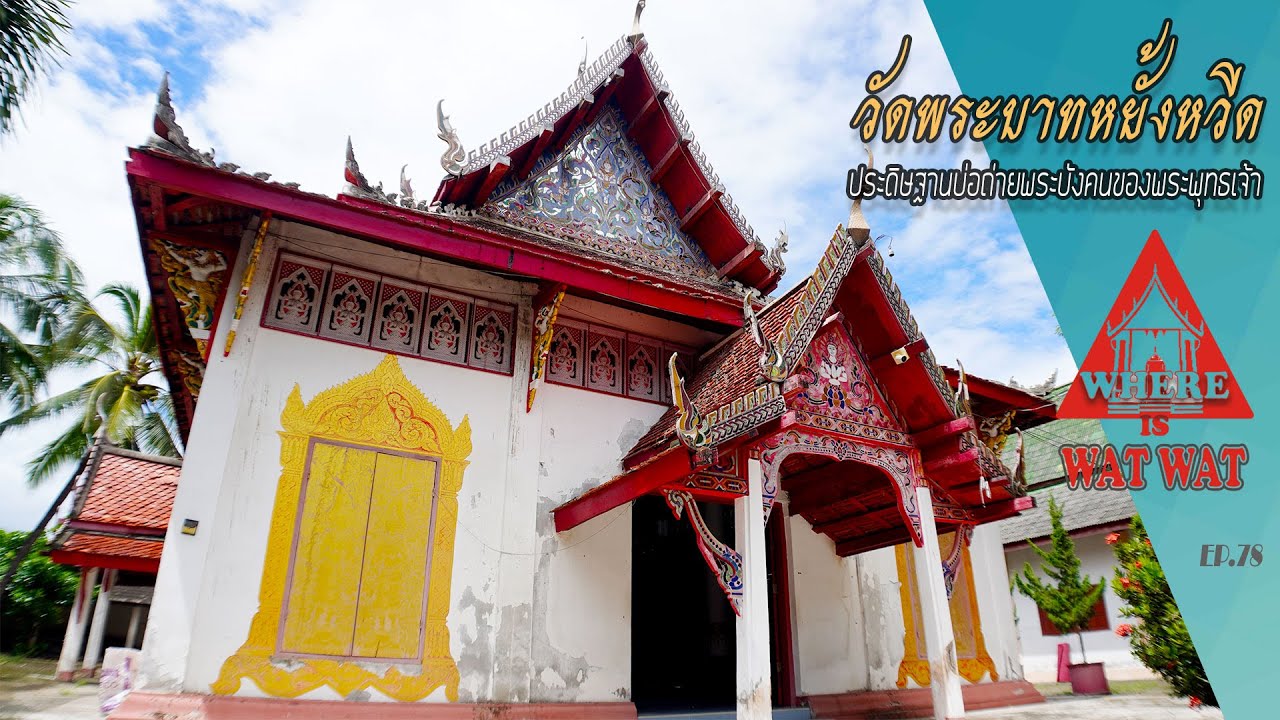
 Click to Access the Navigation Map GPS
Wat Phrabat Yang Wit Map
Recommend

 Muang Chiang Mai(121)Chom Thong(47)Mae Chaem(25)Chiang Dao(33)Doi Saket(68)Mae Taeng(85)Mae Rim(69)Samoeng(29)Fang(71)Mae Ai(59)Phrao(70)San Pa Tong(103)San Kamphaeng(66)San Sai(73)Hang Dong(73)Hot(32)Doi Tao(22)Omkoi(11)Saraphi(74)Wiang Haeng(15)Chai Prakan(28)Mae Wang(32)Mae On(22)Doi Lo(33)Galyani Vadhana(1)


