
lovethailand home >North Travel Attractions >Chiang Mai Travel Attractions >San Sai >Mae Faek > Wat Nong Ma Chap
TL;DR: Wat Nong Ma Chap is located at Ban Nong Ma Chap, Moo 1, Mae Faek Subdistrict, San Sai District, Chiang Mai Province, open Daily, hours 08.00 – 17.00.

Wat Nong Ma Chap
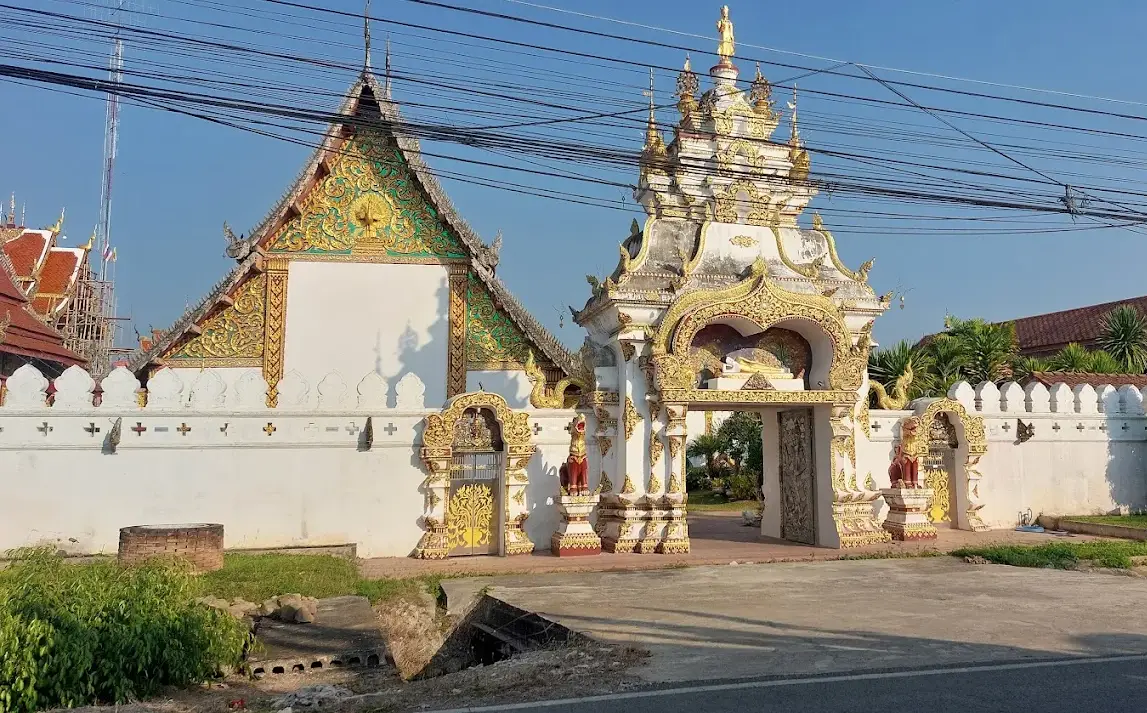
Open Days: Daily
Opening Hours: 08.00 – 17.00
Wat Nong Ma Chap in Ban Nong Ma Chap, Moo 1, Mae Faek Subdistrict, San Sai District, Chiang Mai Province, is a local Buddhist temple under the Mahanikaya order. It is an important spiritual and community center for Ban Nong Ma Chap, a village located along the Chiang Mai–Phrao route. The temple is meaningful not only as a place of worship but also as part of a wider community tourism route connected with OTOP village activities, local agriculture, village markets, cycling routes, community forest, and the traditional rural way of life in northern Chiang Mai.
The temple is located at No. 34 (245), Ban Nong Ma Chap, Moo 1, Mae Faek Subdistrict, San Sai District, Chiang Mai 50290, Thailand. Its temple land covers 6 rai, 3 ngan, and 39 square wah. The temple was officially established in 1894 and received its Wisungkham Sima on June 3, 1971. The consecrated boundary measures 20 meters wide and 30 meters long, allowing the temple to perform important monastic rites according to Buddhist discipline.
The history of Wat Nong Ma Chap began in an area that was once dense forest and home to many wild animals. Later, Thao Damrong, who looked after the forest, and local villagers began to settle in the area, clearing land for farming and building houses. As the settlement grew to around 60 households, villagers still had to travel about 4 kilometers to Wat Rom Luang for merit-making. The journey was difficult at the time, so the community agreed to build its own village temple.
Led by Thao Damrong, villagers cut timber, cleared the forest, and built the first temple structure on May 17, 1894. This first building was called Wihan Pham Khwai. It became the beginning of Wat Nong Ma Chap as the spiritual center of the village. The temple’s foundation reflects a typical Lanna community pattern: once a village became settled, villagers worked together to establish a temple as a place for merit-making, sermons, rituals, and shared identity.
The temple was originally known by villagers as Wat Ban Nong Ka Chap before becoming Wat Nong Ma Chap. The name is closely connected with Ban Nong Ma Chap and the local pond that villagers also call Nong Lom. This link between temple name, village name, and natural water source shows how deeply the temple is rooted in the local landscape.
Phra Pok from Wat Mae Kha Chan in Mae Taeng District is remembered as the first abbot of Wat Nong Ma Chap. The temple has been cared for by a long succession of abbots, including Phra Pok, Phra O, Phra Ta, Phra Suea, Phra Khiao, Phra Kon, Phra Kaen, Phra Thongsuk, Phra Norkaew, Phra Khru Boonyuen, Phra Suraphon Buddhisaro, and later abbots who continued the development of the temple. This continuity of monastic care has helped the temple remain active as a living Buddhist institution.
The current abbot is Phra Khru Sujit Methawat (Jittadanto). The temple has 5 resident monks and continues to participate in annual Buddhist activities, including Kathin, Buddhist holy days, merit-making ceremonies, and local religious events. Under the current monastic leadership, the temple has seen extensive development, including the restoration of the chedi, the construction of Buddha-image bases, the bell tower, monks’ residences, bathrooms, a groundwater system, Phra Buddha Metta, the Phra Buddha Metta mandapa, ubosot renovation, temple gate construction, and landscape improvement.
The key areas of Wat Nong Ma Chap include the chedi, ubosot, vihara, sermon hall, Phra Buddha Metta mandapa, monks’ residences, bell tower, temple gateway, courtyard, and merit-making activity spaces. The chedi is one of the main sacred structures, while the ubosot is used for important monastic rites. The vihara and sermon hall support worship, community gatherings, and Buddhist teachings. These structures show that Wat Nong Ma Chap is a fully functioning village temple rather than a purely decorative religious site.
The temple also houses several important sacred objects and devotional points, including Phra Buddha Metta, Luang Pho Nak Song Khrueang, Phra Upakhut, Phra Sivali, and Sala Pu Sam Thao. These features reflect the layered devotional culture of northern Thai Buddhism, where Buddha images, protective figures, revered monks, and local sacred traditions exist together within one community temple.
Phra Buddha Metta is one of the temple’s important sacred images. It is a brass Buddha image covered with gold leaf and measures 45 inches across the lap. A mandapa was built as its place of enshrinement. In a village temple, creating a Buddha image and mandapa is not simply a matter of adding structures; it creates a shared devotional focus where villagers can pay respect, make offerings, and cultivate merit together.
A major place connected with the temple is Phutthasathan Thammarak Santiwan, also known as Ku Sam Thao Ancient Site. It is a branch of Wat Nong Ma Chap located in the Ban Nong Ma Chap community forest. The area has been developed with Buddha-image halls, restored Buddha images, a crowned naga-protected Buddha image, concrete road improvements, images of Pu Sam Thao, a sala, monks’ residence, and bathrooms. This expands the temple’s role beyond the main temple compound into the wider sacred landscape of the village.
Ban Nong Ma Chap is also an OTOP Nawatwithi community tourism village. Its main natural attraction is Nong Ma Chap, also called Nong Lom by local people. The pond is used for community tourism activities, especially during the hot season in April when villagers hold Songkran-related activities, water play, sea boxing, and water sports. The village also has a community market where local agricultural produce and processed products are sold.
The village tourism route includes Ku Sam Thao Ancient Site, the local floating market area, Wat Nong Ma Chap, the village cycling route, OTOP learning centers, a giant catfish breeding pond, Saturday market, named-tree community forest, and the community fund management center. This makes Wat Nong Ma Chap an important stop on a route that combines worship, community culture, agriculture, village products, and local livelihoods.
The atmosphere of Wat Nong Ma Chap is calm, local, and community-oriented. It does not aim to be a large city landmark. Its value lies in the relationship between temple, village, irrigation, farmland, community forest, and local tourism. Visitors can experience the role of a temple that remains active in everyday village life while also connecting with the wider OTOP tourism identity of Ban Nong Ma Chap.
Kathin is one of the temple’s important annual ceremonies. During Kathin, villagers and devotees offer robes and support the maintenance of the temple and monastic community. This ceremony is not only a religious ritual but also a way for local people, former residents, and supporters to gather and continue their relationship with the village temple.
Other important activities include robe-offering events, Buddhist holy days, Buddhist Lent, the end of Buddhist Lent, village merit-making, and local religious ceremonies. These activities make the temple a living center of community cooperation. Wat Nong Ma Chap is therefore important not only for monks but also for villagers who use it as a shared space for religious and social life.
For visitors, the best way to experience the temple is to walk calmly through the compound and observe the chedi, ubosot, vihara, sermon hall, bell tower, gateway, Phra Buddha Metta mandapa, and surrounding courtyard. Travelers interested in community culture should also connect the visit with Phutthasathan Thammarak Santiwan, Nong Ma Chap pond, the OTOP learning area, and the local market when available.
Getting There is convenient by private car or motorcycle. From Chiang Mai city, take Highway 1001 or the Chiang Mai–Phrao road toward San Sai, passing Mae Jo and Mae Faek. Continue into Ban Nong Ma Chap, Moo 1. The temple is located within the village and can be visited as part of a half-day or full-day cultural route through Mae Faek.
Wat Nong Ma Chap can be combined with nearby temples and attractions such as Nong Ma Chap pond, Ku Sam Thao Ancient Site, Phutthasathan Thammarak Santiwan, the Nong Ma Chap community market, Wat Rom Luang, Wat Si Ngam, Wat Si Sai Mun, Wat Phra That Chom Kitti, and Wat Ban Pong. This route gives visitors a deeper understanding of Mae Faek’s community temples, agricultural landscape, and local tourism identity.
Visitors should dress modestly, keep their voices low, avoid entering monks’ residences without permission, and photograph sacred areas respectfully. The temple remains an active Buddhist site for the local community, so it should be treated first as a place of worship and community faith.
Overall, Wat Nong Ma Chap is a meaningful community temple in Mae Faek Subdistrict. Its strongest value lies in its foundation in 1894, the story of Thao Damrong and the villagers who built the first temple structure, the consecrated boundary granted in 1971, its chedi, ubosot, vihara, Phra Buddha Metta mandapa, Phutthasathan Thammarak Santiwan, and its strong connection with Ban Nong Ma Chap OTOP community tourism. For travelers seeking a quiet, authentic, and culturally grounded temple in northern San Sai, Wat Nong Ma Chap is a worthwhile stop.
| Name | Wat Nong Ma Chap |
| Location | Ban Nong Ma Chap, Moo 1, Mae Faek Subdistrict, San Sai District, Chiang Mai Province |
| Address | No. 34 (245), Ban Nong Ma Chap, Moo 1, Mae Faek Subdistrict, San Sai District, Chiang Mai 50290, Thailand |
| Type | Local Buddhist temple under the Mahanikaya order |
| Abbot / Caretaker | Phra Khru Sujit Methawat (Jittadanto) |
| Highlights | Old community temple of Ban Nong Ma Chap, chedi, ubosot, vihara, sermon hall, Phra Buddha Metta mandapa, bell tower, temple gateway, and connection with Ban Nong Ma Chap OTOP Nawatwithi community tourism |
| History | Established in 1894. The temple was originally called Wat Ban Nong Ka Chap and was initiated by Thao Damrong together with local villagers. |
| Wisungkham Sima | Granted on June 3, 1971. The consecrated boundary measures 20 meters wide and 30 meters long. |
| Temple Land Area | 6 rai, 3 ngan, and 39 square wah, with 2 additional monastic land plots totaling 5 rai and 2 ngan |
| Boundaries | North: road and village; South: road and village; East: irrigation canal and rice fields; West: irrigation canal and road |
| Name Origin | The name comes from Ban Nong Ma Chap and the village pond also known locally as Nong Lom |
| Main Areas / Zones | Chedi, ubosot, vihara, sermon hall, Phra Buddha Metta mandapa, monks’ residences, bell tower, temple gateway, courtyard, and merit-making activity areas |
| Important Sacred Objects | Chedi, Phra Buddha Metta, Luang Pho Nak Song Khrueang, Phra Upakhut, Phra Sivali, and Sala Pu Sam Thao |
| Connected Sacred Site | Phutthasathan Thammarak Santiwan, also known as Ku Sam Thao Ancient Site, located in the Ban Nong Ma Chap community forest as a branch of Wat Nong Ma Chap |
| Traditions / Merit-Making | Buddhist holy days, major Buddhist festivals, Buddhist Lent, the end of Buddhist Lent, Kathin, robe-offering activities, and Ban Nong Ma Chap community merit-making events |
| Travel Information | From Chiang Mai city, take Highway 1001 or the Chiang Mai–Phrao road toward San Sai, passing Mae Jo and Mae Faek, then enter Ban Nong Ma Chap, Moo 1. |
| Current Status | Open as a local Buddhist temple and community sacred site of Ban Nong Ma Chap, Mae Faek Subdistrict, San Sai District, Chiang Mai |
| Open Days | Daily |
| Opening Hours | 08.00 – 17.00 |
| Facilities | Worship areas, temple courtyard, sermon hall, bathrooms, monks’ residences, village parking area, and religious activity spaces |
| Ban Nong Ma Chap Community Tourism Contact | 081-883-1867 |
| Nearby Tourist Attractions | 1. Nong Ma Chap / Nong Lom, about 0.5 km 2. Ku Sam Thao Ancient Site / Phutthasathan Thammarak Santiwan, about 1 km 3. Nong Ma Chap Agricultural Nawatwithi Community Market, about 1 km 4. Wat Rom Luang, Mae Faek Subdistrict, about 4 km 5. Wat Si Ngam, Mae Faek Subdistrict, about 5 km 6. Wat Phra That Chom Kitti, about 12 km |
| Nearby Restaurants | 1. CHA 168 Mae Faek Mai, about 5 km, Tel. 081-749-1549, 080-052-9538 2. Enjoy Healthy Food Mae Faek Mai, about 6 km, Tel. 085-082-3953, 099-218-9339 3. Moonshine Cafe, about 7 km, Tel. 092-365-1178 4. M&M Cha, about 8 km, Tel. 093-032-2321 5. Memory Coffee House Nong Han San Sai, about 8 km, Tel. 094-602-3773 6. Mum Aroi Food Court, about 8 km, Tel. 052-014-190 |
| Nearby Accommodations | 1. The Royal Chiang Mai Golf Resort, about 8 km, Tel. 083-568-9797, 083-578-2727, 083-576-4747 2. Innbox Chiangmai Hotel, about 9 km, Tel. 081-171-0247 3. Mae Faek Villas, about 10 km, Tel. 081-287-9011 4. Dream Villa Resort @ Chiang Mai, about 11 km, Tel. 099-291-6447 5. Holiday Resort Rimping, about 12 km 6. Tao Garden Health Spa & Resort, about 20 km, Tel. 084-028-0230 |
Frequently Asked Questions (FAQ)
Q: Where is Wat Nong Ma Chap located?
A: Wat Nong Ma Chap is located in Ban Nong Ma Chap, Moo 1, Mae Faek Subdistrict, San Sai District, Chiang Mai Province, along the Chiang Mai–Phrao travel corridor.
Q: When was Wat Nong Ma Chap established?
A: Wat Nong Ma Chap was established in 1894, initiated by Thao Damrong and local villagers who wanted a temple within their own community.
Q: What was Wat Nong Ma Chap originally called?
A: The temple was originally known by villagers as Wat Ban Nong Ka Chap before becoming Wat Nong Ma Chap.
Q: What are the main highlights of the temple?
A: The highlights include the chedi, ubosot, vihara, sermon hall, Phra Buddha Metta mandapa, bell tower, temple gateway, and the temple’s connection with Ban Nong Ma Chap OTOP community tourism.
Q: Who is the abbot of Wat Nong Ma Chap?
A: The abbot is Phra Khru Sujit Methawat (Jittadanto), who has played an important role in temple development and community Buddhist activities.
Q: When did Wat Nong Ma Chap receive Wisungkham Sima?
A: Wat Nong Ma Chap received Wisungkham Sima on June 3, 1971. The consecrated boundary measures 20 meters wide and 30 meters long.
Q: What nearby places can be visited on the same trip?
A: Nearby places include Nong Ma Chap pond, Ku Sam Thao Ancient Site, Phutthasathan Thammarak Santiwan, Nong Ma Chap community market, Wat Rom Luang, Wat Si Ngam, and Wat Phra That Chom Kitti.
Q: Who should visit Wat Nong Ma Chap?
A: The temple is suitable for travelers interested in Lanna community temples, village history, OTOP tourism, agricultural communities, and cultural routes in San Sai District.
 Category: ●Places of Worship
 Group: ●Temple
Last Update : 6 DayAgo
 Last Update : 6 DayAgo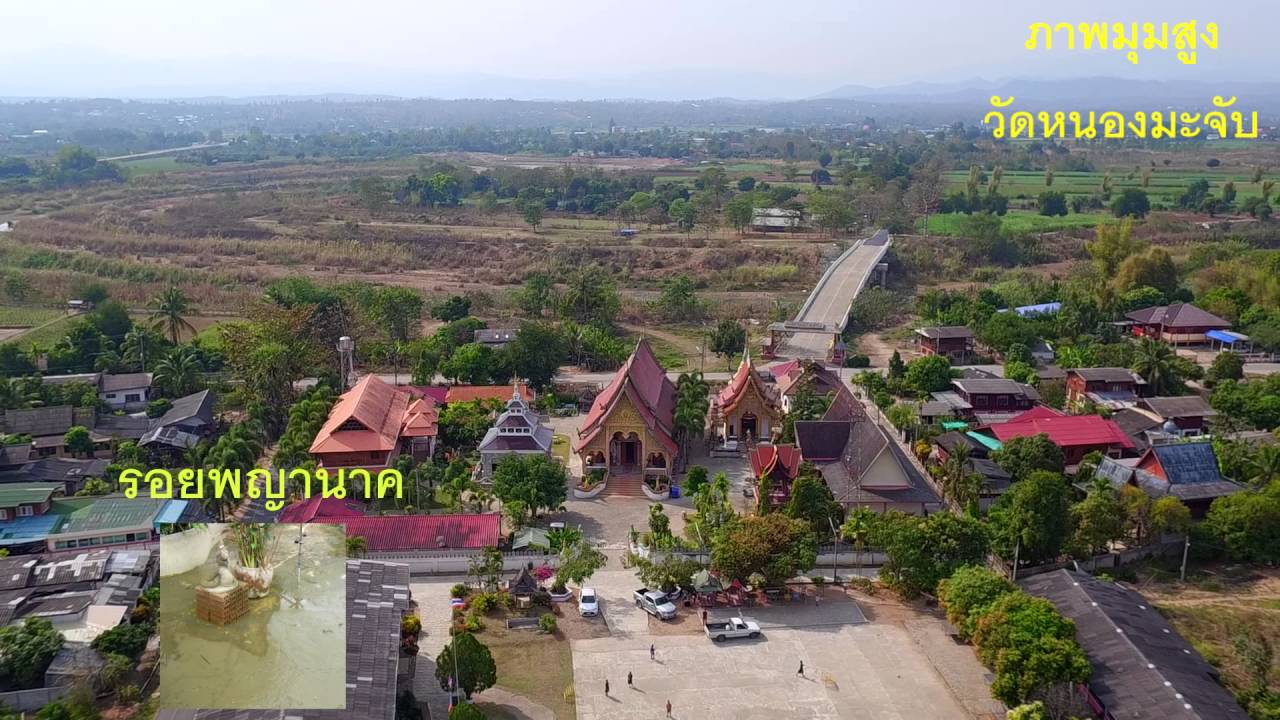
 Click to Access the Navigation Map GPS
Wat Nong Ma Chap Map
Recommend

 Muang Chiang Mai(121)Chom Thong(47)Mae Chaem(25)Chiang Dao(33)Doi Saket(68)Mae Taeng(85)Mae Rim(69)Samoeng(29)Fang(71)Mae Ai(59)Phrao(70)San Pa Tong(103)San Kamphaeng(66)San Sai(73)Hang Dong(73)Hot(32)Doi Tao(22)Omkoi(11)Saraphi(74)Wiang Haeng(15)Chai Prakan(28)Mae Wang(32)Mae On(22)Doi Lo(34)Galyani Vadhana(1)


