
lovethailand home >North Travel Attractions >Chiang Mai Travel Attractions >San Kamphaeng >Rong Wuadaeng > Wat Langkar
TL;DR: Wat Langkar is located at Moo 2, Rong Wua Daeng Subdistrict, San Kamphaeng District, Chiang Mai Province. Highlights include A Mahanikaya community temple connected with Ban Mai village and Buddhist activities in Rong Wua Daeng Subdistrict.

Wat Langkar
Operating day: Daily
Operating time: 08.00 - 17.00
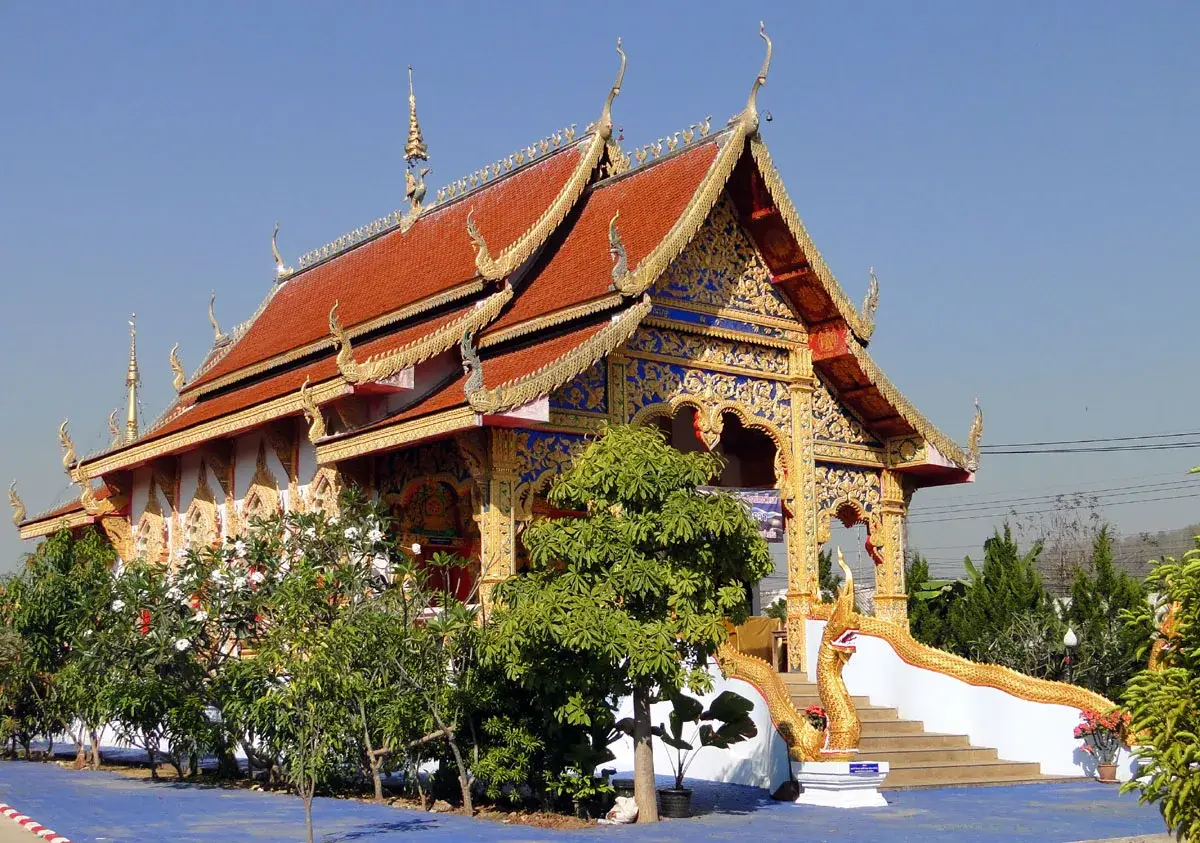
Wat Langkar, also locally known as Wat Ban Mai, is a community Buddhist temple in Moo 2, Rong Wua Daeng Subdistrict, San Kamphaeng District, Chiang Mai Province. It is a private Buddhist temple under the Mahanikaya order and serves as one of the spiritual centers of Ban Mai village. Unlike Chiang Mai’s major landmark temples, Wat Langkar is valued for its quiet local character, its connection with village life, and its role in everyday Buddhist practice within the Rong Wua Daeng community.
Wat Langkar was officially permitted to be established as a temple in 1934 and received its royal grant of consecrated boundary, or Wisungkhamsima, in 1956. These dates are important because they show the temple’s development from a village faith space into a recognized Buddhist institution within the Thai Sangha system. The granting of Wisungkhamsima is especially significant for a temple because it defines the sacred boundary used for formal monastic acts. For visitors interested in local Buddhist history, Wat Langkar is therefore more than a small rural temple; it is a living religious site that has grown alongside Ban Mai village and Rong Wua Daeng Subdistrict for many decades.
The identity of Wat Langkar is closely tied to its local setting. Rong Wua Daeng Subdistrict lies in the eastern part of San Kamphaeng District, an area known for villages, temples, local agriculture, craft routes, and cultural communities outside central Chiang Mai. The local name Wat Ban Mai reflects the temple’s relationship with Ban Mai village in Moo 2. For local residents, the temple is not simply a place to visit; it is a familiar space for merit-making, Buddhist ceremonies, Kathin, robe-offering activities, Buddhist Lent observances, and community gatherings throughout the year.
Phra Khru Chotirattanalangkar Ratanachoto is listed as the abbot of Wat Langkar in current public temple information. The temple also appears in the 2025 Kathin listing with 5 resident monks. This confirms that the temple continues to function as an active Buddhist community temple. In a village temple such as Wat Langkar, the role of the abbot is not limited to maintaining buildings and religious order. The abbot also helps preserve the relationship between the monastic community and laypeople, supports merit-making events, receives local religious invitations, and helps guide the temple’s place within the community.
Historically, Wat Langkar should be understood through the development of Ban Mai village and Rong Wua Daeng Subdistrict. The temple’s establishment in 1934 came during a period when village temples in Chiang Mai played a central role in rural life. Temples served not only as places for worship but also as moral learning spaces, community meeting points, and centers of social support. When Wat Langkar received its Wisungkhamsima in 1956, its religious status became more clearly defined, allowing it to serve the Buddhist community in a more complete and formal way.
The main appeal of Wat Langkar is its simplicity. Visitors who are familiar with the grand temples inside Chiang Mai Old City will find a different atmosphere here. Wat Langkar is not a monument built primarily for tourism. It is a functioning village temple where calm surroundings, local faith, and daily community life are more important than grand visual spectacle. Its charm lies in the quiet temple grounds, the rhythm of local merit-making, and the feeling of being close to the real religious life of San Kamphaeng’s rural communities.
For travelers exploring Buddhist temples in San Kamphaeng, Wat Langkar can be included in a local route through Rong Wua Daeng and nearby communities. A visit can be combined with Wat Wang Than, Wat Rong Wua Daeng, Wat Nam Cham, Chiangmai Art Museum, Ban Mai Friday Market, and other local attractions in the district. This route is suitable for travelers who want to see a quieter side of Chiang Mai beyond the better-known umbrella-making village, hot springs, and major city temples.
Wat Langkar also plays a role in local Buddhist traditions. Public activity records connect the temple with Buddhist Lent activities in Rong Wua Daeng Subdistrict, and the temple appears in the 2025 Kathin program. These events reflect the continuing connection between the temple and the surrounding community. They also show how Buddhist tradition remains active in local life, not only as formal religion but as a shared social practice that brings monks, elders, families, and villagers together.
In the context of Lanna culture, Wat Langkar is part of the network of village temples that preserve community identity in San Kamphaeng. Temples like this help maintain traditional merit-making, local gatherings, respect for monks, and intergenerational participation in Buddhist life. Elderly residents, families, children, and local leaders all meet through temple-related activities. For foreign travelers, this makes Wat Langkar a useful place to understand how Buddhism functions in everyday village life in northern Thailand.
Visitors should observe proper temple etiquette. Dress modestly, keep voices low, avoid disturbing monks or local people during ceremonies, and park only where it does not block village access. As this is a community temple, some areas may be used for religious events, meetings, or village activities. Travelers who wish to make merit, visit during an event, or ask specific questions should contact the temple in advance using the verified phone number.
Getting There is most convenient by private car, rental car, or local transport from Chiang Mai city. Travel east toward San Kamphaeng District, then continue into Rong Wua Daeng Subdistrict and Ban Mai village in Moo 2. The area is a local community zone, so visitors should use a navigation map together with local signage. Wat Langkar is suitable for a half-day or full-day route combined with nearby temples, local food, and community attractions around San Kamphaeng.
Wat Langkar is best suited for travelers who want to understand Chiang Mai through its living village temples rather than only its major tourist landmarks. Its importance comes from its long-standing role in Ban Mai village, its establishment in 1934, its royal consecrated boundary in 1956, and its continuing use as a Buddhist community temple. The temple’s value lies in continuity, local faith, and the quiet relationship between the temple and the surrounding community.
| Name | Wat Langkar, also known as Wat Ban Mai |
| Location | Moo 2, Rong Wua Daeng Subdistrict, San Kamphaeng District, Chiang Mai Province |
| Address | 45 Moo 2, Rong Wua Daeng Subdistrict, San Kamphaeng District, Chiang Mai 50130, Thailand |
| Highlights | A Mahanikaya community temple connected with Ban Mai village and Buddhist activities in Rong Wua Daeng Subdistrict |
| History | Officially established as a temple in 1934 and received its royal Wisungkhamsima in 1956 |
| Name Origin | Also known locally as Wat Ban Mai because it is located in Ban Mai village, Moo 2 |
| Distinctive Features | A quiet village temple with a close relationship to local Buddhist life in San Kamphaeng |
| Travel Information | Travel by private car, rental car, or local transport from Chiang Mai city toward San Kamphaeng, then continue to Rong Wua Daeng Subdistrict and Ban Mai village |
| Current Status | Active community Buddhist temple in Rong Wua Daeng Subdistrict |
| Temple Type | Private Buddhist temple under the Mahanikaya order |
| Abbot / Caretaker | Phra Khru Chotirattanalangkar Ratanachoto |
| Main Contact Number | 053-880-604 |
| Main Areas / Activities | Merit-making space, Buddhist ceremonies, Kathin, Buddhist Lent activities, and local community gatherings |
| Nearby Tourist Attractions | 1. Wat Wang Than, about 3 km 2. Wat Rong Wua Daeng, about 4 km 3. Wat Nam Cham, about 5 km 4. Chiangmai Art Museum, about 5 km 5. Ban Mai Friday Market, about 4 km |
| Nearby Restaurants | 1. Mahalap Farm Country Home Coffee & Bakery, about 3 km, Tel. 080-129-7878, 092-951-5156 2. Lung Daeng Braised Tendon Noodle, about 3 km, Tel. 099-268-2762 3. Green Moon Cafe & Bistro, about 5 km, Tel. 094-617-4004 4. Rong Wua Daeng Mookata, about 5 km, Tel. 092-352-2881 5. Kin Pu Du Na On Tai San Kamphaeng, about 7 km, Tel. 094-265-6094 |
| Nearby Accommodations | 1. Sanaepatan Home Resort, about 6 km, Tel. 092-815-5029 2. Baanpong Lodge, about 9 km, Tel. 083-969-6555 3. Herritage Piman Since 1940, about 7 km, Tel. 081-595-4897 4. Alpine Golf Resort Chiang Mai, about 14 km, Tel. 053-880-888 5. Fai Kham Boutique, about 13 km, Tel. 053-960-887 |
Frequently Asked Questions (FAQ)
Q: Where is Wat Langkar located?
A: Wat Langkar is located in Moo 2, Rong Wua Daeng Subdistrict, San Kamphaeng District, Chiang Mai Province.
Q: What type of temple is Wat Langkar?
A: Wat Langkar is a private Buddhist temple under the Mahanikaya order.
Q: Why is Wat Langkar historically important?
A: The temple was officially established in 1934 and received its royal Wisungkhamsima in 1956.
Q: Who is the abbot of Wat Langkar?
A: The abbot is Phra Khru Chotirattanalangkar Ratanachoto.
Q: Is Wat Langkar suitable for foreign travelers?
A: Yes. It is suitable for travelers who want to experience a quiet local Buddhist temple and village life in San Kamphaeng.
Q: What is the contact number for Wat Langkar?
A: The verified main contact number is 053-880-604.
Q: What nearby places can be visited with Wat Langkar?
A: Nearby places include Wat Wang Than, Wat Rong Wua Daeng, Wat Nam Cham, Chiangmai Art Museum, and Ban Mai Friday Market.
 Category: ●Places of Worship
 Group: ●Temple
Last Update : 1 WeekAgo
 Last Update : 1 WeekAgo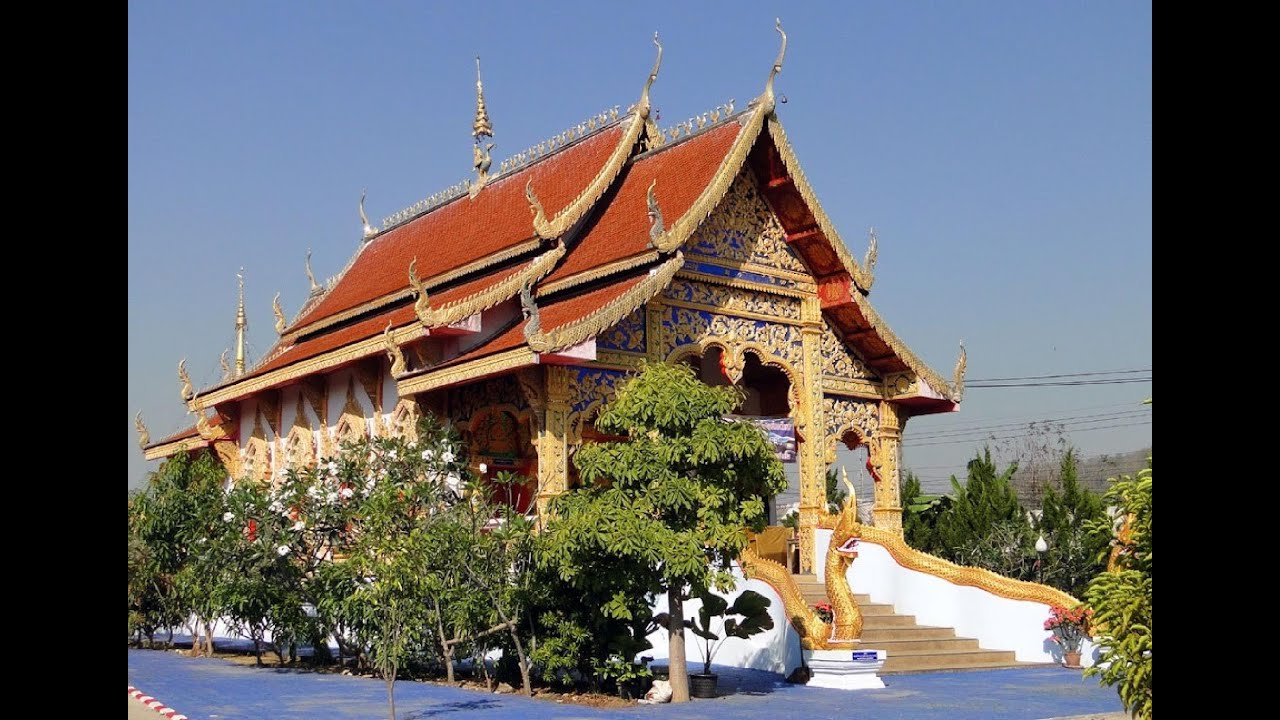
 Click to Access the Navigation Map GPS
Wat Langkar Map
Recommend

 Muang Chiang Mai(121)Chom Thong(47)Mae Chaem(25)Chiang Dao(33)Doi Saket(68)Mae Taeng(85)Mae Rim(69)Samoeng(29)Fang(71)Mae Ai(59)Phrao(70)San Pa Tong(103)San Kamphaeng(66)San Sai(73)Hang Dong(73)Hot(32)Doi Tao(22)Omkoi(11)Saraphi(74)Wiang Haeng(15)Chai Prakan(28)Mae Wang(32)Mae On(22)Doi Lo(33)Galyani Vadhana(1)


