
lovethailand home >North Travel Attractions >Chiang Mai Travel Attractions >Mae Ai >San Tonmue > Wat San Ton Mue
TL;DR: Wat San Ton Mue is located at Moo 4, Ban San Ton Mue, San Ton Mue Subdistrict, Mae Ai District, Chiang Mai Province, open Daily, hours 08.00 – 17.00.

Wat San Ton Mue
Open Days: Daily
Opening Hours: 08.00 – 17.00
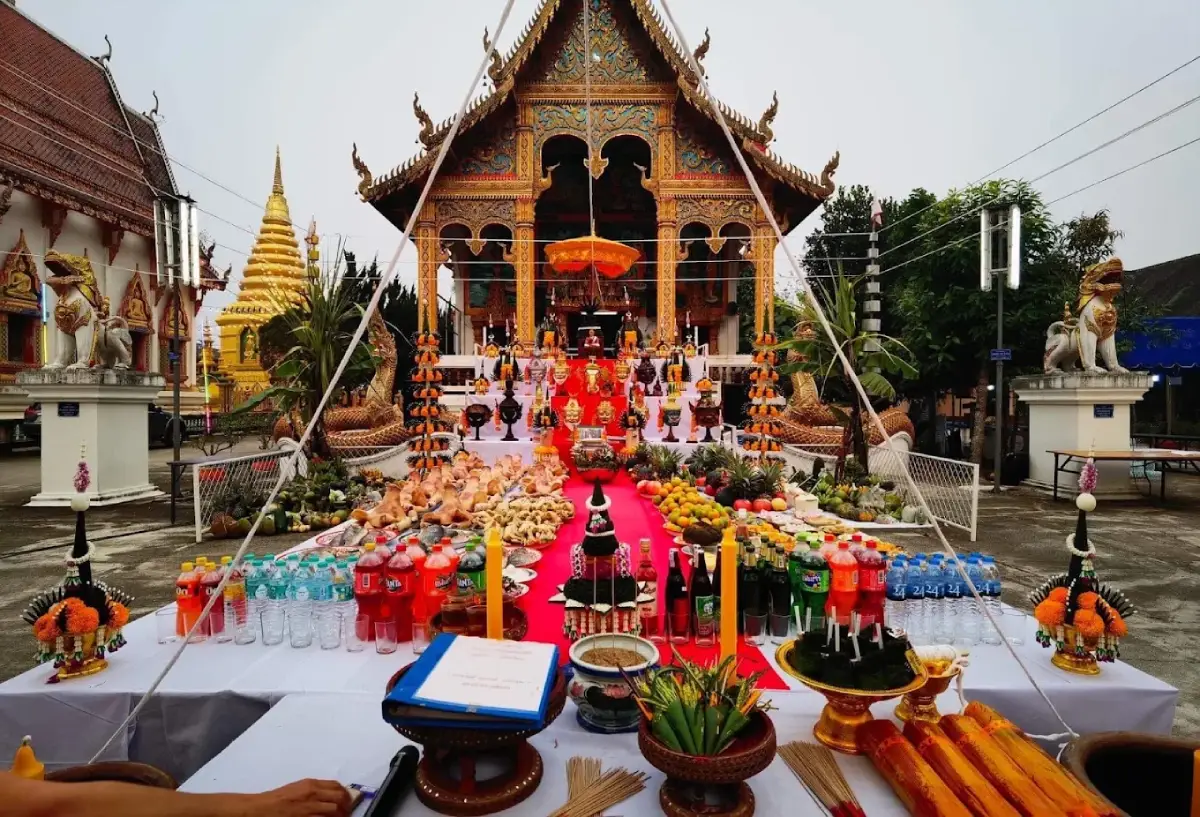
Wat San Ton Mue is a local Buddhist temple in Moo 4, Ban San Ton Mue, San Ton Mue Subdistrict, Mae Ai District, Chiang Mai Province. It is a private-sector temple under the Mahanikaya order. The temple was officially established in 1932 and received its Wisungkham Sima in 2008, marking its recognized sacred boundary for important monastic ceremonies. Today, Wat San Ton Mue remains an active community temple with a calm atmosphere, shaded grounds, a Lanna-style entrance area, images of Thao Wessuwan, a hermitage dedicated to Phor Pu Rue Si, sacred worship areas, and the Sri Somboon Ming Mongkol Chedi.
Wat San Ton Mue is located in a rural community in northern Chiang Mai, within Mae Ai District. San Ton Mue Subdistrict is closely connected with agriculture, local markets, Buddhist temples, and traditional Lanna community life. Ban San Ton Mue, where the temple stands, is one of the subdistrict’s important villages. For local residents, the temple is not simply a religious site, but a familiar center for merit-making, ceremonies, community gatherings, and the preservation of Buddhist values across generations.
The temple’s official history dates back to 1932, when it was granted permission to be established as a temple. This period was a time when village temples in northern Thailand played a central role in education, merit-making, social relationships, and cultural continuity. Wat San Ton Mue developed within this context as a spiritual anchor for the local community, supported by residents who used the temple for Buddhist rituals, seasonal ceremonies, and important village events.
Wat San Ton Mue was formerly known as Wat San Pa Hiang. It later changed its name to Wat San Ton Mue, following the name of a local tree known as ton mue. This naming pattern reflects a common Lanna tradition in which temples are linked to natural features, village names, local plants, or distinctive characteristics of the area. Because the temple name is also tied to the village and subdistrict name, Wat San Ton Mue has become a cultural landmark of the local community.
The granting of Wisungkham Sima in 2008 was an important milestone for the temple. In Thai Buddhist tradition, Wisungkham Sima refers to a formally designated sacred boundary used by the Sangha for monastic acts. This status is closely associated with an ordination hall and major religious functions. For Wat San Ton Mue, the recognition of this boundary reflects the temple’s established role, permanent religious presence, and continued importance within Mae Ai’s Buddhist community.
The current abbot of Wat San Ton Mue is Phra Maha Warin Narintho. His name appears in connection with the temple across multiple public sources, and he is one of the key figures associated with the temple’s contemporary identity. Under his presence, Wat San Ton Mue is recognized not only as a local village temple, but also as a place known among visitors interested in northern Thai temples, Lanna-style faith, sacred objects, and community-based Buddhist travel in Mae Ai District.
The atmosphere of Wat San Ton Mue is quiet and local rather than crowded or commercial. Visitors will find shaded areas, trees, temple grounds, and a peaceful environment suitable for paying respect, making merit, and observing everyday Buddhist life in a rural northern Thai community. This simplicity is one of the temple’s main appeals. It allows travelers to experience a living community temple rather than a heavily touristic landmark.
At the temple entrance, visitors can see a Lanna-style entrance area with two images of Thao Wessuwan. In Buddhist and Thai religious belief, Thao Wessuwan is widely respected as a guardian deity associated with protection, prosperity, and auspicious blessings. The presence of these figures at the entrance gives the temple a distinctive spiritual character and makes this area one of the first points of interest for visitors arriving at the temple.
Inside the temple grounds, the Phor Pu Rue Si hermitage and the sacred blessing area reflect the layered religious culture often found in northern Thai community temples. Buddhist faith, respect for teachers, reverence for ascetic sages, and local beliefs about protection and blessings coexist naturally within the temple setting. For cultural travelers, these areas help reveal how Lanna communities understand sacred space through both Buddhist practice and local devotional traditions.
The Sri Somboon Ming Mongkol Chedi is another important feature associated with Wat San Ton Mue. A chedi represents merit, devotion, and remembrance of the Buddha’s teachings. Within a community temple, a chedi is also a visible expression of collective faith. It strengthens the temple’s role as a sacred site for worship, merit-making, and community identity.
Other important areas of the temple include the main worship spaces, temple courtyard, community activity areas, monastic buildings, and spaces used for Buddhist rituals. Detailed public information on each building is limited, but the temple’s status and role indicate that it supports the ordinary religious life of the village, including merit-making, Buddhist observances, and annual ceremonies common to rural temples in northern Thailand.
Religious life around Wat San Ton Mue is closely connected with Lanna Buddhist traditions. In San Ton Mue Subdistrict, local cultural activities include Buddhist merit-making and traditional ceremonies such as New Year observances, Kathin, Pha Pa, and Tan Kuai Salak, a well-known northern Thai merit-making tradition. Through such activities, temples in the subdistrict continue to preserve local customs, community bonds, and the cultural rhythm of village life.
The main value of Wat San Ton Mue lies not in monumental scale, but in its authenticity as a community temple. Travelers who appreciate small local temples will find a place that reflects everyday Lanna Buddhist life. The temple is especially suitable for those who want to understand how temples, villages, and local identity are connected in Mae Ai District. It is a destination for slow travel, respectful visits, and cultural observation.
Recommended points of interest include the main Buddhist worship area, the entrance gateway, the two images of Thao Wessuwan, the Phor Pu Rue Si hermitage, the blessing area, and the Sri Somboon Ming Mongkol Chedi. Visitors should dress modestly, speak quietly, avoid disturbing monks or local worshippers, and be respectful when taking photographs, especially during ceremonies or merit-making activities.
Wat San Ton Mue can be included in a cultural route through Mae Ai District. Nearby temples and places include Wat Hong Ha Noi, Wat Sai Daeng, Wat Chai Chana Ram, Wat Santi Wan, and Wat Phra Chedi Chiang Phaya, also known as Wat Pa Tueng. Travelers with more time can continue toward Thaton, Wat Thaton, the Kok River area, and nature destinations in Mae Ai and Fang. This makes Wat San Ton Mue a useful stop for visitors who want to explore the quieter northern edge of Chiang Mai Province.
Getting There is most convenient by private car, rental car, or local hired transport. From Chiang Mai city, travel north toward Fang and Mae Ai, then continue into San Ton Mue Subdistrict. The temple is located in Moo 4, Ban San Ton Mue. Because Mae Ai is far from Chiang Mai city, visitors should start early or plan an overnight stay in Mae Ai, Thaton, or Fang for a more relaxed trip.
From Mae Ai town, local roads lead into San Ton Mue Subdistrict through villages and agricultural areas. The route offers a quieter view of northern Chiang Mai, away from the busy city. A practical day itinerary is to visit Wat San Ton Mue first, continue to nearby temples in the same subdistrict, and then head toward Thaton or Fang. This route gives travelers a broader picture of Mae Ai through temples, villages, local markets, and rural scenery.
Culturally, Wat San Ton Mue shows how deeply a temple can be connected with a village. Its name is linked to the village and the local landscape. Its history reaches back to 1932. Its sacred boundary was recognized in 2008. Its religious spaces continue to support Buddhist worship and local traditions. Visiting the temple is therefore not just about seeing a place, but about understanding a living relationship between faith, community, and Lanna identity.
For travelers who prefer peaceful temples, Wat San Ton Mue offers a different experience from the famous temples in central Chiang Mai. There are no large tourist crowds and no strong commercial atmosphere. Visitors can spend time quietly, pay respect, observe the sacred features, and continue to nearby community attractions. It is suitable for merit-makers, cultural travelers, and anyone interested in exploring Mae Ai beyond the usual tourist route.
| Name | Wat San Ton Mue |
| Location | Moo 4, Ban San Ton Mue, San Ton Mue Subdistrict, Mae Ai District, Chiang Mai Province |
| Address | Moo 4, Tambon San Ton Mue, Amphoe Mae Ai, Chiang Mai 50280, Thailand |
| Coordinates | 19.96317, 99.27436 |
| Temple Type | Private-Sector Buddhist Temple, Mahanikaya Order |
| Highlights | Historic community temple with a peaceful atmosphere, entrance gateway, two images of Thao Wessuwan, Phor Pu Rue Si hermitage, sacred blessing area, and Sri Somboon Ming Mongkol Chedi |
| History | Officially established in 1932 and granted Wisungkham Sima in 2008 |
| Name Origin | Formerly known as Wat San Pa Hiang, later renamed Wat San Ton Mue after a local tree called ton mue |
| Distinctive Features | A living Lanna community temple suitable for merit-making, quiet worship, cultural observation, and temple routes in Mae Ai District |
| Travel Information | Best reached by private car, rental car, or local hired transport from Chiang Mai via Fang and Mae Ai, then into San Ton Mue Subdistrict |
| Current Status | Listed in temple databases, local information sources, and travel references; no public record found indicating permanent closure |
| Open Days | Daily |
| Opening Hours | 08.00 – 17.00 |
| Main Areas / Zones | Entrance gateway, two images of Thao Wessuwan, Phor Pu Rue Si hermitage, blessing area, Sri Somboon Ming Mongkol Chedi, temple courtyard, and Buddhist worship areas |
| Abbot / Caretaker | Phra Maha Warin Narintho |
| Nearby Tourist Attractions | 1. Ban San Ton Mue School, about 0.2 km 2. Wat Hong Ha Noi, about 1 km 3. Wat Sai Daeng, about 3 km 4. Wat Chai Chana Ram, about 4 km 5. Wat Phra Chedi Chiang Phaya / Wat Pa Tueng, about 8 km, Tel. 092-9946596 6. Chaloem Phrakiat Public Park, Moo 7 Ban San Pa Hiao, about 6 km 7. Wat Thaton, about 23 km |
| Nearby Restaurants | 1. Ban Suan Khun Yai, about 6 km 2. Grilled Chicken Wichian in Front of Wat San Khong, about 14 km, Tel. 080-8466025 3. Thaton Riverview Restaurant, about 23 km 4. Chanka Sem Restaurant, about 22 km 5. Moksha, about 24 km 6. Piccola Italia - Trattoria & Pizzeria, about 24 km |
| Nearby Accommodations | 1. Ban Suan Khun Yai, about 6 km 2. Yoga Art Home, about 16 km 3. Thaton Hill Resort, about 22 km, Tel. 061-3519729 4. Thaton Chalet, about 23 km, Tel. 053-373155 5. Areeya Phuree Resort, about 23 km, Tel. 092-4616547 6. LoveShack @ Thailand, about 18 km, Tel. 053-208800 |
Frequently Asked Questions (FAQ)
Q: Where is Wat San Ton Mue located?
A: Wat San Ton Mue is located in Moo 4, Ban San Ton Mue, San Ton Mue Subdistrict, Mae Ai District, Chiang Mai Province.
Q: What is the history of Wat San Ton Mue?
A: Wat San Ton Mue was officially established in 1932 and received its Wisungkham Sima in 2008. It was formerly known as Wat San Pa Hiang before being renamed Wat San Ton Mue.
Q: What are the main highlights of Wat San Ton Mue?
A: Highlights include its peaceful community temple atmosphere, entrance gateway, two images of Thao Wessuwan, Phor Pu Rue Si hermitage, blessing area, and Sri Somboon Ming Mongkol Chedi.
Q: Who is the abbot of Wat San Ton Mue?
A: The abbot of Wat San Ton Mue is Phra Maha Warin Narintho.
Q: Is Wat San Ton Mue open every day?
A: Yes. The temple is listed as open daily from 08.00 to 17.00.
Q: How can travelers get to Wat San Ton Mue?
A: The most convenient way is by private car, rental car, or local hired transport. From Chiang Mai city, travel toward Fang and Mae Ai, then continue into San Ton Mue Subdistrict.
Q: What type of travelers is Wat San Ton Mue suitable for?
A: It is suitable for merit-makers, cultural travelers, visitors interested in quiet Lanna temples, and those exploring local temple routes in Mae Ai District.
Q: What places can be visited together with Wat San Ton Mue?
A: Nearby places include Wat Hong Ha Noi, Wat Sai Daeng, Wat Chai Chana Ram, Wat Phra Chedi Chiang Phaya / Wat Pa Tueng, Chaloem Phrakiat Public Park, and Wat Thaton.
 Category: ●Places of Worship
 Group: ●Temple
Last Update : 15 HourAgo
 Last Update : 15 HourAgo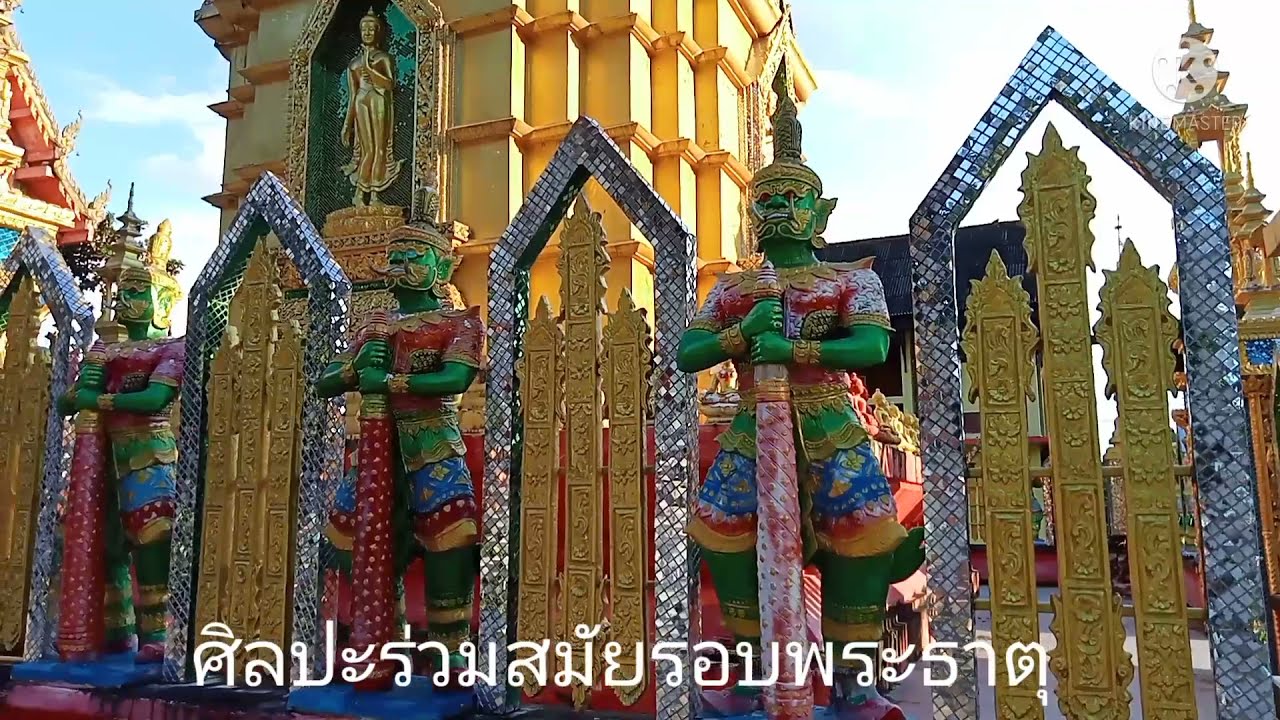
 Click to Access the Navigation Map GPS
Wat San Ton Mue Map
Recommend

 Muang Chiang Mai(121)Chom Thong(47)Mae Chaem(25)Chiang Dao(33)Doi Saket(68)Mae Taeng(85)Mae Rim(69)Samoeng(29)Fang(71)Mae Ai(59)Phrao(70)San Pa Tong(105)San Kamphaeng(66)San Sai(73)Hang Dong(74)Hot(32)Doi Tao(22)Omkoi(11)Saraphi(74)Wiang Haeng(15)Chai Prakan(28)Mae Wang(32)Mae On(22)Doi Lo(34)Galyani Vadhana(1)


