
lovethailand home >North Travel Attractions >Chiang Mai Travel Attractions >Mae Wang >Don Pao > Wat Pa Huai Pang Meng Chaloem Phrakiat
TL;DR: Wat Pa Huai Pang Meng Chaloem Phrakiat is located at Moo 10, Ban Huai Kaew, Don Pao Subdistrict, Mae Wang District, Chiang Mai 50360, open Daily, hours 08.00 – 17.00.
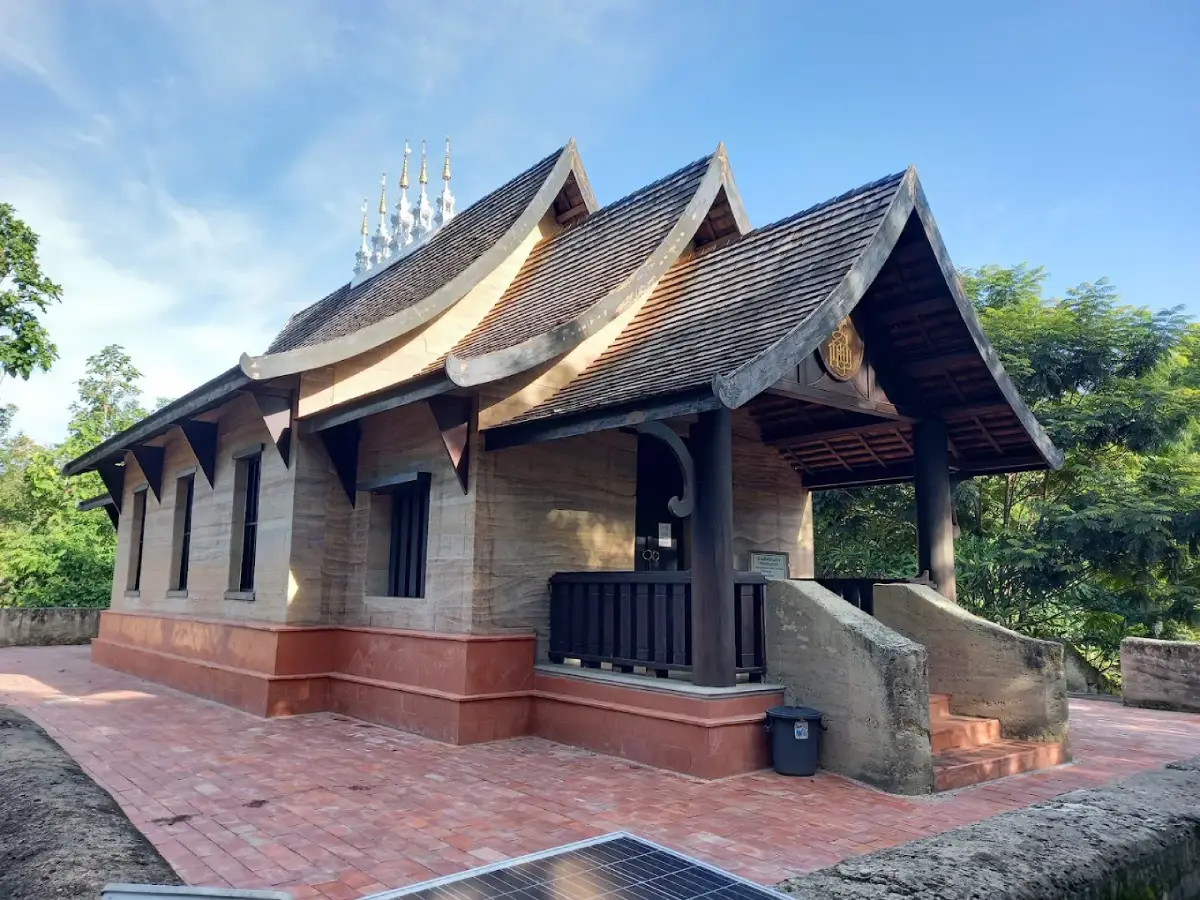
Wat Pa Huai Pang Meng Chaloem Phrakiat
Open Days: Daily
Opening Hours: 08.00 – 17.00
Wat Pa Huai Pang Meng Chaloem Phrakiat is located in Moo 10, Ban Huai Kaew, Don Pao Subdistrict, Mae Wang District, Chiang Mai Province 50360. It is a local Buddhist temple under the Dhammayuttika Nikaya, with temple code 650220501, and was officially permitted as a temple in 2003. The temple is led by Phra Khru Sophon Thammapratip and has the character of a forest monastery. Its location in Don Pao connects it with Ban Huai Kaew, agricultural land, hilly terrain, forest surroundings, and the Mae Khan–Mae Wang National Reserved Forest landscape.
The temple’s name carries several layers of meaning. Pa means forest temple, pointing to a quiet religious setting suitable for contemplation. Huai Pang Meng relates to the local landscape and place name in Ban Huai Kaew. Chaloem Phrakiat gives the name an additional commemorative and honorific meaning. Together, the name presents the temple as a forest monastery rooted in local geography and Buddhist devotion.
Ban Huai Kaew, Moo 10, is one of the villages of Don Pao Subdistrict and lies fully within the Don Pao Subdistrict Administrative Organization area. Don Pao is mostly flat, but some parts include hilly and mountainous terrain, especially Moo 6, Moo 7, Moo 9, and Moo 10. Wat Pa Huai Pang Meng Chaloem Phrakiat therefore stands in a setting shaped by village life, farmland, hillside routes, and natural forest.
The temple was officially permitted in 2003, making it a relatively recent temple compared with older temples in Don Pao such as Wat Don Pao, Wat Rangsi Suttharam, or Wat Chai Mongkhon. Its recent establishment does not reduce its importance. Instead, it shows that Buddhist faith in Mae Wang and Don Pao continues to develop, creating new religious spaces that support community life and spiritual practice.
As a Dhammayuttika temple, Wat Pa Huai Pang Meng Chaloem Phrakiat has a distinct identity within Don Pao’s wider temple network. The Dhammayuttika tradition is generally associated with discipline, simplicity, and careful observance of monastic practice. This helps give the temple a quiet forest-temple character suitable for meditation, dhamma listening, and reflective travel.
Phra Khru Sophon Thammapratip is identified in contemporary public information as the abbot of Wat Pa Huai Pang Meng Chaloem Phrakiat. The abbot of a forest temple plays an important role in preserving monastic discipline, caring for the temple grounds, supporting Buddhist activities, maintaining a relationship with the local community, and keeping the temple atmosphere suitable for practice.
One of the temple’s most meaningful associations is its connection with the Earthen Ubosot Project: four regions, nine temples, dedicated to the 100th birthday of Somdet Phra Nyanasamvara, the Supreme Patriarch of Thailand. The project promoted the construction of ubosot halls using local materials and sufficiency-economy principles. Wat Pa Huai Pang Meng Chaloem Phrakiat in Don Pao, Mae Wang, Chiang Mai was included among the northern sites, giving the temple an important modern religious and social dimension.
The earthen ubosot expresses simplicity and sufficiency. Its value is not based on luxury or expensive construction, but on local materials, shared labor, community effort, and practical religious use. Such a structure reflects Buddhist ideas of moderation, cooperation, and mindful use of resources. For this reason, the temple is meaningful not only as a place of worship, but also as a living example of a modest and functional Buddhist sacred space.
The temple’s forest setting and the earthen ubosot concept give it a different atmosphere from temples known mainly for large monuments or tourist crowds. Visitors should come with the intention to make merit, calm the mind, reflect, and learn from the temple’s simplicity. The most important experience here is not spectacle, but stillness, humility, and the relationship between dhamma and nature.
The temple is connected with the Mae Khan–Mae Wang National Reserved Forest context. This natural environment supports its forest-temple identity. In a forest monastery, nature is not just scenery; it is part of the practice environment. Shade, quietness, trees, and open space help visitors slow down and become more mindful.
Within Don Pao’s wider temple network, Wat Pa Huai Pang Meng Chaloem Phrakiat adds an important Dhammayuttika forest-temple dimension. Other nearby temples, such as Wat Don Pao, Wat Chai Mongkhon, Wat Thung Sila, Wat Rangsi Suttharam, Wat Huai Kaew, Wat Mai Sawan, Wat Rim Khan, and Wat Luang Khun Win, represent different village and cultural roles. Together, these temples show that Don Pao has a diverse Buddhist landscape.
Ban Huai Kaew contains both Wat Huai Kaew, a Mahanikaya village temple, and Wat Pa Huai Pang Meng Chaloem Phrakiat, a Dhammayuttika forest temple. This gives Moo 10 a particularly interesting religious profile. One temple serves the ordinary village temple role, while the other emphasizes forest quietness and practice. This helps visitors understand the diversity of Buddhist life in Mae Wang.
The temple serves Ban Huai Kaew and Don Pao in several ways. It is a place for merit-making and worship, a quiet forest temple for reflection, a site connected with sufficiency-oriented sacred architecture, and part of the wider Mae Wang temple route. These roles make it valuable for villagers, practitioners, and travelers interested in religion, culture, and nature.
Traditions and activities connected with Wat Pa Huai Pang Meng Chaloem Phrakiat include Buddhist Lent, the end of Buddhist Lent, Kathin, robe offerings, Buddhist holy days, dhamma listening, precept observance, chanting, meditation, and Lanna merit-making traditions. During Buddhist Lent, monks remain in residence and devotees support the temple with offerings, candles, food, and necessary items. After Buddhist Lent, Kathin and robe-offering events help sustain the temple.
Kathin and robe offerings are especially meaningful for a forest temple. Such temples often depend on steady support from local villagers and wider devotees. Offerings of robes, requisites, food, and practical support help maintain the temple’s religious function and allow monks to continue living and practicing in a quiet environment.
Dhamma listening and precept observance suit the setting of Wat Pa Huai Pang Meng Chaloem Phrakiat. The temple’s quiet landscape helps visitors step away from ordinary busyness and return to a calmer state of mind. In this setting, dhamma practice and nature support each other.
Broader Mae Wang traditions, such as Poi Sang Long, Poi Luen Sip Et, and the wooden support ceremony, help explain the cultural environment around the temple. Poi Sang Long relates to novice ordination and family merit-making. Poi Luen Sip Et reflects local festival timing, while the wooden support ceremony expresses the idea of supporting Buddhism. These traditions show how temples in Mae Wang help preserve Lanna identity.
The temple is suitable for travelers who want to make merit, visit a quiet forest temple, learn about the Dhammayuttika tradition in Don Pao, and understand the idea of an earthen ubosot based on sufficiency principles. It is not a busy attraction, but it offers a deeper kind of visit through stillness, simplicity, and forest atmosphere.
Visitors should begin by paying respect in the worship area, then walk quietly around the grounds and the earthen ubosot area. A visit to a forest temple should emphasize calm and respect. If monks, practitioners, or villagers are engaged in religious activities, visitors should avoid disruption. Photos of monks or people should be taken only with permission.
Nearby temple routes can connect Wat Pa Huai Pang Meng Chaloem Phrakiat with Wat Huai Kaew, Wat Mai Sawan, Wat Rim Khan, Wat San Pu Loei, Wat Luang Khun Win, Wat Doi Sapphanyu, Wat Don Pao, Wat Rangsi Suttharam, and Wat Thung Sila. This route allows visitors to see many forms of Buddhist temples in Don Pao: village temples, forest temples, hilltop temples, historic temples, and nature-linked practice sites.
Wat Huai Kaew is the nearby village temple in Moo 10. Wat Mai Sawan and Wat Rim Khan help represent the inner Don Pao temple landscape. Wat San Pu Loei connects with the route toward Wat Luang Khun Win. Wat Doi Sapphanyu offers a hilltop and education-based temple experience. Wat Don Pao and Wat Rangsi Suttharam preserve deeper historical links in the subdistrict. Together, these temples give a fuller view of Don Pao and Mae Wang.
Travelers who want to combine temples with nature can continue to Mae Wang bamboo rafting, Mae Wang Elephant Camp, Huai Manao Reservoir, Mae Wang Waterfall, and Mae Wang National Park. Mae Wang is attractive because temples, markets, villages, agriculture, waterfalls, rafting, elephant experiences, and mountains can be connected within one journey.
Ban Kat Market is a useful stop for food and local life. Visitors can begin with Wat Pa Huai Pang Meng Chaloem Phrakiat in the morning, continue to Ban Kat or Don Pao restaurants, and then visit rafting routes, elephant camps, reservoirs, or forest temples in the afternoon. This creates a balanced Mae Wang day trip with temples, food, community, and nature.
Local food around Don Pao and Mae Wang adds depth to the journey. The area has noodle shops, cafés, local food stalls, drink shops, and restaurants for travelers. Stopping for food after visiting the temple connects the trip with the daily life and local economy of the community.
The best time to visit Wat Pa Huai Pang Meng Chaloem Phrakiat is in the morning or late afternoon, when the weather is more comfortable. The cool season is especially pleasant for traveling in Mae Wang. During the rainy season, forests and hills become greener, but visitors should drive carefully, especially when continuing toward Wat Luang Khun Win, Wat Doi Sapphanyu, reservoirs, waterfalls, or hill roads.
Getting There from Chiang Mai city can be done by following Highway 108 through Hang Dong and San Pa Tong, then turning onto Highway 1013 toward Mae Wang. Continue into Don Pao Subdistrict and Ban Huai Kaew, Moo 10. A private car or rental car is the most convenient option because visitors can combine Wat Pa Huai Pang Meng Chaloem Phrakiat with Wat Huai Kaew, Wat Mai Sawan, Wat Rim Khan, Wat San Pu Loei, Wat Luang Khun Win, Wat Doi Sapphanyu, Ban Kat Market, Mae Wang bamboo rafting, and Mae Wang Elephant Camp in one route.
Travelers without a private vehicle can take public transport from Chiang Mai city to Mae Wang and continue locally to Don Pao and Ban Huai Kaew. This requires more planning because community temples and some nearby attractions are not always located directly at main public transport stops. A private vehicle is recommended for a flexible day trip.
Visitors should dress modestly, keep quiet in worship areas, the earthen ubosot area, temple grounds, and any place used by monks or practitioners. If taking photos of monks, people, or temple activities, ask permission first. Wat Pa Huai Pang Meng Chaloem Phrakiat is an active forest temple, so respectful conduct is part of the visit.
For food and accommodation, visitors can use restaurants, cafés, homestays, resorts, and guesthouses around Don Pao, Ban Kat, Mae Wang, Mae Win, and nearby areas. Staying overnight in Mae Wang or Mae Win allows more time to visit Wat Pa Huai Pang Meng Chaloem Phrakiat, Wat Luang Khun Win, Wat Doi Sapphanyu, local markets, reservoirs, bamboo rafting routes, and elephant attractions without rushing back to Chiang Mai city.
In summary, Wat Pa Huai Pang Meng Chaloem Phrakiat is a Dhammayuttika forest temple in Moo 10, Ban Huai Kaew, Don Pao Subdistrict, Mae Wang District, Chiang Mai Province. Officially permitted as a temple in 2003 and led by Phra Khru Sophon Thammapratip, it is known for its quiet forest setting, its connection with the Mae Khan–Mae Wang natural landscape, and its association with the earthen ubosot concept based on sufficiency principles. The temple is suitable for merit-making, dhamma listening, reflection, forest-temple travel, and a deeper Mae Wang route connecting temples, markets, rafting, elephant camps, restaurants, and nearby accommodation.
| Name | Wat Pa Huai Pang Meng Chaloem Phrakiat |
| Temple Type | Community Buddhist Temple, Dhammayuttika Nikaya / Forest Temple |
| Location | Moo 10, Ban Huai Kaew, Don Pao Subdistrict, Mae Wang District, Chiang Mai 50360 |
| Temple Code | 650220501 |
| Establishment | Officially permitted as a temple in 2003 |
| Abbot | Phra Khru Sophon Thammapratip |
| Area Context | Located in Ban Huai Kaew, Moo 10, fully within Don Pao Subdistrict Administrative Organization, connected with plains, hilly terrain, agriculture, and Mae Wang’s natural landscape |
| Forest Context | Connected with the Mae Khan–Mae Wang National Reserved Forest setting and the character of a quiet forest temple suitable for contemplation |
| Highlights | Dhammayuttika forest temple with a calm atmosphere, suitable for merit-making, dhamma listening, reflection, and learning about an earthen ubosot based on sufficiency principles |
| Main Structure | Earthen ubosot and worship areas within the forest temple grounds |
| Important Project Connection | Included among the northern sites of the Earthen Ubosot Project: four regions, nine temples, dedicated to the 100th birthday of Somdet Phra Nyanasamvara, the Supreme Patriarch of Thailand |
| Community Role | Place for merit-making, forest practice, dhamma listening, precept observance, and a quiet spiritual space for Ban Huai Kaew and Don Pao |
| Key Traditions And Activities | Buddhist Lent, end of Buddhist Lent, Kathin, robe offerings, Buddhist holy days, dhamma listening, precept observance, chanting, meditation, and Lanna merit-making traditions |
| Current Status | Active temple in the current temple registry of Don Pao, Mae Wang, Chiang Mai |
| Open Days | Daily |
| Opening Hours | 08.00 – 17.00 |
| Travel Information | From Chiang Mai city, follow Highway 108 through Hang Dong and San Pa Tong, then turn onto Highway 1013 toward Mae Wang. Continue into Don Pao Subdistrict and Ban Huai Kaew, Moo 10. Private car or rental car is the most convenient option. |
| Nearby Tourist Attractions | 1. Wat Huai Kaew, About 1 km 2. Wat Mai Sawan, About 3 km 3. Wat Rim Khan, About 4 km 4. Wat San Pu Loei, About 4 km 5. Mae Wang Bamboo Rafting, About 7 km 6. Mae Wang Elephant Camp, About 8 km 7. Ban Kat Market, About 12 km 8. Huai Manao Reservoir, About 15 km 9. Wat Doi Sapphanyu, About 16 km 10. Wat Luang Khun Win, About 24 km |
| Nearby Restaurants | 1. Tiew Ruea Hoi Kha Chom Thung Mae Wang, About 7 km, Tel. 088-599-5289 2. Café Amazon DD2251 PTT Mae Wang, About 9 km, Tel. 096-379-6021 3. Milk Tea, About 12 km, Tel. 062-029-9905, 052-010-193 4. Mangkon Thong Boat Noodles Mae Wang Branch, About 12 km, Tel. 061-995-4008 5. Catz.B Burger Mae Wang Branch, About 13 km, Tel. 081-119-6174 6. Wanwan Coffee Huen Baan Ya Cafe', About 13 km, Tel. 093-259-4059 7. Khrua Duean Phen @ Huai Manao Reservoir, About 15 km, Tel. 095-336-3093 |
| Nearby Accommodations | 1. Ban Bon Doi Homestay & Espresso Bar, About 14 km, Tel. 089-558-3241 2. Chombua MaeWang, About 18 km 3. Namrae Maewang Phairin Resort, About 18 km, Tel. 052-001-410 4. Pok Resort MaeWang, About 19 km 5. Plern Malee Resort, About 18 km, Tel. 062-859-5954 6. Homestays In Mae Win And Mae Wang, About 18 km |
Frequently Asked Questions (FAQ)
Q: Where is Wat Pa Huai Pang Meng Chaloem Phrakiat located?
A: Wat Pa Huai Pang Meng Chaloem Phrakiat is located in Moo 10, Ban Huai Kaew, Don Pao Subdistrict, Mae Wang District, Chiang Mai Province 50360.
Q: What type of temple is Wat Pa Huai Pang Meng Chaloem Phrakiat?
A: It is a community Buddhist temple under the Dhammayuttika Nikaya and has the character of a forest temple suitable for merit-making, dhamma listening, and meditation.
Q: When was Wat Pa Huai Pang Meng Chaloem Phrakiat officially established?
A: Wat Pa Huai Pang Meng Chaloem Phrakiat was officially permitted as a temple in 2003.
Q: Who is the abbot of Wat Pa Huai Pang Meng Chaloem Phrakiat?
A: The abbot is Phra Khru Sophon Thammapratip.
Q: What is the main highlight of Wat Pa Huai Pang Meng Chaloem Phrakiat?
A: Its highlight is the quiet Dhammayuttika forest-temple atmosphere, its natural setting in Don Pao, and its association with an earthen ubosot based on sufficiency principles.
Q: What kind of travelers should visit Wat Pa Huai Pang Meng Chaloem Phrakiat?
A: The temple is suitable for travelers who want to make merit, listen to dhamma, rest the mind in a forest temple, learn about sufficiency-based sacred architecture, and experience Mae Wang slowly.
Q: How can travelers get to Wat Pa Huai Pang Meng Chaloem Phrakiat from Chiang Mai city?
A: Follow Highway 108 through Hang Dong and San Pa Tong, then turn onto Highway 1013 toward Mae Wang and continue to Don Pao Subdistrict and Ban Huai Kaew. A private car or rental car is the most convenient option.
Q: What nearby places can travelers visit after Wat Pa Huai Pang Meng Chaloem Phrakiat?
A: Nearby places include Wat Huai Kaew, Wat Mai Sawan, Wat Rim Khan, Wat San Pu Loei, Wat Luang Khun Win, Wat Doi Sapphanyu, Ban Kat Market, Mae Wang Elephant Camp, and Mae Wang bamboo rafting.
 Category: ●Places of Worship
 Group: ●Temple
Last Update : 4 DayAgo
 Last Update : 4 DayAgo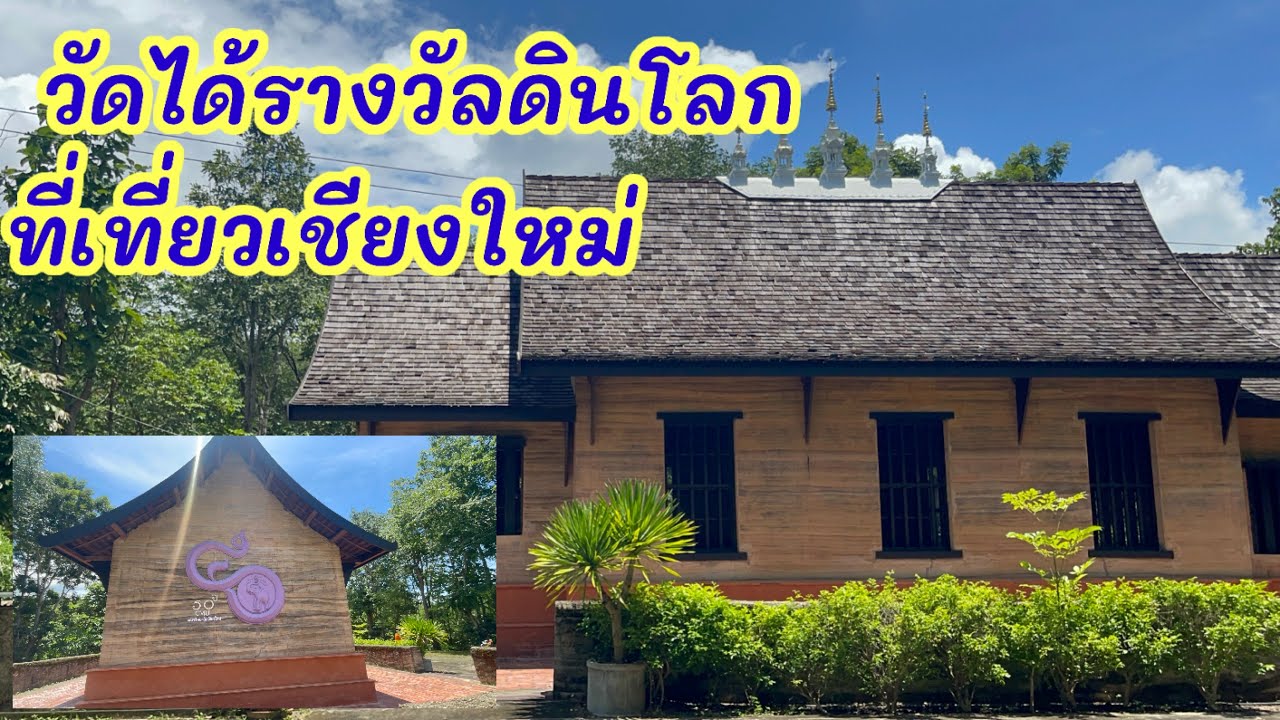
 Click to Access the Navigation Map GPS
Wat Pa Huai Pang Meng Chaloem Phrakiat Map
Recommend

 Muang Chiang Mai(121)Chom Thong(47)Mae Chaem(25)Chiang Dao(33)Doi Saket(68)Mae Taeng(85)Mae Rim(69)Samoeng(29)Fang(71)Mae Ai(59)Phrao(70)San Pa Tong(103)San Kamphaeng(66)San Sai(73)Hang Dong(73)Hot(32)Doi Tao(22)Omkoi(11)Saraphi(74)Wiang Haeng(15)Chai Prakan(28)Mae Wang(32)Mae On(22)Doi Lo(33)Galyani Vadhana(1)


