
lovethailand home >North Travel Attractions >Chiang Mai Travel Attractions >Mae Rim >Huai Sai > Wat Mae An
TL;DR: Wat Mae An is located at Ban Mae An, Moo 4, Huai Sai Subdistrict, Mae Rim District, Chiang Mai Province, open Daily, hours 08.00 – 17.00.

Wat Mae An
Open Days: Daily
Opening Hours: 08.00 – 17.00
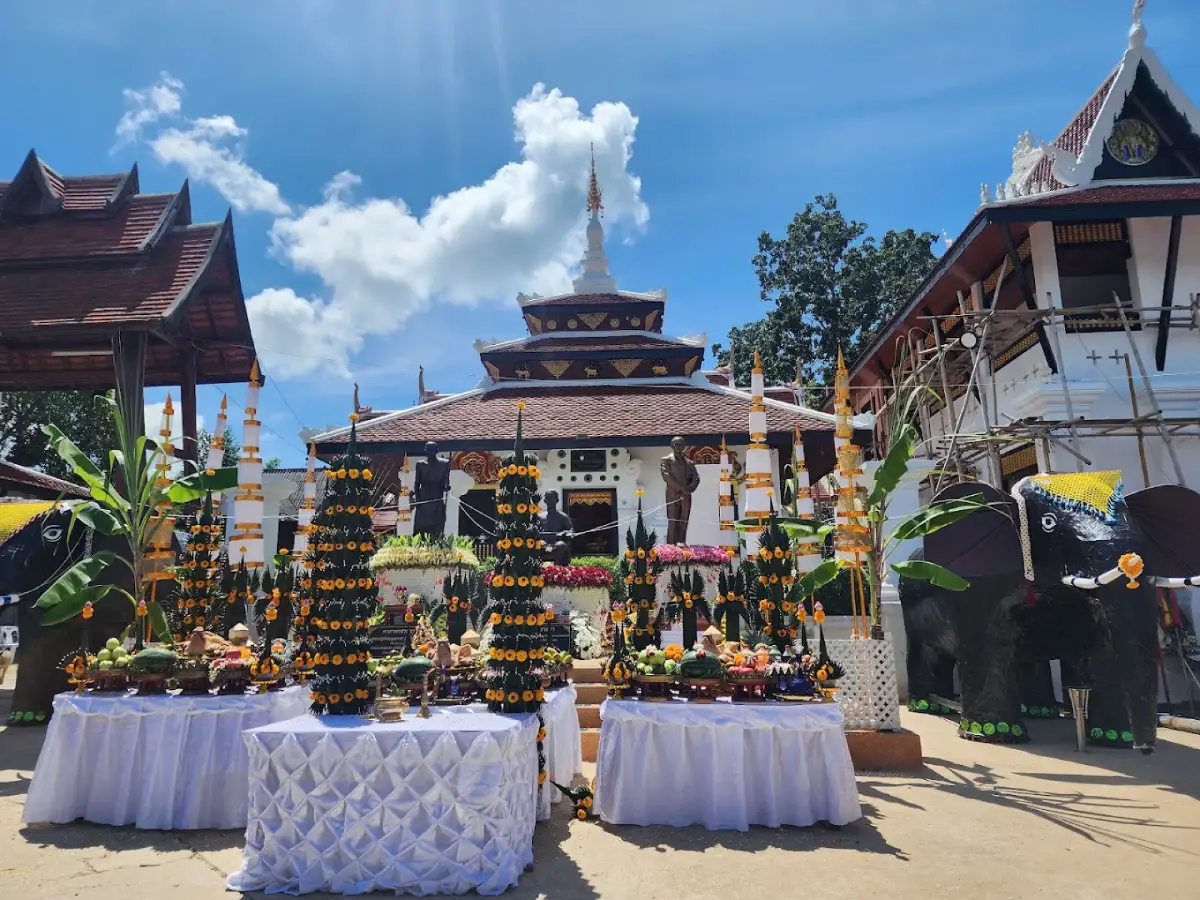
Wat Mae An is located at No. 86, Ban Mae An, Moo 4, Huai Sai Subdistrict, Mae Rim District, Chiang Mai Province. It is a local Buddhist temple under the Mahanikaya order and serves as an important spiritual center for Ban Mae An village. The temple is best suited for travelers who want a quiet temple visit, a local merit-making experience, and a deeper look at the community-based Buddhist culture of Mae Rim. It also connects naturally with Huai Luang Buddha Footprint at Ban Mae An, a sacred site located about 1 km from the temple.
Wat Mae An was founded by villagers of Ban Mae An in 1913, making it more than 110 years old as of 2026. Its importance does not come from grand architecture or mass tourism, but from its long-standing role as a village temple closely connected with local homes, farmland, irrigation canals, public roads, and community life. The temple covers 2 rai and 3 ngan of temple land, with surrounding boundaries linked to a canal, a public road, rice fields, and villagers’ farming land. This setting gives Wat Mae An a calm, grounded atmosphere that reflects the everyday rhythm of a rural Lanna community.
The history of Wat Mae An is inseparable from Ban Mae An itself. The temple was established by local residents as a place for religious practice, community gatherings, and Buddhist ceremonies. Its northern boundary meets an irrigation canal, its southern boundary meets a public road, its eastern boundary meets rice fields, and its western boundary meets villagers’ farmland. The temple also has one plot of monastic land measuring 1 rai, 1 ngan, and 37 square wah. These details show that Wat Mae An has long been embedded in the physical and social landscape of the village.
The granting of the Wisungkhamsima boundary on 24 July 2003 was a major milestone in the temple’s development. In Thai Buddhism, a Wisungkhamsima marks the formal monastic boundary used for important Sangha ceremonies. This status reflects the temple’s growth from a local village temple into a more complete Buddhist institution capable of supporting formal religious functions, including ordination-related ceremonies and other monastic rites that require a recognized sacred boundary.
Important structures within Wat Mae An include the viharn, monks’ residences, sermon hall, multipurpose pavilion, alms bowl pavilion, dining hall for monks, bell tower, and chedi. The viharn is the main space for worship, chanting, listening to sermons, and community merit-making. The monks’ residences support monastic life, while the sermon hall and multipurpose pavilion serve religious and community activities. The bell tower reflects the daily rhythm of temple life, and the chedi represents Buddhist devotion and continuity within the local community.
The atmosphere of Wat Mae An is quiet and modest, making it suitable for travelers who prefer meaningful local temple visits rather than crowded tourist routes. Visitors can pay respect to the Buddha image, make merit, walk around the temple grounds, and observe the close relationship between the temple and the village. The value of Wat Mae An lies in its authenticity as a living community temple that continues to serve local people rather than functioning only as a sightseeing attraction.
A key sacred site connected with Wat Mae An is Huai Luang Buddha Footprint at Ban Mae An, located about 1 km from the temple. The site is associated with a Buddha footprint, a handprint, and a sacred water well. It was discovered on Thursday, 5 March 2009, during the period when Phra Khru Winaithon Chakkra Warayano was the abbot of Wat Mae An. This nearby sacred site adds an important pilgrimage dimension to the area and gives visitors a reason to explore beyond the main temple grounds.
Huai Luang Buddha Footprint helps make Ban Mae An a meaningful short spiritual route in Mae Rim. Travelers can begin at Wat Mae An, then continue to the Buddha footprint, handprint, and sacred water well in the same visit. Because the distance is short, the route is suitable for a half-day local trip, especially for visitors interested in Buddhist faith, village temples, and sacred sites that are closely tied to community belief.
As a community temple, Wat Mae An plays an important role in local religious life. Temples of this type commonly serve as gathering places for Buddhist observances, merit-making days, Buddhist Lent, the end of Buddhist Lent, Kathin, robe-offering ceremonies, and community activities according to the Buddhist calendar. While no currently verified annual festival date is available for Wat Mae An, its role as a village temple makes it an important social and spiritual center for Ban Mae An residents.
For travelers exploring Mae Rim, Wat Mae An offers a quieter perspective on the district. Mae Rim is often associated with Mon Cham, Mae Sa Waterfall, Queen Sirikit Botanic Garden, cafés, resorts, and the Mae Rim–Samoeng route. Wat Mae An adds a cultural and spiritual layer to that journey. It allows visitors to see Mae Rim not only as a scenic district, but also as an area shaped by village temples, Buddhist practice, farming communities, and local Lanna identity.
Visitors should dress respectfully, speak quietly, avoid disturbing monks or local residents, and take photos with consideration. Community temples are living religious spaces, not only tourist stops. A good visit to Wat Mae An should focus on respect, calmness, and understanding the role of the temple within the village.
Getting There is most convenient by private car. From Chiang Mai city, drive toward Mae Rim District, then continue into Huai Sai Subdistrict and Ban Mae An. The temple can be combined with Huai Luang Buddha Footprint, nearby temples in Huai Sai, restaurants and cafés in Mae Rim, and major attractions along the Mae Rim travel route. Visiting in the morning or late afternoon is recommended for a quieter atmosphere and more comfortable weather.
Wat Mae An is ideal for travelers interested in historic village temples, local Buddhist culture, peaceful merit-making, and lesser-known cultural stops in Mae Rim. Its strength is not spectacle, but its genuine role as a temple rooted in community life. For visitors who want to understand Mae Rim beyond mainstream attractions, Wat Mae An offers a calm and meaningful stop.
| Name | Wat Mae An |
| Location | Ban Mae An, Moo 4, Huai Sai Subdistrict, Mae Rim District, Chiang Mai Province |
| Address | No. 86, Ban Mae An, Moo 4, Huai Sai Subdistrict, Mae Rim District, Chiang Mai 50180, Thailand |
| Coordinates | 18.96256, 98.89814 |
| Highlights | Historic village temple connected with Huai Luang Buddha Footprint, a handprint, and a sacred water well at Ban Mae An |
| History | Founded by Ban Mae An villagers in 1913 and granted Wisungkhamsima on 24 July 2003 |
| Buddhist Order | Mahanikaya |
| Temple Land Area | 2 rai and 3 ngan, with one additional monastic land plot of 1 rai, 1 ngan, and 37 square wah |
| Surrounding Boundaries | North: irrigation canal; South: public road; East: rice field; West: villagers’ farmland |
| Distinctive Features | Quiet community temple reflecting the Buddhist faith and local lifestyle of Ban Mae An in Huai Sai Subdistrict |
| Main Areas / Zones | Viharn, monks’ residences, sermon hall, multipurpose pavilion, alms bowl pavilion, monks’ dining hall, bell tower, and chedi |
| Nearby Sacred Site | Huai Luang Buddha Footprint at Ban Mae An, with a handprint and sacred water well, about 1 km from the temple |
| Travel Information | Travel by private car from Chiang Mai city toward Mae Rim District, then continue to Huai Sai Subdistrict and Ban Mae An |
| Current Status | Listed in current temple and map-related databases for Huai Sai Subdistrict, Mae Rim District, Chiang Mai Province |
| Open Days | Daily |
| Opening Hours | 08.00 – 17.00 |
| Historical Religious Figure | Phra Khru Winaithon Chakkra Warayano, abbot of Wat Mae An during the discovery of Huai Luang Buddha Footprint in 2009 |
| Nearby Tourist Attractions | 1. Huai Luang Buddha Footprint at Ban Mae An, about 1 km 2. Wat Tamnak Tham Nimit, about 3 km 3. Wat Walukaram, about 3 km 4. Wat Phra Phutthabat Si Roi, about 14 km 5. Mae Sa Waterfall, about 13 km 6. Queen Sirikit Botanic Garden, about 20 km |
| Nearby Restaurants | 1. Som Tam Zaeb Huai Sai, about 5 km, Tel. 062-854-7681 2. Rab-a-bit.cnx, about 6 km, Tel. 081-902-2929 3. NANEE : maerim lake view, about 6 km, Tel. 099-385-5544 4. Akha Ama Living Factory, about 8 km, Tel. 088-267-8014 5. Baan Landai Mae Rim, about 11 km, Tel. 064-469-2929 6. Studio Horjhama, about 6 km, Tel. 064-992-8962 |
| Nearby Accommodations | 1. Mon'Ta Home Stay, about 4 km, Tel. 092-949-6282 2. Country Retreat, about 5 km, Tel. 094-740-1590 3. DGD Chiangmai, about 5 km, Tel. 092-465-8448 4. Natura Maerim Resort, about 5 km, Tel. 064-046-9919 5. Mae Wad House, about 6 km, Tel. 083-004-4398 6. Maerim Lanna Resort, about 7 km, Tel. 099-371-8626 |
Frequently Asked Questions (FAQ)
Q: Where is Wat Mae An located?
A: Wat Mae An is located at No. 86, Ban Mae An, Moo 4, Huai Sai Subdistrict, Mae Rim District, Chiang Mai Province.
Q: What is the history of Wat Mae An?
A: Wat Mae An was founded by Ban Mae An villagers in 1913, belongs to the Mahanikaya order, and was granted Wisungkhamsima on 24 July 2003.
Q: What important structures are found inside Wat Mae An?
A: The temple includes a viharn, monks’ residences, sermon hall, multipurpose pavilion, alms bowl pavilion, monks’ dining hall, bell tower, and chedi.
Q: How far is Huai Luang Buddha Footprint from Wat Mae An?
A: Huai Luang Buddha Footprint at Ban Mae An is located about 1 km from Wat Mae An.
Q: What kind of travelers is Wat Mae An suitable for?
A: It is suitable for travelers who enjoy quiet temple visits, merit-making, local Buddhist culture, and community-based travel in Mae Rim.
Q: How can visitors get to Wat Mae An?
A: The most convenient way is by private car from Chiang Mai city toward Mae Rim District, then into Huai Sai Subdistrict and Ban Mae An.
Q: What nearby places can be visited with Wat Mae An?
A: Visitors can combine Wat Mae An with Huai Luang Buddha Footprint, Wat Tamnak Tham Nimit, Wat Walukaram, Wat Phra Phutthabat Si Roi, Mae Sa Waterfall, and Queen Sirikit Botanic Garden.
 Category: ●Places of Worship
 Group: ●Temple
Last Update : 2 DayAgo
 Last Update : 2 DayAgo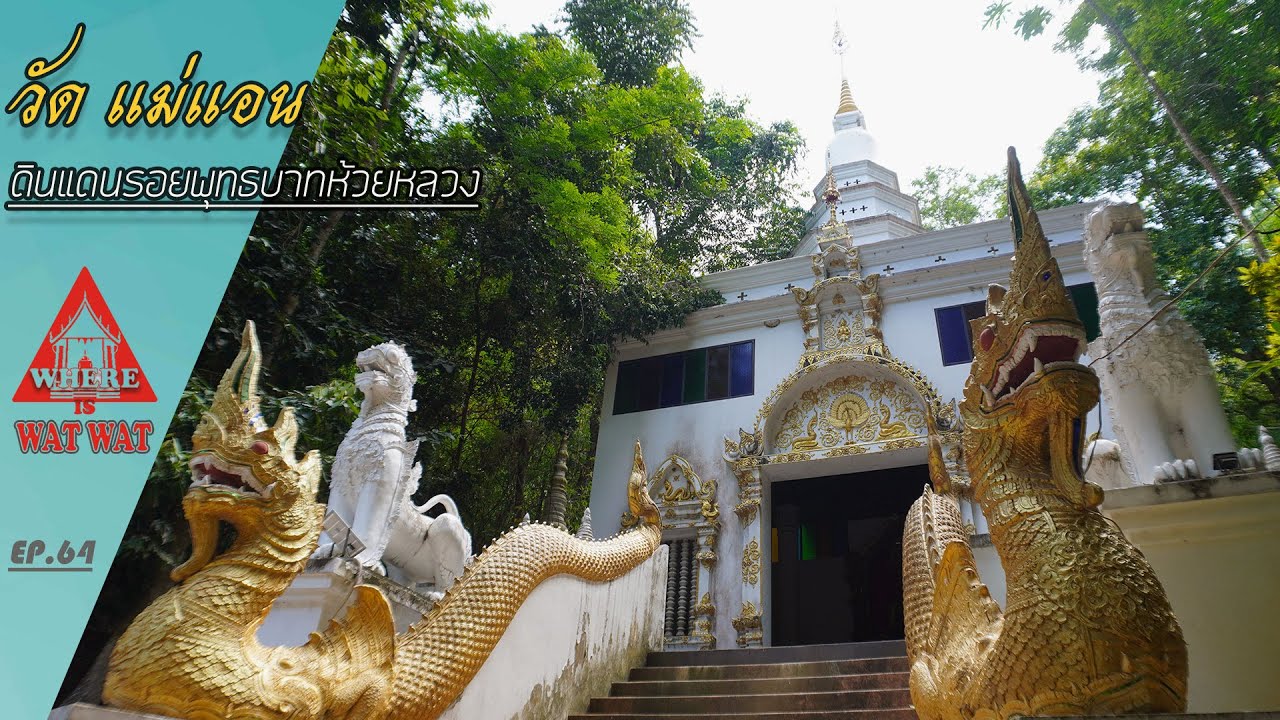
 Click to Access the Navigation Map GPS
Wat Mae An Map
Recommend

 Muang Chiang Mai(121)Chom Thong(47)Mae Chaem(25)Chiang Dao(33)Doi Saket(68)Mae Taeng(85)Mae Rim(69)Samoeng(29)Fang(71)Mae Ai(62)Phrao(70)San Pa Tong(105)San Kamphaeng(66)San Sai(73)Hang Dong(74)Hot(32)Doi Tao(22)Omkoi(11)Saraphi(74)Wiang Haeng(15)Chai Prakan(28)Mae Wang(32)Mae On(22)Doi Lo(34)Galyani Vadhana(1)


