
lovethailand home >North Travel Attractions >Chiang Mai Travel Attractions >Mae Rim >San Pong > Wat Suwannawat
TL;DR: Wat Suwannawat is located at Ban Dong / Ban Dong Rin Kham, San Pong Subdistrict, Mae Rim District, Chiang Mai Province, open Daily, hours 08.00 – 17.00.

Wat Suwannawat
Open Days: Daily
Opening Hours: 08.00 – 17.00
Wat Suwannawat, historically associated with the local name Wat Ban Dong Rin Kham, is a Maha Nikaya Buddhist temple in the Ban Dong area of San Pong Subdistrict, Mae Rim District, Chiang Mai Province 50180. The temple is an old community temple closely connected with the history of Ban Dong, a village near the western side of the Ping River. Its story reflects the transformation of a dense forest landscape into farmland, gardens, homes, and a settled Buddhist community.
The name Ban Dong comes from the earlier landscape of the area. More than 190 years ago, Ban Dong and the connected areas around Ban San Pong, Ban Pa Tio, and Ban Nong Ap Chang were still dense forest. The area contained many kinds of trees and was home to wild animals. In the past, travel from the village toward the main Chiang Mai–Fang Road was difficult, and villagers had to cross fields and forested areas to reach larger transport routes.
In the old forest landscape, animals such as tigers, monkeys, langurs, gibbons, deer, and other wildlife were remembered in local history. People who traveled, hunted, gathered food, or cleared land had to be careful. Over time, villagers began clearing the forest for farming, small fields, gardens, and rice cultivation. This gradual settlement process became the foundation for the creation of a small Buddhist religious space, which later developed into Wat Suwannawat.
Around 1802, villagers living along the Ping River began farming and established a small monastic residence in the Ban Dong area. They built a small hall to use for merit-making, Dhamma listening, and Buddhist ceremonies. This modest beginning reflects the way many Lanna community temples developed. They did not begin as large monumental sites, but grew from the faith and shared needs of local villagers who wanted a Buddhist center for their own community.
Phra Athikan Mong was invited by villagers to reside at the early monastic site and serve as its first monastic leader. He stayed for about ten years before moving elsewhere. Later, around 1812, villagers invited Chao Athikan Loe to serve as the next abbot. During that period, a small monks’ residence was built so that monks could stay during the rains retreat. This helped the monastic site become more stable and gradually grow into a stronger community temple.
As the temple community became more established, it was known as Wat Ban Dong Rin Kham. This name preserved its direct connection with Ban Dong. Later, the temple came to be known as Wat Suwannawat. The word Suwanna means gold or something precious, while Awat means monastery or temple. The name therefore suggests a valuable and auspicious Buddhist residence, while still preserving the local history of Ban Dong through its older name.
The history of Ban Dong also shows the difficulty of travel in earlier times. The village was far from the main road, and people often had to walk across rice fields. When someone became ill and needed treatment, villagers sometimes had to carry the person on a stretcher across the fields to reach the main road. This explains why a community temple was so important. The temple was not only a ritual place, but also an emotional and social anchor for a village that once had difficult access to outside services.
San Pong Subdistrict contains a network of community temples, including Wat San Pong, Wat Si Chomphu, Wat Sa Chatthan, Wat Nantharam, Wat Pho Nimit, Wat Kumpha Pradit, Wat Mani Pradit, Wat Phra That Chom Taeng, and Wat Suwannawat. These temples show how Lanna communities were structured around local Buddhist centers. Wat Suwannawat is one part of this temple network and helps explain the settlement history and religious life of lower Mae Rim.
Ban Dong is located in a landscape connected with the Ping River, one of Chiang Mai’s most important waterways. The river brought fertility and supported cultivation, but communities near the river also had to adapt to land, water, forest, and travel conditions. Wat Suwannawat therefore has a strong relationship with its physical landscape. Its history is not only religious, but also environmental and social.
The historical highlight of Wat Suwannawat is its development from a village monastic residence created by local people. From dense forest and difficult travel conditions, villagers cleared land, farmed, built a small merit-making hall, invited monks to reside, added a monks’ residence, and gradually built a stable community temple. The growth of the temple therefore followed the growth of Ban Dong itself.
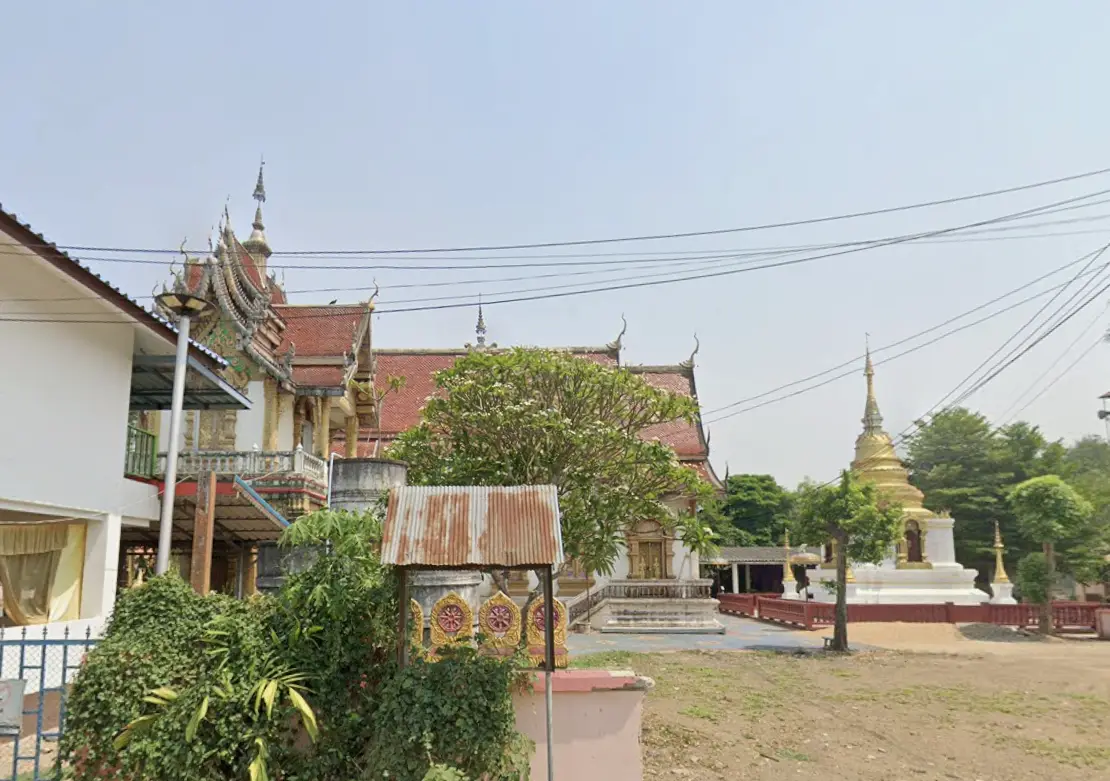
As a religious site, Wat Suwannawat serves as a community temple for merit-making, worship, Dhamma listening, and Buddhist ceremonies. Important areas include the worship and ceremony area, temple courtyard, hall, monks’ residence, and spaces used for community merit-making. Publicly available information does not provide enough verified detail to describe the viharn, ubosot, chedi, relic shrine, or principal Buddha image in depth, so the temple is best appreciated through its community history and village role.
The temple courtyard is socially important. In northern Thai village temples, the courtyard is often used during Kathin, robe-offering events, funerary merit-making, Buddhist holy days, and community occasions. At Wat Suwannawat, this function connects elders, families, younger residents, monks, and village leaders through shared religious and social life.
The hall and monks’ residence are also important to the life of the temple. The hall can be used for merit-making, Dhamma listening, meetings, and funerary merit-making, while the monks’ residence supports monks during the rains retreat and regular monastic life. The early construction of a small residence at Wat Ban Dong Rin Kham was therefore an important step in making the temple stable.
Temple traditions at Wat Suwannawat follow the Buddhist and Lanna community calendar. These include Buddhist holy day merit-making, Buddhist Lent, the end of Lent, Kathin, robe-offering events, funerary merit-making, and village merit-making occasions. Kathin is especially important because it takes place after Buddhist Lent and allows lay supporters to offer robes and donations for temple maintenance and monastic use.
The role of Wat Suwannawat can be understood in several layers. First, it is a Buddhist place for worship, sermons, merit-making, and ceremonies. Second, it is a historical reminder of the transformation of Ban Dong from forest to farmland and settlement. Third, it is a social space where villagers gather. Fourth, it is a cultural memory space preserving stories of Ban Dong, the Ping River, forest life, and difficult travel in earlier times.
For visitors, Wat Suwannawat is suitable for those who want to experience Mae Rim in a quieter and more locally grounded way. It is not a crowded landmark or commercial tourist attraction. Instead, it offers a meaningful view of a village temple shaped by local history, agriculture, Buddhist faith, and the everyday life of Ban Dong.
Getting There from Chiang Mai city is convenient by private car, rental car, or hired vehicle. Take Highway 107, the Chiang Mai–Fang Road, toward Mae Rim District, then continue into San Pong Subdistrict and the Ban Dong / Ban Dong Rin Kham area. Visitors using public transport should plan the local transfer from Mae Rim in advance because village temples are not always located on frequent public transport routes.
Wat Suwannawat is open daily from 08.00 to 17.00. The morning is suitable for worship and merit-making, while late afternoon is comfortable for a quiet walk around the temple. Visitors who plan to continue to nearby Mae Rim attractions should start early enough to avoid rushing between stops.
Wat Suwannawat can be included in a San Pong temple route together with Wat San Pong, Wat Phra That Chom Taeng, Wat Kumpha Pradit, Wat Nantharam, Wat Pho Nimit, Wat Si Chomphu, Wat Sa Chatthan, and Wat Mani Pradit. Travelers can also continue toward Wat Pa Dara Phirom, Daraphirom Palace Museum, Tiger Kingdom Mae Rim, Queen Sirikit Botanic Garden, or restaurants around Mae Rim.
Visitors should follow standard Lanna temple etiquette. Modest dress is required, shoulders and knees should be covered, shoes should be removed before entering sacred buildings, loud behavior should be avoided, and sacred objects should not be touched without permission. A community temple is a living religious space, so respect for monks and local worshippers is essential.
Overall, Wat Suwannawat is a meaningful community temple of Ban Dong in San Pong Subdistrict. Its value lies in its history as a temple that grew from a small village monastic residence around 1802, the older name Wat Ban Dong Rin Kham, the role of Phra Athikan Mong and Chao Athikan Loe in the early period, and its relationship with the forest, the Ping River, farming life, and the community memory of Ban Dong.
| Name | Wat Suwannawat, Also Associated With Wat Ban Dong Rin Kham |
| Location | Ban Dong / Ban Dong Rin Kham, San Pong Subdistrict, Mae Rim District, Chiang Mai Province |
| Address | Moo 5, Rim Ping Road, San Pong, Mae Rim, Chiang Mai 50180, Thailand |
| Highlights | Community Temple Of Ban Dong Connected With Dense Forest History, Ping River Settlement, Early Farming, And A Village Monastic Residence Around 1802 |
| History | Began As A Small Village Monastic Residence And Merit-Making Hall Of Ban Dong; Later Known As Wat Ban Dong Rin Kham And Wat Suwannawat |
| Name Origin Of Ban Dong | Ban Dong Refers To The Former Dense Forest Landscape With Many Trees And Wildlife Before The Area Became Farmland, Gardens, And Settlement |
| Former Temple Name | Wat Ban Dong Rin Kham |
| Early Monastic Figures | Phra Athikan Mong And Chao Athikan Loe |
| Distinctive Features | A Lanna Community Temple Reflecting Village Buddhism, The Ping River Landscape, Difficult Travel In The Past, And The Farming Life Of Ban Dong |
| Important Structures And Areas | Worship And Ceremony Area, Temple Courtyard, Hall, Monks’ Residence, And Community Merit-Making Spaces |
| Community Role | Spiritual Center Of Ban Dong, Venue For Worship, Dhamma Listening, Kathin, Robe-Offering Events, Funerary Merit-Making, And Village Buddhist Activities |
| Travel Information | From Chiang Mai City, Take Highway 107 Or The Chiang Mai–Fang Road Toward Mae Rim, Then Continue Into San Pong Subdistrict And The Ban Dong / Ban Dong Rin Kham Area. Private Car, Rental Car, Or Hired Vehicle Is Recommended. |
| Current Status | Active Community Buddhist Temple For Worship, Merit-Making, Sermons, Buddhist Ceremonies, And Ban Dong Community Activities |
| Open Days | Daily |
| Opening Hours | 08.00 – 17.00 |
| Admission Fee | Official Admission Fee Not Specified |
| Related Traditions / Temple Events | Buddhist Holy Day Merit-Making, Buddhist Lent, The End Of Lent, Kathin, Robe-Offering Events, Funerary Merit-Making, And Ban Dong Community Merit-Making Occasions |
| Nearby Tourist Attractions | 1. Wat San Pong, About 3 Km 2. Wat Phra That Chom Taeng, About 3 Km 3. Wat Kumpha Pradit, About 4 Km 4. Wat Nantharam, About 4 Km 5. Wat Pho Nimit, About 5 Km 6. Wat Si Chomphu Or Wat Pa Tio, About 5 Km 7. Wat Pa Dara Phirom, About 8 Km, Tel. 053-862-890 8. Daraphirom Palace Museum, About 8 Km, Tel. 053-299-175 |
| Nearby Restaurants | 1. Baan Suan Mae Rim, About 2 Km, Tel. 053-297-421, 088-266-5549 2. Tong O Mae Rim, About 4 Km, Tel. 095-452-6949 3. Hope Cafe Pa Tio Mae Rim, About 4 Km, Tel. 082-225-8942 4. Nattnicha Mae Rim, About 4 Km 5. Mala Mae Rim, About 6 Km, Tel. 082-832-2406, 081-185-8902 6. Rabieng Na Mae Rim, About 11 Km, Tel. 053-861-511 Ext. 3 Ext. 118 |
| Nearby Accommodations | 1. Mae Rim Lodge Resort, About 5 Km, Tel. 053-376-105 2. Mon Chang Nature Home, About 6 Km, Tel. 094-287-4956 3. Mae Rim Grace, About 8 Km, Tel. 066-095-7267 4. Four Seasons Resort Chiang Mai, About 9 Km, Tel. 053-298-181 5. Raya Heritage, About 14 Km, Tel. 053-111-670 To 73 |
Frequently Asked Questions (FAQ)
Q: Where Is Wat Suwannawat Located?
A: Wat Suwannawat is located in the Ban Dong / Ban Dong Rin Kham area of San Pong Subdistrict, Mae Rim District, Chiang Mai Province 50180, Thailand.
Q: How Is Wat Suwannawat Related To Wat Ban Dong Rin Kham?
A: Wat Suwannawat is historically associated with the earlier name Wat Ban Dong Rin Kham, reflecting its origin as the temple of the Ban Dong community.
Q: What Is The Origin Of The Name Ban Dong?
A: Ban Dong comes from the area’s former dense forest landscape, where many trees and wild animals were found before villagers cleared the land for farming and settlement.
Q: Why Is Wat Suwannawat Historically Important?
A: The temple began as a village monastic residence and small merit-making hall around 1802, later developing into Wat Ban Dong Rin Kham and then Wat Suwannawat.
Q: What Are The Opening Days And Hours Of Wat Suwannawat?
A: Wat Suwannawat is open daily from 08.00 to 17.00.
Q: What Is Special About Wat Suwannawat?
A: Its main value is its connection with Ban Dong history, the old forest landscape near the Ping River, the early village monastic residence, and its role as a community Buddhist temple.
Q: What Nearby Places Can Be Visited With Wat Suwannawat?
A: Nearby places include Wat San Pong, Wat Phra That Chom Taeng, Wat Kumpha Pradit, Wat Nantharam, Wat Pho Nimit, Wat Si Chomphu, Wat Pa Dara Phirom, and Daraphirom Palace Museum.
 Category: ●Places of Worship
 Group: ●Temple
Last Update : 2 WeekAgo
 Last Update : 2 WeekAgo
 Click to Access the Navigation Map GPS
 Muang Chiang Mai(121)Chom Thong(47)Mae Chaem(25)Chiang Dao(33)Doi Saket(68)Mae Taeng(85)Mae Rim(69)Samoeng(29)Fang(71)Mae Ai(59)Phrao(70)San Pa Tong(103)San Kamphaeng(66)San Sai(73)Hang Dong(73)Hot(32)Doi Tao(22)Omkoi(11)Saraphi(74)Wiang Haeng(15)Chai Prakan(28)Mae Wang(32)Mae On(22)Doi Lo(34)Galyani Vadhana(1)


