
lovethailand home >North Travel Attractions >Chiang Mai Travel Attractions >Mae Rim >Rim Tai > Wat Rattanaram
TL;DR: Wat Rattanaram is located at Ban Ton Kaew, Moo 4, Rim Tai Subdistrict, Mae Rim District, Chiang Mai Province 50180, open Daily, hours 08.00 – 17.00.

Wat Rattanaram
Open Days: Daily
Opening Hours: 08.00 – 17.00
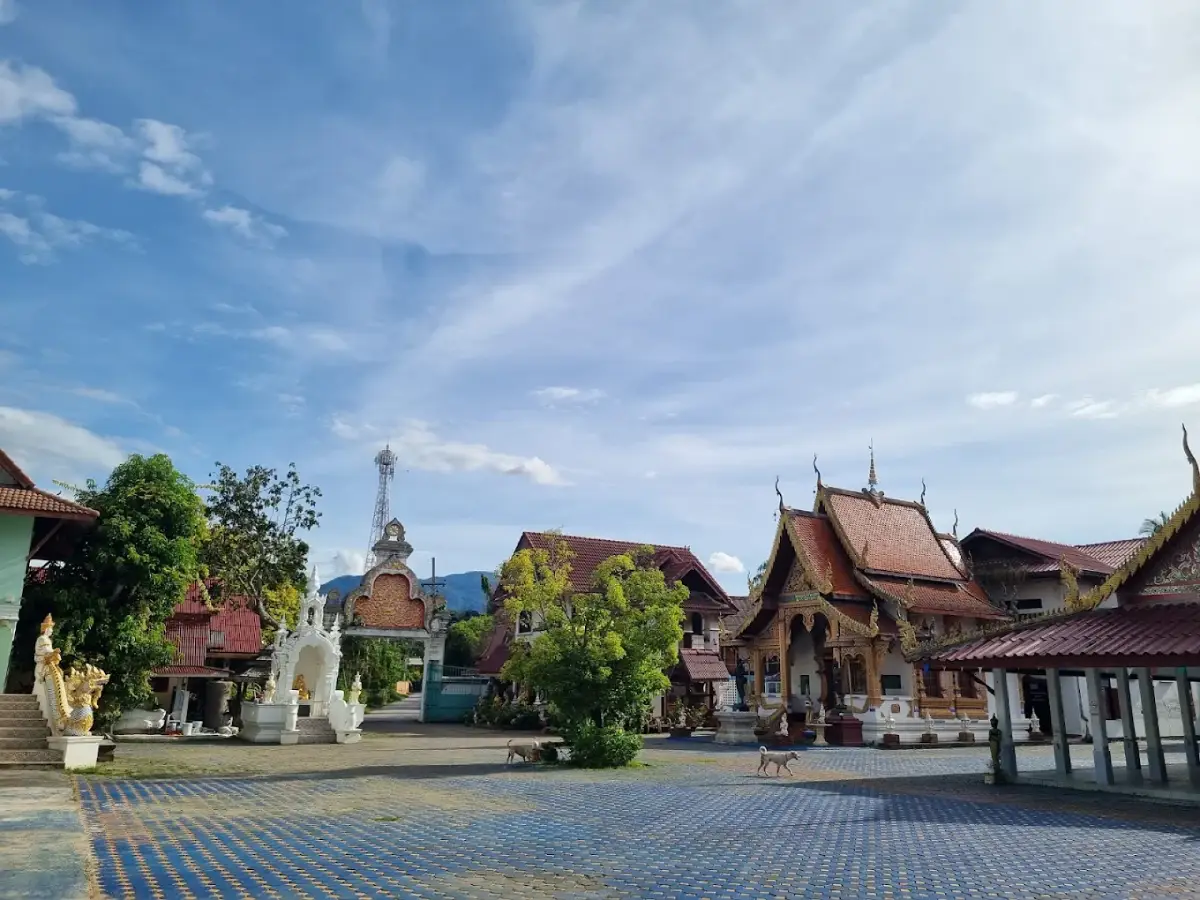
Wat Rattanaram is located at No. 139/4, Moo 4, Ban Ton Kaew, Rim Tai Subdistrict, Mae Rim District, Chiang Mai Province 50180. It is a community Buddhist temple under the Mahanikaya monastic order. Local residents have long known the temple as Wat Ton Kaew because the fragrant kaew flower became a symbolic image of the temple and the village. Located north of Mae Rim District Office, Wat Rattanaram is an old community temple with important Lanna-style religious architecture, sacred objects, and a continuing role as the spiritual center of Ban Ton Kaew.
Wat Rattanaram is suitable for travelers who want to understand Mae Rim beyond waterfalls, cafés, resorts, and scenic routes. The temple presents a quieter side of Mae Rim through the history of Ban Ton Kaew, the Buddhist faith of local residents, and the way a village temple can preserve community memory across generations. Although no clear document confirms the exact founding year, local accounts and evidence from palm-leaf manuscripts suggest that the temple is more than 200 years old and was associated with Burmese Buddhist devotees.
Rim Tai Subdistrict is central to Mae Rim District. It lies near Chotana Road and Highway 107, the main route linking Chiang Mai city with Mae Rim, Mae Sa, Mae Raem, and northern Chiang Mai. The area includes old villages, temples, markets, schools, shops, and residential communities. Wat Rattanaram therefore stands within a living community, not as an isolated tourist attraction.
The former local name, Wat Ton Kaew, is important because it preserves the memory of the village. The kaew flower is a fragrant flower associated with the temple and the surrounding community. The name shows how local residents remembered the temple through a natural symbol rather than only through its formal religious name. This gives Wat Rattanaram a strong sense of place and community identity.
The temple’s history does not provide a definite founding year. Local stories say that it was built through the faith of villagers, many of whom were Burmese. Palm-leaf manuscript evidence has led to the belief that the temple may be around 200 years old. This makes Wat Rattanaram valuable as a Buddhist site connected with older patterns of settlement, faith, and cultural exchange in Mae Rim.
The original temple site was in the middle of rice fields before the temple later moved to its present location. This movement reflects how the village changed over time. As communities expanded and transportation routes became more convenient, temples often moved or developed in places that better served the religious needs of local residents. Wat Rattanaram’s present location allows it to remain accessible to the Ban Ton Kaew community.
Important structures at Wat Rattanaram include the main viharn, small viharn, Lanna-style ordination hall, scripture hall, drum pavilion, sermon hall, Wachira Samakkhi monks’ residence, kitchen, entrance arch, and bell tower. Important sacred objects include the chedi and Buddha images. These elements make the temple a complete community Buddhist site, supporting worship, ceremonies, learning, merit-making, and village activities.
The Lanna-style ordination hall is one of the temple’s most important architectural features. It has a two-tiered, two-level roof decorated with carved wooden hang hong elements. The front section is decorated with carved wooden scrollwork, lacquer, and gilding. Decorative brackets, a curved arch with two facing naga figures, a honeycomb-like ornament, and color-glass decorated columns all show the refinement of Lanna craftsmanship.
The ordination hall should be appreciated slowly. Its layered roof, carved woodwork, gilded details, naga motifs, and colored glass create a sacred atmosphere. These details show how Buddhist faith and local craftsmanship come together in northern Thai temple architecture.
The viharn is a more modern structure but still carries Buddhist artistic details. Its front gable is carved, lacquered, and gilded with floral patterns and decorated with blue glass. The windows are carved with scenes from the life of the Buddha, while both door panels show carved images of Indra. The two-tiered roof is decorated with chofa, bairaka, and hang hong elements, creating a familiar northern Thai temple silhouette.
Inside the viharn are mural paintings that help communicate Buddhist stories and teachings. In a community temple, murals are not merely decorative. They help local worshippers, children, and visitors understand the life of the Buddha, Buddhist values, and religious stories through visual language.
The scripture hall, or ho trai, is another distinctive feature of Wat Rattanaram. It has two floors. The upper floor is made of wood, while the pediment is made of brick and stucco with carved, lacquered, and gilded Indra motifs. The lower floor is built of brick and stucco. A special feature of this scripture hall is that there is no staircase leading to the upper floor. This makes the structure architecturally unusual and reinforces its sacred role as a place associated with the preservation of Buddhist scripture.
The drum pavilion houses an old ritual drum. In a village temple, a drum was not only a musical object. It helped signal time, ceremonies, gatherings, and community events. The presence of an old ritual drum shows how the temple once functioned as a sound-based communication center for the surrounding village.
The Lanna-style chedi is an important sacred object at Wat Rattanaram. It is surrounded by a wall decorated with paintings of zodiac animals. This links Buddhist devotion with local beliefs about birth-year animals, which are meaningful in northern Thai culture. Visitors can pay respect to the chedi and observe the symbolic animal designs around it.
The entrance arch is also an important element of Lanna temple space. Passing through the arch marks a symbolic movement from everyday space into sacred space. Together with the bell tower, sermon hall, monks’ residence, kitchen, and other buildings, the arch helps define the temple as both a religious and community space.
Wat Rattanaram is currently led by Phra Athikan Khanong Bhaddavaro. The temple remains an active community temple of Ban Ton Kaew and Rim Tai. The abbot’s role includes maintaining the temple, leading Buddhist activities, coordinating merit-making events, and preserving the temple as a spiritual center for the local community.
The temple plays an important role in Ban Ton Kaew. Local residents use it for merit-making, sermons, Kathin, forest robe offerings, Buddhist holy days, and annual community activities. Temple events bring together older residents, families, younger people, and community members who continue to maintain Buddhist customs and social ties.
Related traditions include Kathin, forest robe offerings, Buddhist holy days, Buddhist Lent, the end of Buddhist Lent, Makha Bucha, Visakha Bucha, Asalha Bucha, and annual village merit-making events. These activities keep the temple active throughout the year and help preserve Lanna Buddhist social practice in a changing Mae Rim community.
Visitors should pay respect to the Buddha images, the Lanna-style chedi, and the worship areas inside the temple. They can make merit, offer Sangha donations, sit quietly, and observe the temple’s artistic details. Visitors should dress respectfully, speak softly, avoid disturbing monks or local worshippers, and refrain from entering monastic areas without permission.
The temple’s highlights include the Lanna-style ordination hall, the viharn with carved and gilded details, the two-story scripture hall, the drum pavilion, the old ritual drum, the Lanna-style chedi, and the zodiac animal paintings around the chedi wall. These features make Wat Rattanaram especially suitable for visitors interested in local temple architecture, carved woodwork, lacquer and gilding, Lanna Buddhist art, and community history.
The atmosphere of Wat Rattanaram is quiet and local. It is not a large commercial tourist attraction. Its value lies in its age, artistic details, connection with Ban Ton Kaew, and continuing role as a living temple. Cultural travelers who prefer local temples with real community context will find it especially meaningful.
Getting There is convenient from Chiang Mai city by taking Chotana Road or Highway 107 north toward Mae Rim District, then entering Rim Tai Subdistrict and Ban Ton Kaew. Private car, rental car, or local transport is recommended. Travelers using public transportation toward Mae Rim can continue by local vehicle into the temple area.
A useful cultural route can begin at Wat Rattanaram, then continue to Wat Mae Rim, Wat Pa Daraphirom, Wat Duang Dee, Wat Sai Mun, Wat Buppharam, and Darabhiromya Royal Mansion Museum. The trip can also extend to Mae Rim Orchid and Butterfly Farm, Mae Sa Waterfall, or Queen Sirikit Botanic Garden. This route combines community temples, Lanna architecture, local history, nature, food, and nearby accommodation options in one Mae Rim itinerary.
Wat Rattanaram is suitable for a half-day trip from Chiang Mai city or Mae Rim town. Visitors can make merit, learn about Ban Ton Kaew, observe the temple’s Lanna-style architecture, and continue to nearby attractions and restaurants. The temple adds cultural depth to a Mae Rim trip by showing how local faith, art, and community life remain connected.
In summary, Wat Rattanaram is a Mahanikaya community temple in Ban Ton Kaew, Rim Tai Subdistrict, Mae Rim District, Chiang Mai Province. It is located at No. 139/4, Moo 4, and is locally known as Wat Ton Kaew. Its history is linked with Burmese Buddhist devotees and is believed to extend back around 200 years. Important features include the main viharn, small viharn, Lanna-style ordination hall, scripture hall, drum pavilion, sermon hall, monks’ residence, kitchen, entrance arch, bell tower, Lanna-style chedi, Buddha images, carved woodwork, lacquer, gilding, murals, and zodiac animal paintings. It is a meaningful stop for merit-making, local art study, and a broader Mae Rim cultural route.
| Name | Wat Rattanaram |
| Location | Ban Ton Kaew, Moo 4, Rim Tai Subdistrict, Mae Rim District, Chiang Mai Province 50180 |
| Address | No. 139/4, Moo 4, Rim Tai Subdistrict, Mae Rim District, Chiang Mai Province 50180, Thailand |
| Former / Local Name | Wat Ton Kaew |
| Temple Type | Community Buddhist temple under the Mahanikaya monastic order |
| Open Days | Daily |
| Opening Hours | 08.00 – 17.00 |
| History | No exact founding year is confirmed. Local accounts say the temple was built by Burmese Buddhist devotees and may be around 200 years old. |
| Name Origin | Local residents called it Wat Ton Kaew because the kaew flower became a symbol of the temple and Ban Ton Kaew community. |
| Original Site | Originally located in the middle of rice fields before moving to the present site. |
| Important Structures | Main viharn, small viharn, Lanna-style ordination hall, scripture hall, drum pavilion, sermon hall, Wachira Samakkhi monks’ residence, kitchen, entrance arch, and bell tower |
| Ordination Hall | Lanna-style ordination hall with a two-tiered roof, carved wooden hang hong, gilded scrollwork, decorative brackets, naga motifs, and colored glass columns |
| Viharn | Modern viharn with carved and gilded floral gable, blue glass decoration, Buddha-life carved windows, carved Indra door panels, and interior murals |
| Scripture Hall | Two-story scripture hall; upper floor made of wood, lower floor built of brick and stucco, with a special feature of having no staircase to the upper level |
| Drum Pavilion | Houses an old ritual drum |
| Sacred Objects | Lanna-style chedi, Buddha images, and worship areas within the temple |
| Chedi | Lanna-style chedi surrounded by a wall painted with zodiac animal designs |
| Highlights | Old community temple of Ban Ton Kaew with Lanna-style architecture, two-story scripture hall, old ritual drum, Lanna chedi, carved woodwork, lacquer, gilding, and mural paintings |
| Community Role | A spiritual center for Ban Ton Kaew, used for merit-making, sermons, Kathin, forest robe offerings, Buddhist holy days, and community activities |
| Related Traditions | Kathin, forest robe offerings, Buddhist holy days, Buddhist Lent, end of Buddhist Lent, Makha Bucha, Visakha Bucha, Asalha Bucha, and annual community merit-making activities |
| Abbot | Phra Athikan Khanong Bhaddavaro |
| Main Contact Number | 053-297-071 |
| Travel Information | Travel from Chiang Mai city along Chotana Road or Highway 107 toward Mae Rim District, then enter Ban Ton Kaew in Rim Tai Subdistrict. Private car, rental car, or local transport is recommended. |
| Current Status | Listed as a religious place in Rim Tai Subdistrict, Mae Rim District, Chiang Mai Province, and functions as the community temple of Ban Ton Kaew |
| Nearby Tourist Attractions | 1. Wat Mae Rim, about 1 km 2. Wat Pa Daraphirom, about 2 km 3. Wat Duang Dee, about 2 km 4. Darabhiromya Royal Mansion Museum, about 3 km 5. Mae Rim Orchid And Butterfly Farm, about 5 km |
| Nearby Restaurants | 1. Baan Landai Fine Thai Cuisine Mae Rim, about 2 km, Tel. 064-469-2929 2. Per La Mer Cafe, about 7 km 3. Akha Ama Living Factory, about 8 km 4. Huen Lung Suea Mae Rim, about 8 km 5. Pongyang Angdoi Restaurant, about 15 km |
| Nearby Accommodations | 1. The Grand Morocc Hotel, about 2 km, Tel. 053-299-835 2. Mae Rim Whale Park Resort, about 3 km, Tel. 053-299-409 3. Mae Rim Lagoon Hotel, about 4 km 4. Four Seasons Resort Chiang Mai, about 6 km, Tel. 053-298-181 5. Pongyang Angdoi Resort, about 15 km |
Frequently Asked Questions (FAQ)
Q: Where Is Wat Rattanaram Located?
A: Wat Rattanaram is located at No. 139/4, Moo 4, Ban Ton Kaew, Rim Tai Subdistrict, Mae Rim District, Chiang Mai Province 50180, Thailand.
Q: What Are The Open Days And Opening Hours Of Wat Rattanaram?
A: The temple is open daily from 08.00 to 17.00.
Q: What Was The Local Name Of Wat Rattanaram?
A: Local residents called Wat Rattanaram Wat Ton Kaew because the kaew flower became a symbol of the temple and the Ban Ton Kaew community.
Q: What Is The History Of Wat Rattanaram?
A: No exact founding year is confirmed, but local accounts say the temple was built by Burmese Buddhist devotees and may be around 200 years old.
Q: Who Is The Abbot Of Wat Rattanaram?
A: The abbot of Wat Rattanaram is Phra Athikan Khanong Bhaddavaro.
Q: What Are The Main Highlights Of Wat Rattanaram?
A: The main highlights include the Lanna-style ordination hall, two-story scripture hall, old ritual drum, Lanna-style chedi, zodiac animal paintings, carved woodwork, lacquer, gilding, and mural paintings.
Q: What Important Structures Are Found At Wat Rattanaram?
A: Important structures include the main viharn, small viharn, Lanna-style ordination hall, scripture hall, drum pavilion, sermon hall, monks’ residence, kitchen, entrance arch, and bell tower.
Q: What Nearby Attractions Can Be Visited With Wat Rattanaram?
A: Nearby attractions include Wat Mae Rim, Wat Pa Daraphirom, Wat Duang Dee, Darabhiromya Royal Mansion Museum, and Mae Rim Orchid and Butterfly Farm.
 Category: ●Places of Worship
 Group: ●Temple
Last Update : 5 DayAgo
 Last Update : 5 DayAgo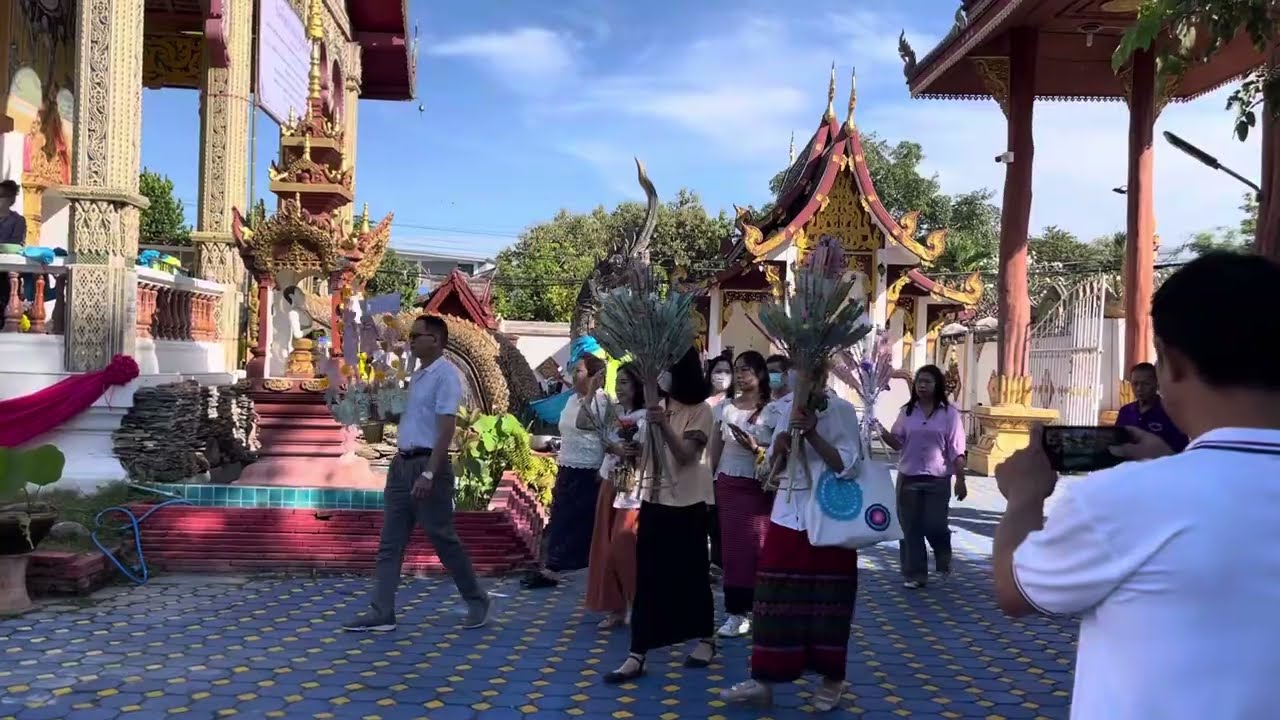
 Click to Access the Navigation Map GPS
Wat Rattanaram Map
Recommend

 Muang Chiang Mai(121)Chom Thong(47)Mae Chaem(25)Chiang Dao(33)Doi Saket(68)Mae Taeng(85)Mae Rim(69)Samoeng(29)Fang(71)Mae Ai(59)Phrao(70)San Pa Tong(103)San Kamphaeng(66)San Sai(73)Hang Dong(74)Hot(32)Doi Tao(22)Omkoi(11)Saraphi(74)Wiang Haeng(15)Chai Prakan(28)Mae Wang(32)Mae On(22)Doi Lo(34)Galyani Vadhana(1)


