
lovethailand home >North Travel Attractions >Chiang Mai Travel Attractions >Mae Taeng >Khi Lek > Wat Sai Mun
TL;DR: Wat Sai Mun is located at Moo 5, Khi Lek Subdistrict, Mae Taeng District, Chiang Mai Province. Highlights include Old community temple in Khi Lek Subdistrict, suitable for worship, merit-making, and learning about local Buddhist life in Mae Taeng.
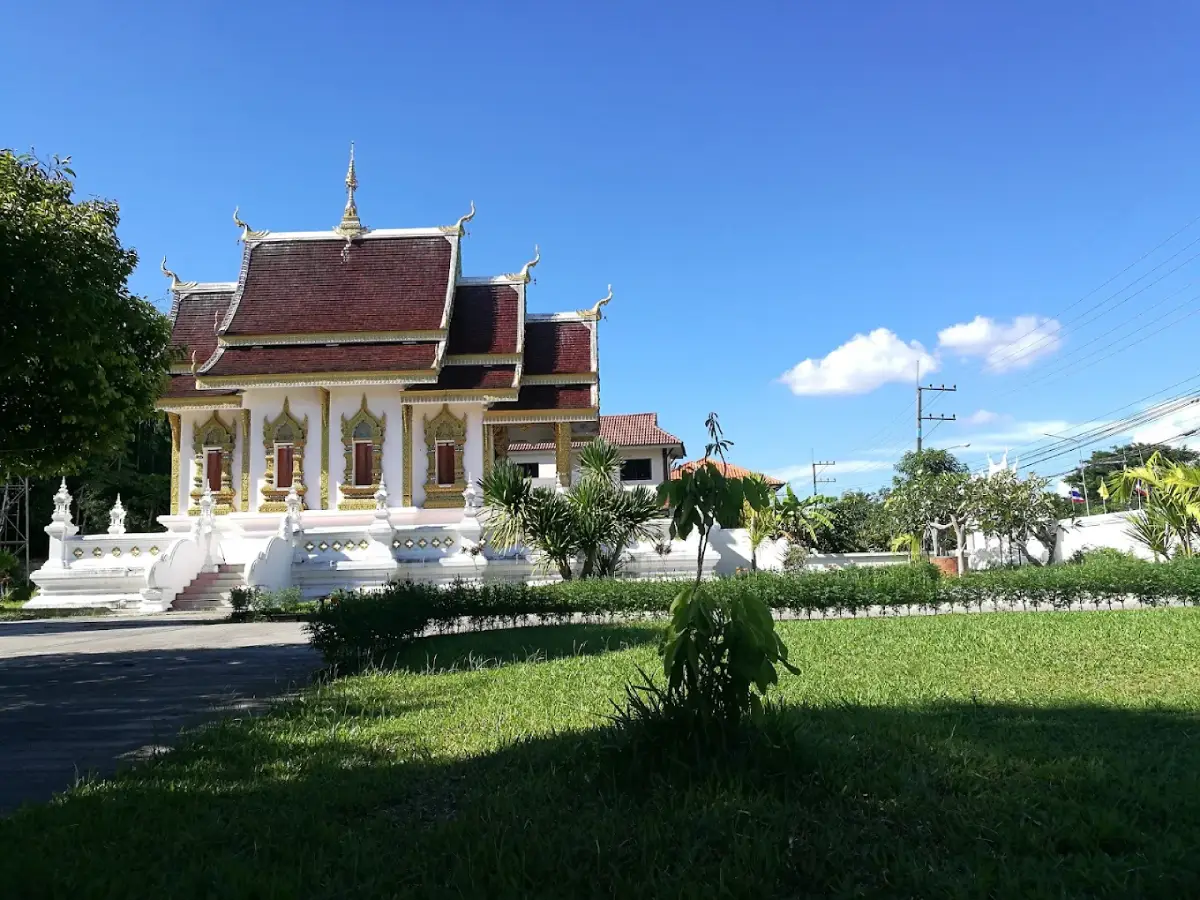
Wat Sai Mun
Operating day: Daily
Operating time: 08.00 - 17.00
Wat Sai Mun is located in Moo 5, Khi Lek Subdistrict, Mae Taeng District, Chiang Mai Province. It is a public Buddhist temple under the Mahanikaya order and an important community temple for the local people of Khi Lek. The temple was officially permitted to be established in 1917 and received its royal ubosot boundary in 2000. Phra Khru Sangwon Prachanusit Chittasamvaro serves as the abbot of Wat Sai Mun. The temple reflects the character of a Lanna village temple that supports merit-making, Dhamma listening, Buddhist ceremonies, and community religious life.
Khi Lek Subdistrict is one of the important community areas of Mae Taeng District. It contains several villages and community temples connected with local roads, agriculture, village life, and the Chiang Mai-Fang route. Wat Sai Mun is located in Moo 5 within this local setting. It belongs to a wider network of temples in Khi Lek, including Wat Nong Khong, Wat Ram Poeng, Wat Phra That Doi Chom Chaeng, Wat Ma Ong Nok, and Wat Sahakorn Sri Don Chai.
The temple’s history is significant because it has existed as an officially established temple since 1917. This shows that the community in this area had already developed a stable Buddhist foundation in the early 20th century. Wat Sai Mun has therefore served as a center of faith for local residents for more than a century. Its long existence reflects the continuity of Buddhism and village life in Khi Lek Subdistrict.
The granting of the royal ubosot boundary in 2000 is another important part of the temple’s status. A royal boundary allows a temple to conduct important monastic acts in a formally recognized ubosot area, including ordination and Sangha ceremonies. This gives Wat Sai Mun a complete role within the Buddhist monastic system, beyond its function as a place of worship for villagers.
Phra Khru Sangwon Prachanusit Chittasamvaro, the abbot of Wat Sai Mun, plays an important role in maintaining the temple and guiding Buddhist activities. His name appears in connection with Wat Sai Mun and with Buddhist educational and monastic administration in the Khi Lek area. In a community temple, the abbot is central to preserving religious practice, caring for monks and novices, receiving lay support, and keeping the relationship between temple and community alive.
Wat Sai Mun is a public Buddhist temple under the Mahanikaya order. This means that it is a community-supported temple founded and maintained through local faith. Villagers come to the temple for merit-making, food offerings, Dhamma listening, Kathin, robe-offering ceremonies, and important Buddhist activities throughout the year. The temple therefore functions as a spiritual and social center for the surrounding community.
The name “Sai Mun” suggests a connection with local landscape and sandy ground. In northern Thai communities, village and temple names are often shaped by natural features such as rivers, soil, sand, forests, or terrain. Although detailed public information explaining the exact origin of Wat Sai Mun’s name in Khi Lek is not available, the name reflects the way local communities often name sacred and settlement spaces according to remembered landscapes.
Wat Sai Mun is important as a village temple that supports Buddhist life at many levels. It is used for family ceremonies, ordination-related activities, funerals, house-blessing merit-making, Buddhist holy day observances, the rains retreat, and annual merit-making. The temple gives villagers a place to gather, practice generosity, listen to teachings, and maintain relationships across generations.
Detailed public information about the temple’s individual architectural features, principal Buddha image, chedi, or mural decoration is limited. However, the temple’s value should be understood through its role as a functioning community religious place. Visitors should focus on its quiet atmosphere, worship areas, religious activity spaces, and the way it continues to serve local residents.
The main appeal of Wat Sai Mun is its identity as an authentic community temple in Khi Lek Subdistrict. It is not a large commercial tourist attraction, but a meaningful local Buddhist site. Travelers who visit the temple can see the everyday side of Buddhism in Mae Taeng and understand how village temples continue to support community life.
Khi Lek Subdistrict has several temples that can be combined into a cultural route. Wat Sai Mun is near Wat Nong Khong, Wat Ram Poeng, Wat Phra That Doi Chom Chaeng, and Wat Ma Ong Nok. Visiting these temples together helps travelers understand Mae Taeng through local faith, village history, and Buddhist community networks rather than through major natural attractions alone.
Wat Sai Mun is also connected with Buddhist education and monastic learning. The temple’s name appears in records related to Dhamma examinations and monks in the Chiang Mai monastic education system. This shows that the temple has a role not only in local merit-making, but also in the continuation of Buddhist learning among monks and novices.
Religious activities at Wat Sai Mun follow the rhythm of Lanna village Buddhism. These include Buddhist holy day merit-making, the rains retreat, the end of the rains retreat, Kathin, robe-offering ceremonies, Dhamma listening, food offerings, and community Buddhist rites. These activities maintain the relationship between monks and villagers and keep the temple active throughout the year.
For visitors, Wat Sai Mun is suitable for quiet temple travel, local cultural exploration, and a deeper understanding of Mae Taeng’s village temples. It is best visited slowly and respectfully. Visitors can observe the temple atmosphere, worship areas, and community setting without treating the temple as a commercial tourist site.
Traveling to Wat Sai Mun is convenient by private car, rental car, or hired driver. From Chiang Mai city, take the Chiang Mai-Mae Rim-Mae Taeng route or the Chiang Mai-Fang road toward Mae Taeng District, pass the Mae Malai area, then continue into Khi Lek Subdistrict and Moo 5, Ban Sai Mun. The route is suitable for a cultural day trip in Mae Taeng.
Travelers using public transportation should first reach Mae Taeng District or Mae Malai, then continue by local transport, hired vehicle, or pickup service to Ban Sai Mun. Since rural transport is less frequent than city transport, planning ahead is recommended. A private vehicle is the most practical option for visitors who want to combine Wat Sai Mun with nearby temples, restaurants, and accommodations.
A suitable itinerary can begin at Wat Sai Mun for worship and a quiet community temple visit. Travelers can then continue to Wat Nong Khong, Wat Ram Poeng, Wat Phra That Doi Chom Chaeng, or Wat Ma Ong Nok. For food or local markets, the Mae Malai area is a practical stop. Visitors who want to add nature can continue to Suan Son Mae Taeng, Mae Ngat Somboon Chon Dam, or Bua Tong Waterfall and Chet Si Spring depending on route and available time.
Visitors should dress respectfully, keep quiet, avoid disturbing monks and local worshippers, and avoid entering monastic or restricted areas without permission. Wat Sai Mun is an active community temple, not a commercial attraction. Respectful behavior helps preserve the temple’s peaceful atmosphere and allows travelers to experience its cultural value properly.
Overall, Wat Sai Mun is an old community temple of Khi Lek Subdistrict with religious, historical, and social value. It was officially established in 1917, received its royal ubosot boundary in 2000, and is led by Phra Khru Sangwon Prachanusit Chittasamvaro. The temple is suitable for travelers who want to understand Mae Taeng through local Buddhist life, community temples, and the relationship between faith and village society.
| Name | Wat Sai Mun |
| Location | Moo 5, Khi Lek Subdistrict, Mae Taeng District, Chiang Mai Province |
| Address | Moo 5, Khi Lek Subdistrict, Mae Taeng District, Chiang Mai 50150, Thailand |
| Temple Type | Public Buddhist Temple Under The Mahanikaya Order |
| Temple Code | 350060301 |
| History / Temple Status | Officially permitted to be established in 1917 and received its royal ubosot boundary in 2000 |
| Abbot / Caretaker | Phra Khru Sangwon Prachanusit Chittasamvaro |
| Highlights | Old community temple in Khi Lek Subdistrict, suitable for worship, merit-making, and learning about local Buddhist life in Mae Taeng |
| Community Context | Located in Moo 5 of Khi Lek Subdistrict within Mae Taeng’s network of community temples, near Mae Malai and the Chiang Mai-Fang route |
| Main Areas / Zones | Worship area, religious activity spaces, royal ubosot boundary area, temple courtyard, and community-use areas |
| Community Role | A spiritual center for the local community, used for Buddhist ceremonies, merit-making, Dhamma listening, Kathin, robe-offering ceremonies, and village religious activities |
| Travel Information | From Chiang Mai city, take the Chiang Mai-Mae Rim-Mae Taeng route or the Chiang Mai-Fang road, pass Mae Malai, then continue into Khi Lek Subdistrict and Moo 5, Ban Sai Mun. Private car, rental car, or hired driver is recommended |
| Current Status | Open as a community temple and Buddhist religious site in Khi Lek Subdistrict, Mae Taeng District, Chiang Mai Province |
| Important Traditions | Buddhist holy day merit-making, rains retreat, end-of-rains retreat, Kathin, robe-offering ceremonies, Dhamma listening, and local Buddhist rites |
| Visitor Etiquette | Dress respectfully, keep quiet, avoid disturbing monks and worshippers, do not enter monastic areas without permission, and keep the temple clean |
| Nearby Tourist Attractions | 1. Wat Nong Khong, about 2 km 2. Wat Ram Poeng, about 3 km 3. Wat Phra That Doi Chom Chaeng, about 4 km 4. Wat Ma Ong Nok, about 4 km 5. Mae Malai Market, about 7 km |
| Nearby Restaurants | 1. Khun Nai Pimpa, Mae Malai Market, about 7 km, Tel. 091-078-0525 2. Moo Inter Mae Malai, about 7 km, Tel. 093-135-2929 3. Baan Suan Chomchan Mae Taeng, about 8 km, Tel. 053-047-111, 089-433-5819 4. Sri Kaew Restaurant @ Mae Taeng, about 10 km, Tel. 082-574-7870 5. Doona Resort Restaurant, about 17 km, Tel. 093-275-3888 |
| Nearby Accommodations | 1. Rub Lom Resort Mae Taeng, about 4 km, Tel. 091-915-9359 2. Mae Malai Mansion, about 7 km, Tel. 053-842620, 095-6106489 3. Baan Suan Chomchan Mae Taeng, about 8 km, Tel. 053-047-111, 089-433-5819 4. Maetaeng Homestay & Resort, about 9 km, Tel. 086-399-9144 5. Phutawanpundao, about 10 km |
Frequently Asked Questions (FAQ)
Q: Where is Wat Sai Mun located?
A: Wat Sai Mun is located in Moo 5, Khi Lek Subdistrict, Mae Taeng District, Chiang Mai 50150, Thailand.
Q: What type of temple is Wat Sai Mun?
A: Wat Sai Mun is a public Buddhist temple under the Mahanikaya order. Its temple code is 350060301.
Q: When was Wat Sai Mun officially established?
A: Wat Sai Mun was officially permitted to be established in 1917 and received its royal ubosot boundary in 2000.
Q: Who is the abbot of Wat Sai Mun?
A: Phra Khru Sangwon Prachanusit Chittasamvaro is the abbot of Wat Sai Mun.
Q: What is the main highlight of Wat Sai Mun?
A: The main highlight is its role as an old community temple in Khi Lek Subdistrict and a spiritual center for local Buddhist life in Mae Taeng.
Q: How can travelers get to Wat Sai Mun?
A: From Chiang Mai city, take the Chiang Mai-Mae Rim-Mae Taeng route or the Chiang Mai-Fang road, pass Mae Malai, then continue into Khi Lek Subdistrict and Moo 5, Ban Sai Mun. A private car or rental car is the most convenient option.
Q: What nearby places can be visited with Wat Sai Mun?
A: Nearby places include Wat Nong Khong, Wat Ram Poeng, Wat Phra That Doi Chom Chaeng, Wat Ma Ong Nok, Mae Malai Market, and other attractions in Mae Taeng District.
 Category: ●Places of Worship
 Group: ●Temple
Last Update : 2 DayAgo
 Last Update : 2 DayAgo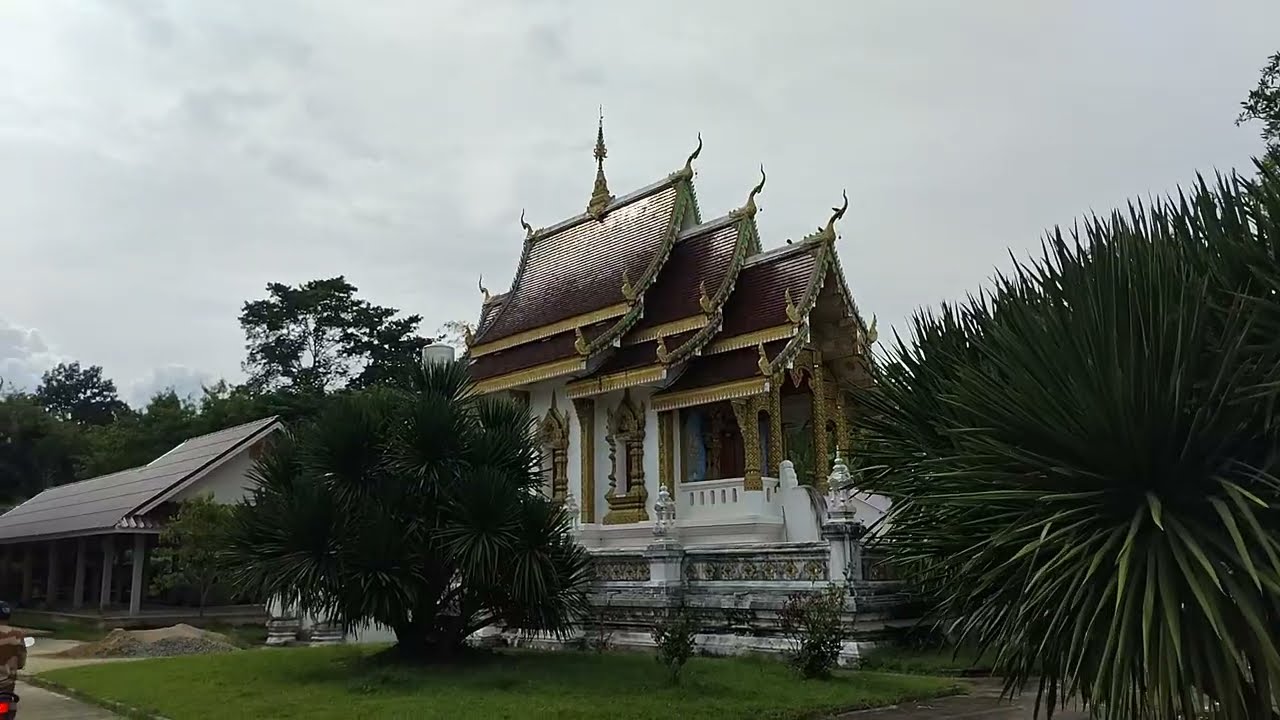
 Click to Access the Navigation Map GPS
Wat Sai Mun Map
Recommend

 Muang Chiang Mai(121)Chom Thong(47)Mae Chaem(25)Chiang Dao(33)Doi Saket(68)Mae Taeng(85)Mae Rim(69)Samoeng(29)Fang(71)Mae Ai(62)Phrao(70)San Pa Tong(105)San Kamphaeng(66)San Sai(73)Hang Dong(74)Hot(32)Doi Tao(22)Omkoi(11)Saraphi(74)Wiang Haeng(15)Chai Prakan(28)Mae Wang(32)Mae On(22)Doi Lo(34)Galyani Vadhana(1)


