
lovethailand home >North Travel Attractions >Chiang Mai Travel Attractions >Mae Chaem >Chang Khoeng > Wat Phrao Num
TL;DR: Wat Phrao Num is located at No. 134, Moo 6, Ban Phrao Num, Chang Khoeng Subdistrict, Mae Chaem District, Chiang Mai 50270, Thailand, open Daily, hours 08:00 - 17:00.
Wat Phrao Num
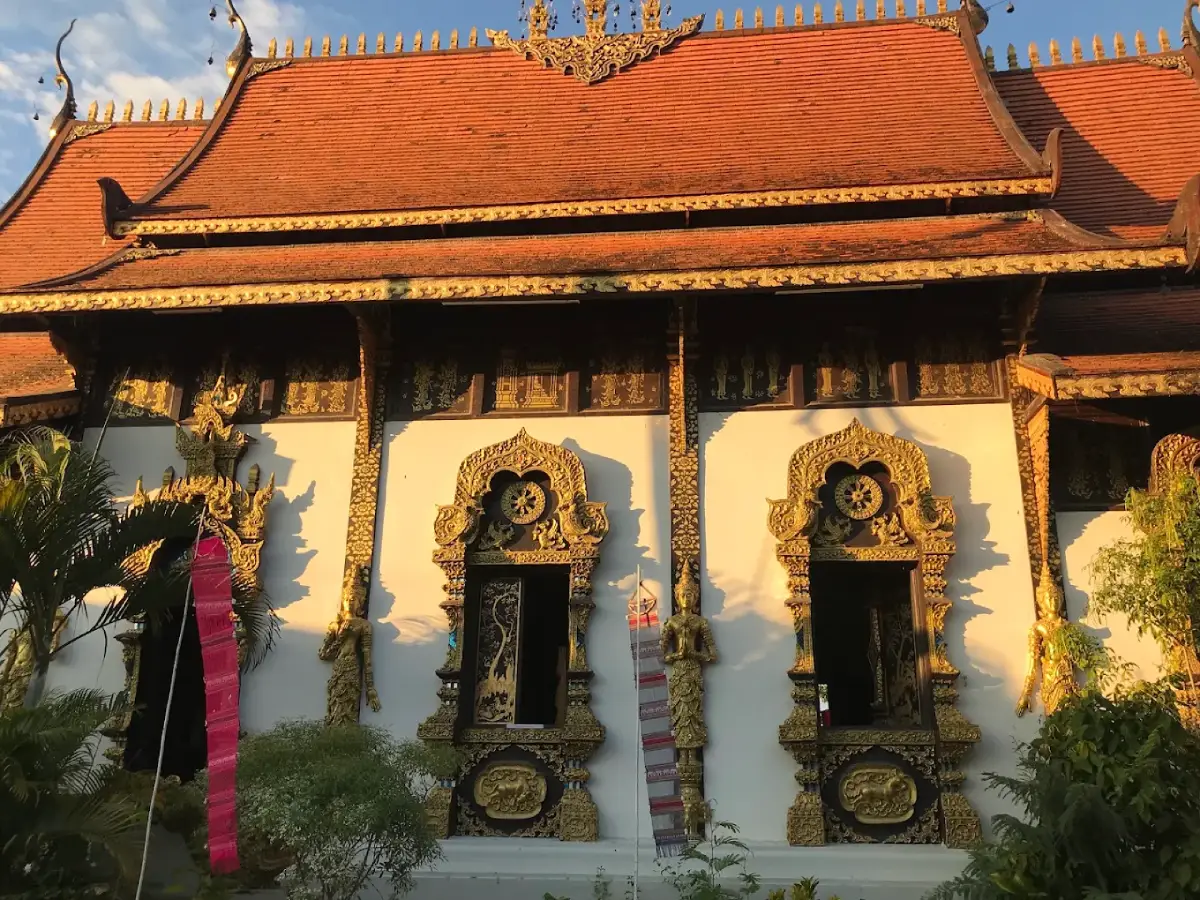
Open Days: Daily
Opening Hours: 08:00 - 17:00
Wat Phrao Num is located at No. 134, Moo 6, Ban Phrao Num, Chang Khoeng Subdistrict, Mae Chaem District, Chiang Mai Province 50270. It is a community Buddhist temple under the Mahanikaya order, covering an area of 1 rai, 1 ngan, and 98 square wah. The temple was officially established in 1832 and received its royal boundary recognition, known in Thai as wisungkhamsima, in 1989. The current abbot is Phra Khru Sunthon Thammawibun Dhammasundaro. Wat Phrao Num is one of the long-established village temples of Chang Khoeng and Mae Chaem, serving as a centre of local faith, Buddhist practice, and community life.
The temple stands in Ban Phrao Num, a village in Chang Khoeng Subdistrict. The surrounding area is part of the Mae Chaem valley, where villages, temples, farmland, and mountain routes remain closely connected. Wat Phrao Num is near several important temples, including Wat Phutthoen, Wat Ban Chiang, Wat Ku, Wat Phra That Chang Khoeng, and Wat Pa Daet. This location makes it a practical stop for travelers planning a Mae Chaem temple route.
The main value of Wat Phrao Num lies in its age and its relationship with the village community. Since the temple was officially established in 1832, it has long served as a religious centre for local residents. Temples of this kind were not created for tourism; they grew from community needs. Villagers needed a place for merit-making, Buddhist ceremonies, ordination, Dhamma listening, and communal activities. Wat Phrao Num still reflects that original purpose.
The name Phrao Num is closely connected with the identity of Ban Phrao Num. The temple and the village share the same name, which reinforces their close relationship. Wat Phrao Num is not separated from local life; it is woven into the religious, cultural, educational, and social structure of the community. A visit to the temple therefore offers insight into how Buddhism functions in everyday village life in Mae Chaem.
Measured from its official establishment year, Wat Phrao Num has a history of nearly two centuries. This long period covers Mae Chaem’s gradual transformation from a mountain-valley community into a district more connected with roads, education, public administration, and tourism. The temple stands as a cultural witness to the continuity of Ban Phrao Num and Chang Khoeng Subdistrict.
The temple’s royal boundary recognition in 1989 is also important. In Thai Buddhist practice, wisungkhamsima establishes a proper consecrated boundary for formal monastic acts. This recognition indicates the temple’s stable religious status within the Sangha structure and allows important Buddhist rites, such as ordination and other formal monastic ceremonies, to be performed properly.
Wat Phrao Num covers 1 rai, 1 ngan, and 98 square wah. It is not a large temple by area, but its compact size suits its role as a village temple. Visitors can walk around the compound comfortably and experience the calm atmosphere of a local temple that continues to serve the surrounding community. Its value is not in monumental scale, but in continuity, accessibility, and living religious function.
Wat Phrao Num remains active today. Records connected with the 2025 kathin season identify the temple as a community temple with five resident monks and list Phra Khru Sunthon Thammawibun as its abbot. This confirms that Wat Phrao Num is not an abandoned temple or merely a historic name. It remains a functioning Buddhist temple with monks, merit-making activities, and a continuing role in local religious life.
Phra Khru Sunthon Thammawibun Dhammasundaro is the abbot of Wat Phrao Num and is associated with the monastic administration of Chang Khoeng. A 2025 report connected with the Five Precepts Village initiative also identifies him as the ecclesiastical chief of Chang Khoeng Zone 2, based at Wat Phrao Num. This gives the temple additional significance within the local monastic network of Mae Chaem.
In terms of faith and community practice, Wat Phrao Num is used for merit-making on Buddhist holy days, annual temple events, kathin, robe-offering ceremonies, and other Buddhist activities. Temples of this type are central to northern Thai rural society. They are places where people gather, make offerings, listen to teachings, support monks, and maintain village traditions together.
Wat Phrao Num is also useful for understanding the wider religious landscape of Mae Chaem. Not every important temple in the district is defined by a major ancient monument or famous mural. A smaller community temple like Wat Phrao Num is equally important because it shows how Buddhism is lived at village level. It represents the ordinary but essential continuity of faith in Mae Chaem.
When placed in relation to nearby temples, Wat Phrao Num helps reveal the temple network of Chang Khoeng Subdistrict. Wat Phutthoen is nearby and is known for its water-surrounded ordination hall and sacred spring. Wat Ban Chiang is associated with Phra Chao Saen Tong and Mae Chaem’s local Buddhist heritage. Wat Ku lies close to the same village cluster. Wat Phra That Chang Khoeng is another important temple of the subdistrict, while Wat Pa Daet is a significant Mae Chaem temple for visitors interested in old temple art and atmosphere.
A practical one-day temple route may begin at Wat Phrao Num to understand a local village temple, continue to Wat Phutthoen to see its distinctive water-bound ubosot, then proceed to Wat Ban Chiang to worship Phra Chao Saen Tong. Depending on time, visitors can continue to Wat Phra That Chang Khoeng or Wat Pa Daet. This route gives a more complete view of Mae Chaem than visiting one temple alone.
Visitors should pay attention to Wat Phrao Num’s role as a village temple. Instead of looking only for architectural highlights, it is better to observe how the temple functions for the community. It is a place for merit-making, meetings, ordination, ceremonies, and annual traditions. Seeing the temple in this way makes the visit more meaningful than a simple photo stop.
The atmosphere of Wat Phrao Num suits travelers who prefer quiet temples, local communities, and slow cultural travel. Mae Chaem is known for its peaceful pace, and Wat Phrao Num reflects that quality. It is a place to walk slowly, observe respectfully, and appreciate the modest character of a temple that continues to serve local people rather than perform for tourism.
For travelers interested in local history, Wat Phrao Num should be understood together with Ban Phrao Num and Chang Khoeng Subdistrict. In northern Thai society, a village temple is a cultural centre. It supports religious education, life-cycle ceremonies, community gatherings, funerals, ordinations, merit-making, and shared memory. Wat Phrao Num is part of that structure.
For travel planning, Wat Phrao Num is convenient because it sits close to several other Mae Chaem temples. With good planning, visitors can see multiple temples within half a day. Those who want to understand Mae Chaem more deeply should spend a full day in Chang Khoeng and nearby areas, combining temples, local food, village scenery, and the quiet rhythm of the district.
Getting There from Chiang Mai city can be done by two main routes. The first route follows Highway 108 through Hang Dong, San Pa Tong, and Chom Thong, then continues via Highway 1009 toward Doi Inthanon before connecting with Highway 1192 down to Mae Chaem. This route is shorter and scenic, but it includes steep and winding mountain sections.
The second route follows Highway 108 through Chom Thong toward Hot and Op Luang, then connects with Highway 1088 into Mae Chaem. This route is longer but useful for travelers who want to combine Mae Chaem with Op Luang or approach from southern Chiang Mai. Once in Mae Chaem, continue toward Ban Phrao Num, Moo 6, Chang Khoeng Subdistrict, using the temple coordinates for navigation.
The temple’s coordinates are approximately 18.51056 latitude and 98.35408 longitude. It is close to Wat Phutthoen, Wat Ban Chiang, and Ban Phrao Num Community School. Private car, rental car, or motorcycle is the most convenient way to explore the area, as Mae Chaem’s temples and cultural sites are spread across different villages and local public transport is limited.
The best time to visit Wat Phrao Num is in the morning or late afternoon when the weather is milder. Morning is suitable for quiet worship and temple observation, while afternoon works well for continuing to nearby temples, cafes, and restaurants. During the rainy season, allow extra travel time because the routes into Mae Chaem include mountain roads and many curves. In the cool season, Mae Chaem’s climate is pleasant for slow temple travel and overnight stays.
Nearby food options include Sikon Restaurant in Chang Khoeng, Jam A Rom Ancient Tom Yum Noodle, Khuang Na Restaurant, Pema Cafe, and Mae Chaem Gate Restaurant. These places are suitable for combining a temple visit with lunch, coffee, or dinner in the Mae Chaem area.
Accommodation options near Wat Phrao Num and Mae Chaem town include Loft Room 71 Mae Chaem, Take View Mueang Chaem Homestay, Phu Chaem House, Phu Pha Home, and Hug Khao at Mae Chaem. Staying overnight is recommended for travelers who want to explore Wat Phrao Num and nearby temples without rushing back to Chiang Mai on the same day.
Visitors should dress modestly when entering Wat Phrao Num. Shoulders and knees should be covered, shoes should be removed in designated areas, and voices should be kept low. Do not enter monks’ residential areas without permission. If a ceremony, merit-making event, or community activity is taking place, observe respectfully and ask permission before photographing people or religious activities.
Wat Phrao Num may not be a nationally famous temple, but it is highly valuable for understanding Mae Chaem at community level. It has a long history, an active abbot, resident monks, kathin activity, a verified address and phone number, and a location within one of Mae Chaem’s important temple clusters. For travelers who want to see more than rice terraces and mountain views, Wat Phrao Num provides a clear view of the Buddhist community life that sustains Mae Chaem.
Overall, Wat Phrao Num reflects the quiet strength of Mae Chaem’s village temples. It is an old community temple, a centre of local faith, a link in the Chang Khoeng temple route, and a living religious space that preserves community memory. Visiting Wat Phrao Num with patience and respect helps travelers understand that Mae Chaem’s charm is found not only in its landscapes but also in the small temples that continue to hold the faith and identity of local people.
| Name | Wat Phrao Num |
| Temple Type | Community Buddhist temple under the Mahanikaya order |
| Address | No. 134, Moo 6, Ban Phrao Num, Chang Khoeng Subdistrict, Mae Chaem District, Chiang Mai 50270, Thailand |
| Coordinates | 18.51056, 98.35408 |
| Open Days | Daily |
| Opening Hours | 08:00 - 17:00 |
| Phone | +66 53 828 304 |
| Temple Area | 1 rai, 1 ngan, 98 square wah |
| Official Establishment | 1832 |
| Royal Boundary Recognition | 1989 |
| Abbot | Phra Khru Sunthon Thammawibun Dhammasundaro |
| Current Status | Active Buddhist temple with resident monks and ongoing community religious use |
| Main Role | Village temple of Ban Phrao Num, centre for merit-making, kathin, Buddhist ceremonies, and community religious activities in Chang Khoeng |
| Main Areas / Zones | Temple religious area, consecrated monastic boundary area, and community activity spaces within the temple compound |
| Best For | Mae Chaem temple route, northern Thai village temple study, quiet cultural travel, and Buddhist community-life observation |
| Getting There | From Chiang Mai, take Highway 108 to Chom Thong, then Highway 1009 and Highway 1192 to Mae Chaem, or travel through Hot and Op Luang via Highway 1088. From Mae Chaem town, continue to Ban Phrao Num in Chang Khoeng Subdistrict. |
| Nearby Tourist Attractions | 1. Wat Phutthoen — approx. 1 km 2. Wat Ban Chiang / Wat Chiang — approx. 1 km 3. Wat Ku — approx. 1 km 4. Wat Phra That Chang Khoeng — approx. 2 km 5. Wat Pa Daet, Mae Chaem — approx. 5 km |
| Nearby Restaurants | 1. Sikon Restaurant — approx. 1 km, Tel. +66 87 067 8193 2. Jam A Rom Ancient Tom Yum Noodle — approx. 2 km, Tel. +66 81 167 5992 3. Khuang Na Restaurant — approx. 3 km, Tel. +66 87 183 6931 4. Pema Cafe — approx. 3 km, Tel. +66 88 229 5692 5. Mae Chaem Gate Restaurant — approx. 6 km, Tel. +66 85 671 3061 |
| Nearby Accommodations | 1. Loft Room 71 Mae Chaem — approx. 1 km, Tel. +66 61 273 1989 2. Take View Mueang Chaem Homestay — approx. 3 km, Tel. +66 96 102 4162 3. Phu Chaem House — approx. 6 km, Tel. +66 81 024 6223 4. Phu Pha Home — approx. 6 km, Tel. +66 64 350 2333 5. Hug Khao at Mae Chaem — approx. 7 km, Tel. +66 93 140 1254 |
Frequently Asked Questions (FAQ)
Q: Where is Wat Phrao Num located?
A: Wat Phrao Num is located at No. 134, Moo 6, Ban Phrao Num, Chang Khoeng Subdistrict, Mae Chaem District, Chiang Mai Province 50270.
Q: What are the opening days and hours of Wat Phrao Num?
A: Wat Phrao Num is open daily from 08:00 to 17:00.
Q: Why is Wat Phrao Num important?
A: Wat Phrao Num is an old Mahanikaya community temple of Ban Phrao Num, officially established in 1832 and still active as a centre of Buddhist practice and local merit-making.
Q: Who is the abbot of Wat Phrao Num?
A: The abbot of Wat Phrao Num is Phra Khru Sunthon Thammawibun Dhammasundaro.
Q: When did Wat Phrao Num receive royal boundary recognition?
A: Wat Phrao Num received royal boundary recognition in 1989.
Q: Which nearby temples can be combined with Wat Phrao Num?
A: Nearby temples include Wat Phutthoen, Wat Ban Chiang, Wat Ku, Wat Phra That Chang Khoeng, and Wat Pa Daet in Mae Chaem.
Q: How do I travel from Chiang Mai to Wat Phrao Num?
A: Travel from Chiang Mai via Highway 108 to Chom Thong, then Highway 1009 and Highway 1192 to Mae Chaem, or travel through Hot and Op Luang via Highway 1088. From Mae Chaem town, continue to Ban Phrao Num in Chang Khoeng Subdistrict.
Q: What should visitors keep in mind when visiting Wat Phrao Num?
A: Visitors should dress respectfully, keep quiet in sacred areas, remove shoes where required, avoid entering monks’ residential areas without permission, and ask before photographing people or religious activities.
 Category: ●Places of Worship
 Group: ●Temple
Last Update : 16 HourAgo
 Last Update : 16 HourAgo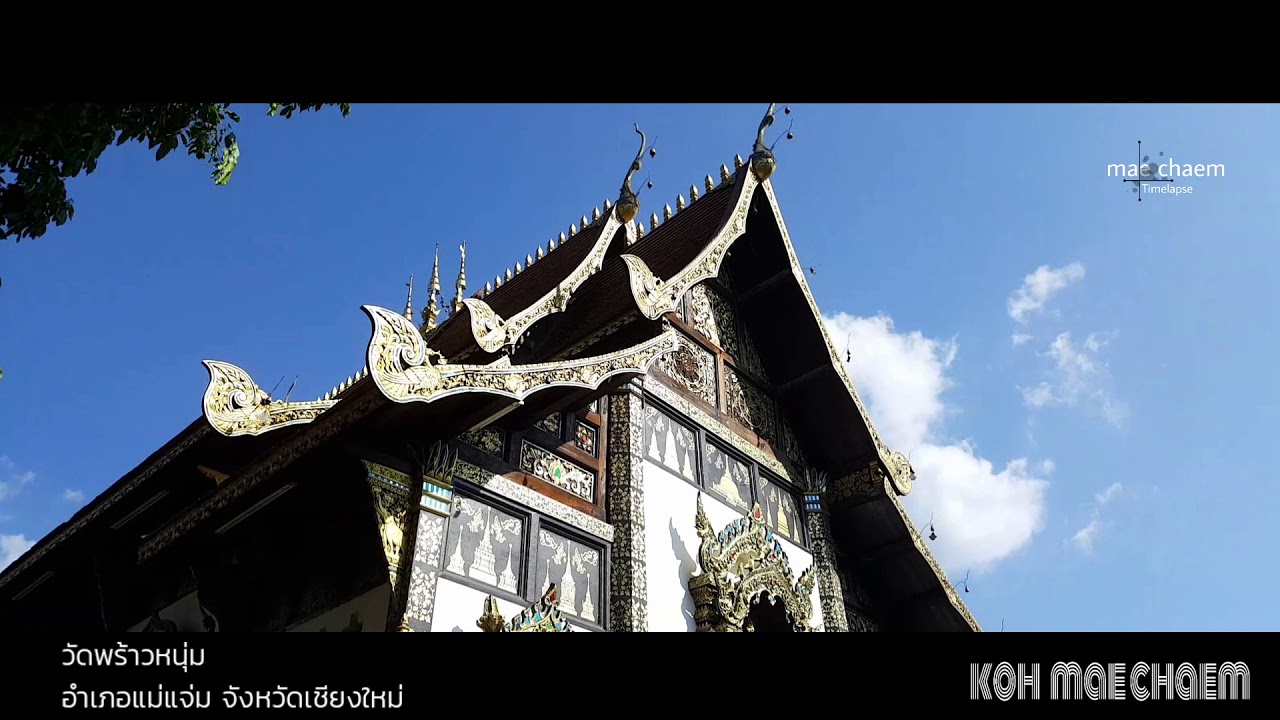
 Click to Access the Navigation Map GPS
Wat Phrao Num Map
Recommend

 Muang Chiang Mai(121)Chom Thong(47)Mae Chaem(25)Chiang Dao(33)Doi Saket(68)Mae Taeng(85)Mae Rim(69)Samoeng(29)Fang(71)Mae Ai(62)Phrao(70)San Pa Tong(105)San Kamphaeng(66)San Sai(73)Hang Dong(74)Hot(32)Doi Tao(22)Omkoi(11)Saraphi(74)Wiang Haeng(15)Chai Prakan(28)Mae Wang(32)Mae On(22)Doi Lo(34)Galyani Vadhana(1)


