
lovethailand home >North Travel Attractions >Chiang Mai Travel Attractions >Phrao >Nam Phrae > Wat Nam Phrae (Phrao)
TL;DR: Wat Nam Phrae (Phrao) is located at Ban Nam Phrae, Moo 4, Nam Phrae Subdistrict, Phrao District, Chiang Mai Province.

Wat Nam Phrae (Phrao)
Operating day: Daily
Operating time: 08.00 - 17.00
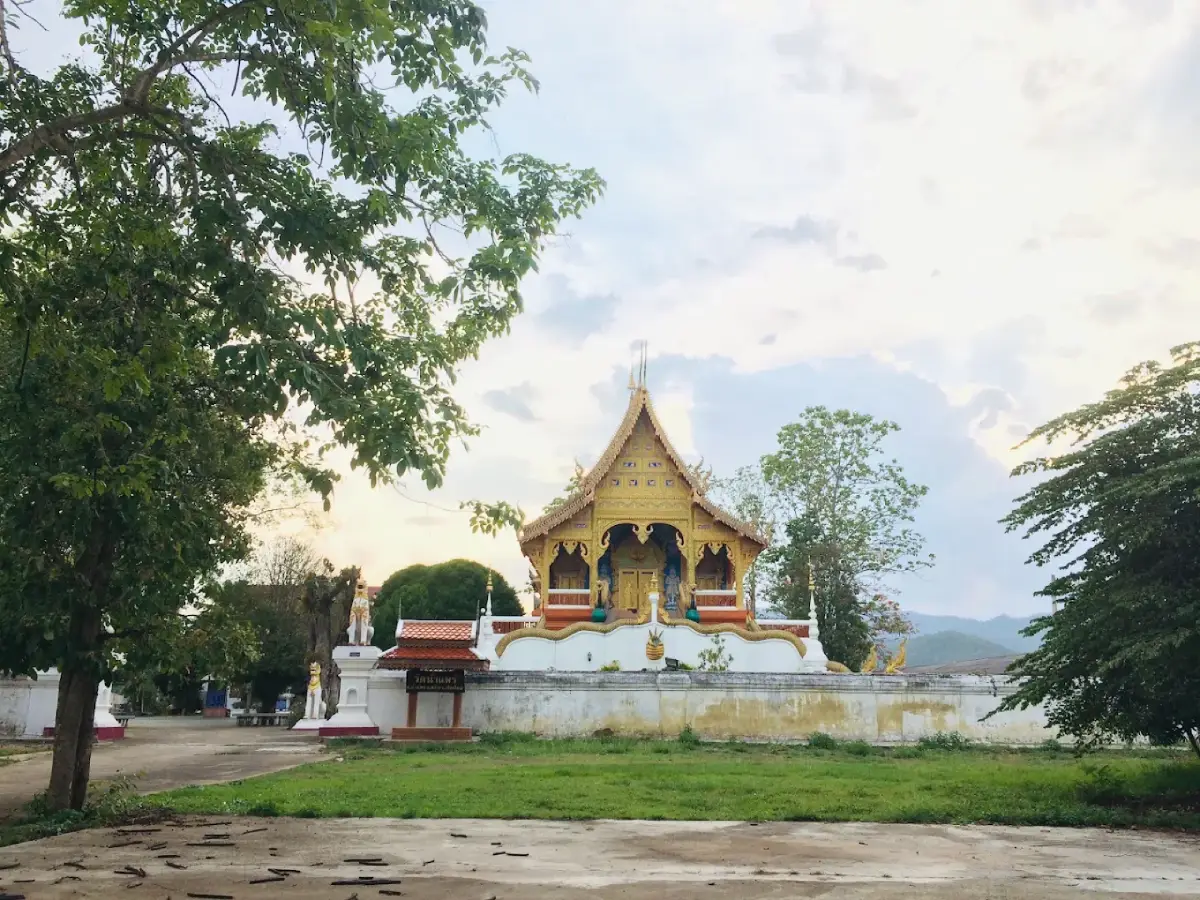
Wat Nam Phrae (Phrao) is a private-sector Buddhist temple under the Mahanikaya order located at 171 Moo 4, Ban Nam Phrae, Nam Phrae Subdistrict, Phrao District, Chiang Mai Province 50190. The temple was officially permitted to be established in 1869 and received its Wisungkham Sima in 1975. It covers 4 rai, 8 ngan and 86 square wah. Wat Nam Phrae is important for its long community history, its connection with the former Wat Bua Nak, its relocation and rebuilding under Khruba Utom Uttamo, and its teakwood principal Buddha image created in 1894 with a Lanna-script inscription beneath the base.
Nam Phrae Subdistrict is an important part of Phrao District, with a landscape shaped by old settlements, temples, agriculture, forests, and local cultural traditions. The local identity of Nam Phrae is often associated with Tham Dok Kham, old town history, Wat Phra Chao Lan Thong, farming, forest conservation, and local culture. Wat Nam Phrae therefore stands within a wider religious and cultural landscape rather than as an isolated village temple.
The history of Wat Nam Phrae has deep local meaning. Before the present temple site became Wat Nam Phrae, the original temple stood to the east of the present location and was called Wat Bua Nak or Wat Bunnak. The name came from the bua nak or bunnak trees that grew in the area before the temple was founded. This older name shows how temple identity was closely tied to the natural environment of the village.
Local accounts connect the temple history with the period after the royal troops of Chao Kawila suppressed Shan, or Ngiao, forces. After that period, the area of the present temple was left unused for a long time, while Wat Bua Nak continued as the earlier temple of the community. Later, during the time of Khruba Utom Uttamo, the old temple site was considered too close to the public road and not quiet enough for monastic study and meditation. Khruba Utom consulted Phaya Surin, also known as Phaya Bamrung, together with local temple committee members and villagers about creating a new temple site.
The community agreed to build the new temple west of the old temple, in an area that had once been associated with the Shan encampment. The location was considered more peaceful and appropriately distant from the village. Villagers worked together to clear the land, level the site, and donate money, timber, and construction materials. According to local elders, the construction of buildings and religious structures took about 11 years, showing the strength of community faith and cooperation.
The first structure built at the new site was the monks’ residence, allowing monks to stay there. The viharn, drum tower, and scripture hall were then built with hardwood. These structures reflect the character of a traditional Lanna village temple, where local materials, community labor, and Buddhist devotion shaped the temple’s development. The viharn became the main space for worship and Dhamma listening, while the drum tower and scripture hall supported the rhythm of temple life and the preservation of religious texts.
The most important sacred object of Wat Nam Phrae is the teakwood principal Buddha image. It was created during the time of Khruba Utom Uttamo by the craftsmanship of Pho Noi Pa, a former village headman. The Buddha image is made of golden teak and remains enshrined at Wat Nam Phrae. A Lanna-script inscription beneath the base records that Khruba Utom Uttamo, Pho Noi Pa, and their descendants sponsored the image in Chulasakarat 1256, corresponding to 1894. This image is a direct material link between the temple, its monks, local leaders, and village faith.
The name change from Wat Bua Nak to Wat Nam Phrae carried auspicious meaning. The name Nam Phrae expresses abundance in fields, gardens, agriculture, trade, timely rainfall, and community unity. It is therefore not just a temple name. It is a shared aspiration for prosperity, fertility, harmony, and stability in the village. The name Wat Nam Phrae brings together religion, landscape, livelihood, and community identity.
Wat Nam Phrae was officially permitted to be established in 1869, giving it more than 150 years of documented history as a Buddhist temple. Its Wisungkham Sima, granted in 1975, strengthened its formal Buddhist status. In Thai Buddhist tradition, Wisungkham Sima is the sacred boundary used for important monastic acts. This confirms the temple’s role as both an old community temple and a formal Buddhist institution within the Sangha.
One of the most important former abbots of Wat Nam Phrae was Phra Khru Piyakitjaphon Banchong Piyaputto, who also served as ecclesiastical chief of Nam Phrae Subdistrict. His royal cremation ceremony was held at Wat Nam Phrae and attended by Sangha members, local authorities, government agencies, devotees, and disciples. This shows that Wat Nam Phrae continues to be a major spiritual gathering place for Nam Phrae and Phrao District.
The main areas of Wat Nam Phrae include the viharn housing the teakwood principal Buddha image, monks’ residences, drum tower, scripture hall, temple courtyard, merit-making area, sermon area, and community ceremony spaces. The viharn is the heart of worship and Dhamma listening. The drum tower and scripture hall reflect the temple’s Lanna heritage. The temple courtyard supports annual ceremonies and community gatherings.
The main highlight of Wat Nam Phrae is its combination of old temple history, community relocation story, and a dated sacred object with Lanna inscription. Visitors should pay respect to the teakwood principal Buddha image, learn about Khruba Utom Uttamo and Pho Noi Pa, and understand the meaning of the temple’s name as a symbol of fertility, seasonal rainfall, agriculture, and village unity. This makes Wat Nam Phrae especially suitable for visitors interested in old community temples and Lanna Buddhist history.
Nam Phrae Subdistrict also has several important Buddhist and cultural sites that help explain the broader context of Wat Nam Phrae. These include Wat Phra Chao Lan Thong, an important old site of Phrao associated with a revered bronze Buddha image; Wat Tham Dok Kham, linked with the Phra Chao Liap Lok tradition and the Paet Peng festival; Wat Nong Pla Man; Wat Pa Ngio; and other local temples. Together, these sites show that Nam Phrae is a major religious and cultural area within Phrao District.
Wat Nam Phrae plays religious, social, historical, and cultural roles. Religiously, it is a place for worship, merit-making, Dhamma listening, precepts, and Buddhist ceremonies. Socially, it is a place where local residents gather during holy days, funerals, annual events, and community activities. Historically, it links the present temple with Wat Bua Nak, Chao Kawila-era local memory, and the temple’s relocation under Khruba Utom Uttamo. Culturally, it preserves Lanna memory through the teakwood Buddha image, Lanna-script inscription, and the continuing relationship between monks and villagers.
Temple activities at Wat Nam Phrae follow the Buddhist calendar and Lanna community traditions. Important activities include Buddhist holy day merit-making, Pha Pa, Kathin, Dhamma listening, Buddhist Lent, end-of-Lent activities, Northern Thai New Year, Loy Krathong, and annual community merit-making events. During these events, villagers gather to prepare the temple, offer food, receive blessings, listen to teachings, and maintain community unity.
A visit to Wat Nam Phrae is suitable for travelers who want to understand a temple through its story rather than simply stop for a short visit. Visitors can begin by paying respect to the teakwood Buddha image in the viharn, then learn about the temple’s relocation from Wat Bua Nak, the role of Khruba Utom Uttamo, and the community effort that created the present temple. The temple is best appreciated slowly and respectfully.
Getting There is most convenient by private car, rental car, or local hired transport. From Chiang Mai city, travel toward Phrao District, then continue into Nam Phrae Subdistrict and Ban Nam Phrae, Moo 4. Travelers can search for “Wat Nam Phrae Phrao Chiang Mai” or use the address 171 Moo 4, Nam Phrae Subdistrict, Phrao District, Chiang Mai 50190 in a map application before departure.
From Phrao town, Wat Nam Phrae can be included in a Nam Phrae temple route. A half-day route can include Wat Nam Phrae, Wat Phra Chao Lan Thong, and Wat Tham Dok Kham. With more time, visitors can continue to Wat Nong Pla Man, Wat Pa Ngio, Wat Doi Mae Pang, Wat Phra That Doi Wiang Chai Mongkhon, or other important Buddhist sites in Phrao District.
Visitors should dress modestly, speak quietly, respect monks and worshippers, avoid entering private monastic areas, and take photographs respectfully, especially around the viharn and the teakwood principal Buddha image. Visitors interested in the inscription or sacred objects should observe carefully without touching or moving anything without permission. Wat Nam Phrae is an active community temple, so respectful conduct is essential.
In summary, Wat Nam Phrae (Phrao) is a historic Mahanikaya community temple in Ban Nam Phrae, Moo 4, Nam Phrae Subdistrict, Phrao District, Chiang Mai Province. Officially established in 1869 and granted Wisungkham Sima in 1975, the temple developed from the older Wat Bua Nak and was rebuilt at its present site through the leadership of Khruba Utom Uttamo and local devotees. Its key sacred object is the teakwood principal Buddha image created in 1894 with a Lanna-script inscription. The temple is suitable for worship, merit-making, learning local history, and joining a wider Buddhist cultural route through Nam Phrae and Phrao District.
| Name | Wat Nam Phrae (Phrao) |
| Location | Ban Nam Phrae, Moo 4, Nam Phrae Subdistrict, Phrao District, Chiang Mai Province |
| Address | 171 Moo 4, Nam Phrae Subdistrict, Phrao District, Chiang Mai 50190, Thailand |
| Temple Type | Private-Sector Buddhist Temple, Mahanikaya Order |
| Temple Area | 4 rai, 8 ngan and 86 square wah |
| Highlights | Historic Nam Phrae temple connected with the former Wat Bua Nak, Khruba Utom Uttamo, the 1894 teakwood principal Buddha image, and a Lanna-script inscription |
| History | Officially permitted to be established in 1869 and granted Wisungkham Sima in 1975 |
| Former Temple | Wat Bua Nak / Wat Bunnak, formerly located east of the present temple site |
| Important Monk In Temple History | Khruba Utom Uttamo, who played a key role in relocating and building the present Wat Nam Phrae |
| Important Former Abbot | Phra Khru Piyakitjaphon Banchong Piyaputto, former ecclesiastical chief of Nam Phrae Subdistrict and former abbot of Wat Nam Phrae |
| Important Sacred Object | Teakwood principal Buddha image created in 1894 by Khruba Utom Uttamo, Pho Noi Pa, and their descendants, with a Lanna-script inscription beneath the base |
| Main Areas / Structures | Viharn, monks’ residences, drum tower, scripture hall, temple courtyard, merit-making area, sermon area, and community ceremony spaces |
| Name Meaning | The name Nam Phrae expresses abundance in fields, gardens, agriculture, seasonal rainfall, and unity among villagers |
| Community Context | Nam Phrae is a religious and agricultural area of Phrao, with important sites such as Wat Phra Chao Lan Thong, Wat Tham Dok Kham, and other local temples |
| Community Role | Spiritual center for worship, merit-making, Dhamma listening, funerals, local ceremonies, and preservation of Nam Phrae community history |
| Important Activities / Ceremonies | Buddhist holy day merit-making, Pha Pa, Kathin, Dhamma sermons, Buddhist Lent, end-of-Lent activities, Northern Thai New Year, Loy Krathong, and annual Lanna community merit-making events |
| Travel Information | Best reached by private car, rental car, or local hired transport from Chiang Mai toward Phrao District, then into Nam Phrae Subdistrict and Ban Nam Phrae, Moo 4 |
| Current Status | Active community temple in Nam Phrae Subdistrict; no public record found indicating permanent closure |
| Nearby Tourist Attractions | 1. Wat Phra Chao Lan Thong, about 3 km 2. Wat Nong Pla Man, about 4 km 3. Wat Tham Dok Kham, about 6 km 4. Wat Pa Ngio, about 7 km 5. Wat Doi Mae Pang, about 17 km 6. Wat Phra That Doi Wiang Chai Mongkhon, about 18 km 7. Wat Ban Mo, about 20 km |
| Nearby Restaurants | 1. 135 Cafe, about 11 km, Tel. 083-549-6399 2. Jin Jum And Made-To-Order Food, about 12 km, Tel. 053-475-209 3. Krua Jae Kee, about 13 km, Tel. 084-488-8560 4. Krua Ban Mong, about 14 km, Tel. 099-345-0782 5. Rain Tree Cafe, about 21 km, Tel. 087-660-0933 6. Nong Prince Chicken Rice, about 23 km, Tel. 094-559-0182 |
| Nearby Accommodations | 1. Phrao Camping Village, about 7 km, Tel. 091-564-2641 2. PK Hotel / PK Hostel, about 12 km, Tel. 088-992-2444 3. Phrao Boutique Hotel, about 13 km 4. Inthang Boutique Hotel, about 14 km 5. Mae Wan Resort, about 24 km |
Frequently Asked Questions (FAQ)
Q: Where is Wat Nam Phrae (Phrao) located?
A: Wat Nam Phrae is located at 171 Moo 4, Ban Nam Phrae, Nam Phrae Subdistrict, Phrao District, Chiang Mai Province 50190.
Q: What is the history of Wat Nam Phrae?
A: Wat Nam Phrae was officially permitted to be established in 1869 and received its Wisungkham Sima in 1975. Its history developed from the former Wat Bua Nak before the temple was relocated to the present site under Khruba Utom Uttamo.
Q: How is Wat Bua Nak related to Wat Nam Phrae?
A: Wat Bua Nak, also known as Wat Bunnak, was the former temple located east of the present Wat Nam Phrae site. The community later moved and built the new temple west of the old location.
Q: What is the most important sacred object at Wat Nam Phrae?
A: The most important sacred object is the teakwood principal Buddha image created in 1894 by Khruba Utom Uttamo, Pho Noi Pa, and their descendants, with a Lanna-script inscription beneath the base.
Q: What does the name Wat Nam Phrae mean?
A: The name expresses abundance in fields, gardens, agriculture, seasonal rainfall, and unity among the people of the village.
Q: What kind of visit is Wat Nam Phrae suitable for?
A: It is suitable for worship, merit-making, learning about old temple history, studying the teakwood Buddha image and Lanna inscription, and joining a religious route through Nam Phrae Subdistrict.
Q: How can travelers get to Wat Nam Phrae?
A: The most convenient way is by private car, rental car, or local hired transport from Chiang Mai toward Phrao District, then into Nam Phrae Subdistrict and Ban Nam Phrae, Moo 4.
Q: What places can be visited together with Wat Nam Phrae?
A: Nearby places include Wat Phra Chao Lan Thong, Wat Nong Pla Man, Wat Tham Dok Kham, Wat Pa Ngio, Wat Doi Mae Pang, and Wat Phra That Doi Wiang Chai Mongkhon.
 Category: ●Places of Worship
 Group: ●Temple
Last Update : 3 HourAgo
 Last Update : 3 HourAgo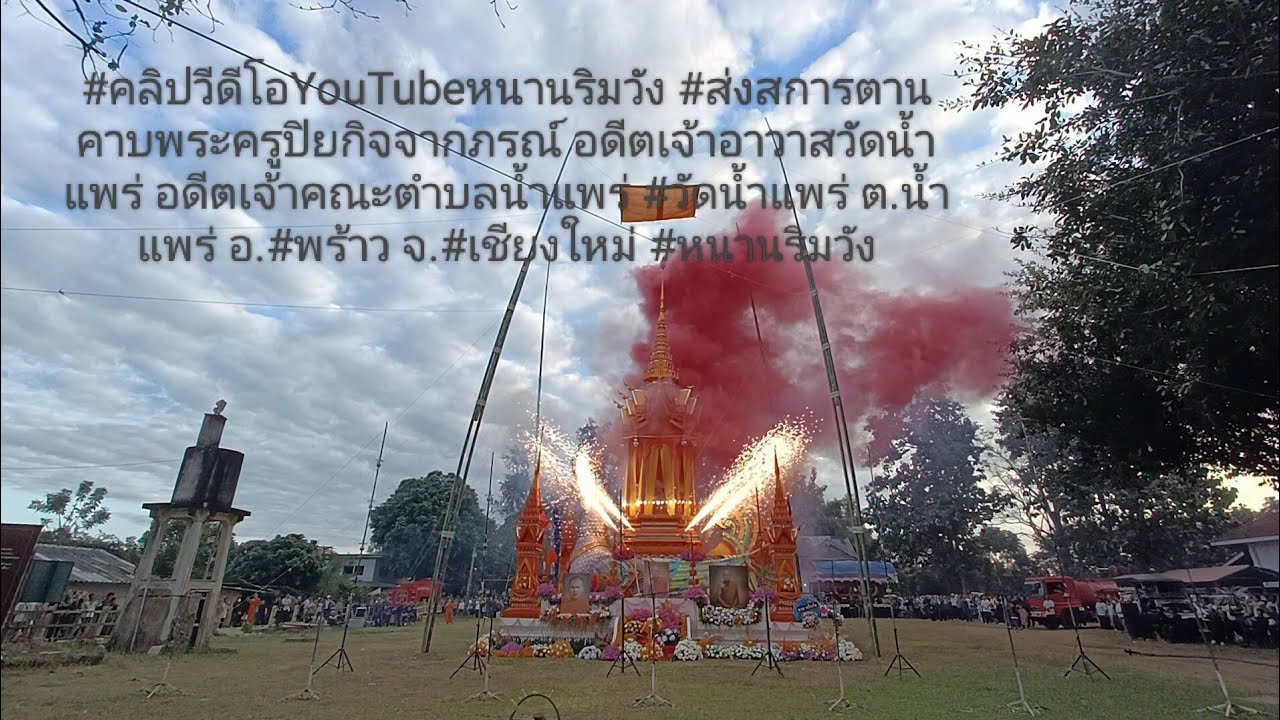
 Click to Access the Navigation Map GPS
Wat Nam Phrae (Phrao) Map
Recommend

 Muang Chiang Mai(121)Chom Thong(47)Mae Chaem(25)Chiang Dao(33)Doi Saket(68)Mae Taeng(85)Mae Rim(69)Samoeng(29)Fang(71)Mae Ai(59)Phrao(70)San Pa Tong(105)San Kamphaeng(66)San Sai(73)Hang Dong(74)Hot(32)Doi Tao(22)Omkoi(11)Saraphi(74)Wiang Haeng(15)Chai Prakan(28)Mae Wang(32)Mae On(22)Doi Lo(34)Galyani Vadhana(1)


